Understanding Combustion System Industry Applications for HVAC Contractors
Industry Applications in HVAC systems go far beyond temperature control—they encompass complex combustion processes, flame verification, and high-pressure fluid delivery that keep commercial heating systems operating safely and efficiently. For HVAC contractors in Singapore, where tropical humidity, dense urban installation schedules, and strict safety regulations converge, selecting the right components for combustion systems is critical.
3G Electric has spent over 35 years supplying industrial equipment to Southeast Asian operators, with deep expertise in the specialized pumps, valves, and detection systems that power modern HVAC burner technology. This guide focuses on practical integration strategies that help contractors specify, install, and maintain combustion systems that meet Singapore's regulatory standards while delivering reliable performance in high-temperature and high-humidity environments.
Flame Detection and Safety-Critical System Design
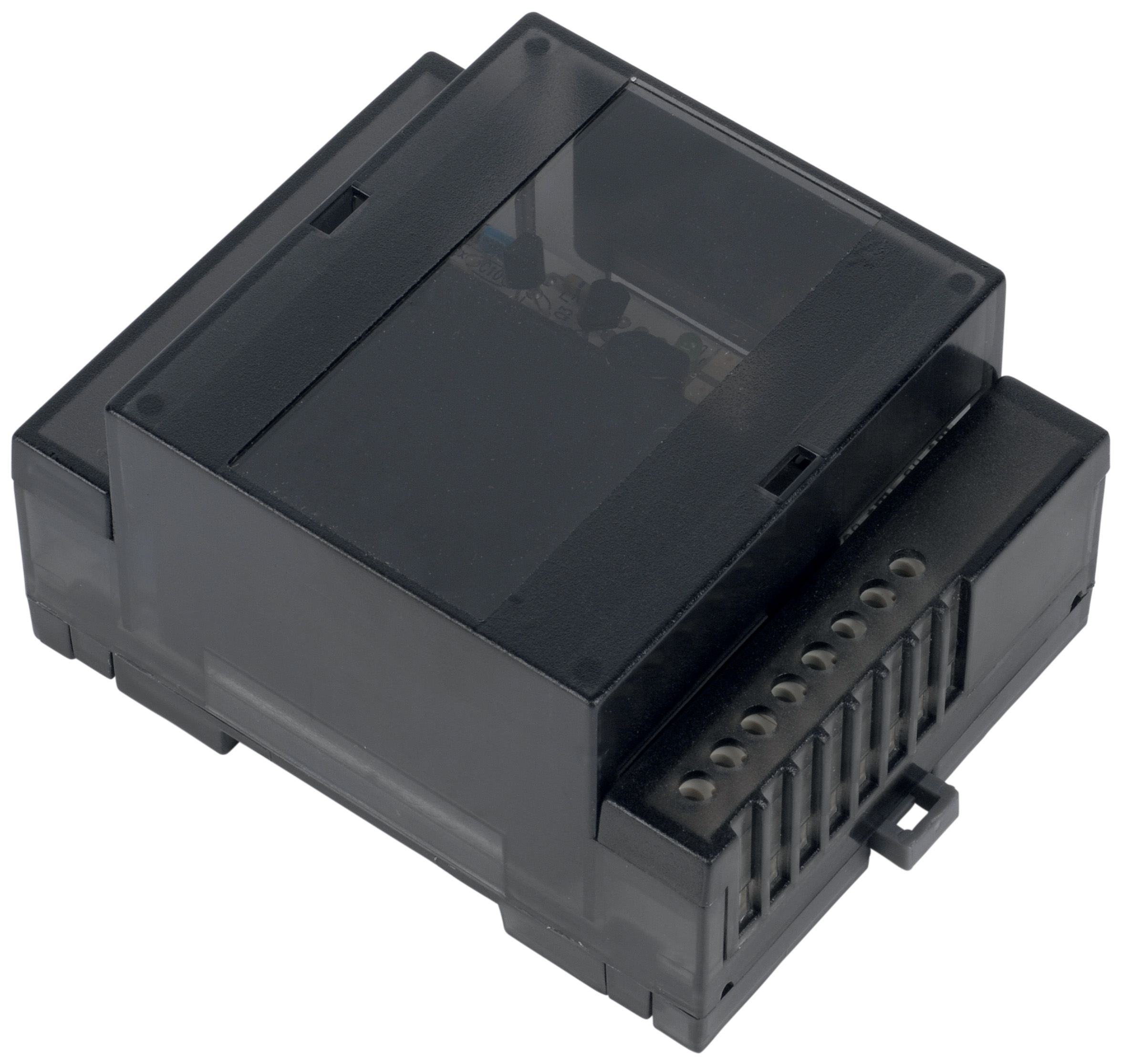
Modern HVAC burners require continuous flame verification to prevent unsafe fuel accumulation and ensure rapid shutdown during emergencies. The Combutech Flame relay CF1 is engineered specifically for this role, providing UV flame detection with up to 10 detector inputs on a single module.
Key specifications for contractor selection:
- Electrical ratings: 1 A @ 250 VAC and 1 A @ 30 VDC (covers most burner control circuits)
- Enclosure rating: IP40 protection against dust and splash—essential in Singapore's tropical environment
- Housing material: Polycarbonate UL94-V0 (flame-retardant, rated for high-temperature proximity)
- Detector capacity: Supports multiple UV sensors, allowing redundant flame detection on large commercial units
When installing the CF1 in commercial HVAC systems, mount the module in the burner control cabinet away from direct heat radiation from the combustion chamber. Use shielded twisted-pair wiring for UV detector connections—Singapore's high electromagnetic noise from dense building infrastructure can cause false flame signals if wiring runs parallel to power lines.
In Singapore's humid climate, condensation inside control cabinets is common. Ensure proper ventilation holes and consider low-wattage cabinet heaters to maintain dry conditions around the relay electronics. The IP40 rating protects external connectors, but internal humidity can still degrade UV detector signal reliability over time.
Test flame detection monthly using the relay's manual test function (when available) or by introducing a UV source near the detector. Document response times—healthy systems should signal flame detection within 0.5 seconds of ignition. Delayed response indicates detector window fouling (from combustion byproducts) and signals the need for cleaning or replacement.
High-Pressure Pump Selection for Oil Supply and Burner Systems
Oil-fired HVAC burners depend on precision-engineered pumps to deliver fuel at exact pressures and flow rates. Burner fuel must be atomized correctly; too little pressure produces incomplete combustion and excess emissions, while excessive pressure strains nozzles and fuel lines.
For Singapore contractors working with commercial oil burners, two pump families offer distinct advantages:
The Pratissoli KF30 high-performance industrial pump is built for continuous duty in demanding commercial systems. With 106 L/min flow capacity at 200 bar pressure, it handles large multi-unit installations:
- Flow/Pressure specification: 106 L/min @ 200 bar (ideal for medium-to-large commercial heating systems)
- Power requirement: 40 kW motor (typical in 3-phase 415V Singapore industrial supply)
- Weight: 72 kg (important for roof-mounted or confined mechanical room installations)
- Origin: Italian-engineered by Pratissoli (Interpump Group), meaning consistent ISO 4413 hydraulic fluid compatibility
Use the KF30 for central heating plants serving multiple zones or large buildings where fuel consumption exceeds 500 L/hour. Its compact Italian design integrates readily into modern burner skids.
The Pratissoli SN7045 L offers mid-range performance for smaller commercial or large residential systems:
- Flow/Pressure: 45 L/min @ 210 bar (adequate for single or dual burner installations)
- Motor rating: 18.4 kW @ 1450 rpm (fits standard 3-phase Singapore power circuits)
- Application: Hotels, shopping centers, hospitals with moderate heating demand
1. System demand calculation: Multiply the number of burners × 40 L/min per burner (typical consumption). Add 20% for pressure losses in long fuel lines common in sprawling industrial buildings.
2. Motor availability: Singapore's electrical supply is 3-phase 415V/50Hz. Verify that pump motors match local voltage and frequency—Pratissoli pumps are widely calibrated for this, but confirm before purchase.
3. Fuel type compatibility: Use only ISO VG 32 hydraulic or equivalent fuel oil grades. Heavier oils (Bunker C) require heated supply lines and pressure preheating—specify the KF30 for such applications due to higher design pressure tolerance.
4. Installation height: If the fuel tank sits below pump intake (common in basements), maximum lift height is 0.9 meters. Higher installations require priming systems or submersible intake pumps.
5. Climate considerations: Singapore's year-round 28–32°C ambient temperature means fuel viscosity remains relatively stable, unlike temperate regions. However, fuel oxidation accelerates in high heat—change fuel filters every 500 operating hours (vs. 1000 hours in cooler climates) to prevent pump cavitation from dissolved air in degraded fuel.
Integration with Gearbox Systems and Pressure Control
Many commercial HVAC installations couple fuel pumps with gearbox assemblies to match engine speeds or enable variable-speed operation. The Interpump GEARBOX RS500 is engineered for this role, with a 2.2 transmission ratio and 18.5 kW maximum power capacity.
Gearbox application for HVAC contractors:
If your burner uses a prime-mover engine (rather than an electric motor), the RS500 reduces engine speed from ~3000 rpm to ~1350 rpm, matching the optimal pump displacement range. This improves fuel efficiency and reduces noise—critical in Singapore's dense residential/commercial zones where noise complaints trigger regulatory inspections.
When specifying a gearbox:
- Verify the 1-inch (25.4 mm) shaft compatibility with your pump flange
- Confirm the 2.2:1 ratio matches your burner's fuel consumption and pressure targets
- Plan for regular gearbox oil changes (ISO VG 150 synthetic recommended for tropical climates)
- Route cooling fins toward open air to prevent thermal soak in enclosed mechanical rooms
1. The pump produces maximum system pressure (e.g., 200 bar from the KF30)
2. A pressure relief valve (installed by the burner manufacturer) sets the working pressure to the nozzle specification (typically 100–150 bar for oil burners)
3. Excess fuel returns to the tank through a cooler return line
4. The flame relay monitors combustion and signals pump shutdown if flame is lost
This closed-loop design maintains safety and efficiency. Contractors should inspect relief valve pilot lines monthly—blockages force excessive return flow, overheating fuel and degrading seal performance.
Practical Maintenance and Troubleshooting for Singapore HVAC Operations
Common issues and solutions:
Flame detection false trips (especially in monsoon season): High humidity entering the control cabinet causes condensation on UV detector windows. Install a low-wattage (40W) cabinet heater with thermostat (set to 35°C) to maintain dry conditions. Replace UV detector gaskets annually in tropical climates—budget 200–300 SGD per replacement.
Fuel line vibration and noise: If burners produce rattling during operation, the pump and engine may be misaligned or the gearbox coupling worn. Check gearbox oil color—milky or foamy oil indicates moisture ingress and requires immediate seal replacement (500–800 SGD labor + parts).
Low fuel pressure at nozzle (under 80 bar): Suspect fuel filter blockage, air in the fuel line, or pump cavitation. Prime the system by opening the fuel line bleed screw and activating the pump until fuel flows steadily. If pressure remains low, the pump intake line may be kinked or the fuel tank outlet screen clogged. Clean or replace filters—a blocked filter costs 150 SGD to replace but prevents 5000+ SGD in pump damage.
Burner won't restart after 30-minute shutoff: Fuel trapped in the pump discharge line vaporizes in high ambient heat (>35°C). Relocate discharge lines away from hot surfaces, add a small fuel cooler in the return line, or specify a pump with integral heat exchanger (available on KF30 variants).
Regulatory Compliance and Safety Standards in Singapore
HVAC contractors must comply with Singapore's Code of Practice for Energy Efficiency in Building Services (Building and Construction Authority) and Pressure Equipment Safety Regulations (PES 2016). Key points:
- All pumps operating above 0.5 L/min and 0.5 bar must be pressure-tested and certified
- Flame detection relays must be rated for the control circuit voltage (240V single-phase or 415V three-phase)
- Fuel lines must use stainless steel or approved plastic tubing rated for the system pressure (250 bar minimum working pressure for oil burner applications)
- Annual maintenance records and pressure relief valve testing certificates must be retained for 5 years
3G Electric supplies equipment certified to these standards and maintains detailed specification sheets for every product, helping contractors document compliance during regulatory audits.
Conclusion: Building Reliable HVAC Combustion Systems
Industry Applications for HVAC contractors demand precision, reliability, and local expertise. By selecting purpose-engineered components like the Combutech flame relay, Pratissoli pump series, and Interpump gearboxes, contractors ensure that Singapore's commercial heating systems operate safely, efficiently, and compliantly for decades.
With over 35 years of experience supplying industrial equipment across Southeast Asia, 3G Electric understands the unique challenges of tropical HVAC operations. Our team is ready to help you specify the right components for your next commercial heating project.