Understanding Industry Applications of High-Pressure Spray Systems
High-pressure spray systems represent one of the most versatile yet often misunderstood categories in industrial equipment procurement. With over 35 years of experience distributing precision hydraulic and pneumatic components globally, 3G Electric has helped thousands of procurement engineers specify the correct spray configurations for their operational needs.
Industry applications for high-pressure spray technology span far beyond basic cleaning. These systems directly impact production efficiency, product quality, and operational safety across manufacturing facilities, food and beverage plants, automotive suppliers, and maintenance service providers worldwide. Understanding how spray angle, pressure classification, and connection type align with your specific operational requirements is essential for making cost-effective procurement decisions that minimize downtime and waste.
The challenge most procurement engineers face is that spray nozzle selection involves multiple interdependent variables. Pressure requirements, spray angle preferences, flow rates, and mounting constraints all interact to determine optimal system performance. When these elements are mismatched to your actual application, you face costly consequences: inefficient cleaning requiring multiple passes, product damage from excessive pressure, or incompatible connections causing system failures.
Spray Angle Selection Across Primary Industry Applications
Food Processing and Hygiene-Critical Operations
Food and beverage manufacturing requires spray systems that balance cleaning effectiveness with product protection. The primary industry applications in this sector demand flat jet patterns that distribute pressure evenly across surfaces without creating impact points that could damage packaging or contaminate product zones.
For general cleaning applications in food facilities—including equipment surfaces, process line exteriors, and sanitation spray-downs—the CBM flat jet nozzle HP 1/4"M BSPT index 25 with 15° angle provides the ideal compromise between coverage width and pressure concentration. The 15° angle creates a focused flat pattern suitable for removing processing residue without forcing water or cleaning agents into sensitive equipment seams.
When your facility requires more aggressive cleaning—particularly for heavy organic buildup on exterior equipment or post-shift deep sanitization—the CBM flat jet nozzle HP 1/4"M BSPT index 50 with 40° angle delivers significantly broader coverage. The 40° angle expands the spray footprint across larger surface areas, reducing the number of passes required while distributing energy more evenly, which is critical when cleaning around delicate sensors or electronic components common in modern food processing lines.
Manufacturing and Assembly Line Maintenance
Automatic assembly lines, precision manufacturing facilities, and stamping operations create unique spray system challenges. These environments require frequent, localized cooling spray and precision cleaning between production cycles. Your procurement decisions here directly impact cycle time and scrap rates.
The CBM flat jet nozzle HP 1/4"M BSPT index 055 with 15° angle addresses the narrow-target applications common in manufacturing. When you need to cool a specific mold cavity, remove chip accumulation from a tight production area, or provide targeted coolant delivery to a precision machining center, this configuration's concentrated flat pattern ensures pressure reaches the intended target without wasteful overspray affecting adjacent equipment or creating safety hazards for machine operators.
The index 055 specification indicates a smaller orifice size compared to heavier-duty configurations, making this nozzle ideal for operations where you're managing pressure-sensitive environments or need to integrate spray systems into existing equipment with space constraints.
Maintenance and Repair Services
Third-party maintenance contractors, facility management teams, and equipment service operations need portable, adaptable spray systems that function across diverse environments. Your procurement focus here should prioritize quick-connect capability and pressure reliability rather than specialized spray patterns.
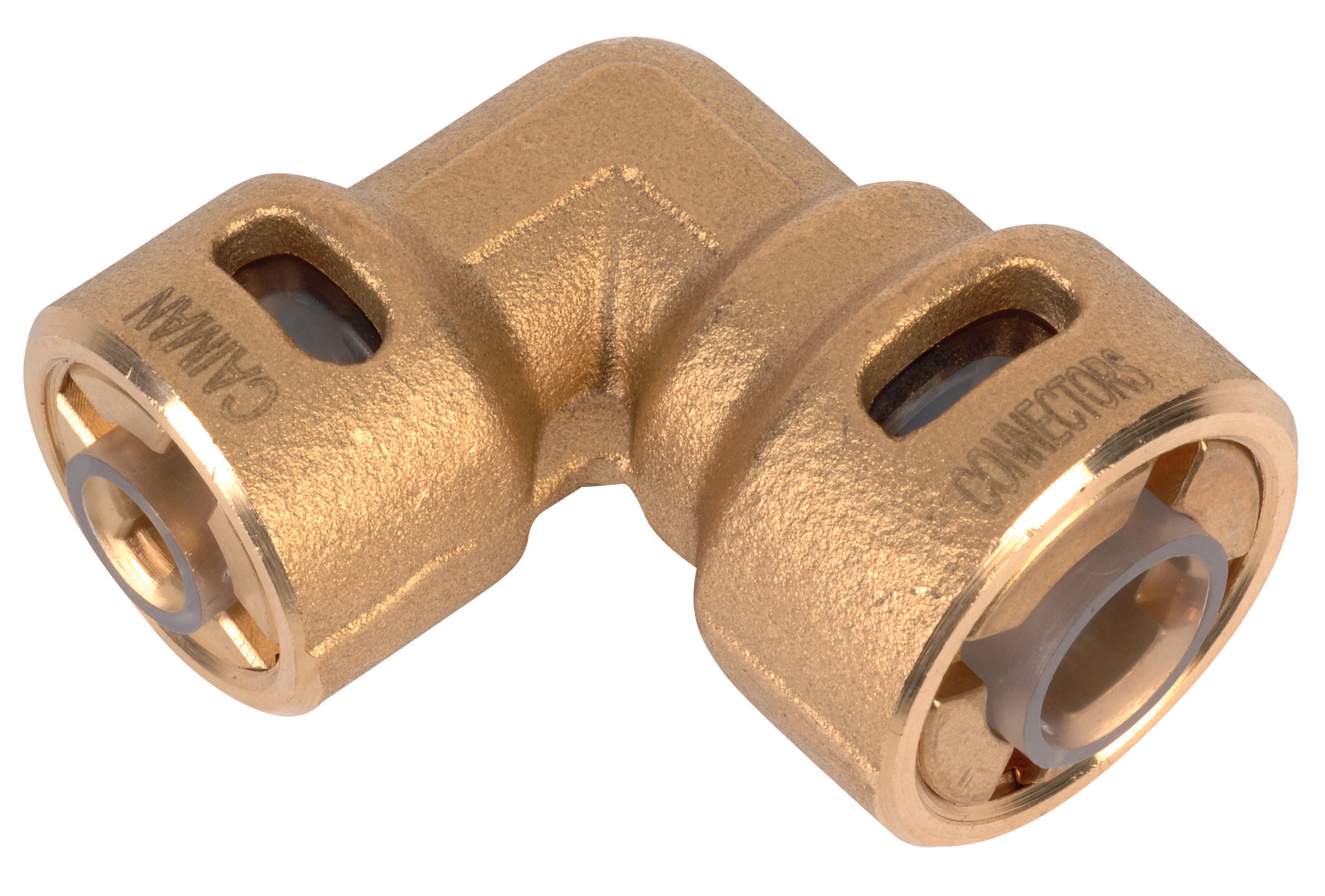
The CBM quick coupling 90° pressure reduction 1/4*3/8 serves as a critical connector component for maintenance-driven industry applications. This coupling enables rapid equipment swaps between different nozzle types without losing system pressure or creating connection points that could introduce contamination. The 90° angle design accommodates space-constrained environments where straight-line connections would interfere with surrounding infrastructure—a practical reality in retrofit maintenance scenarios.
For mobile maintenance teams rotating between customer sites, the ability to quickly interchange nozzle types (switching between the 15° and 40° angle options) using standardized quick couplings significantly reduces inventory requirements while maintaining system versatility. This approach reduces per-call equipment costs and simplifies technician training.
Mounting and Installation Considerations Across Industry Applications
Installation complexity often represents an overlooked cost factor in spray system procurement. Permanent or semi-permanent installations in manufacturing facilities require robust mounting solutions that account for vibration, thermal cycling, and accessibility for maintenance.
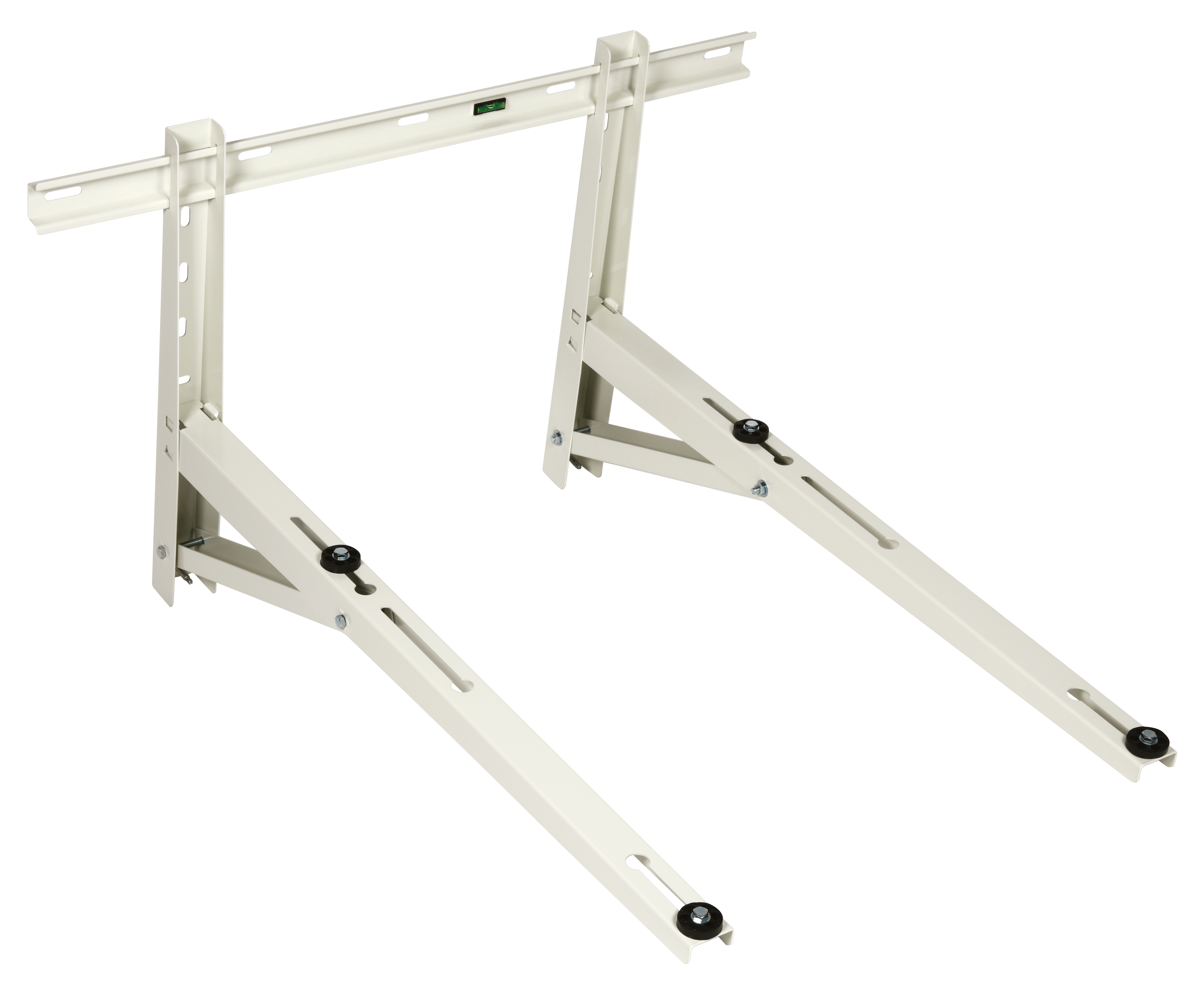
The CBM wall bracket 1000 provides standardized mounting infrastructure for fixed spray systems. This is particularly relevant for process lines where spray systems remain in position throughout production cycles—such as cooling sprays on forming equipment, continuous sanitization systems in food facilities, or dust suppression installations in material handling areas.
When evaluating mounting requirements for your industry applications, consider:
- Vibration isolation: Manufacturing environments with significant equipment vibration benefit from elastomer-damped brackets that prevent nozzle oscillation affecting spray pattern consistency
- Thermal stability: In high-temperature environments (die casting facilities, heat treatment areas), bracket materials must resist deformation while maintaining nozzle alignment
- Accessibility for cleaning: Spray nozzles require regular inspection and cleaning. Mount systems to allow technicians safe access without disassembling surrounding production equipment
- Adjustment capability: Temporary or adjustable mounting allows procurement teams to optimize spray angle and pressure without permanent facility modifications during initial system commissioning
Pressure Classification and Performance Matching for Different Industry Applications
One of the most frequent specification errors in procurement occurs when engineers select spray nozzles based on maximum system pressure without considering actual operating requirements. Many facilities operate at significantly lower pressures than equipment nameplate ratings, yet procurement specifications call for heavy-duty industrial nozzles designed for maximum-pressure applications.
The index specifications in CBM nozzle lines directly reflect pressure classifications. Lower-index nozzles (055) operate efficiently at moderate pressures typical of spray cleaning and cooling applications (typically 40-80 bar range). Mid-range index nozzles (25) function optimally at standard industrial pressures (80-150 bar). High-index configurations (50) deliver maximum performance at elevated pressures (150+ bar) common in precision cutting, deep cleaning, or industrial coating removal.
Matching nozzle index to your actual operating pressure prevents two costly problems:
1. Oversizing: Purchasing high-index nozzles for moderate-pressure applications wastes capital while creating maintenance complexity. Higher-index nozzles require greater pressure differential to deliver optimal spray patterns, potentially forcing your system to operate above efficient parameters.
2. Undersizing: Conversely, specifying light-duty nozzles for high-pressure systems causes premature wear, erratic spray patterns, and unpredictable performance affecting product quality.
With 35+ years of global equipment distribution experience, 3G Electric has observed that procurement engineers selecting spray systems based on thorough application analysis—rather than equipment nameplate specifications—consistently achieve better cost-of-ownership across their facility's operational lifespan.
Cross-Industry Procurement Strategy and Future Flexibility
Modern procurement engineering increasingly requires systems capable of supporting multiple, evolving industry applications within single facilities. A manufacturing operation might integrate cooling spray systems, equipment cleaning stations, and dust suppression within the same compressed air infrastructure. Food facilities expand product lines, requiring different spray configurations for various sanitation protocols.
This operational reality should inform your procurement strategy. Rather than purchasing equipment optimized for a single, current application, consider systems using standardized quick-connect interfaces (like the CBM quick coupling 90° pressure reduction) paired with modular nozzle inventory matching your facility's highest-pressure requirement.
This approach provides:
- Capital flexibility: Spread nozzle investment across multiple applications rather than concentrating capital in specialized, single-use components
- Operational redundancy: When a nozzle fails, substitute alternatives from inventory rather than halting operations during replacement procurement
- Future scalability: When adding new production lines or processes, integrate spray systems using existing infrastructure rather than designing entirely new systems
- Simplified maintenance training: Technicians master one quick-coupling system and modest nozzle inventory rather than learning multiple incompatible connection types
Procurement engineers working with 3G Electric benefit from equipment selection guided by extensive field experience across diverse global operations, ensuring your spray system selections support both immediate operational needs and foreseeable future requirements.
Practical Implementation Framework for Spray System Procurement
When evaluating industry applications for your facility's spray system requirements, follow this structured procurement process:
Phase 1: Application Documentation - Identify each distinct spray application in your operation. Document pressure requirements, target surface type, required coverage area, frequency of use, and environmental constraints (temperature, chemical compatibility, safety considerations).
Phase 2: Pressure Mapping - Determine actual operating pressure for each application group. Equipment nameplates often specify maximum capability; your procurement specification should match typical operating conditions.
Phase 3: Nozzle Selection - For each application group, match spray angle requirements. The index 055 with 15° angle concentrates pressure for precision applications; the index 25 with 15° angle balances coverage and pressure for general industrial cleaning; the index 50 with 40° angle provides broad coverage for high-volume sanitation or cooling applications.
Phase 4: Connection Standardization - Specify quick-coupling interfaces across all applications where technician-driven changeover will occur. The CBM pressure reduction coupling adapts between different connection sizes if your infrastructure shows variation.
Phase 5: Installation Planning - For fixed or semi-permanent installations, specify appropriate mounting solutions early in procurement. The CBM wall bracket 1000 integrates with standard nozzle configurations and simplifies future maintenance access.
Phase 6: Inventory Strategy - Rather than procuring single units, establish modest backup inventory of primary nozzle types. The cost of replacement nozzles is minimal compared to production downtime from spray system failures.
This systematic approach transforms spray system procurement from a reactive response to equipment failures into a strategic capital deployment supporting operational efficiency across your facility's diverse industry applications.