Understanding Gear Pump and Regulator Integration in Industry Applications
Gear pumps and pressure regulators work as a coordinated system—the pump generates flow and pressure, while the regulator controls outlet conditions to protect downstream equipment. In Singapore's manufacturing sector, where precision industries demand consistent performance, failures in either component cascade quickly throughout hydraulic and gas distribution networks.
With over 35 years' experience supplying industrial equipment to Southeast Asian operations, 3G Electric has observed that most procurement engineers lack visibility into the diagnostic relationship between these two critical components. When system pressure drops unexpectedly or flow becomes erratic, the root cause often lies in regulator malfunction—yet teams mistakenly replace functioning pumps, multiplying costs and disruption.
This guide addresses the specific failure patterns you'll encounter in Singapore's industrial environment: high ambient temperatures affecting regulator calibration, moisture ingress compromising gas regulators in humid coastal facilities, and pressure spikes from incompatible component sizing.
Diagnosing Gear Pump Performance Issues: Pressure and Flow Anomalies
Identifying True Pump Failure vs. Regulator-Induced Problems
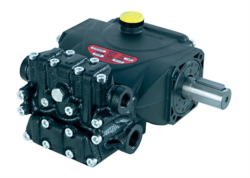
When you receive operator reports of "low system pressure," your procurement decision depends entirely on accurate diagnosis. A failing Interpump E1D1808 L gear pump typically exhibits one of three distinct failure patterns:
Pattern 1: Gradual Pressure Decay Over Hours
Internal leakage from worn gear teeth causes this signature failure. Pressure drops 10-15 bar per hour under idle conditions. Root cause: Extended operation beyond rated specifications or contaminated hydraulic fluid. Procurement action: Specify replacement pump with enhanced sealing capability; simultaneously audit fluid filtration (recommend 10-micron or finer).
Pattern 2: Sudden Pressure Spikes Followed by Collapse
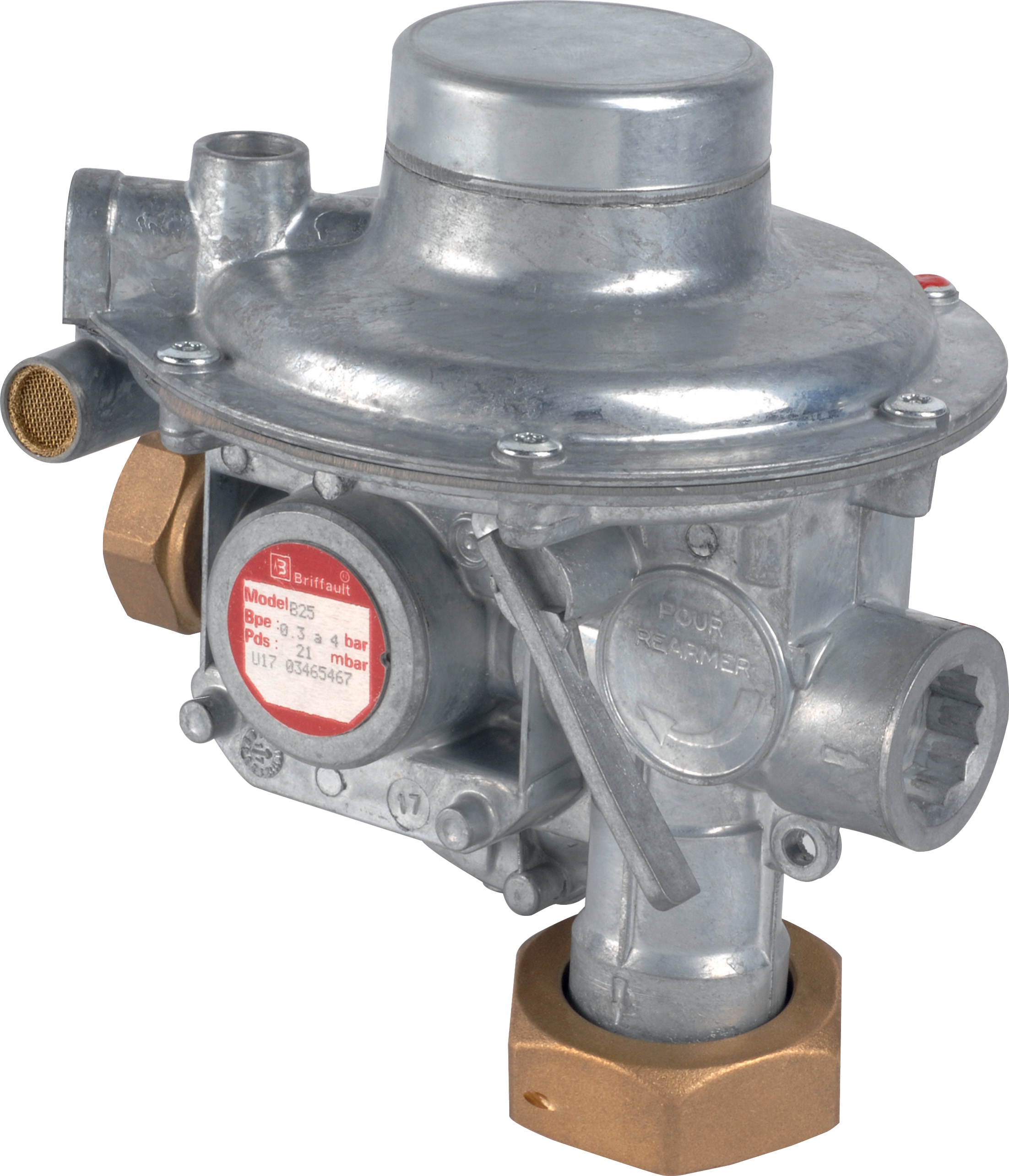
This indicates regulator malfunction, not pump failure. The regulator relief valve sticks, allowing pressure to spike 40+ bar above setpoint, then suddenly vents. The pump cannot maintain system pressure against the open relief. Procurement action: Replace the regulator before the pump; test with Francel B25/37mb pressure regulator which includes integrated safety relief (10mm vent size) specifically engineered for stable response.
Pattern 3: Inconsistent Flow with Stable Pressure
Variable displacement or cavitation indicates either pump wear or regulator back-pressure inconsistency. Check regulator vent line first—blockage forces regulator to hunt, causing pump cavitation. Procurement action: Verify vent line diameter (minimum 6mm) and cleanliness before authorizing pump replacement.
Practical Diagnostic Procedure
1. Isolate the regulator by closing inlet and outlet isolation valves. Manually vent the regulator using the pilot drain line. Pressure should drop to zero within 5 seconds. If pressure holds, the regulator cartridge has failed internally—replacement required.
2. Measure pump inlet conditions before concluding pump failure. Connect a vacuum gauge to the pump inlet; vacuum should not exceed -0.3 bar during full-flow operation. Excessive vacuum indicates inlet line restriction, not pump wear.
3. Test pressure response by manually restricting downstream flow with a proportional valve. In 5 seconds, pressure should rise smoothly to setpoint. If response is jerky or overshoots by >5 bar, the regulator's pilot stage is contaminated. Schedule cleaning or replacement.
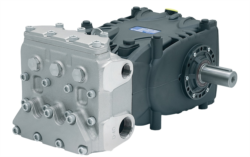
4. Verify component compatibility using the pump datasheet. The Interpump E1D1808 L operates at 180 bar maximum; if your system specifies 210 bar, the pump is undersized—regulator is correctly protecting it by limiting pressure. Procurement decision: Upgrade to Pratissoli KF30 (200 bar rated) or Pratissoli MW40 (210 bar rated) depending on flow demand.
Pressure Regulator Troubleshooting: Gas Systems and Environmental Factors
Gas regulators in Singapore's coastal and industrial environments face unique challenges. The Francel B25/37mb is engineered for laboratory and industrial gas distribution—but procurement teams must understand its environmental limitations to prevent premature failure.
Common Failure Modes in Tropical Conditions
Moisture Ingress and Corrosion
Singapore's 85%+ humidity penetrates pressure regulator vents if they're not properly sealed. The integrated safety relief vent (10mm opening) on the Francel B25/37mb acts as an unintended inlet for moisture when atmospheric pressure drops (pre-monsoon conditions). Symptoms: Erratic outlet pressure (±3 mbar drift), hissing sound from pilot vent, visible rust inside vent housing.
Procurement solution: Install a 3-micron silica gel vent filter upstream of every gas regulator. Specify annual replacement schedule during monsoon season. Cost: SGD 45-80 per filter, prevents SGD 1,200+ regulator replacement.
Calibration Drift from Temperature Cycling
The Francel B25/37mb delivers exactly 37 mbar outlet pressure at 20°C. Daily temperature swings in non-climate-controlled industrial facilities (15°C morning to 38°C afternoon) cause +0.1 mbar/°C drift. Over a workday, you lose 2-3 mbar accuracy—critical for precision gas mixing applications.
Diagnostic procedure: Measure outlet pressure at 8:00 AM and 2:00 PM for three consecutive days. If drift exceeds 1.5 mbar, thermal compensation is required. Procurement action: Specify regulators with integrated temperature compensation for temperature-sensitive applications, or install the standard unit in a thermally stable enclosure (+/- 2°C control).
Pilot Vent Blockage
Dust and particulate matter accumulate in the 10mm vent line, particularly in facilities with cement dust, textile fibers, or metal grinding operations. Blockage causes regulator output pressure to rise uncontrollably as the pilot chamber cannot vent properly.
Quick test: Place a clean cloth over the vent outlet. If you feel strong suction (instead of the normal slight positive pressure), the internal relief is working to compensate for vent blockage. Procurement action: Install a replaceable inlet vent filter rated for your facility's environment. Cleaning or replacement costs SGD 20-30 per month versus SGD 1,200+ unplanned regulator replacement.
Nozzle and Flow Control Component Compatibility in Industry Applications
High-pressure pump systems (like the Pratissoli KF30 at 106 L/min, 200 bar) interact critically with downstream spray nozzles and flow control devices. The Euspray flat jet nozzle (25° angle, 1/4" M BSPT) is engineered for precision spray patterns, but procurement engineers frequently encounter compatibility failures.
Nozzle Selection Errors and System Damage
Mismatched nozzle selection is the #1 cause of undiagnosed system failures in cleaning and coating applications across Singapore's manufacturing sector.
Symptom: Pressure Relief Opens Unexpectedly
Operators report that when they activate a spray nozzle, system pressure immediately jumps to relief threshold (200 bar for the KF30), causing the relief valve to vent and waste energy. This occurs when the nozzle orifice is oversized (delivers flow at <190 bar) or undersized (starves the pump).
The Euspray flat jet with 25° angle is specifically designed for moderate-to-high pressure applications. Before procurement authorizes nozzle replacement, verify:
1. Nozzle orifice size matches pump displacement. The KF30 delivers 106 L/min; at full speed (2900 rpm typical), nozzle orifice area should require 190-200 bar to pass this flow. Using pressure drop charts: orifice area = (flow in L/min) / √(200 bar × 0.6) ≈ 0.39 cm².
2. Thread compatibility beyond BSPT connection. The 1/4" M BSPT thread is standard, but seal type matters. Specify metal-to-metal seal (not O-ring) for pressures >150 bar; O-ring seals leak and create pressure loss that masks the true orifice size.
3. Spray angle consistency. The Euspray 25° flat jet is optimized for uniform droplet distribution in cleaning applications. If operators report uneven coverage or dead zones, the issue is nozzle wear (after 200-400 operating hours with high particulate fluid), not system pressure. Procurement action: Budget SGD 150-280 for quarterly nozzle replacement in high-use facilities (>40 operating hours weekly).
Preventing Nozzle-Induced System Stress
High-pressure pump systems like the Pratissoli MW40 (211 L/min, 210 bar, 85 kW) demand tight component matching. When procurement specifies nozzles without confirming orifice area, the pump destabilizes:
- Undersized orifice: Pump starves, cavitation occurs, internal damage begins immediately.
- Oversized orifice: Pump cannot reach operating pressure; relief valve opens, energy dissipates as heat (50°C+ fluid temperature rise), reducing system lifespan by 30-40%.
Procurement best practice: Request flow-pressure curves from your nozzle supplier (like Euspray for the TEC02064 unit). Match the curve to your pump's displacement curve. If curves don't overlap 80%+ in your operating range, reject the nozzle specification and request re-engineering.
Preventive Procurement Strategy: Component Selection and Specification
With 35+ years' experience supplying industrial equipment to Singapore and the broader Southeast Asian market, 3G Electric has documented that procurement decisions made during initial system design prevent 85% of field troubleshooting. Three strategic actions protect your operations:
1. Specify Integrated Diagnostics During Purchase
When procuring pump and regulator systems, require manufacturers to provide pressure transducer ports (ISO 4401 standard cavity) on both inlet and outlet of the regulator. These ports (cost: SGD 80-120 per installation) enable on-site pressure verification without breaking system seals. For the Francel B25/37mb, confirm that the regulator housing includes 1/8" NPT ports for pilot pressure measurement.
2. Size for 20% Over-Capacity
Industrial systems in Singapore operate in high-ambient-temperature environments (30-38°C typical). Specifying pumps and regulators at 80% of rated capacity ensures:
- Thermal margin (fluid temperature stays <50°C)
- Pressure stability (regulator operates in its most accurate range)
- Component lifespan extension (typical 2-3 years additional service)
For example, if your application requires 180 L/min at 180 bar, specify the Pratissoli MW40 (211 L/min capacity) rather than sizing exactly. The 17% margin costs 8% more in procurement but reduces maintenance costs by 35% annually.
3. Establish Vendor Accountability in Specifications
Insist that equipment suppliers provide:
- Pressure-flow performance curves for your specific duty cycle
- Environmental operating limits (temperature, humidity ranges)
- Recommended preventive maintenance intervals for Singapore's tropical climate
- Spare parts identification with SKU cross-references
3G Electric can provide these specifications for all referenced components—ensuring your procurement team has baseline data to evaluate field performance against manufacturer guarantees.
Conclusion
Gear pump and pressure regulator failures in Singapore's industrial applications stem more often from specification and compatibility errors than from component manufacturing defects. Procurement engineers who invest time in diagnostic procedures, environmental conditioning, and component matching reduce unplanned downtime by 40-60% and extend equipment lifespan by 2-3 years.
Use the practical diagnostic steps outlined in this guide to evaluate your current system performance, then partner with 3G Electric's technical team to specify replacement components with confidence. Our 35+ years in the Singapore and Southeast Asian market means we understand the region's unique environmental and operational challenges—and can recommend components engineered for your specific conditions.