How to Select and Install Gas Valves & Regulators for Industrial Combustion Systems in Southeast Asia
Gas valves and regulation systems are the critical infrastructure that control fuel flow, pressure, and safety in industrial heating and combustion applications across Southeast Asia. Whether you're managing a manufacturing facility, processing plant, or commercial boiler system, understanding how to properly select and install these components ensures operational efficiency, equipment longevity, and most importantly, worker safety. This technical guide walks you through the selection criteria, installation procedures, and integration methods for modern gas valve and regulation systems.
Understanding Gas Valves and Regulation in Industrial Systems
Gas regulation systems serve three primary functions: pressure reduction, flow control, and safety isolation. In industrial combustion applications, incoming gas supply pressures can range from 50 to 200 bar or higher, depending on the source and transmission distance. Direct introduction of high-pressure gas to burners would cause unsafe combustion conditions, equipment damage, and unpredictable flame behavior. Regulators reduce this pressure to safe operating levels—typically 5 to 300 mbar for industrial burners—while maintaining consistent outlet pressure regardless of demand fluctuations.
Gas valves perform complementary but distinct roles. Solenoid shut-off valves provide automatic isolation during system start-up, shutdown, or emergency conditions. Modulating control valves adjust gas flow continuously to maintain burner output at desired thermal power levels. End-of-stroke contact valves signal when dampers or adjustable components reach mechanical limits, preventing over-travel and equipment strain. In multi-stage burner systems, sequential valve control enables staged combustion for improved efficiency and emissions compliance.
For Southeast Asian industrial operations, compliance with EN 161 (safety requirements for automatic gas shut-off devices) and EN 88 (regulator standards) is mandatory in most jurisdictions. Understanding how these standards translate to equipment selection ensures your system meets local regulatory requirements and insurance standards. The combination of pressure regulators, solenoid valves, control blocks, and safety devices creates a redundant safety architecture that prevents gas accumulation, maintains stable combustion, and responds instantly to fault conditions.
Selecting the Right Pressure Regulator for Your Application
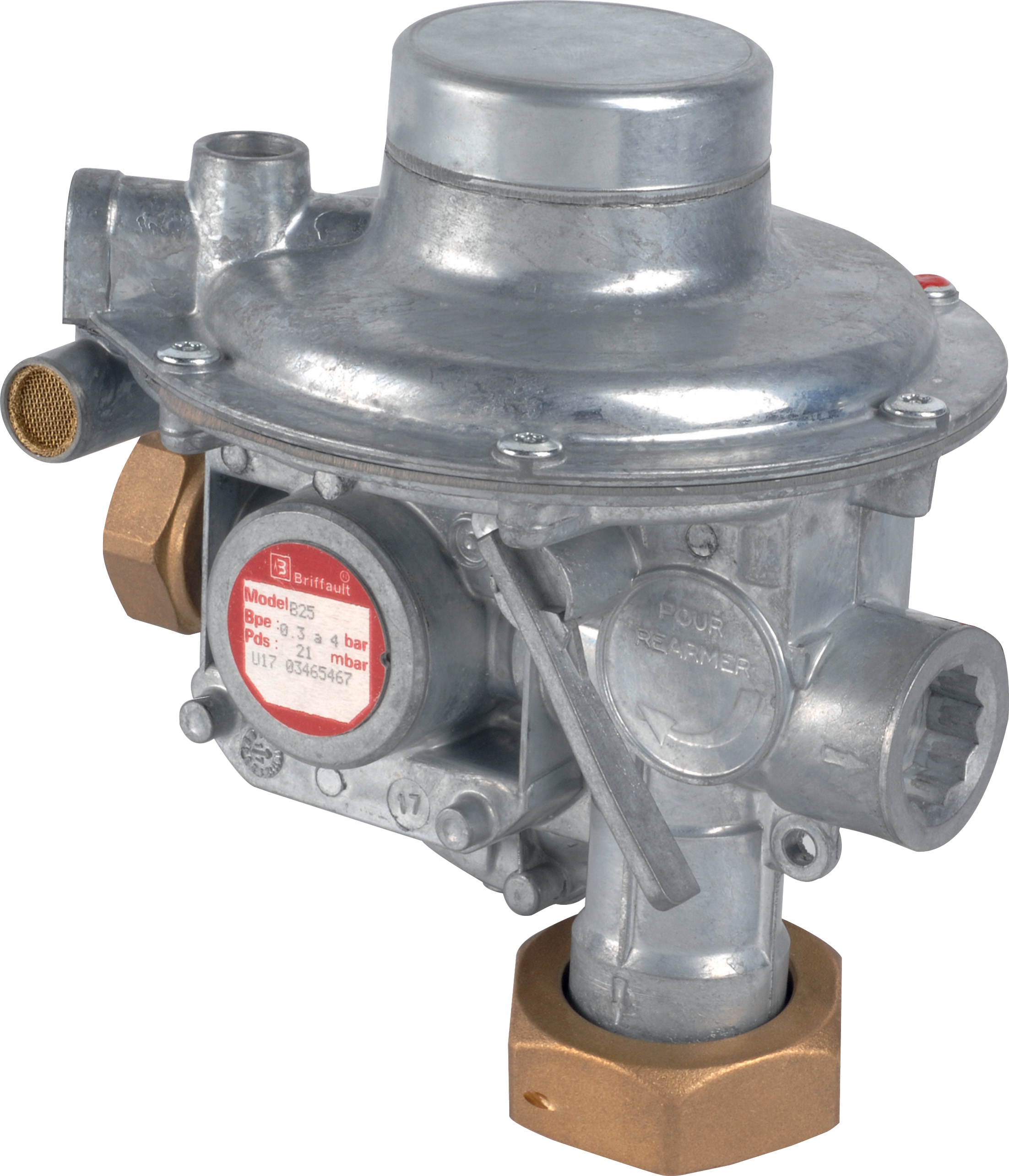
Pressure regulator selection begins with understanding your system's inlet pressure, required outlet pressure, and maximum gas flow demand. Industrial regulators fall into two main categories: self-acting (pilot-operated) and electric modulating types. Self-acting regulators use a spring-loaded diaphragm to maintain outlet pressure without external power, making them ideal for simple gas distribution systems with stable demand. The Francel B25/37mb pressure regulator exemplifies this approach, delivering a fixed 37 mbar outlet pressure with integrated safety relief and a 10 mm vent size. This model suits laboratory gas distribution, small burner applications, and systems where pressure stability within ±10% is acceptable.
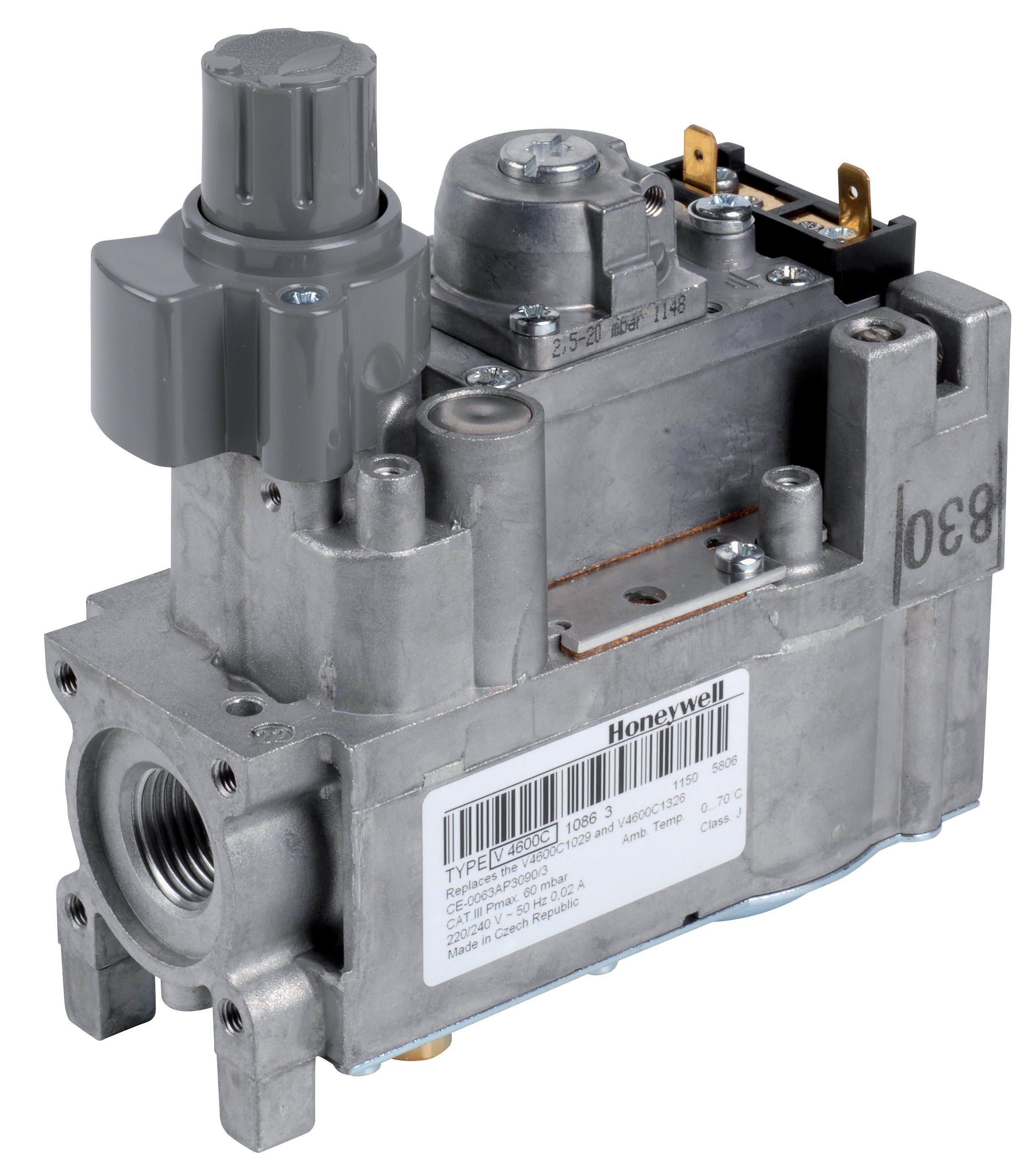
For applications demanding precise pressure control and modulation—such as two-stage burner systems—electric modulating regulators offer superior performance. The Honeywell VK 4105 C 1041 U operates as an electric modulating pressure regulator with feedback control, enabling continuous adjustment across broad pressure ranges. Its M8 x 1 pilot connection and M5 pressure feedback threading allow integration with advanced combustion controls, making it suitable for systems requiring burner output modulation from 20% to 100% capacity.
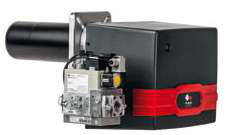
Calculate your maximum flow requirement by summing the gas consumption rates of all connected burners. The FBR GAS XP 60/2 CE TC EVO two-stage burner, for example, consumes 11.6 to 63.3 m³/h depending on load stage, requiring a regulator rated for at least 65 m³/h capacity with minimal pressure drop. FAG pressure regulators and similar industrial-grade units typically specify maximum flow capacity in m³/h (for gases) or kg/h (for vapor-phase fuels). Oversizing the regulator improves stability and extends service life; undersizing causes pressure creep (rising outlet pressure under load) and safety relief venting.
Outlet pressure selection depends on your burner design. Single-stage burners typically operate at 20–50 mbar; dual-stage burners may require 25–75 mbar at low fire and 60–200 mbar at high fire. The FAG pressure regulator covers a 5 to 300 mbar range with threaded D1" connections, providing flexibility across residential to industrial applications. Verify your burner's pressure specification in its commissioning manual before finalizing regulator selection.
Step-by-Step Installation Procedure for Gas Valves and Regulators
Step 1: System Pressure Assessment and Gas Supply Preparation
Before touching any valves or regulators, isolate the gas supply at the main service valve and confirm zero pressure using a calibrated manometer. Test connections with soapy water to verify the entire upstream system is leak-free. Document incoming gas type (natural gas, LPG) and nominal supply pressure—this critical information determines which regulator inlet connection and pressure range you require. For Southeast Asian applications, natural gas typically arrives at 2–4 bar from municipal supplies, while LPG bulk systems may deliver 8–15 bar. If supply pressure exceeds your regulator's inlet rating, install a primary pressure relief valve upstream.
Step 2: Regulator Mounting and Connection Sequence
Mount your pressure regulator on a stable, accessible bracket positioned downstream of the main service valve and upstream of the safety solenoid valve. Ensure the regulator's inlet connection (sphero-conical or flat joint on regulators like the Francel B25/37mb) aligns precisely with the supply pipe thread. Use PTFE or gas-grade sealing tape—wrap five turns clockwise around male threads before insertion. Tighten connections with two wrenches (one holding the regulator body, one rotating the fitting) to prevent cross-threading and body rotation.
Step 3: Solenoid Valve and Control Block Installation
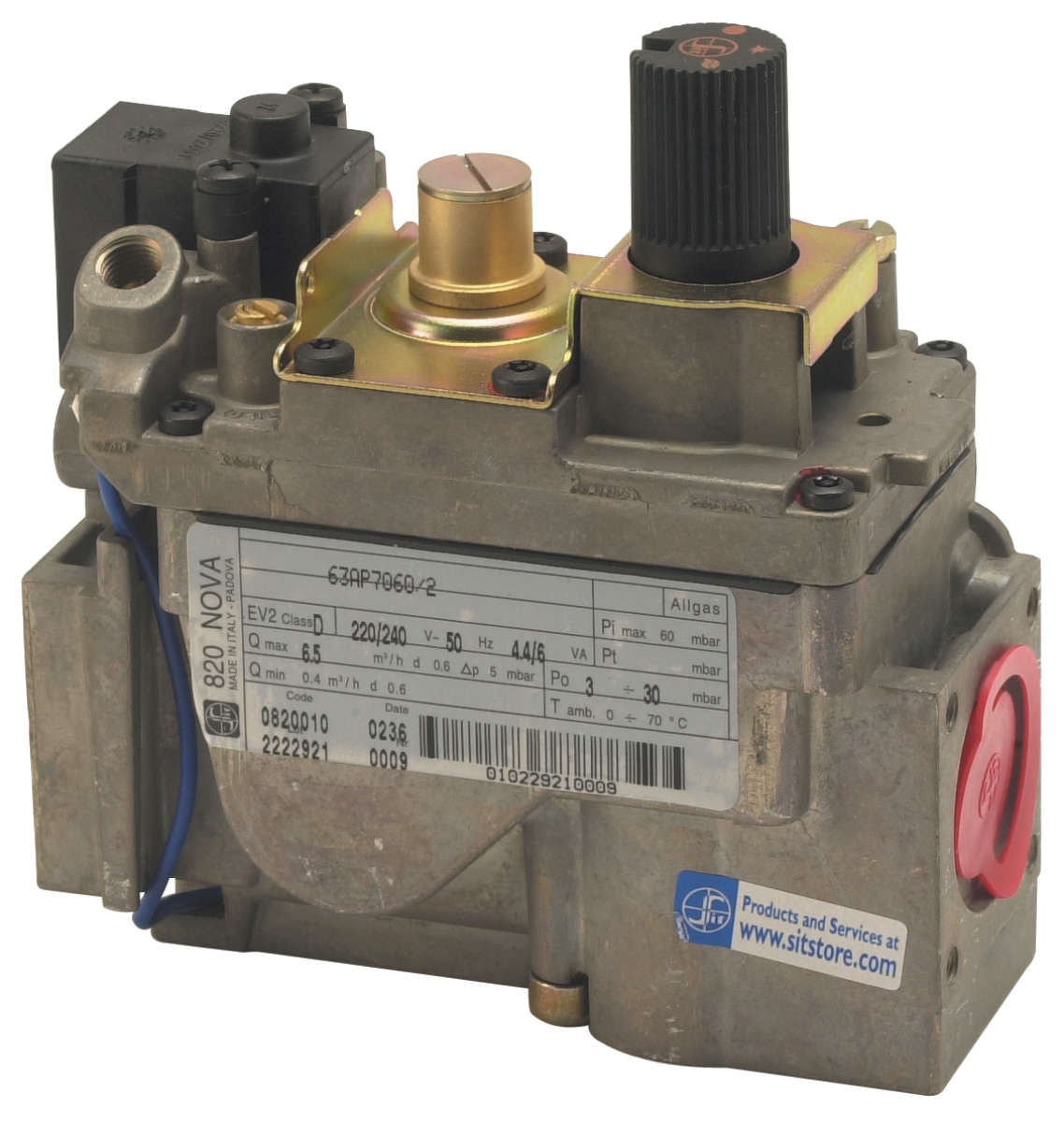
Install safety solenoid shut-off valves immediately downstream of the regulator. The Dungs MVD 515/5 operates at up to 200 bar with sub-1-second opening time and integrated 1 mm filtration, ideal for applications requiring frequent on-off cycling. Position solenoid coils so they face downward (preventing moisture accumulation) and remain accessible for coil replacement. Connect electrical leads to the burner's ignition safety controller, which energizes the solenoid only after successful flame detection. For critical applications, dual-channel safety blocks like the Sit tandem gas block provide redundant shut-off capability: if the primary solenoid valve fails, the secondary valve continues to isolate gas supply.
Step 4: End-of-Stroke Valve Positioning and Adjustment
Install end-of-stroke contact valves on damper or modulation damper actuators to signal mechanical limit detection. The Elektrogas VMM 20-25 rated for 6 bar operates per EN 161 standard with 3 mm Allen wrench adjustment. Position the valve's actuating pin to just contact the damper arm at full-open position. Loosen the adjustment screw by half a turn, then re-tighten until finger-tight plus one-quarter turn. This prevents over-clamping and valve seal damage while ensuring reliable contact detection.
Step 5: Pressure Gauge and Test Point Installation
Install calibrated pressure gauges at the regulator outlet (before the solenoid valve) and at the burner inlet (after all control devices). These gauges allow real-time pressure monitoring and troubleshooting. Mount gauges with ball isolation valves so you can isolate them without system shutdown. Pressure readings should match regulator setpoint ±5 mbar when the burner is idle; during operation, burner inlet pressure should not drop more than 10% from setpoint, indicating acceptable regulator stability and valve flow capacity.
Integration with Industrial Burner Systems and Safety Compliance
Gas regulation systems must integrate seamlessly with burner control logic and safety interlocks. The FBR GAS XP 60/2 CE TC EVO two-stage burner exemplifies modern combustion requirements: it demands staged gas delivery where low-fire consumes 11.6 m³/h and high-fire consumes up to 63.3 m³/h. Your control block must include a low-fire solenoid valve (energized during standby and low-fire operation) and a high-fire valve (energized only when load exceeds 50%). This staged approach improves fuel economy and emissions performance by 15–25% compared to single-stage on-off operation.
Safety integration requires hardwired connections between the burner's flame safeguard controller and your solenoid valves. The logic sequence follows EN 161 guidelines: (1) Initial ignition request energizes the solenoid valve; (2) pilot flame detection within 5 seconds confirms safe ignition; (3) main flame sensor confirms sustained combustion; (4) any flame loss or sensor fault instantly de-energizes solenoids, stopping gas flow within 1 second. Modern burners incorporate redundant flame detection (UV sensor plus thermocouple) to prevent nuisance shutdowns while maintaining maximum safety.
For multi-burner industrial plants, install individual regulation systems per burner cluster rather than attempting to share a single regulator. This approach isolates pressure fluctuations from one burner affecting others and simplifies troubleshooting. Each system should include main service isolation, primary regulator, solenoid safety block, pressure gauges, and automatic drain traps (to remove condensation from pressure lines during cool-down periods).
Selection Criteria and Best Practices for Southeast Asian Industrial Operations
Pressure Rating Matching: Never select a regulator rated below your maximum system pressure. A 200 bar–rated valve like the Dungs MVD 515/5 safely handles municipal gas systems (typically 2–4 bar) with large safety margins. Conversely, a 50 bar regulator will fail or activate its relief valve if accidentally exposed to LPG supply pressure (8–15 bar).
Temperature Compliance: The Dungs MVD 515/5 operates from −15 °C to +60 °C, covering most Southeast Asian climates year-round. However, coastal facilities and high-altitude locations experience temperature extremes; select regulators rated for ±20% broader temperature ranges than your expected operating environment. Temperature effects shift spring-loaded regulator setpoints by approximately 0.5 mbar per degree Celsius.
Flow Capacity Planning: Size your regulator for peak flow demand, not average load. If your maximum simultaneous burner load is 150 m³/h, specify a regulator rated for 180 m³/h minimum. This 20% safety margin ensures outlet pressure remains stable and prevents nuisance relief valve venting during demand spikes.
Maintenance Access: Install ball isolation valves on both sides of your regulator to enable removal and servicing without depressurizing the entire system. Design your piping layout so solenoid coils, pressure gauges, and drain plugs face outward and remain accessible. Cramped installations lead to missed maintenance and undetected leaks.
Redundancy for Critical Applications: High-availability industrial processes (24/7 food processing, pharmaceutical manufacturing) benefit from dual-solenoid safety blocks like the Sit tandem gas block with cross-connection logic: if primary solenoid fails, the secondary valve maintains safe isolation. This approach eliminates unplanned shutdowns from single-component failures.
Certification Compliance: Verify that all components carry relevant certifications. EN 161 certification ensures solenoid valves meet European safety requirements, adopted by most Southeast Asian regulatory bodies. Look for CE marking and third-party inspection certificates in product documentation. Budget an additional 10–15% for certified, tested components versus uncertified alternatives—the insurance and compliance benefits justify the investment.
Troubleshooting Common Installation Issues
Pressure Creep (Rising Outlet Pressure Under Load): This indicates a regulator sized too small for actual demand or an undersized control valve restricting flow. Solution: Measure actual burner gas consumption during operation and specify a larger regulator with higher flow capacity.
Hunting (Pressure Oscillation ±20 mbar): Caused by excessive system volume downstream of the regulator or hunting solenoid cycling. Solution: Install a small accumulator tank (0.5–2 liters) downstream of the regulator to dampen pressure spikes and stabilize control loop response.
Solenoid Valve Coil Burnout: Results from sustained voltage overage (>110% rated voltage) or coil immersion in condensation. Solution: Verify your electrical supply ±10% of rated coil voltage, install pressure line drains to remove water, and ensure coils face downward with rain covers in outdoor installations.
Sluggish Valve Response (>2 second opening delay): Indicates sediment accumulation in valve passages or pilot pressure lines. Solution: Install 10–20 micron gas filters upstream of solenoid valves and flush all pilot lines with clean, dry nitrogen before commissioning.
Closing Recommendations and Next Steps
Gas valve and regulator selection and installation represents a critical intersection of safety, efficiency, and regulatory compliance in Southeast Asian industrial operations. The products available through 3G Electric—including the Francel B25/37mb regulator, Dungs MVD 515/5 control valve, Elektrogas VMM 20-25 contact valve, and FBR GAS XP 60/2 CE TC EVO burner—represent tested, certified solutions designed for the pressure, flow, and environmental demands of modern industrial combustion.
This guide provides the technical framework for informed selection and safe installation. However, every application carries unique specifications: inlet pressure, flow demand, temperature extremes, and safety redundancy requirements vary significantly between facilities. Before finalizing your component list or beginning installation, consult with 3G Electric's technical team to validate your design against local building codes, gas supply specifications, and burner commissioning requirements. Our industrial equipment specialists can recommend optimized valve configurations, provide pressure loss calculations, and ensure your system integrates seamlessly with existing control architecture.
Contact 3G Electric today for a complimentary system review and technical specification support. Our team has served industrial customers across Southeast Asia since 1990, and we're ready to ensure your gas valve and regulation system performs safely and efficiently for decades to come.