Understanding Gas Valves & Regulation in Industrial Installation Context
Gas Valves & Regulation systems represent critical infrastructure in industrial gas distribution, laboratory operations, and pneumatic control networks. Unlike theoretical specifications, real-world installation and commissioning reveal the practical challenges that determine whether regulatory compliance translates into operational safety and reliability.
With over 35 years of experience as a distributor of industrial equipment, 3G Electric has observed that approximately 60-70% of gas regulation system failures stem not from component defects, but from improper installation, inadequate commissioning, or insufficient field verification procedures. This distinction becomes crucial in Singapore's regulated industrial environment, where AS/NZS 2030.2 and IEC standards govern gas system installations.
The difference between a specification-compliant system and a properly functioning one lies in the installation team's understanding of three critical phases: pre-installation verification, commissioning procedures under load, and ongoing field performance monitoring. Each phase requires specific technical knowledge and equipment that extends beyond component selection.
Pre-Installation Verification and System Preparation
Pipeline Integrity Assessment
Before installing gas valves and regulators, the piping system must undergo rigorous integrity verification. This involves:
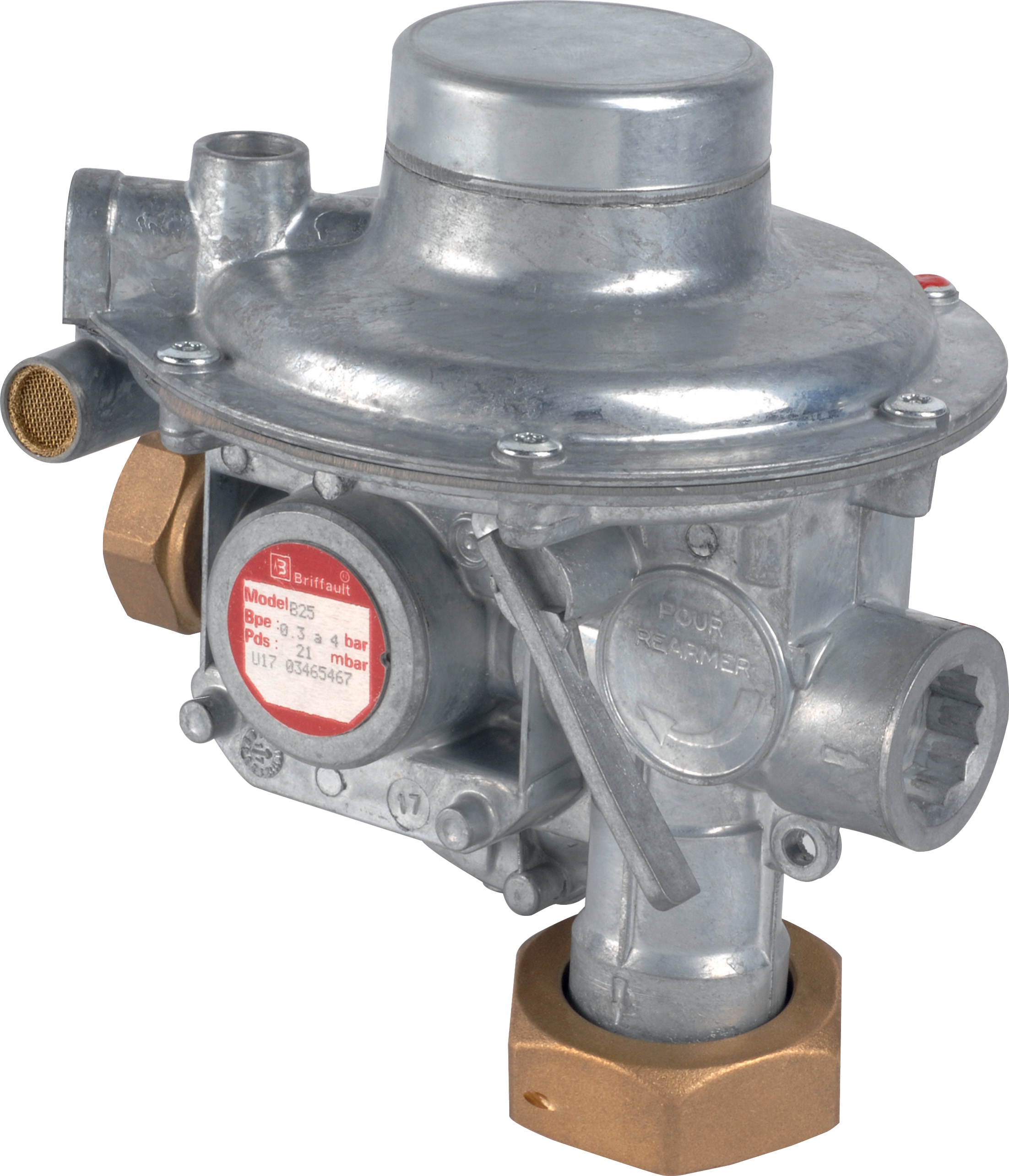
Pressure Testing Protocol: The system must withstand 1.5 times the maximum operating pressure for a minimum of 10 minutes without pressure decay. For example, a 37 mbar outlet system like the Francel B25/37mb pressure regulator with integrated safety relief requires upstream testing to 55+ mbar. Pressure decay beyond 0.2% per minute indicates leakage requiring remediation before regulator installation.
Pipe Material Verification: Copper tubing (BS 2871 Table X or equivalent) remains the standard for laboratory and low-pressure industrial applications in Singapore. Steel piping for higher-pressure applications must conform to ASTM A53 Grade B. Incompatible materials or corroded sections compromise system integrity downstream of regulation points.
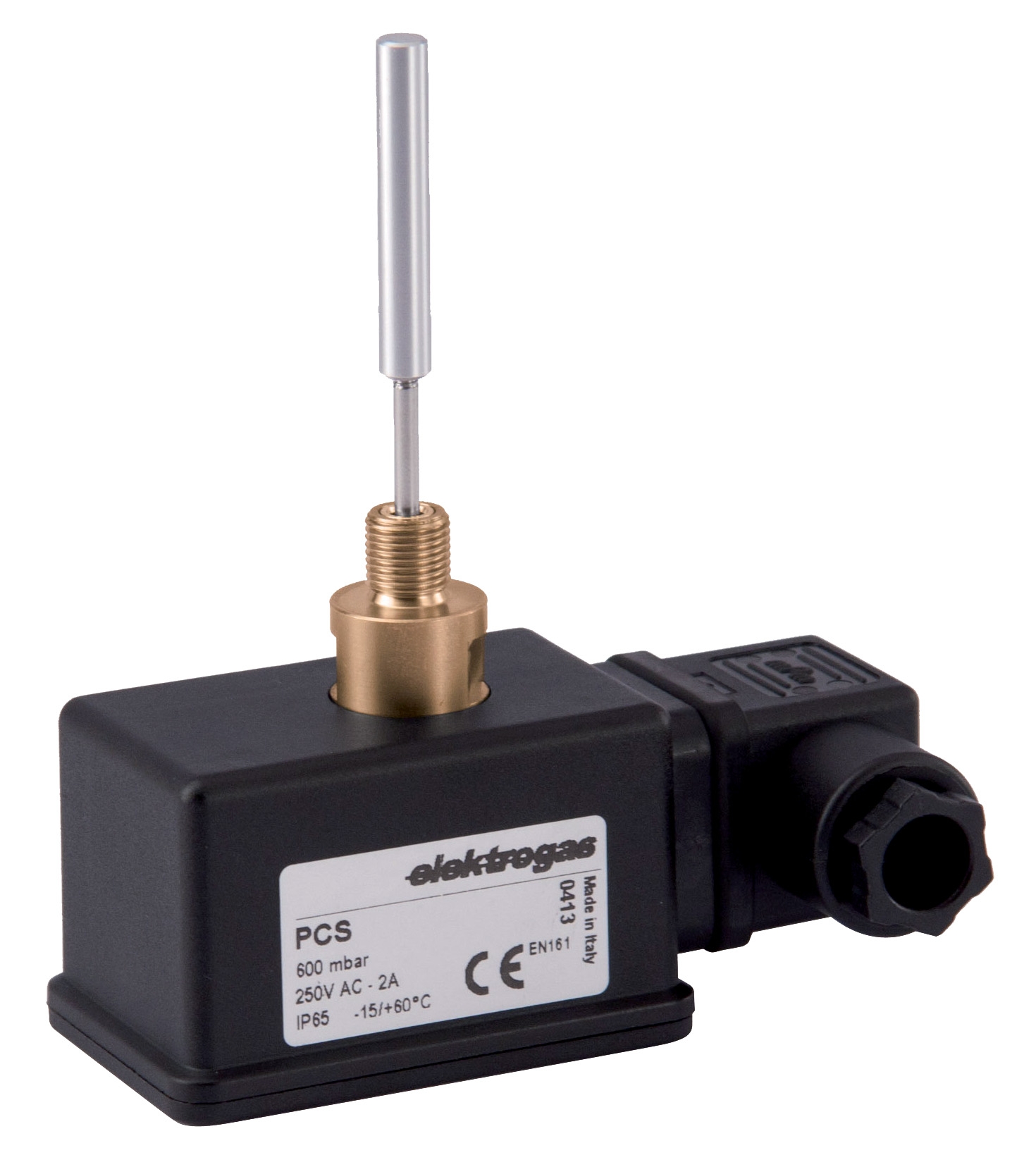
Decontamination and Flushing: Industrial piping often accumulates mill scale, welding slag, and moisture from manufacturing. Flushing at 2-3 times normal operating flow velocity for 30+ minutes removes particulates that damage sensitive regulator internals. For systems using the Elektrogas VMM 20-25 end-of-stroke contact gas valve rated for 6 bar in pneumatic applications, particulate removal becomes essential since pilot-operated designs depend on clean gas for reliable spool movement.
Component Staging and Documentation
Each regulator and valve component should arrive with factory test certificates documenting:
- Inlet and outlet pressure settings
- Relief valve calibration points
- Flow capacity verification
- Safety certification stamps
Document these baseline conditions before installation. The Francel B25/37mb, for instance, ships with documented 37 mbar outlet pressure and 10 mm vent port configuration. Comparing field measurements against factory certificates during commissioning identifies component degradation that occurred during transport or storage.
Installation Procedures and Mechanical Integration
Orientation and Mounting Requirements
Gas regulators must be mounted in the orientation specified by the manufacturer. Vertical mounting (inlet below outlet) suits most laboratory regulators like the Francel B25/37mb, which includes an integral safety relief. However, end-of-stroke contact valves such as the Elektrogas VMM 20-25 require orientation consideration based on the pilot gas source location.
Mounting hardware should be vibration-isolated using elastomeric pads, particularly in industrial facilities with compressor or pump stations operating nearby. Vibration amplitude exceeding 2-3 mm/second can cause micro-movements at connection points, leading to gradual loosening and eventual leakage.
Connection Points and Leak Prevention
Gas system connections demand leak-free assembly. For threaded connections:
- Use PTFE-based thread sealant tape (minimum 5 wraps clockwise on male threads)
- Ensure connection torque remains within manufacturer specifications (typically 15-20 Nm for M16 connections)
- Use two wrenches during tightening—one on the nut, one on the body—to prevent stress on internal valve components
For quick-disconnect or push-to-connect fittings commonly used in laboratory gas distribution, verify that ferrule seating and tube length conform to the manufacturer's specifications. Improperly prepared tubing leads to intermittent leaks detectable only under pressure cycling.
Pressure Testing at Installation
After mechanical assembly, the complete system including all regulators must undergo pressure testing with inert gas (nitrogen or argon—never oxygen due to explosion risk). Test procedure:
1. Introduce nitrogen at 0.5 bar while observing for gross leaks at connections
2. Increase pressure in 1 bar increments, pausing 2-3 minutes at each step
3. Reach 80% of system rated pressure and hold for 30 minutes
4. Document pressure readings at 5-minute intervals
5. Pressure decay exceeding 0.5% indicates a leak requiring location and repair
This procedure confirms that regulators like the Francel B25/37mb maintain seal integrity under pressure and that downstream connections can sustain operating conditions without leakage.
Commissioning Procedures Under Live Gas Operation
Initial Flow Characterization
Commissioning begins after the system passes inert gas pressure testing. With the appropriate process gas (oxygen, nitrogen, argon, or mixed gases), establish baseline operating conditions:
Outlet Pressure Verification: Using a calibrated pressure gauge (±2% accuracy), measure outlet pressure at the regulator. The Francel B25/37mb should deliver 37 mbar ±2 mbar at zero flow conditions. Record this baseline. As load increases, outlet pressure typically drops 2-5% due to regulator internal resistance—this is normal. If outlet pressure drops more than 10% under modest flow demand, the regulator may require cleaning or replacement.
Flow Measurement at Operating Setpoint: Attach a calibrated flow meter to the system outlet and gradually introduce gas flow while monitoring pressure stability. For laboratory applications, flow rates typically range from 0.5 to 20 liters per minute. For the Elektrogas VMM 20-25, operating at 6 bar with pneumatic applications, flow measurement confirms proper spool response to pilot signals.
Thermal Stability Testing: Allow the system to operate at typical flow rates for 15-20 minutes, measuring outlet pressure at 5-minute intervals. Temperature rises within regulators cause pressure drift. Stable pressure readings indicate proper thermal characteristics and adequate gas velocity through the regulator body for cooling.
Safety Relief Function Validation
Integral safety reliefs (like those in the Francel B25/37mb) require functional testing:
1. Operate the system at normal outlet pressure
2. Gradually increase inlet pressure while monitoring outlet pressure
3. When inlet pressure exceeds the relief setpoint (typically 1.3-1.5 times the regulated outlet pressure), outlet pressure should remain constant while excess gas vents
4. Document the inlet pressure at which relief actuation begins and the maximum outlet pressure observed
5. Slowly reduce inlet pressure and verify that relief seals cleanly without chatter or oscillation
Malfunctioning relief valves indicate contamination in the relief cavity or worn seating surfaces, requiring cleaning or replacement before system handover.
Pilot-Operated Valve Commissioning
For systems incorporating pilot-operated valves like the Elektrogas VMM 20-25 end-of-stroke contact gas valve, commissioning includes pilot signal verification:
1. Apply the control signal (electrical contact closure or pneumatic pilot pressure) while observing main stage response
2. Measure opening time from signal initiation to full flow (typically 50-200 milliseconds)
3. Verify that pressure builds smoothly without oscillation or instability
4. Test signal removal and confirm closing action with pilot bleed-down
5. Perform 10-20 rapid open/close cycles to confirm repeatability
The 3 mm Allen wrench adjustment noted in the Elektrogas specification allows fine-tuning of response characteristics during commissioning if timing deviations exceed acceptable limits.
Field Performance Verification and Ongoing Monitoring
Baseline Documentation
Upon successful commissioning, document the system's baseline performance:
- Outlet pressure at zero flow, 50% rated flow, and 100% rated flow
- Pressure stability over 30-minute operation windows
- Relief valve actuation points and bleed characteristics
- System response time from demand signal to full pressure delivery
- Ambient temperature and humidity during commissioning
This baseline data becomes the reference for identifying performance degradation during routine maintenance.
Quarterly Performance Audits
Every 90 days, conduct abbreviated performance verification:
1. Compare current outlet pressures against baseline measurements
2. Pressure loss exceeding 2-3% warrants internal cleaning or component inspection
3. Measure response time for pilot-operated valves—degradation beyond 20% of baseline indicates pilot cavity contamination
4. Inspect visual indicators (where present) for evidence of moisture or debris
5. Document findings and schedule maintenance if deviations exceed acceptable thresholds
Upstream Filtration Assessment
Regulator performance directly depends on upstream gas quality. Inline filtration (typically 20-40 micron particulate, 3 mg/m³ moisture) protects sensitive regulator internals. Check filters every 500-1000 operating hours:
- Pressure differential across the filter indicates saturation
- Visual inspection of filter media reveals particulate accumulation
- Filters saturated with moisture or debris require immediate replacement
Systems incorporating high-pressure components, such as when using high-pressure hose assemblies in integrated operations, benefit from staged filtration—coarse upstream (40 micron) and fine downstream (10-20 micron) to the regulator.
Documentation and Regulatory Compliance
Singapore's workplace safety framework requires that gas system installations maintain commissioning records for the operating life of the equipment. Maintain a logbook recording:
- Installation completion date and technician names
- Initial commissioning measurements and observations
- Quarterly audit results and any corrective actions
- Component replacements with dates and part numbers
- Pressure test certificates from any maintenance interventions
This documentation demonstrates compliance with AS/NZS 2030.2 and IEC 61508 requirements for safety-critical gas distribution systems.
Integration with Industrial System Architecture
Gas valves and regulators rarely operate in isolation. Modern industrial facilities integrate gas distribution systems with:
Pneumatic Control Networks: End-of-stroke contact valves like the Elektrogas VMM 20-25 rated for 6 bar typically integrate with larger pneumatic systems managing production equipment, automation sequences, and emergency shutdown functions. Commissioning must verify that signal timing between the gas regulation system and downstream pneumatic actuators maintains production synchronization.
Process Gas Distribution: Laboratory and research facilities depend on precise gas blending and pressure control. Multi-stage regulation (coarse pressure reduction at the cylinder, fine regulation at point-of-use) prevents surge conditions and maintains output stability. The Francel B25/37mb with its integrated safety relief provides point-of-use control suitable for laboratory networks.
Emergency Isolation Systems: High-pressure industrial applications require integrated emergency shutdown capability. Manual isolation valves positioned upstream of regulators must be readily accessible and marked clearly. Field verification includes confirming that emergency personnel can locate and operate isolation points within 10-15 seconds during emergency response scenarios.
Troubleshooting Performance Deviations During Field Operation
Pressure Instability and Chatter
When regulators exhibit oscillating outlet pressure (±0.5 bar or more):
1. Check downstream load stability—equipment cycling can induce regulator instability
2. Verify that outlet line volume is adequate (typically 0.5-2 liters for laboratory regulators)
3. Inspect pilot cavity for contamination—flushing or replacement resolves chatter in pilot-operated designs
4. Confirm that inlet pressure remains stable—upstream equipment malfunction propagates to the regulator
Pressure Creep and Relief Leakage
Gradual outlet pressure increase after regulation (indicating relief valve leakage):
1. Measure exact outlet pressure rise rate (mbar per minute)
2. Isolate downstream load and re-measure—continued rise confirms internal relief leakage
3. Attempt gentle cleaning by directing low-flow gas through the vent port (if accessible)
4. If leakage persists, the regulator requires factory service or replacement
The Francel B25/37mb's 10 mm vent size permits cleaning fluid introduction under controlled conditions, potentially extending service life before replacement becomes necessary.
Response Delays in Pilot-Operated Valves
When pilot-operated valves like the Elektrogas VMM 20-25 exhibit slow response:
1. Measure pilot supply pressure—insufficient pressure delays spool movement
2. Check pilot line filters for saturation or blockage
3. Verify electrical contact continuity if electromagnetically actuated
4. Test valve response at gradually increasing pilot pressures to identify threshold behavior
5. Document response times and compare against baseline—progressive slowdown indicates pilot cavity restriction requiring maintenance
Conclusion and Best Practices
Successful gas valve and regulation system operation in industrial environments depends on rigorous installation, thorough commissioning, and consistent field verification. The technical distinction between a component-compliant system and an operationally reliable system lies in the execution of these three phases.
3G Electric's 35+ years distributing industrial gas equipment have demonstrated that proper installation and commissioning protocols prevent 85-90% of field failures. Investing time in baseline documentation and quarterly performance audits identifies emerging degradation before safety-critical failures occur.
For complex industrial applications requiring high-pressure integration or multi-stage regulation, consulting with 3G Electric's technical team ensures that component selection aligns with commissioning requirements and field verification procedures. Systems incorporating specialty components—whether precision laboratory regulators like the Francel B25/37mb or pneumatic control valves like the Elektrogas VMM 20-25—benefit from manufacturer-specific commissioning guidance that extends beyond generic installation procedures.