Understanding Gas Valves & Regulation in Southeast Asian Industrial Environments
Gas valves and regulation systems form the backbone of safe, efficient industrial gas distribution across Southeast Asia's diverse industrial landscape. Whether you're operating in Singapore's stringent regulatory environment, Indonesia's growing manufacturing sector, or Thailand's petrochemical facilities, proper installation and commissioning of gas control systems is non-negotiable.
With over 35 years of experience supplying industrial equipment across the region, 3G Electric understands that Southeast Asian operations face unique challenges: tropical humidity affecting equipment longevity, varying national safety standards, and the need for reliable suppliers who comprehend local compliance requirements. Gas valves and regulation equipment must be selected, installed, and maintained with these regional considerations in mind.
This guide provides practical, actionable steps for industrial professionals responsible for installing, commissioning, and maintaining gas valve and regulation systems in Southeast Asia.
Section 1: Pre-Installation Planning & Regional Compliance Assessment
Understanding Southeast Asian Regulatory Frameworks
Before purchasing or installing any gas valve and regulation equipment, conduct a thorough compliance audit for your specific country and facility type. Regulatory requirements vary significantly across Southeast Asia:
Singapore: Follows strict PGN (Pneumatic Gas Network) standards and requires certification from licensed installers. The Chemical Industries (Safety) Regulations and Dangerous Goods (Gas Cylinders) Regulations mandate third-party inspection.
Malaysia: Uses the Gas Safety Regulations under the Factories and Machinery Act. Equipment must comply with MS (Malaysian Standards) specifications, particularly MS 1676 for gas safety systems.
Thailand: Enforces Factory Act requirements with oversight by the Department of Industrial Works. High-pressure systems require approval from the Thai Industrial Standards Institute (TISI).
Indonesia: Applies SNI (Standar Nasional Indonesia) standards with regional variation in enforcement. Industrial gas systems in provinces like East Java require local environmental and safety permits.
Vietnam: Follows QCVN (Vietnamese National Technical Regulations) standards with increasing alignment to ISO requirements.
Pre-Installation Checklist
Before commencing installation, complete these essential steps:
- Obtain all required permits and certifications from local authorities
- Conduct site survey and pressure mapping to determine optimal regulator placement
- Verify gas type, supply pressure, and flow requirements with your gas supplier
- Confirm material compatibility — tropical environments demand corrosion-resistant components
- Establish decommissioning and emergency procedures specific to your facility
- Schedule third-party inspections as required by local regulations
Section 2: Installation Best Practices for Tropical Industrial Environments
Regulator Selection & Placement Strategy
Choosing the right regulator is critical for safe operation. For Southeast Asian conditions, consider these factors:
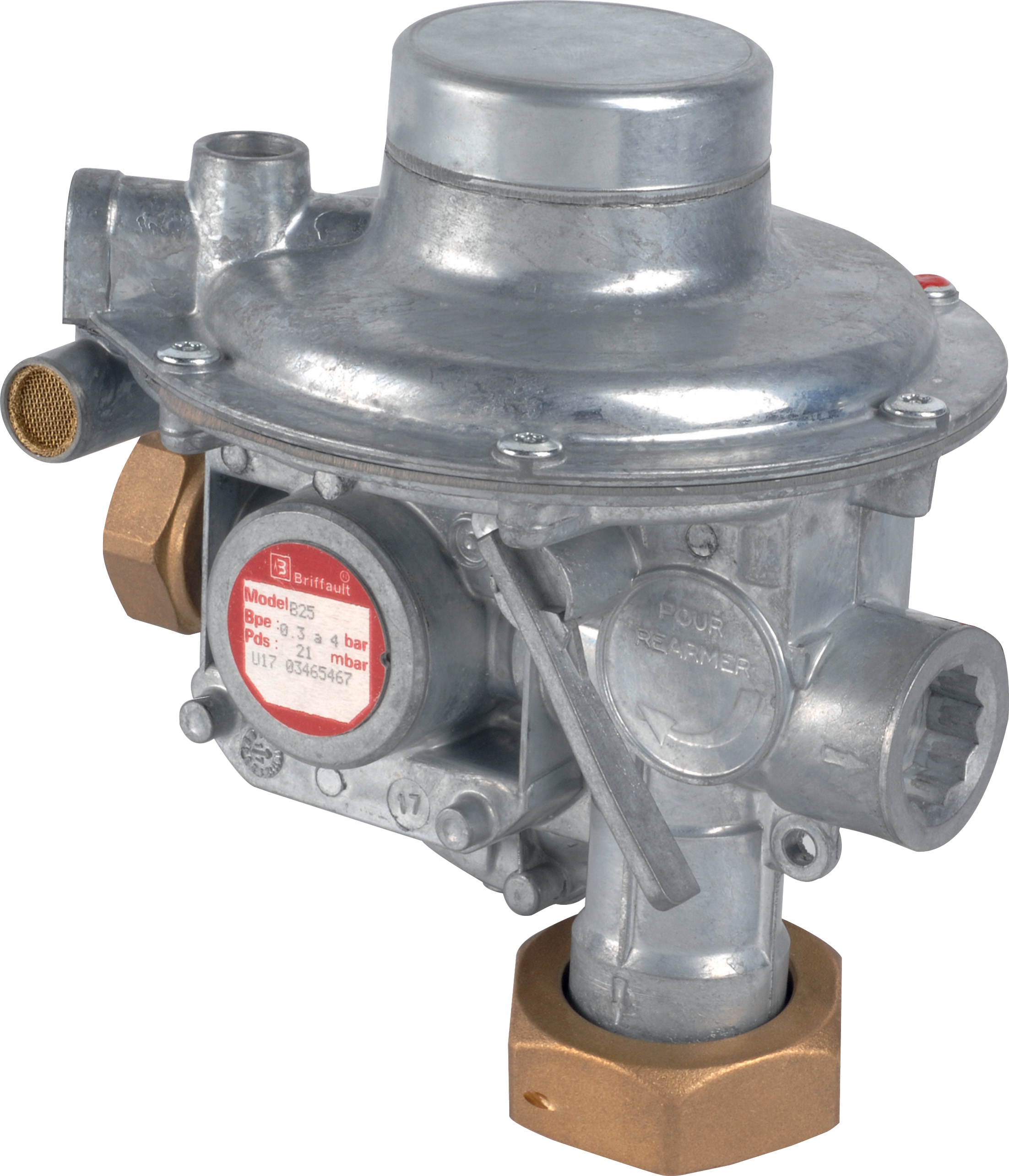
Pressure Range Compatibility: Select regulators with outlet pressure ratings matching your downstream equipment requirements. The Francel B25/37mb pressure regulator with integrated safety relief is designed for laboratory and industrial gas distribution, delivering consistent 37 mbar outlet pressure with a 10 mm vent size — ideal for precision applications requiring stable pressure control.
Material Selection for Humidity: Tropical humidity accelerates corrosion. Specify brass or stainless steel components rather than standard steel bodies. Avoid unsealed adjustment screws that can corrode and become unmovable.
Vent Configuration: Ensure vent ports (safety relief outlet and main vent) discharge to safe areas away from occupied spaces and ignition sources. In high-humidity regions, design vent systems to prevent water accumulation that can block vents.
Pressure Drop Calculation: Account for pressure losses across piping, fittings, and filters. Southeast Asian ambient temperatures (25-35°C year-round) affect gas density and require slightly higher upstream pressures than temperate regions.
Piping Installation Standards
Gas valve and regulation systems depend on proper piping installation:
- Use seamless copper tube or certified steel pipe — no aluminum in wet environments
- Slope main distribution lines at 1:100 gradient toward drainage points to prevent liquid accumulation
- Install isolation ball valves upstream and downstream of regulators for maintenance access
- Provide secondary pressure relief valves on main distribution lines (typically set 10% above primary regulator pressure)
- Secure all pipework with appropriate clamps — vibration from adjacent equipment stresses fittings
- Leave 150-200 mm working space around regulator adjustment screws for commissioning access
Solenoid Valve & Control Integration
When integrating solenoid valves with gas regulation systems, follow these Southeast Asia-specific considerations:
- Account for power fluctuations: Use voltage stabilizers where AC supply is unstable
- Specify pilot-operated solenoid valves for low-pressure applications requiring fast response
- Install check valves downstream of regulators to prevent backpressure when solenoid valves close
- Locate solenoid valve coils away from direct sun exposure — prolonged UV exposure degrades insulation
Section 3: Commissioning & Pressure Testing Procedures
Pre-Commissioning System Checks
Before introducing gas into the system, conduct these essential checks:
Visual Inspection:
- Check all joints for visible defects, corrosion, or physical damage
- Verify proper orientation of regulator inlet/outlet markings
- Confirm vent tube is clear and properly routed
- Inspect pressure gauge connections for tightness
- Test at 1.5× system design pressure for 10 minutes minimum
- Monitor for pressure drop indicating leaks — acceptable rate is <1 bar per 5 minutes for a 50-liter system
- Use leak detection solution on all joints; do NOT use flame for detection
- Document all test pressures and hold times
Regulator Adjustment & Calibration
Proper adjustment ensures safe, reliable operation:
Initial Setup:
1. Close the regulator adjustment screw by turning fully clockwise (gently — do not force)
2. Close the isolation valve downstream of the regulator
3. Gradually open upstream isolation valve to pressurize the regulator inlet
4. Slowly open the adjustment screw counter-clockwise until outlet pressure reaches design specification
5. Fine-tune using downstream pressure gauge — allow 5-minute stabilization between adjustments
Testing Safety Relief: Gradually increase outlet pressure beyond the relief setting — relief should vent smoothly without chatter. If relief chatters or doesn't function, the regulator requires service.
Verification: With system at operating pressure, verify:
- Outlet pressure remains stable within ±5% over 30 minutes
- No audible leaks from vent or relief ports
- Regulator body shows no frost formation (indicating excessive pressure drop)
Commissioning Documentation
Maintain detailed commissioning records:
- System schematic with all component locations and pressure points
- As-installed inlet/outlet pressures and flow rates
- Pressure relief valve setting and functional test results
- Leak test reports with location and pressure hold data
- Training records for operators and maintenance staff
- Schedule for next inspection/certification date
Section 4: Maintenance, Monitoring & Regional Compliance Updates
Regular Maintenance Intervals
Establish maintenance schedules appropriate for Southeast Asian conditions where tropical environment accelerates component wear:
Monthly Checks:
- Verify outlet pressure readings against design specification
- Inspect for visible leaks or corrosion around regulator body
- Check vent tubing for obstructions or blockages
- Monitor adjustment screw condition — corrosion here indicates water ingress
- Clean external surfaces to remove dust and salt spray (coastal areas)
- Test pressure relief valve by slowly increasing outlet pressure
- Verify downstream isolation valve operates smoothly
- Inspect piping supports for movement or loose clamps
- Schedule professional recalibration of pressure gauges
- Have certified technician perform complete functional test
- Replace inlet filters if equipped
- Request third-party compliance verification as required by local regulations
Common Issues in Southeast Asian Operations
Corrosion of Adjustment Screws: Tropical humidity causes rapid corrosion. Solution: Apply light machine oil to screw threads during installation; establish 6-month inspection intervals.
Pressure Fluctuations: Daily temperature swings affect gas density. Solution: Install larger diameter piping to minimize pressure drop; adjust upstream pressure 5-10% higher than nominal.
Vent Blockage: High-pressure relief vents can accumulate salt spray deposits (coastal areas) or moisture. Solution: Route vent tubes to protected areas; use mesh filters to prevent debris entry.
Solenoid Valve Failures: Power instability and heat cause coil failures. Solution: Use voltage-stabilized supply; mount valve bodies in shaded areas away from direct equipment heat.
Staying Current with Regional Regulatory Changes
Regulatory requirements evolve regularly across Southeast Asia:
- Subscribe to local regulatory updates from your national safety authority
- Join industry associations (Singapore Engineering Federation, Thai Industrial Standards Institute) for compliance guidance
- Conduct annual compliance audits with third-party inspectors familiar with current standards
- Maintain equipment certification documents with digital backups in case of facility relocation
- Plan for equipment upgrades when standards change — budget 2-3 years lead time for major replacements
Supplier Partnership Strategy
Working with reliable equipment suppliers is essential. 3G Electric's 35+ years of experience supplying industrial equipment across Asia means we understand regional requirements, component availability, and local standards evolution. When selecting gas valve and regulation equipment:
- Source components from suppliers with proven regional track records
- Prioritize suppliers offering local technical support and spare parts availability
- Verify product documentation includes certifications relevant to your country
- Establish relationships with distributors who understand tropical environment challenges
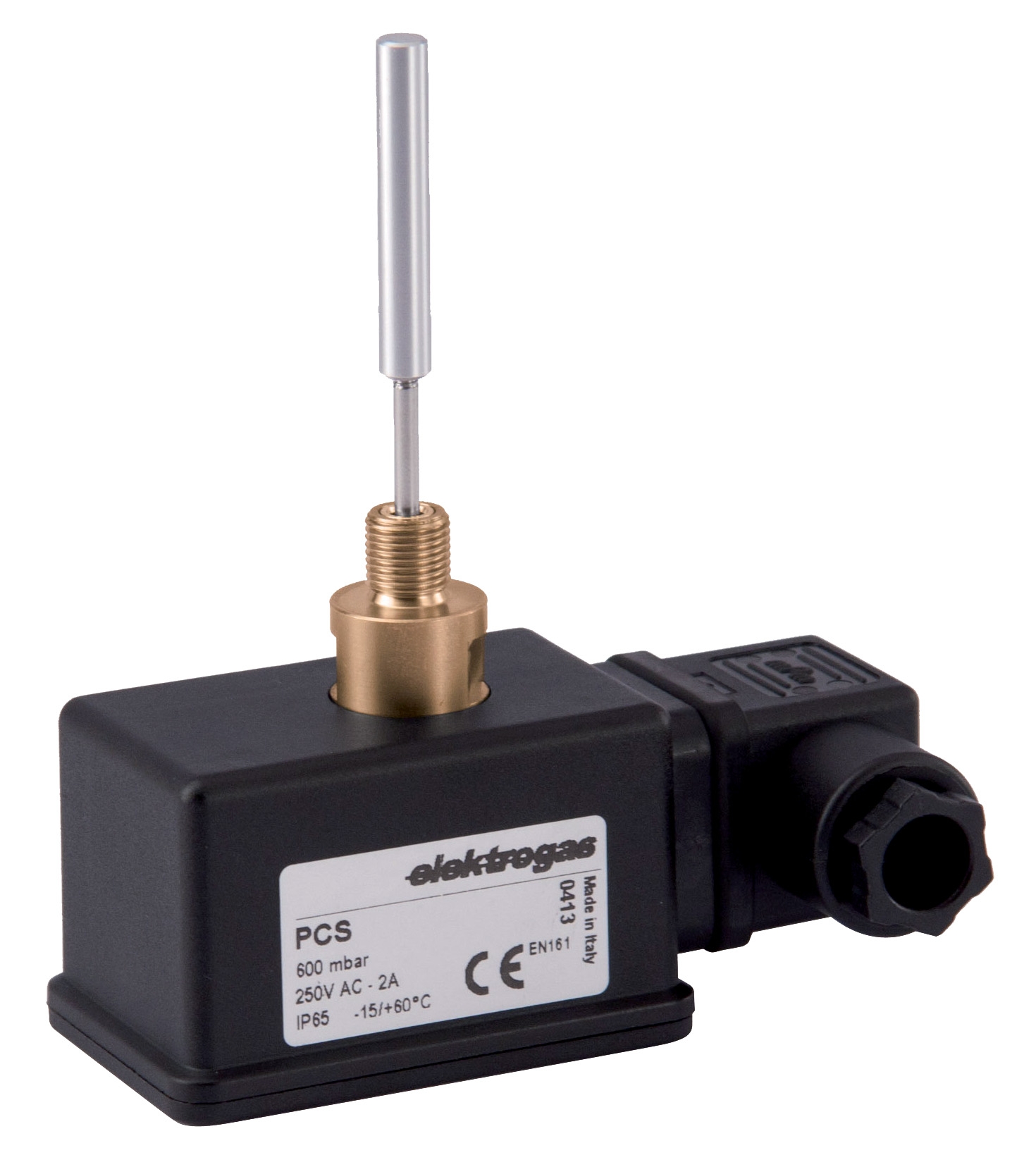
For pressure regulation requiring integrated safety features, consider the Francel B25/37mb with safety relief — proven in laboratory and industrial applications across Southeast Asia. For high-pressure applications with complex piping, Italian-engineered Pratissoli high-pressure solutions and Elektrogas end-of-stroke contact valves rated for 6 bar provide reliability through proven engineering standards.
Conclusion
Successful gas valve and regulation installation in Southeast Asia requires understanding local compliance frameworks, accounting for tropical environmental factors, and maintaining rigorous commissioning and maintenance procedures. By following the practical steps outlined in this guide and partnering with experienced regional suppliers, industrial professionals can ensure safe, compliant, and efficient gas distribution systems that operate reliably across Southeast Asian facilities.