Understanding Gas Valves & Regulation in Tropical Climates
Gas valves & regulation systems operate under demanding conditions in Singapore's industrial sector, where high humidity, temperature fluctuations, and salt-laden air create an accelerated degradation environment. Unlike temperate regions, tropical conditions in Singapore compress maintenance cycles and increase the risk of corrosion, seal degradation, and pressure inconsistency. Drawing on 35+ years of experience distributing industrial equipment across Southeast Asia, 3G Electric has identified that understanding failure mechanisms specific to tropical environments is essential for maintaining reliable gas distribution systems.
The combination of 80–90% relative humidity with temperatures exceeding 32°C creates conditions that attack exposed metal components, degrade elastomer seals, and promote moisture ingress into valve cavities. Industrial facilities relying on gas regulation for burners, laboratory applications, and pneumatic control systems must adopt maintenance protocols that address these regional challenges. This guide provides industrial professionals with actionable troubleshooting frameworks and preventive strategies based on real-world failure patterns observed across Singapore's manufacturing, petrochemical, and food processing sectors.
Diagnosing Common Gas Valve Failures in High-Humidity Environments
Pressure Instability and Drift
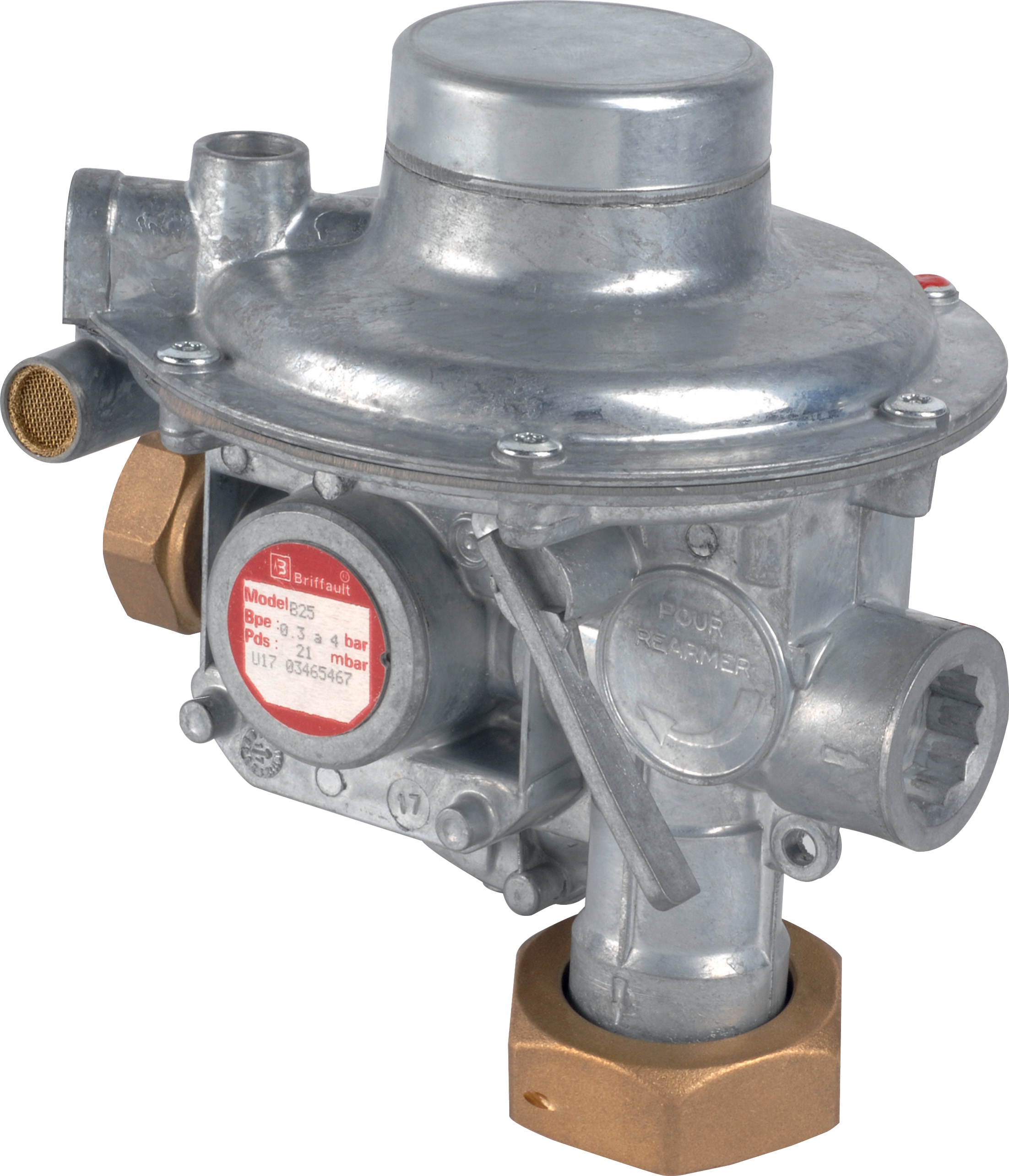
One of the most frequently encountered failures in tropical gas regulation systems is pressure creep—gradual increases or decreases in outlet pressure over days or weeks. This occurs when moisture penetrates the diaphragm chamber of pressure regulators, causing the elastomer to swell or the spring mechanism to lose tension. The Francel B25/37mb with integrated safety relief is engineered to manage 37 mbar outlet pressure with a 10 mm vent size, but performance degradation occurs when moisture accumulates in the vent line.
Diagnostic steps:
- Install a calibrated pressure gauge at the outlet and record readings every 4 hours over a 48-hour period
- Compare readings to the regulator's nameplate specification (typically ±2% tolerance)
- If drift exceeds 5%, suspect diaphragm deterioration or vent blockage from salt spray residue
- Check the 10 mm vent for crystallized salt deposits—a common failure mode in coastal facilities
Tropical humidity causes hygroscopic materials to absorb moisture, which destabilizes the spring compression that maintains consistent outlet pressure. Regular vent line inspection and replacement every 6–12 months in coastal zones is essential.
Seal Degradation and Internal Leakage
Ethylene propylene diene monomer (EPDM) seals, commonly used in gas regulators, begin losing elasticity above 60% relative humidity. In Singapore's environment, EPDM seals can degrade 40–60% faster than in air-conditioned environments. This manifests as downstream pressure loss (outlet pressure dropping when demand increases) or audible hissing from the regulator body.
Diagnostic procedure:
- Isolate the regulator by closing block valves on inlet and outlet sides
- Connect a soapy water solution to the outlet and observe for bubble formation over 5 minutes
- Bubbles indicate internal seat leakage; the valve requires seal replacement
- Document the regulator's ambient installation temperature (not just facility setpoint); regulators installed in outdoor enclosures or near furnaces experience accelerated seal aging
Proactive seal replacement intervals should be reduced to 18–24 months for regulators in non-climate-controlled spaces. For applications requiring high reliability, specify regulators with fluorocarbon (FKM/Viton®) seals, which maintain elasticity in tropical conditions 30% longer than EPDM alternatives.
Gas Valve Control Failures: End-of-Stroke Contacts
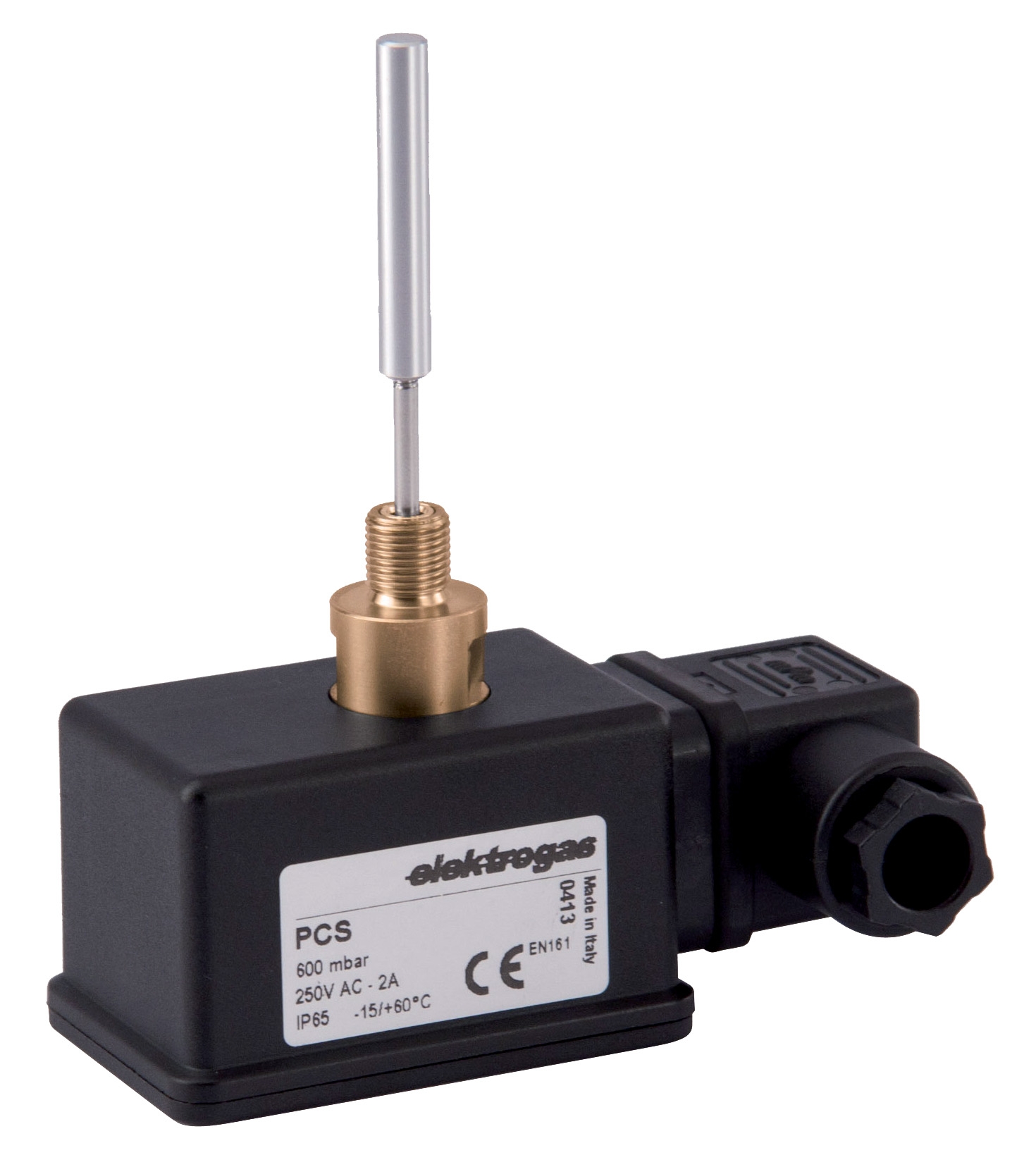
Pneumatic gas control valves, particularly end-of-stroke contact types like the Elektrogas VMM 20-25 rated at 6 bar, serve as critical safety interfaces in burner control systems. These valves activate solenoid coils or pilot flame systems through mechanical contact closure. In humid environments, contact corrosion is the primary failure mode.
Failure indicators:
- Intermittent burner ignition (valve contacts close but electrical circuit remains open)
- Audible clicking at the solenoid without proportional burner response
- Resistance measurements at the contact terminals exceeding 10 ohms (should be <1 ohm when closed)
- Disconnect the solenoid coil and measure contact resistance with a multimeter
- If resistance is high, remove the valve cover (requires 3 mm Allen wrench for Elektrogas VMM series) and inspect contact surfaces for white or green corrosion oxide
- Clean contacts using isopropyl alcohol and a soft brass brush; avoid file or sandpaper, which can damage precision contact surfaces
- Reapply a thin layer of dielectric grease to contacts before reassembly to prevent moisture ingress
For permanent repair, contact replacement kits are recommended every 12–18 months in corrosive coastal environments. The VMM 20-25's EN 161 design standard ensures compatibility with standard solenoid coils, simplifying maintenance logistics across Singapore operations.
Vent Line Blockage and Relief System Failure
The safety relief function integrated into pressure regulators (exemplified by the Francel B25/37mb's 10 mm vent design) prevents dangerous overpressurization. However, tropical salt spray deposits and industrial dust rapidly clog vent openings, creating "blind" relief systems that cannot discharge excess pressure.
Detection methods:
- Simulate overpressure by partially restricting the outlet of an isolated regulator and observing outlet pressure buildup
- If pressure exceeds the regulator's relief set point (typically 10–15% above nominal outlet pressure) without venting, the relief path is obstructed
- Visual inspection: look for salt crystallization or dust accumulation around the 10 mm vent port
Install protective mesh screens (80–120 micron) over external vent ports in facilities located within 5 km of coastlines. Additionally, deploy desiccant breathers on high-point vent manifolds to reduce moisture entry. Quarterly vent line flushing with compressed nitrogen (5 bar, 2-minute duration) removes salt deposits before blockage becomes critical.
Preventive Maintenance Protocols for Tropical Gas Regulation Systems
Environmental Exposure Stratification
Not all gas regulation equipment operates in identical environmental conditions within a facility. Stratify your maintenance approach based on actual exposure:
- Coastal/outdoor equipment: 6-month inspection cycles; quarterly vent cleaning
- Indoor industrial floor: 12-month inspection cycles; semi-annual vent maintenance
- Climate-controlled equipment rooms: 18–24-month inspection cycles; annual seal verification
This tiered approach optimizes labor allocation while prioritizing the highest-risk systems.
Moisture Management in Gas Lines
Tropical humidity introduces free moisture into gas distribution networks. Moisture causes:
- Corrosion of internal valve passages
- Swelling of elastomer seals (false pressure readings)
- Icing at pressure reduction points (Joule-Thomson cooling)
- Install coalescent particulate filters rated for 99% removal of water droplets >0.3 microns upstream of critical regulators
- Deploy desiccant dryers (silica gel or molecular sieve) in high-humidity zones, replacing desiccant every 3–6 months depending on gas demand
- Slope all horizontal gas lines toward low-point drains; incorporate block valve-drain combinations every 10 meters for manual purging
For laboratory and precision measurement applications using the Francel B25/37mb, moisture ingress directly compromises the 37 mbar accuracy. Install an integral water-removing cartridge (compatible with most Francel B-series regulators) to maintain pressure stability within ±1% across tropical seasons.
Corrosion Suppression for Solenoid Valve Contacts
The Elektrogas VMM 20-25 end-of-stroke contact valve and similar pneumatic controls require contact surface protection. Implement a preventive contact maintenance schedule:
1. Monthly: Visual inspection for discoloration or oxide formation
2. Quarterly: Contact cleaning with isopropyl alcohol; resistance verification (<1 ohm)
3. Semi-annual: Dielectric grease reapplication; full functional testing under load
4. Annual: Contact surface replacement if resistance drifts above 2 ohms or pitting is visible
For high-cycle applications (>10,000 operations per month), consider upgrading to silver-alloy or gold-plated contacts, which resist corrosion 3–5× longer than base nickel plating in tropical conditions.
Documentation and Data Trending
Maintain a digital log for each gas regulation system:
- Inlet and outlet pressures (daily when possible)
- Ambient temperature and humidity (weekly)
- Vent line inspection findings (quarterly)
- Seal replacement dates and seal material specifications
- Contact resistance measurements (for solenoid-integrated systems)
Trending this data over 6–12 months reveals gradual degradation patterns. A 10% pressure drift per quarter is typical for aging seals; a 50% drift in 30 days signals urgent replacement needs. Early detection prevents unexpected shutdowns and safety incidents.
Regional Compliance and Performance Standards
Singapore industrial facilities must comply with the PCA (Petroleum Authority of Singapore) regulations for gas handling systems and IDA/NEA standards for equipment electrical safety. Gas regulation systems should be specified and verified against:
- EN 161: Safety specifications for solenoid valves in gas appliances (applies to the VMM 20-25 and similar pilot controls)
- ISO 4401: Hydraulic and pneumatic fluid power systems—Interface dimensions and cavity design (relevant for pneumatic control integration)
- SS 638: Singapore Standard for Low Pressure Equipment Regulations (pressure vessels <1000 liters)
Regulators like the Francel B25/37mb are CE-marked (European Union) and typically carry dual certifications covering Asian industrial standards. Verify certification status during procurement to ensure compliance with Singapore's facility registration requirements.
Practical Selection Tips: Choosing Regulation Equipment for Tropical Operations
When procuring gas valves & regulation equipment for Singapore operations, prioritize:
1. Material composition: Specify stainless steel (316L preferred) or nickel-plated brass for all external wetted surfaces
2. Seal materials: Request fluorocarbon (FKM) or PTFE-based seals instead of EPDM for tropical environments
3. Vent design: Select regulators with sealed vent cartridges and 10+ mm vent diameters to minimize clogging risk
4. Pressure accuracy: For precision applications, confirm tolerance ratings under actual humidity conditions (not just dry-condition specs)
5. Contact materials: Specify silver-alloy or plated contacts for solenoid-integrated controls
3G Electric supplies comprehensive gas regulation solutions from trusted manufacturers including Francel (laboratory and industrial regulators), Elektrogas (pneumatic safety controls), and Pratissoli (high-pressure systems). With 35+ years' experience serving Southeast Asia's industrial sector, our technical team provides region-specific guidance on equipment selection, installation, and maintenance tailored to tropical operating conditions.
Conclusion
Gas valves & regulation systems represent a critical infrastructure layer in Singapore's industrial operations. The tropical climate imposes specific failure modes—seal degradation, corrosion, and moisture ingress—that demand proactive, data-driven maintenance approaches. By implementing the diagnostic procedures, preventive protocols, and environmental stratification strategies outlined in this guide, industrial professionals can extend equipment service life 30–50% beyond manufacturer standard recommendations and eliminate unplanned shutdowns. Engage with your equipment supplier early in the design and procurement phase to ensure regional compliance and performance optimization.