Understanding Gas Valves & Regulation in Singapore HVAC Systems
Gas Valves & Regulation components are critical to safe, efficient HVAC operation across Singapore's tropical and humid climate. Whether you're maintaining central plant systems in Marina Bay or servicing commercial buildings in Jurong, pressure regulators, safety relief valves, and control components must function precisely—any deviation can compromise system efficiency, safety, and comfort.
With over 35 years of global industrial equipment distribution experience, 3G Electric understands that HVAC contractors need practical, actionable troubleshooting guidance. Singapore's high-density commercial environment means system downtime directly impacts tenants, energy efficiency, and compliance with building regulations. This guide delivers field-proven diagnostic procedures and repair workflows you can apply immediately.
The core challenge: gas valve failures often develop gradually, making early detection essential. Pressure drift, intermittent control loss, or subtle leakage can go unnoticed until system performance degrades or safety margins are compromised. This troubleshooting guide focuses on identifying root causes quickly so you can restore full operation with minimal disruption.
Section 1: Rapid Diagnostic Procedures for Pressure Regulation Issues
Identifying the Problem Zone
When a contractor reports pressure inconsistency, your first action is isolating which component is failing: the inlet regulator, outlet pressure, or the safety relief stage. Use a staged diagnostic approach:
Step 1: Baseline Measurement
Install calibrated pressure gauges at three points: inlet (upstream of regulator), outlet (system delivery point), and relief vent outlet. Record readings at system idle and under load. In Singapore's humid conditions, ensure gauge connections are dry and sealed—moisture ingress can corrode internal components and create false readings.
Step 2: Dynamic Load Test
Operate the system at 50%, 75%, and 100% firing rate. Pressure should remain stable within ±5 mbar (or per equipment specification). If outlet pressure drifts upward during load, the regulator diaphragm may be weakening. If pressure drops suddenly, check for downstream obstruction or control valve closure.
Step 3: Relief Valve Confirmation
If outlet pressure exceeds setpoint despite stable inlet, the safety relief valve is not venting. This is a critical safety issue. Check for:
- Blocked vent line (debris, spider webs, paint)
- Relief spring fatigue or corrosion
- Diaphragm rupture or contamination
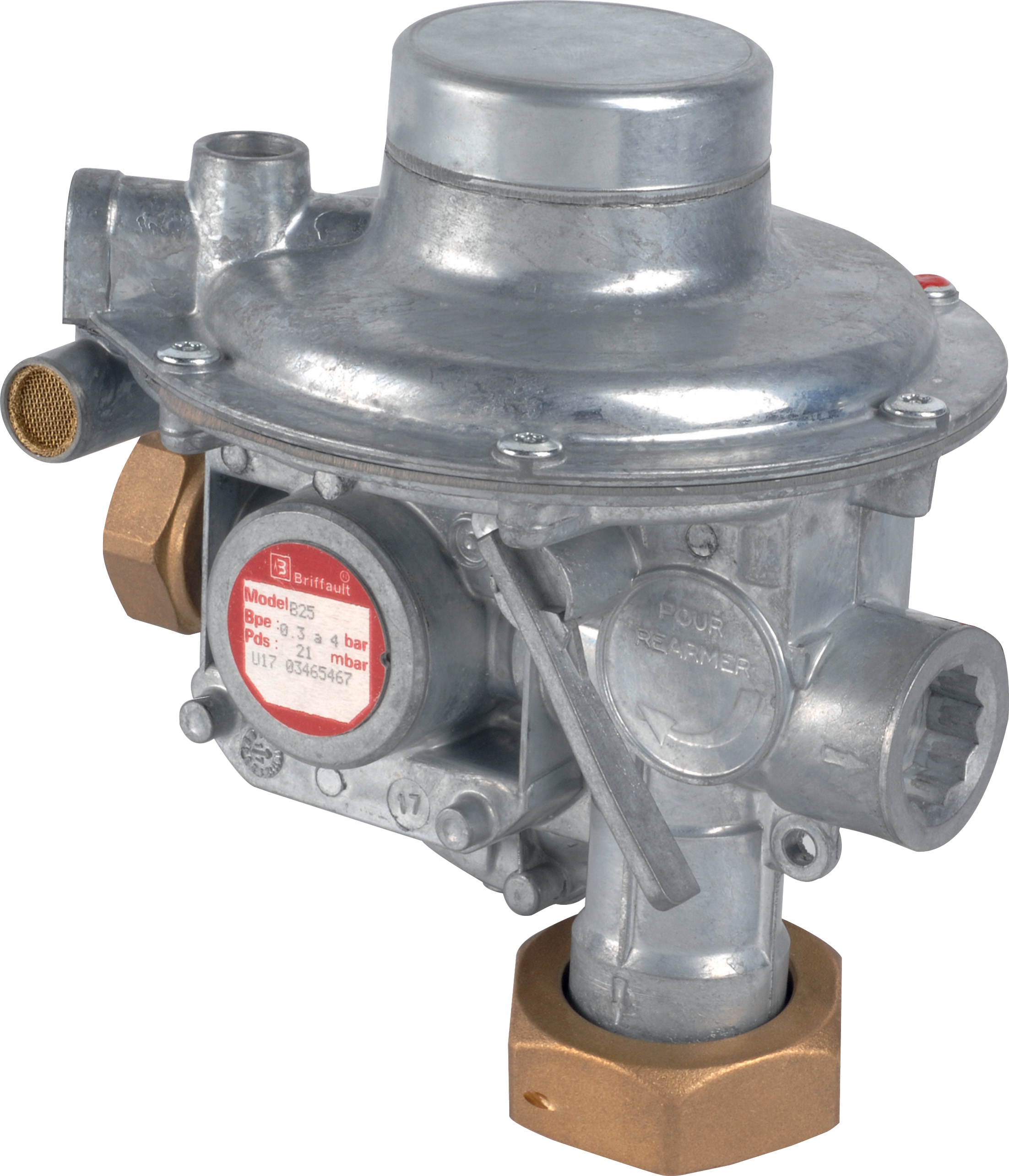
For Francel regulators like the Francel B25/37mb with integrated safety relief, verify the 10 mm vent port is unobstructed and relief spring is not seized.
Common Singapore-Specific Issues
Tropical humidity accelerates internal corrosion of regulator springs and diaphragms. Buildings near coastal areas (east coast, Sentosa, Changi) experience accelerated salt-air degradation. If a regulator has been in service 5+ years in high-humidity zones, preventive replacement is more cost-effective than reactive repair.
Building settling and vibration from adjacent MRT lines can loosen regulator mounting, causing micro-leaks at inlet connections. Check all compression fittings monthly if your building is within 500 meters of transit infrastructure.
Section 2: Troubleshooting Control Valve and End-of-Stroke Failures
Understanding End-of-Stroke Contact Valves
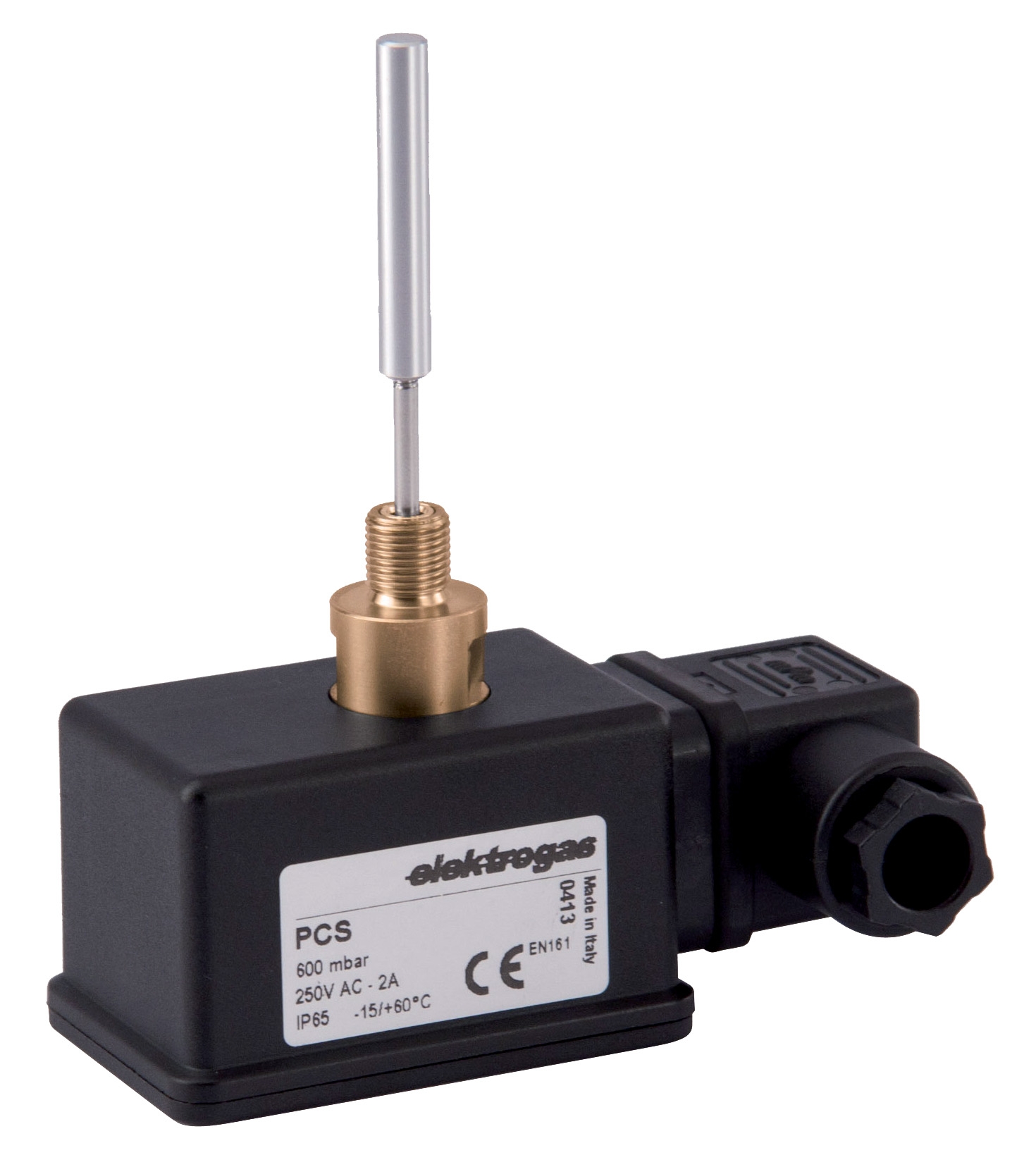
End-of-stroke contact valves, like the Elektrogas VMM 20-25 (6 bar), are electromechanical devices that interrupt gas flow when burner dampers reach full open or full closed position. They're essential safety components in modulating gas systems, yet they're often overlooked during routine maintenance.
Diagnostic Workflow for Control Failure
Symptom: Burner won't ignite or cycles erratically
1. Electrical Check First: Verify 24V AC supply at valve solenoid terminals. Use a multimeter and confirm voltage stability under load. Fluctuating voltage indicates a control transformer issue, not the valve itself.
2. Mechanical Position Confirmation: Manually actuate the burner damper to full open. Confirm the end-of-stroke valve clicks and gas flow resumes. If no click occurs, the mechanical linkage may be misaligned.
3. Pressure Validation: With burner damper at full open, measure gas pressure at valve inlet and outlet. At 6 bar inlet pressure, outlet should equal inlet (valve open). If outlet pressure is restricted, internal poppet may be stuck.
4. Solenoid Resistance Test: Disconnect electrical leads and measure coil resistance (typically 300-600 ohms depending on model). If reading is zero or infinite, coil is damaged. For the Elektrogas VMM 20-25, adjustment of the end-of-stroke position requires a 3 mm Allen wrench—ensure you're using the correct tool and adjusting per manufacturer specifications.
Symptom: Valve leaks gas continuously (hisses at outlet)
Internal leakage usually indicates poppet seal degradation. This is not field-serviceable—the valve must be replaced. However, before replacement:
- Verify the leak isn't from inlet connection fittings (tighten with wrench)
- Confirm the relief vent port isn't blocked (pressure buildup can force poppet open)
- Check for foreign material: debris in gas line can prevent complete closure
Flush the gas line upstream with nitrogen (low pressure, 1-2 bar) to dislodge particles before installing a replacement valve.
Symptom: Damper reaches full open but no electrical signal from valve
The end-of-stroke contact (auxiliary switch) may not be engaging the mechanical trigger. Causes:
- Damper rod travel distance has shifted due to wear in bearing block
- Electrical switch contact corrosion (visible white/green oxidation)
- Switch actuator spring fatigue
Clean electrical contacts with a dry cloth or contact cleaner (avoid liquids in gas valve enclosures). If corrosion recurs within weeks, the valve internals are wet—this indicates condensation intrusion. Install a moisture trap upstream of the gas valve.
Section 3: Leakage Detection and Safety Compliance for Singapore Building Standards
Why Standard Soapy Water Tests Aren't Enough
Contractors often use soapy water to detect leaks at compression fittings. In Singapore's humid climate, this method is unreliable because:
- Moisture evaporation on tropical days is extremely rapid
- Salt-laden air can interfere with bubble formation
- Thermal expansion of copper and brass fittings creates intermittent micro-leaks
1. Visual Inspection Under UV Light: Some regulators use dyed oils internally. Under UV (365 nm), dyed oil leakage becomes visible on fittings before soapy water methods detect it.
2. Electronic Gas Detector Method: Use a calibrated electronic gas detector (sensitivity 1-10 ppm) to scan all valve connections, relief vent lines, and diaphragm seals. This is mandatory for Building and Construction Authority (BCA) compliance audits in Singapore.
3. Pressure Decay Test: Close isolation valves at inlet and outlet of the regulator. Pressurize to 80% rated pressure and wait 5 minutes. If pressure drops more than 5%, internal leakage exists. Record the test result for compliance documentation.
4. Annual Relief Valve Bench Testing: Singapore's Energy Market Authority (EMA) regulations recommend relief valves be bench-tested annually. Do not assume a valve that opens at setpoint will reliably reseal. Send units like the Francel B25/37mb to a qualified testing laboratory for certification (bleed rate at relief pressure, reseat pressure, full cycle testing).
Documentation for Building Compliance
Maintain records:
- Pressure test date, inlet pressure, outlet pressure, relief vent pressure
- Electronic gas detector scan results (baseline reading and any area exceeding 5 ppm)
- Relief valve certification if tested
- Component replacement dates and serial numbers
Singapore building audits increasingly require these records. Digital documentation (photos of gauge readings, detector reports) strengthens your compliance posture.
Section 4: Field Repair Priorities and Replacement Selection for Singapore Climate
When to Repair vs. Replace
Repair is justified if:
- Issue is a loose fitting or blocked vent line (immediate fix, <1 hour labor)
- Diaphragm is still flexing but pressure drift is minor (recommend replacement within 6 months)
- Solenoid coil is burned out but regulator body shows no corrosion (replace coil/solenoid assembly, test regulator body separately)
- Regulator body shows pitting or internal corrosion (structural integrity compromised)
- Diaphragm is ruptured or hardened (loss of pressure control)
- Multiple seals are weeping simultaneously (indicates material degradation from age or chemical exposure)
- Safety relief has failed to reset after venting (internal contamination)
When replacing gas regulators or control valves, consider:
1. Pressure Rating: Match the system design pressure exactly. Over-sizing (using a 16 bar regulator for 5 bar system) reduces sensitivity and increases drift. Under-sizing creates backpressure and heat generation.
2. Temperature Stability: Tropical ambient temperatures (30-35°C) cause regulator diaphragm stiffness changes. Select regulators with a temperature compensation design (spring-loaded diaphragm edge design). The Francel B25/37mb is rated for ambient operation to 40°C—adequate for Singapore but verify during specification.
3. Humidity-Resistant Construction: Stainless steel trim, nickel-plated brass, or epoxy-coated carbon steel bodies resist salt-air corrosion. Avoid bare aluminum (rapid pitting in coastal regions) and plain carbon steel without coating.
4. Vent Port Design: Choose regulators with screen-protected or large-diameter vent ports (≥8 mm). Tropical insect nests and debris frequently block small vents. The Francel B25/37mb's 10 mm vent is a good specification for Singapore applications.
5. Valve Body Material: For corrosive environments (buildings with industrial processes, kitchens, salt-air exposure), specify stainless steel or marine-grade brass valve bodies. Ductile iron bodies are economical but corrosion-prone near coast or in humid plant rooms.
Inventory Stocking Recommendation
For HVAC service contractors in Singapore, maintain spares:
- One Francel pressure regulator matching your most common system pressure (e.g., DTG06002 for 37 mbar applications)
- Two end-of-stroke contact valves matching your primary burner type
- Gasket and seal kits for diaphragm replacement (extend regulator life 2-3 years)
- Flexible braided stainless steel inlet and outlet pigtails (pre-made connections eliminate fitting corrosion troubleshooting)
With tropical humidity and salt-air exposure, these spares will be used within 12-18 months of stocking.
Practical Emergency Procedures
If Pressure Exceeds Safety Limits During Troubleshooting:
1. Close the gas supply isolation valve immediately
2. Open the manual bleed screw (if present) on the regulator or vent the system
3. Wait 2 minutes for pressure stabilization
4. Do not continue operation until the cause is identified
If Gas Odor Detected Near Valve Assembly:
1. Evacuate the area and ventilate the room
2. Do not use electrical equipment, open flames, or ignite the burner
3. Locate the gas leak using electronic detector (visual inspection alone is insufficient)
4. Isolate and tag out the system with a red danger tag
5. Contact your building's emergency hotline and inform BCA if the leak persists >15 minutes
With 35+ years of global industrial equipment distribution, 3G Electric has supplied premium-quality gas valve and regulation components to contractors across Singapore, Malaysia, and Southeast Asia. We stock the components referenced in this guide and provide same-day delivery to most Singapore locations. Our technical team is available for specification consultation—contact us when you need pressure regulator or control valve selection guidance for challenging installation environments.
Quick Reference Troubleshooting Table
| Symptom | Probable Cause | First Action | When to Replace |
|---------|----------------|--------------|------------------|
| Outlet pressure drifts high during operation | Regulator diaphragm weakening | Install downstream needle valve to bleed excess pressure; measure diaphragm flex manually | If drift exceeds ±10 mbar or diaphragm is hard |
| Relief vent hisses constantly | Relief spring set too low or vent blocked | Check vent port for insects/debris; clean with low-pressure air | If cleaning doesn't stop hiss within 30 seconds |
| Burner ignition inconsistent | End-of-stroke valve not signaling or solenoid weak | Verify 24V supply at valve; confirm damper mechanical travel | If solenoid coil resistance is infinite |
| Gas smell at connections | Fitting leak or internal seal failure | Tighten all compression fittings (1.5 turns max); scan with electronic detector | If detector reads >10 ppm after tightening |
| System pressure won't stabilize under load | Downstream obstruction or control valve partially closed | Verify all downstream ball valves are fully open; check for ice blockage (unlikely in Singapore but possible in plant room coolers) | If pressure remains unstable with all valves open |
| Regulator body shows white/green corrosion | Internal oxidation from moisture intrusion | Dry the valve completely; install a moisture trap upstream | Immediately—corrosion compromises structural integrity |
---
3G Electric has supplied industrial gas equipment to Singapore contractors for decades. When you need reliable pressure regulators, end-of-stroke contact valves, or integrated safety relief systems, our team stocks premium components ready for immediate dispatch. Reach out for same-day delivery or technical specification support across Singapore.