Understanding Your Role in Gas Valve Supply Chain Management
Gas Valves & Regulation systems are critical infrastructure, yet procurement engineers often face supplier inconsistency, counterfeit components, and inadequate technical documentation. With 35+ years of experience distributing industrial equipment globally, 3G Electric understands that your purchasing decisions directly impact system safety, performance, and operational continuity.
When sourcing gas valves and regulation components, you're not simply comparing prices—you're evaluating technical specifications, safety certifications, delivery logistics, and post-purchase support. This requires a systematic approach to vendor qualification and component verification that prevents regulatory violations and system failures.
Section 1: Vendor Qualification and Technical Documentation Requirements
Establishing Baseline Supplier Criteria
Before issuing purchase orders for gas valves and regulation equipment, establish clear supplier qualification criteria:
Technical Certification Requirements:
- ISO 9001 and ISO 14001 certifications indicating quality management systems
- Compliance with AS/NZS 4645 (Australian/New Zealand standard for gas appliances) or equivalent Singapore industrial standards
- Third-party testing reports validating pressure ratings, flow capacity, and safety relief functionality
- Current product datasheets with pressure-temperature ratings, material specifications, and allowable inlet conditions
- Missing or incomplete pressure-temperature curves
- Vague material specifications (e.g., "stainless steel" without grade designation)
- Undated technical literature or revision numbers
- Missing safety certification marks (CE, PED, or local equivalents)
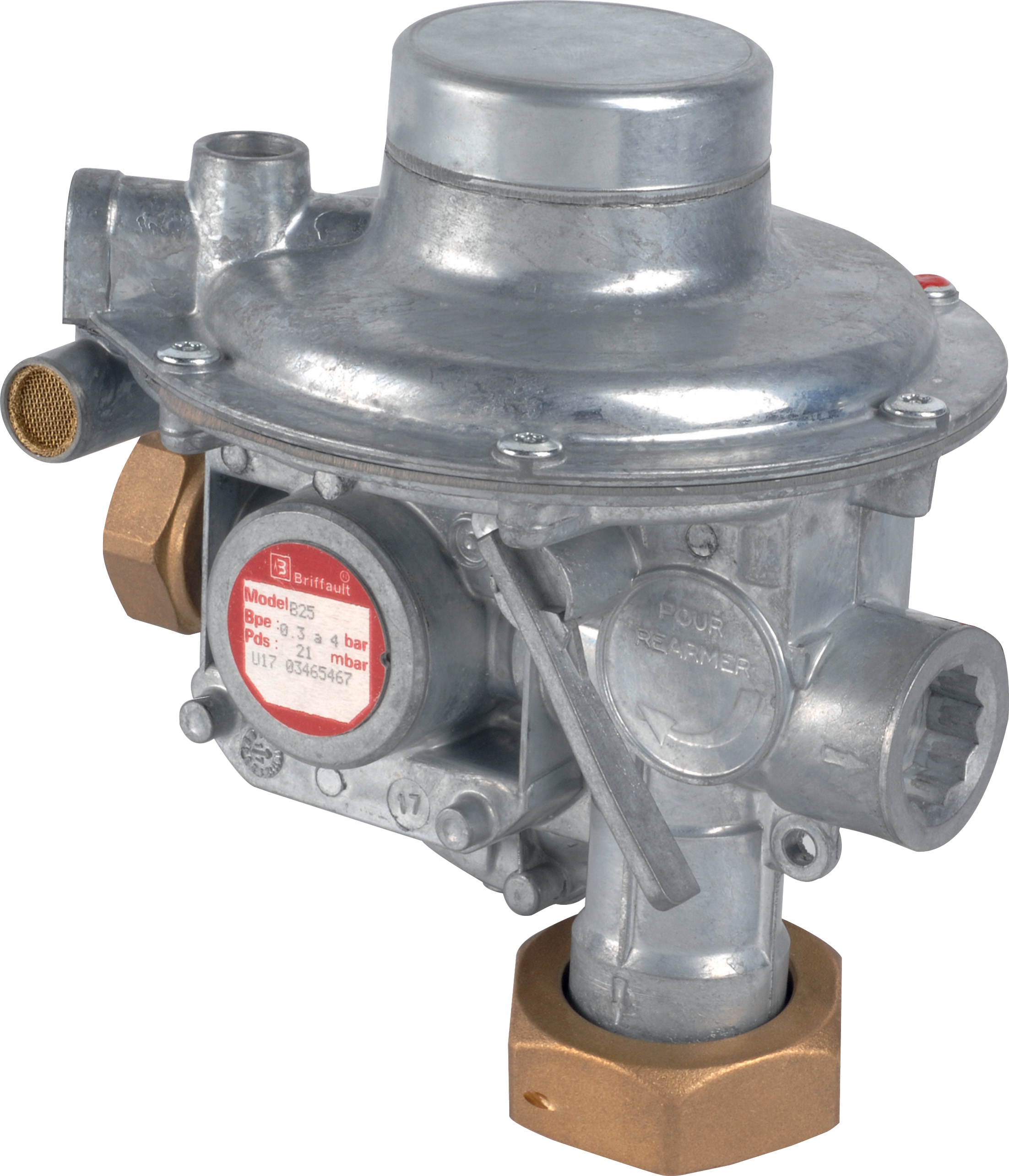
When evaluating suppliers, request complete technical files including design drawings, third-party test certificates, and pressure relief calibration records. For pressure regulators like the Francel B25/37mb with integrated safety relief, verify that outlet pressure tolerances are documented and that the vent orifice size (10 mm in this case) matches your system requirements.
Supply Chain Traceability and Counterfeit Prevention
Counterfeit gas valves represent a significant risk in Southeast Asia, where unauthorized distributors repackage substandard components. Protect your organization:
- Request supplier declaration of origin and manufacturing location
- Verify serial number ranges with manufacturers before accepting shipments
- Specify direct shipment from manufacturer or authorized distributors rather than third-party resellers
- Conduct unannounced supplier audits for high-volume components
- Establish batch traceability protocols linking purchase orders to material test reports
Work with distributors like 3G Electric that maintain documented supply chains and can provide certificates of conformance for each shipment. This protects your organization from liability if counterfeit components cause failures.
Section 2: Quality Verification and Incoming Inspection Protocols
Pre-Delivery Inspection Checklist
Implement a structured inspection process before accepting delivery:
Physical Inspection (First-Tier):
- Verify SKU/part number matches purchase order exactly
- Inspect pressure rating stamping or engraving on body (pressure regulators must be clearly marked)
- Check for visible damage, corrosion, or manufacturing defects
- Confirm all documentation (manuals, certificates, warranty cards) is present and matches language/region requirements
- Inspect packaging for evidence of tampering or multiple handling cycles
- Match material test reports to batch numbers on incoming components
- Verify calibration dates on safety relief components (pressure regulators typically require annual recertification)
- Confirm pressure settings align with your specification (document the outlet pressure requirement—for instance, 37 mbar for the Francel B25/37mb)
- Cross-reference third-party testing lab credentials if certifications are included
- Install safety relief regulators on test manifolds and verify outlet pressure against specification (within ±5% for laboratory applications)
- Check for audible leakage at inlet, outlet, and vent connections
- Verify pressure gauge response time (should stabilize within 30 seconds)
- Test pilot relief function by manually increasing inlet pressure and confirming relief activation
Handling Supply Chain Quality Failures
If incoming inspection reveals defects:
1. Photograph and document all defects with SKU, batch number, and date
2. Quarantine the entire batch and notify your supplier within 24 hours
3. Request a replacement shipment with expedited delivery to minimize production delays
4. Retrieve third-party inspection reports to determine whether failure occurred during manufacturing or shipping
5. File a non-conformance report with your supplier and track their corrective action response
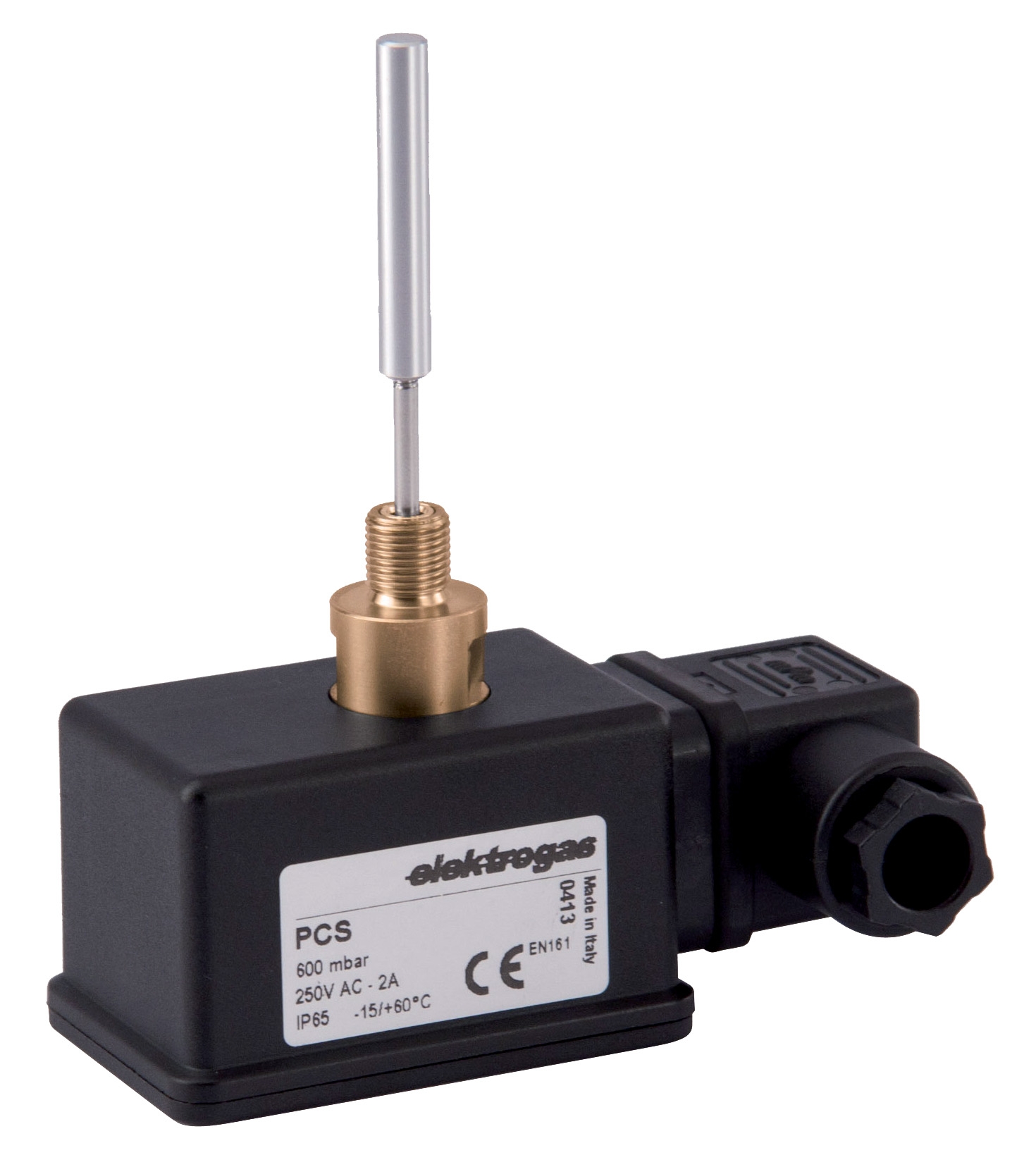
For critical safety components like pressure regulators or end-of-stroke valves (such as the Elektrogas VMM 20-25 rated for 6 bar), failure to inspect incoming material creates liability exposure and system safety risks.
Section 3: Specification Alignment and Component Selection Strategies
Pressure Rating and Flow Capacity Matching
One of the most common procurement errors is selecting regulators without verifying pressure and flow compatibility with your actual system requirements:
Critical Specification Parameters:
- Inlet Pressure Range: Maximum inlet pressure the regulator can safely handle (not the intended outlet pressure)
- Outlet Pressure Setting: The regulated pressure delivered downstream (the 37 mbar outlet on the Francel B25/37mb is fixed for laboratory applications)
- Maximum Flow Capacity: Expressed in Nm³/h or L/min, this determines whether the regulator will cause backpressure or hunting (oscillation)
- Vent Orifice Size: Affects responsiveness and safety relief function (documented as 10 mm for the Francel unit)
For end-of-stroke safety valves like the Elektrogas VMM 20-25, verify the 6 bar rating matches your pneumatic system design and confirm that adjustment requires the 3 mm Allen wrench you have in inventory.
Regulatory Compliance for Singapore Operations
Singapore industrial systems must comply with:
- Pressure Equipment Directive (PED): EU-manufactured components must carry CE marking if used in Singapore facilities operating under ISO standards
- Health and Safety at Work Act: Gas distribution systems must be designed, installed, and maintained by competent persons
- Singapore Standard SS 695: Gas safety standards for specific applications
When evaluating suppliers, request evidence of compliance with applicable standards. Ensure technical datasheets reference relevant certification bodies and pressure equipment compliance documentation.
Section 4: Long-Term Vendor Management and Supply Optimization
Establishing Performance Metrics
Create a vendor scorecard tracking:
- On-Time Delivery Rate: Target 98%+ for critical components
- Quality Acceptance Rate: Target 99.5%+ (defect rate <0.5% per incoming inspection)
- Documentation Completeness: 100% of shipments include required certificates and technical data
- Technical Support Response: Average response time to technical inquiries <24 hours
- Price Stability: Monitor pricing trends and notify vendors of market rate changes
Managing Multiple Suppliers and Inventory Risk
Reduce single-source dependency:
- Qualify 2-3 suppliers for critical regulators and safety valves (pressure regulators, relief valves, end-of-stroke contacts)
- Negotiate volume-based pricing with primary suppliers while maintaining qualified secondary sources
- Establish safety stock levels for long-lead-time items (typically 1-2 months' consumption for specialized units like the Francel B25/37mb)
- Create supplier transition plans documenting how to switch sourcing if a supplier fails quality or delivery commitments
Work with distributors offering both competitive pricing and technical depth—3G Electric's 35+ years in industrial equipment distribution means access to multiple manufacturers and consistent availability across your supply chain.
Documentation and Compliance Record Keeping
Maintain organized records for regulatory audits and liability protection:
- Purchase order register linked to supplier certificates of conformance
- Incoming inspection reports with photos, test results, and approval dates
- Installation and commissioning records documenting which units were installed where and when
- Maintenance and recalibration logs showing pressure regulator testing and safety relief function verification
- Non-conformance tracking documenting supplier issues and corrective actions
For regulated industries (food processing, pharmaceuticals, power generation), this documentation becomes critical for third-party audits and regulatory compliance demonstrations.
Key Troubleshooting: Procurement-Focused Scenarios
Scenario 1: Pressure Regulator Consistently Fails Within 6 Months
Root Cause (Often Overlooked in Procurement): Vendor is supplying regulators with incompatible inlet gas contamination specifications. Your compressed air system contains moisture and particulate that damages internal pilot mechanisms.
Procurement Response: Specify inlet filtration requirements in technical datasheet (requirement: <1 micron particle, <10 ppm moisture). Request supplier confirmation that the component meets these inlet condition requirements. Consider upgrading to a supplier offering regulators with integrated filter stages if contamination is endemic to your facility.
Scenario 2: New Shipment Fails Pressure Setting Verification
Root Cause: Manufacturing batch from alternate supplier uses different calibration equipment with different accuracy standards.
Procurement Response: Before qualifying a new supplier, require them to submit pre-delivery test reports from an independent third-party lab (not their internal QC). For components like the Francel B25/37mb, verify the testing lab is ISO 17025 accredited for pressure measurement.
Scenario 3: Lead Time Delays on Safety Components
Root Cause: You sourced from a single distributor with limited inventory and inconsistent restocking.
Procurement Response: Identify 2-3 qualified distributors offering these components with guaranteed stock levels. Establish minimum order quantities that trigger automatic replenishment to maintain safety stock. For specialized units, negotiate 90-day lead-time commitments.
Why Procurement Diligence Protects Your Organization
Investing time in vendor qualification, inspection protocols, and documentation systems prevents expensive consequences:
- Regulatory penalties for using uncertified gas control equipment
- Production shutdowns caused by component failures during operation
- Safety incidents resulting from defective pressure relief or end-of-stroke valves
- Warranty disputes when suppliers claim documentation wasn't provided
With 3G Electric's experience distributing industrial equipment globally since 1990, we understand that your procurement decisions create ripple effects through your entire operation. Partner with suppliers committed to technical depth, quality assurance, and transparent documentation—it's the foundation of reliable gas valve and regulation systems.
Conclusion
Gas Valves & Regulation troubleshooting begins with procurement discipline. By establishing clear vendor criteria, implementing incoming inspection protocols, verifying specification alignment, and maintaining organized documentation, you transform your purchasing department from a cost center into a risk management function.
The components you select today directly impact the safety, performance, and regulatory compliance of your industrial systems. Choose distributors and suppliers that support this mission with complete technical documentation, consistent quality, and reliable supply chains.