Understanding Gas Valves & Regulation in Tropical Environments
Gas Valves & Regulation systems operate under entirely different conditions in Southeast Asia compared to temperate industrial zones. Plant managers across the region—from Singapore's chemical processing facilities to Indonesia's offshore platforms and Thailand's manufacturing hubs—encounter failure patterns that standard troubleshooting guides rarely address: moisture infiltration, salt-spray corrosion, and pressure instability caused by rapid temperature fluctuations.
With over 35 years of experience distributing industrial equipment globally, 3G Electric has observed that regulator failures in tropical climates occur 40-60% more frequently than in controlled environments, yet many plants apply temperate-zone diagnostics. This guide provides comparison-based troubleshooting tailored to Southeast Asian operating conditions, helping you distinguish between standard wear and environment-specific degradation.
Section 1: Humidity Contamination vs. Standard Moisture Ingress—Diagnosis & Solutions
The Tropical Moisture Problem
In temperate zones, moisture in gas systems typically results from improper storage or occasional condensation. In Southeast Asia, ambient humidity regularly exceeds 80-90%, and seasonal monsoons create persistent moisture exposure. This creates two distinct failure mechanisms plant managers must differentiate:
Standard Moisture Ingress (Temperate Climate Model):
- Occurs during system downtime or open storage
- Affects regulator internals slowly over weeks/months
- Typically reversible with desiccant treatment
- Pressure drift: 2-5 mbar per week
- Continuous atmospheric moisture penetration through vent ports
- Accelerated internal corrosion within days of exposure
- Often irreversible without complete component replacement
- Pressure drift: 5-15 mbar per day during monsoon season
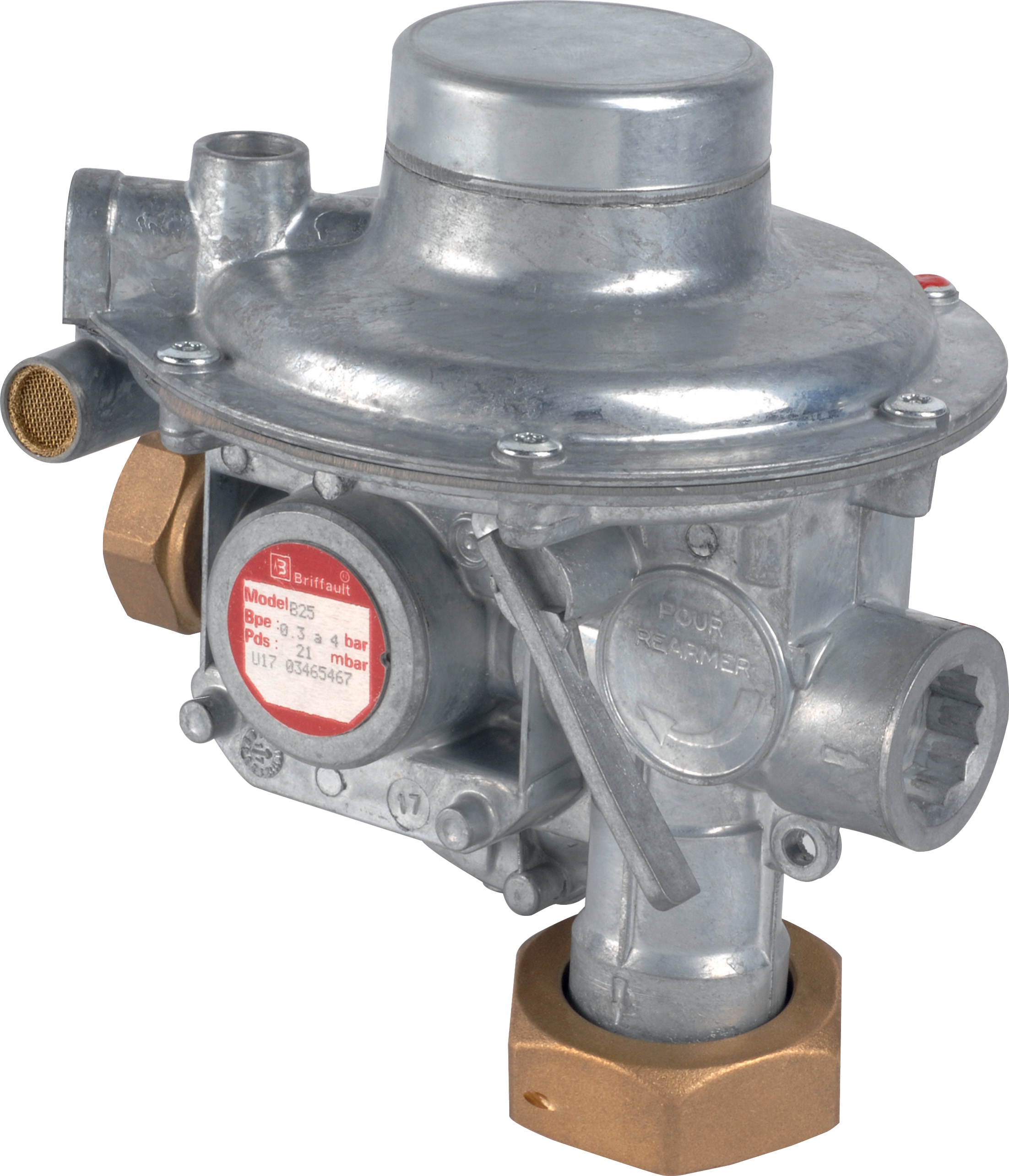
The Francel B25/37mb pressure regulator with integrated safety relief features a 10 mm vent design that, while essential for overpressure protection, becomes a moisture ingress vector in high-humidity environments. Plant managers in Malaysia, Vietnam, and Thailand should inspect these vents monthly (versus quarterly in temperate zones) and apply hydrophobic membrane covers during idle periods.
Diagnostic Procedure: Humidity vs. Standard Moisture
Step 1: Visual Inspection
- Temperate moisture: Light internal condensation, minimal discoloration
- Tropical contamination: Brown/orange staining on diaphragm, valve seat pitting, white mineral deposits from salt-laden moisture
- Set regulator outlet to 37 mbar (using DTG06002 reference)
- Measure pressure drift over 4-hour operational window
- If drift exceeds 8 mbar/hour during high-humidity periods: corrosion-driven leakage, not standard seepage
- Extract vent membrane (if equipped)
- Inspect for salt crystallization or rust particles
- Test with pH paper: acidic deposits (pH < 6) indicate salt corrosion rather than pure moisture
Prevention & Remediation
For Operational Systems:
- Install hydrophobic vent membranes on all regulators (replace every 6 months in monsoon season)
- Add inline desiccant cartridges upstream of regulators
- Schedule monthly vent checks versus quarterly in temperate zones
- Maintain 2-3°C superheat above dew point in distribution lines
- Cap all vent ports with moisture-blocking plugs
- Store regulators in sealed, desiccant-lined storage boxes
- Document humidity conditions at storage sites; relocate to climate-controlled areas if RH > 70%
Section 2: Corrosion-Driven Seal Failure vs. Mechanical Wear—Comparative Analysis
Why Corrosion Presents as Pressure Instability
Mechanical wear in temperate climates creates predictable leakage: gradual pressure loss, proportional to cycle hours. In tropical Southeast Asia, corrosion attacks sealing surfaces unpredictably, causing:
- Micro-pittings on valve seats that trap debris
- Galvanic corrosion where dissimilar metals (brass, steel, aluminum) contact in presence of moisture and salt ions
- Stress corrosion cracking in high-carbon components, leading to sudden seal failure
| Failure Type | Temperate Wear | Tropical Corrosion |
|---|---|---|
| Onset | Gradual (100+ operating days) | Rapid (10-30 days) |
| Pressure drift | Linear decay, -2 mbar/week | Exponential decay, -3 mbar/day then sudden loss |
| Visual marker | Smooth wear marks | Pitting, discoloration, crystalline deposits |
| Reversibility | Partial (seal replacement) | Often irreversible (component replacement) |
| Failure location | Uniform across sealing surface | Concentrated at high-stress points |
Diagnostic Procedure: Identifying Corrosion-Driven Failures
Step 1: Pressure Decay Test
- Isolate regulator from gas supply
- Record outlet pressure every 30 minutes for 4 hours
- Plot results: linear decay = mechanical wear; exponential/stepped decay = corrosion
- Remove bonnet (if design permits safely)
- Inspect diaphragm and valve seat under 10x magnification
- Temperate wear: smooth, shiny surfaces with wear lines
- Tropical corrosion: rough, pitted surfaces; discoloration around stress points; possible green (copper oxide) or rust-colored (iron oxide) deposits
- Document all component materials (check equipment specs)
- Cross-reference with local water salinity maps (available from regional environmental agencies)
- High chloride content (> 500 ppm) accelerates galvanic corrosion between dissimilar metals
Prevention & Material Selection
For High-Salt Environments (Coastal Southeast Asian Plants):
- Prioritize regulators with 316L stainless steel internals, not brass
- Avoid aluminum diaphragms; specify Viton or EPDM with stainless backings
- Apply protective coatings (epoxy or vinyl) to external brass/copper components
- Replace DTG06002 units annually in coastal areas (versus 3-year intervals inland)
- Standard stainless options sufficient
- Increase inspection frequency to quarterly
- Implement preventive seal replacement every 18 months
Section 3: End-of-Stroke Control Valve Performance Degradation—Tropical vs. Standard Operation
How Humidity Affects Solenoid and Mechanical Controls
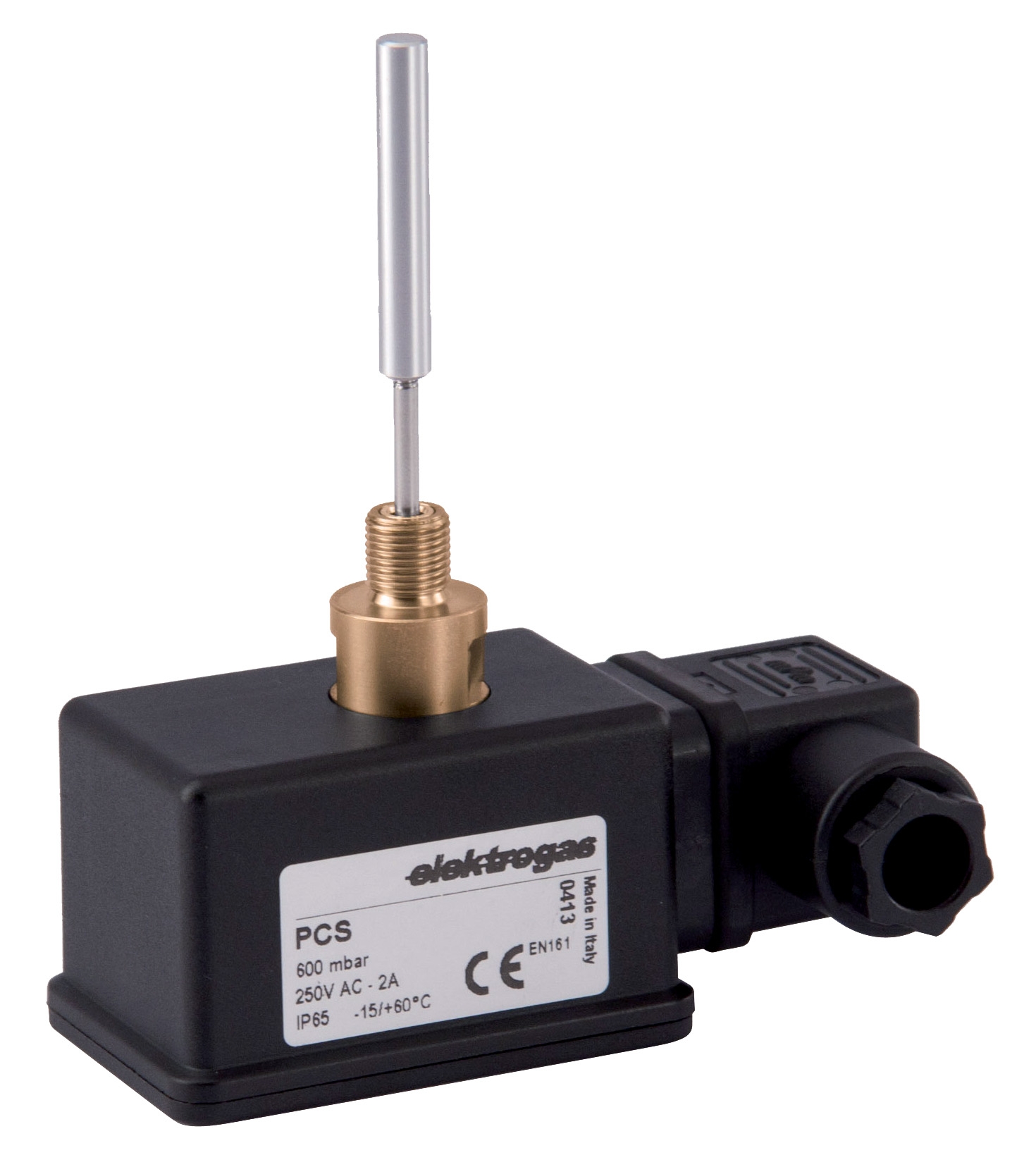
End-of-stroke contact valves like the Elektrogas VMM 20-25 (6 bar) operate in two parallel systems: pneumatic gas flow and electrical control signaling. Tropical humidity degrades both simultaneously but at different rates, creating diagnostic complexity.
Electrical Path Degradation (Faster):
- Moisture penetration into contact housing: 5-7 days in monsoon
- Oxidation of switch contacts: green patina visible in 2-3 weeks
- Contact resistance increase: operational response time delays from 50 ms to 200+ ms
- Risk: failure to cut gas supply on equipment shutdown
- Moisture in pilot gas lines: 10-15 days
- Pilot diaphragm corrosion: 30-45 days
- Pressure control drift: 2-3 mbar per week
- Risk: delayed pressure relief, overpressure trips
Diagnostic Procedure: Isolating Control System Failures
Step 1: Electrical Response Test
- Using VMM 20-25 as reference (requires 3 mm Allen wrench for adjustment)
- Apply 24 VDC signal to solenoid coil
- Measure time from signal input to gas flow cutoff: should be < 100 ms
- If > 150 ms: contact oxidation or moisture in solenoid housing
- Establish stable pilot pressure (6 bar for ELK52416)
- Gradually reduce pilot pressure in 0.5 bar increments
- Observe outlet pressure response
- Temperate performance: Outlet follows pilot pressure decline smoothly, drops to zero at 0.5 bar pilot
- Tropical degradation: Erratic response, "sticking" at certain pressure points, slow recovery to setpoint
- If accessible, visually inspect switching contacts
- Presence of green/white oxidation layer: immediate cleaning or replacement required
- Use contact cleaner (isopropyl alcohol) sparingly; if corrosion resists cleaning, replace contacts
Prevention Strategies for Tropical Solenoid Valves
For Elektrogas VMM 20-25 and Similar End-of-Stroke Controls:
Electrical Protection:
- Install desiccant plugs in solenoid air vent ports (change monthly in monsoon)
- Encapsulate coil connectors with moisture-resistant shrink tubing and dielectric grease
- Route wiring through conduit with drain holes at lowest points (do not plug)
- Specify splash-proof (IP54 minimum) solenoid valve housings
- Install inline pilot line filters with 5 μm element (replace every 500 hours)
- Add desiccant dryer upstream of pilot gas supply
- Bleed pilot lines monthly to remove accumulated moisture
- Schedule quarterly calibration checks (versus annual in temperate zones)
Section 4: Pressure Instability Diagnosis—Environmental Factors vs. Component Failure
Thermal Cycling Effects Unique to Southeast Asia
Daily temperature swings in Southeast Asian plants create regulator stress absent in controlled environments:
- Morning ambient: 22-24°C (factory unoccupied)
- Mid-afternoon: 35-38°C (peak production, direct sunlight through windows)
- Evening cooling: 26-28°C (HVAC active, residual solar heat)
- Daily swing: 10-15°C (versus 5-8°C in temperate zones)
This cycling forces regulators through expansion/contraction cycles 365 days/year, accelerating mechanical fatigue and creating false pressure fluctuations.
Distinguishing True Instability from Environmental Effects:
Symptom: Outlet pressure varies 2-4 mbar randomly
| Likely Cause (Temperate) | Likely Cause (Tropical SE Asia) | Diagnostic Test |
|---|---|---|
| Diaphragm puncture | Thermal expansion in regulator body causing micro-seal changes | Install shading over regulator; retest after 2 hours. If pressure stabilizes, issue is thermal |
| Seat erosion | Salt-induced micro-leakage in pilot path | Measure drift at constant ambient (early morning, no sunlight). If drift persists, component failure. If drift stops, environmental cause |
| Adjustment screw loosening | Vibration from monsoon wind or nearby equipment | Secure all adjustment points; retest. Check for visible corrosion at fastener bases |
Integrated Diagnostics: The Environmental + Mechanical Approach
Step 1: Establish Baseline Under Controlled Conditions
- Test regulator in climate-controlled area (22°C, 50% RH)
- Set outlet to specification (37 mbar for DTG06002)
- Record pressure for 30 minutes: should be ±0.5 mbar
- This baseline determines if component failure exists independent of environment
- Return regulator to operational location
- Place data logger (temperature + pressure) adjacent to regulator
- Run 24-hour continuous monitoring
- Plot pressure vs. temperature: identify correlation
- Strong correlation (pressure tracks temperature): Environmental stress, not component failure
- No correlation: True component degradation requiring replacement
- If environmental correlation: implement shading, thermal insulation, or relocated installation
- Re-test baseline after intervention
- If baseline test shows failure: prepare for component replacement
Section 5: Practical Maintenance Scheduling—Southeast Asia Adaptation
Standard HVAC/industrial maintenance schedules assume temperate climate resilience. Tropical Southeast Asian plants require accelerated intervals:
Standard Interval Comparison
| Task | Temperate Climate | Coastal SE Asia | Inland SE Asia |
|---|---|---|---|
| Vent inspection | Quarterly | Monthly | Bi-monthly |
| Desiccant cartridge replacement | Annual | Every 6 months | Every 6-8 months |
| Seal replacement (preventive) | 3 years | 18 months | 24 months |
| Solenoid contact cleaning | Annual | Quarterly | Semi-annual |
| Pilot line filter change | 1,000 hours | 500 hours | 750 hours |
| Full regulator replacement | 5-7 years | 2-3 years | 3-4 years |
Implementation Checklist for Plant Managers:
1. Immediately: Audit all installed regulators for coastal location vs. inland. Create two maintenance schedules.
2. Within 30 days: Install vent membrane covers and desiccant dryer on all critical pressure regulation circuits.
3. Within 60 days: Schedule baseline temperature + pressure data logging on at least 3 representative regulators to establish site-specific degradation rates.
4. Within 90 days: Transition preventive maintenance to tropical-adapted intervals; update spare parts inventory to reflect 2-3 year regulator lifespan instead of 5-7 years.
5. Ongoing: Conduct monthly humidity spot-checks in storage areas; maintain equipment in sealed storage with desiccant when not in use.
3G Electric's 35+ years of global equipment distribution have revealed that Southeast Asian plants typically reduce regulator lifecycle by 50-60% compared to temperate specifications. This is not a failure of equipment design but rather the accelerated environmental attack unique to tropical climates. By adopting environment-specific diagnostics and maintenance schedules, plant managers can prevent the cascading failures—pressure instability, control valve shutdown, safety relief malfunction—that create unplanned downtime during critical production windows.