Understanding the Southeast Asia Gas Valve Market Landscape
Procurement engineers in Southeast Asia face unique challenges when sourcing Gas Valves & Regulation components. The region spans multiple regulatory jurisdictions, varying industrial standards, and supply chain complexities that differ significantly from developed markets. With over 35 years of experience as an industrial equipment distributor serving the region, 3G Electric understands that successful procurement in this market requires more than technical specifications—it demands strategic awareness of local supply dynamics, regulatory requirements, and vendor relationships.
The Southeast Asian market for gas regulation equipment has grown substantially, driven by expansion in manufacturing, petrochemical, pharmaceutical, and food processing industries across countries including Singapore, Malaysia, Thailand, Vietnam, and Indonesia. Each nation maintains distinct regulatory frameworks, certification requirements, and preferred supplier networks. Procurement engineers must navigate these variations while maintaining cost competitiveness and ensuring reliable supply chains.
Key market characteristics include longer lead times compared to developed markets (typically 8-12 weeks for specialized components), variable availability of certain European brands, and the need to establish relationships with multiple regional distributors to ensure redundancy. Unlike centralized procurement in mature markets, Southeast Asian supply chains often require localized inventory strategies and direct engagement with distributors who understand regional compliance requirements.
Strategic Vendor Selection and Supplier Qualification Framework
Selecting appropriate suppliers for Gas Valves & Regulation components in Southeast Asia requires a structured qualification process that extends beyond traditional vendor assessment. Procurement engineers should evaluate suppliers across multiple dimensions specific to the regional market.
Regulatory Compliance and Certification Verification
Begin by confirming that potential suppliers maintain certifications relevant to your operating jurisdictions. Singapore requires strict adherence to PED (Pressure Equipment Directive) compliance and SS (Singapore Standard) certifications. Malaysia emphasizes SIRIM certifications for pressure equipment. Thailand mandates TIS (Thai Industrial Standards) approval for certain applications. Rather than assuming a supplier "carries" compliant products, request documentary evidence—technical datasheets, certification numbers, and third-party test reports. Verify that certifications are current and applicable to your specific application pressure ranges and gas types.
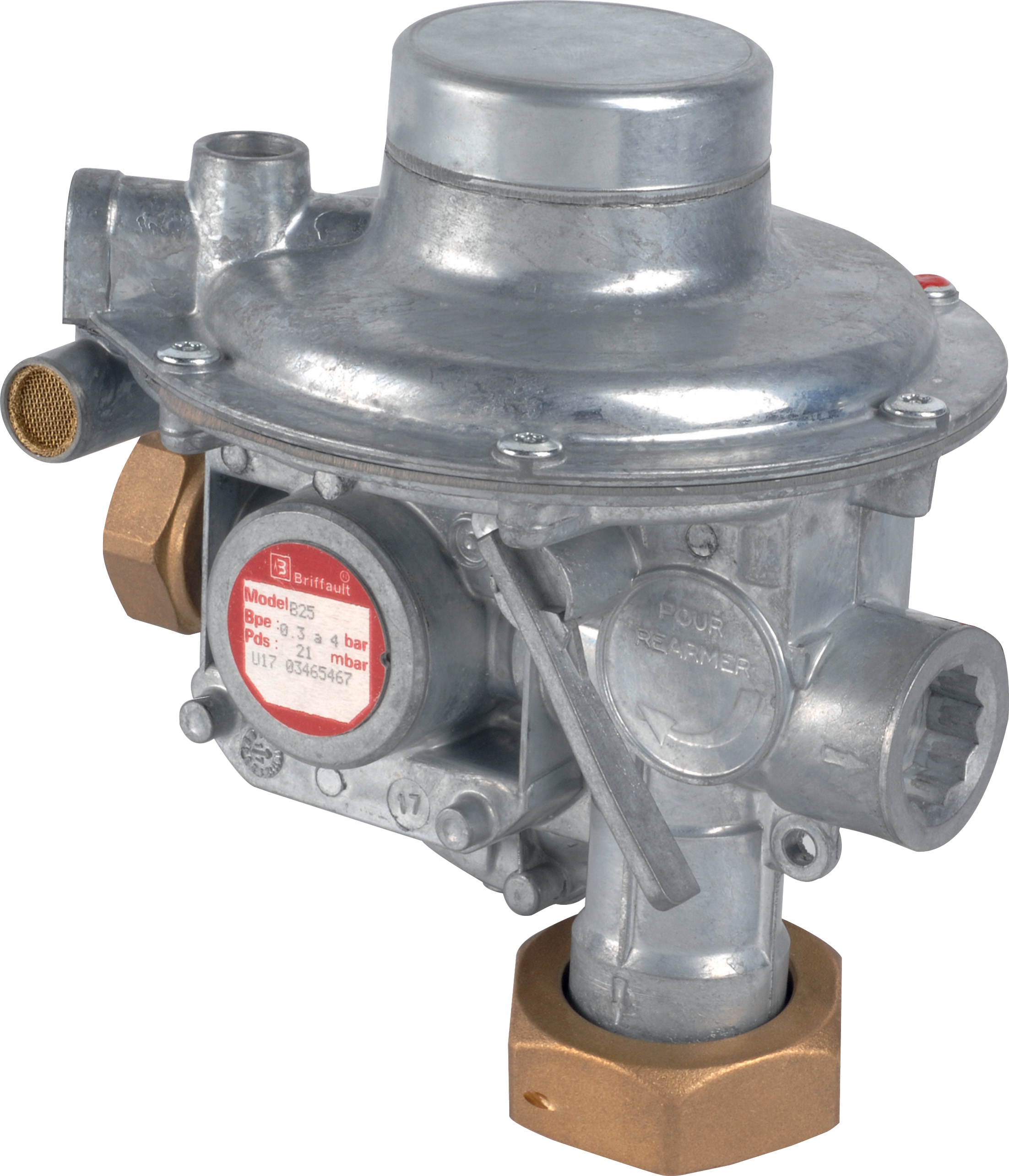
For example, the Francel B25/37mb pressure regulator with safety is designed for laboratory and industrial gas distribution with integrated safety relief at 37 mbar outlet pressure. When sourcing such equipment, confirm that the supplier provides complete certification documentation including EN standards compliance and regional approval certificates required for your operating country.
Supplier Capability Assessment
Evaluate suppliers on their ability to maintain inventory, provide technical support, and manage lead times. Key questions include: Do they stock critical components locally or import on demand? What is their average order fulfillment time? Do they employ technical staff who understand your specific applications? Can they provide calibration and testing services? Southeast Asian markets benefit from distributors who maintain regional warehousing and can provide same-week or next-week delivery for standard components.
Assess suppliers' technical support capabilities, particularly their ability to provide application engineering, specification assistance, and troubleshooting support in your working language. A distributor with 35+ years in the region understands local industrial practices and can provide insights that generic technical support cannot offer.
Financial Stability and Relationship Management
Understand your suppliers' financial positions and credit terms. The regional market includes both large multinational distributors and smaller specialized suppliers. Larger distributors offer stability and broad product ranges but may lack specialized expertise. Smaller distributors provide focused knowledge but require careful financial assessment. Establish clear payment terms, evaluate currency exposure (especially important given regional exchange rate volatility), and consider consolidating suppliers to improve negotiating leverage while maintaining redundancy.
Develop relationship management practices that go beyond transactional purchasing. Regular communication about demand forecasts, upcoming projects, and market conditions strengthens relationships and can result in improved lead times, better pricing, and priority allocation during supply constraints.
Regional Compliance Requirements and Technical Standards Framework
Successful procurement in Southeast Asia requires understanding how technical standards translate into practical requirements across different jurisdictions. Gas Valves & Regulation must meet country-specific standards while often serving applications that span multiple nations.
Multi-Jurisdictional Compliance Strategy
When sourcing components for regional operations, procurement engineers should target products meeting the highest applicable standard across all operating jurisdictions. For example, components certified to PED (applicable in Singapore) and also carrying SIRIM approval (Malaysia) and TIS certification (Thailand) provide broader deployment flexibility.
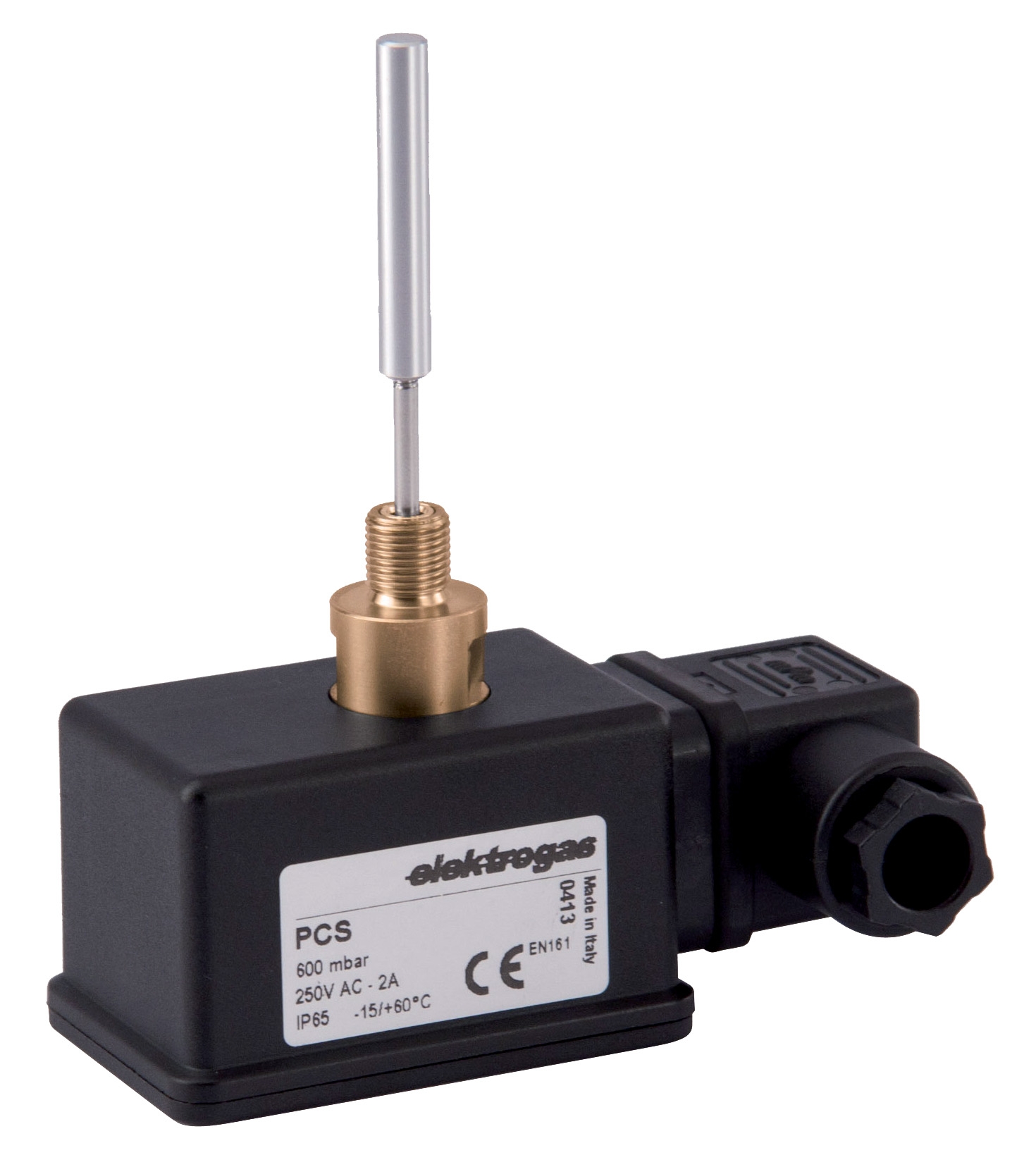
The Elektrogas VMM 20-25 end-of-stroke contact gas valve rated for 6 bar pressure and designed to EN 161 standard exemplifies products with strong multi-jurisdictional acceptance. EN standards enjoy broad recognition across Southeast Asia, though local authorities may require supplementary approvals. Always verify the specific regulatory pathway for your target countries rather than assuming EN certification provides universal acceptance.
Pressure Equipment Directive (PED) and Regional Equivalents
While PED itself applies primarily in the EU, Singapore enforces equivalent pressure equipment standards through SS 638 (Safety of Machinery—Pressure Equipment). Understanding these equivalencies helps procurement engineers identify components suitable for regional deployment. Components meeting PED Category 2 or 3 requirements typically exceed regional requirements and provide a safety margin for compliance.
Documentation and Traceability Requirements
Establish procurement practices that ensure complete documentation accompanies all components. Required documentation includes:
- Certificate of Conformity or Declaration of Conformity with specific standard references
- Pressure Equipment Certification (if applicable)
- Material test reports and traceability documentation
- Technical datasheets in English with specification clarity
- Calibration certificates for regulators (especially important for laboratory and pharmaceutical applications)
- Installation and maintenance instructions specific to your climate and operating conditions
Maintain organized documentation systems that allow rapid retrieval during audits, warranty claims, or troubleshooting. Many Southeast Asian manufacturers and some regulatory bodies conduct random compliance audits; complete documentation demonstrates procedural compliance and protects procurement decisions.
Cost Optimization, Lead Time Management, and Supply Chain Risk Mitigation
Optimizing procurement costs in Southeast Asia extends beyond unit price negotiation to encompass total cost of ownership (TCO), supply chain risk management, and strategic inventory positioning.
Total Cost of Ownership Analysis for Regional Procurement
Unit price represents only one component of TCO in Southeast Asian procurement. Calculate true costs by including:
- Import duties and tariffs (varies by ASEAN origin, trade agreements, and product classification)
- Shipping and logistics costs (increasingly significant for heavy components, substantial for urgent shipments)
- Local storage and inventory carrying costs
- Currency fluctuations and hedging costs
- Technical support and training requirements
- Warranty and repair logistics
- Regulatory compliance documentation costs
When comparing supplier quotes, request TCO estimates that itemize these factors. A supplier offering lower unit prices but requiring air freight, providing limited warranty, and offering no local support may result in higher total costs than a slightly more expensive regional distributor providing next-week delivery, comprehensive warranty, and technical support.
Strategic Inventory Positioning and Lead Time Reduction
Managing lead times in Southeast Asia requires inventory strategy that balances working capital against supply chain risk. Establish safety stock levels for critical components based on your usage rates and acceptable stockout risks. For standard components like pressure regulators, maintaining 3-4 weeks of inventory often proves more cost-effective than accepting extended lead times during production schedules.
Coordinate with regional distributors to understand inventory positions before placing orders. A distributor maintaining local stock of the Francel B25/37mb regulator can support faster project timelines than one requiring imports from Europe. Build supplier relationships that provide visibility into inventory positions and advance notice of supply constraints.
Supply Chain Diversification and Risk Management
Dependence on single suppliers creates vulnerability to disruption—manufacturing delays, currency fluctuations, or geopolitical factors can halt projects. Develop supplier strategies that maintain primary and secondary sources for critical components. For example, maintain relationships with European suppliers like Francel and Elektrogas while also identifying regional alternatives or secondary sources.
Diversification extends to product selection: instead of specifying single component models, work with your technical teams to qualify alternative products meeting the same performance requirements. This flexibility allows procurement to shift purchases based on availability, pricing, and lead times without requiring re-engineering.
Demand Planning and Supplier Collaboration
Share demand forecasts with suppliers 8-12 weeks in advance. Suppliers providing advance notice of planned production volumes can allocate inventory and manage supply chain logistics more effectively, often resulting in better pricing and improved delivery performance. Conversely, last-minute or emergency orders incur premium costs and risk extended lead times.
Establish regular business reviews with key suppliers to discuss upcoming projects, market conditions, and procurement strategies. These discussions strengthen relationships, provide early warning of potential supply issues, and create opportunities for cost optimization.
Implementation Roadmap: Building Your Southeast Asia Procurement Strategy
Developing an effective procurement strategy requires structured planning and organizational alignment. The following roadmap provides a practical implementation framework.
Phase 1: Current State Assessment (Weeks 1-2)
Conduct an inventory of current suppliers, their geographic origins, lead times, and costs. Identify spending patterns across different component categories. Assess regulatory compliance documentation gaps. Interview internal stakeholders—engineering, operations, and maintenance teams—to understand pain points with current sourcing.
Phase 2: Requirement Definition and Supplier Identification (Weeks 3-5)
Develop detailed specifications for frequently purchased components like pressure regulators and relief valves. Research potential suppliers including regional distributors, European manufacturers, and local fabricators. Create a preliminary qualified supplier list with contact information and initial capability assessments.
Phase 3: Supplier Evaluation and Selection (Weeks 6-10)
Request comprehensive quotes that include unit pricing, lead times, minimum order quantities, technical support capabilities, and certification documentation. Conduct supplier audits or facility visits for major suppliers. Develop supplier scorecards evaluating cost, quality, compliance, delivery, and technical support. Select primary suppliers for key component categories and identify secondary sources for critical items.
Phase 4: Process Implementation and Performance Monitoring (Weeks 11+)
Implement new supplier relationships with pilot purchases. Monitor delivery performance, quality, and cost against agreements. Establish quarterly business reviews to assess performance and identify improvement opportunities. Maintain documentation of all transactions, certifications, and performance metrics for audit compliance.
This structured approach transforms Gas Valves & Regulation procurement from transactional purchasing to strategic supply chain management that supports operational excellence while optimizing costs.