Understanding Gas Valves & Regulation in Procurement Context
Gas Valves & Regulation represents a critical procurement category for industrial facilities across Southeast Asia. Unlike standard valve selection, procurement engineers must balance technical performance specifications, regulatory compliance, supply chain reliability, and total cost of ownership. With 35+ years of experience distributing industrial equipment throughout Asia-Pacific, 3G Electric understands the unique procurement challenges in this region—from differing national gas standards across ASEAN countries to the need for rapid technical support and spare parts availability.
When procurement teams evaluate gas valve suppliers, they're not simply purchasing components; they're selecting partners who will support system reliability, regulatory compliance, and operational safety across multiple facilities. This requires understanding both the technical specifications that define valve performance and the commercial factors that ensure long-term partnership success.
Technical Specification Requirements for Gas Valve Selection
Successful procurement begins with clearly defined technical specifications. Procurement engineers must establish baseline requirements before engaging suppliers or comparing quotations.
Pressure Range and Outlet Control
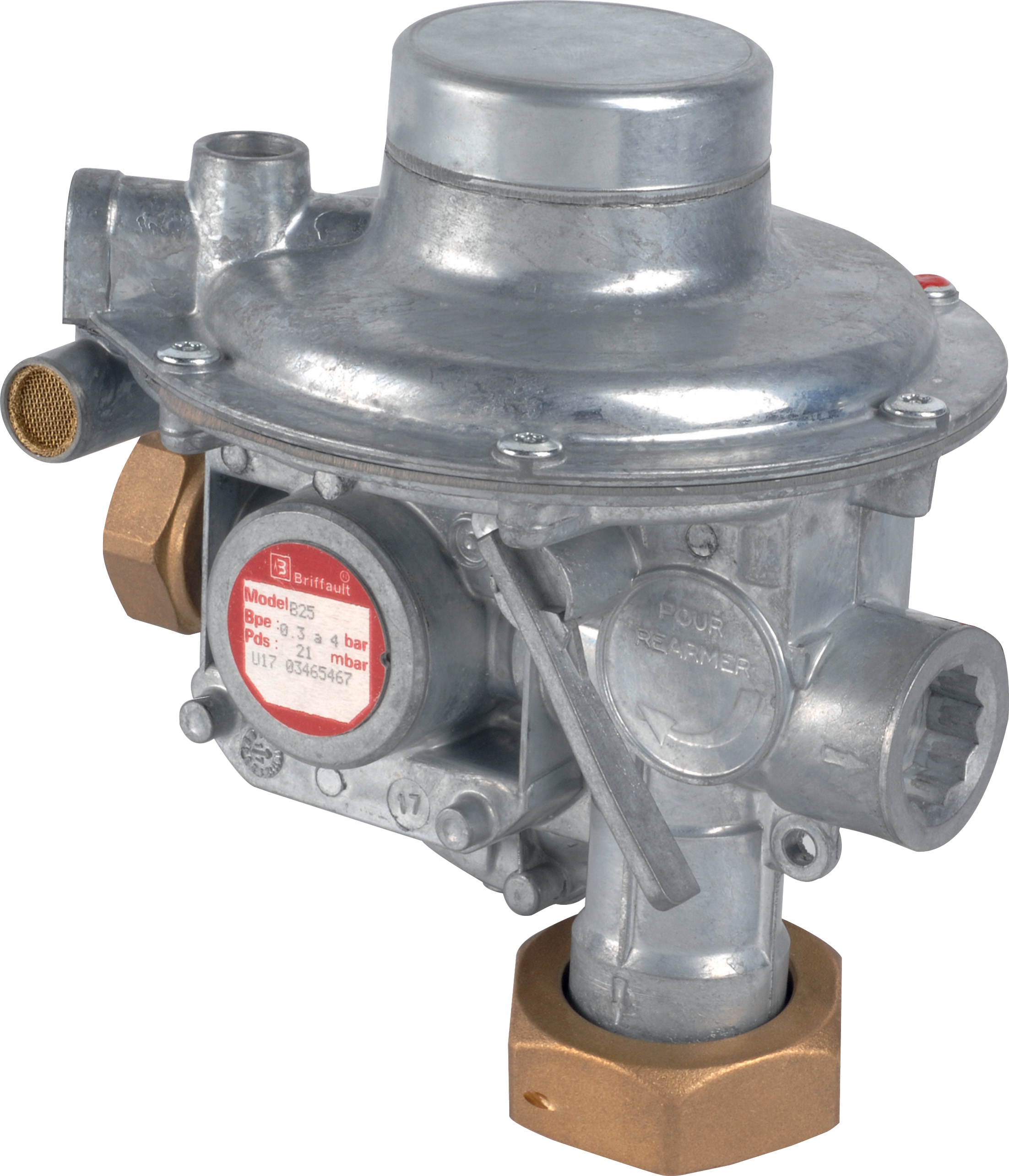
The pressure regulation requirement is fundamental. Industrial gas distribution systems across Southeast Asia operate at varying pressures depending on application—laboratory systems typically require lower outlet pressures (20-40 mbar range), while industrial burners and process systems demand higher regulation points (up to several bar). The Francel B25/37mb pressure regulator exemplifies precision specification: it delivers 37 mbar outlet pressure with integrated safety relief, making it suitable for laboratory and controlled-environment applications. When specifying pressure regulators, procurement engineers must document:
- Inlet pressure range (maximum and minimum supply pressures)
- Required outlet pressure (with acceptable tolerance range)
- Maximum flow rate (at rated pressure differential)
- Safety relief setting (integrated or external)
- Outlet port size and configuration (for system integration)
Different applications demand different regulatory approaches. Process systems requiring stable pressure over varying flow conditions benefit from pilot-operated regulators with integral safety relief. Laboratory applications with lower flow demands may use simpler direct-acting designs. Procurement specifications must clearly identify which type suits the intended application.
Safety Standards and Compliance Framework
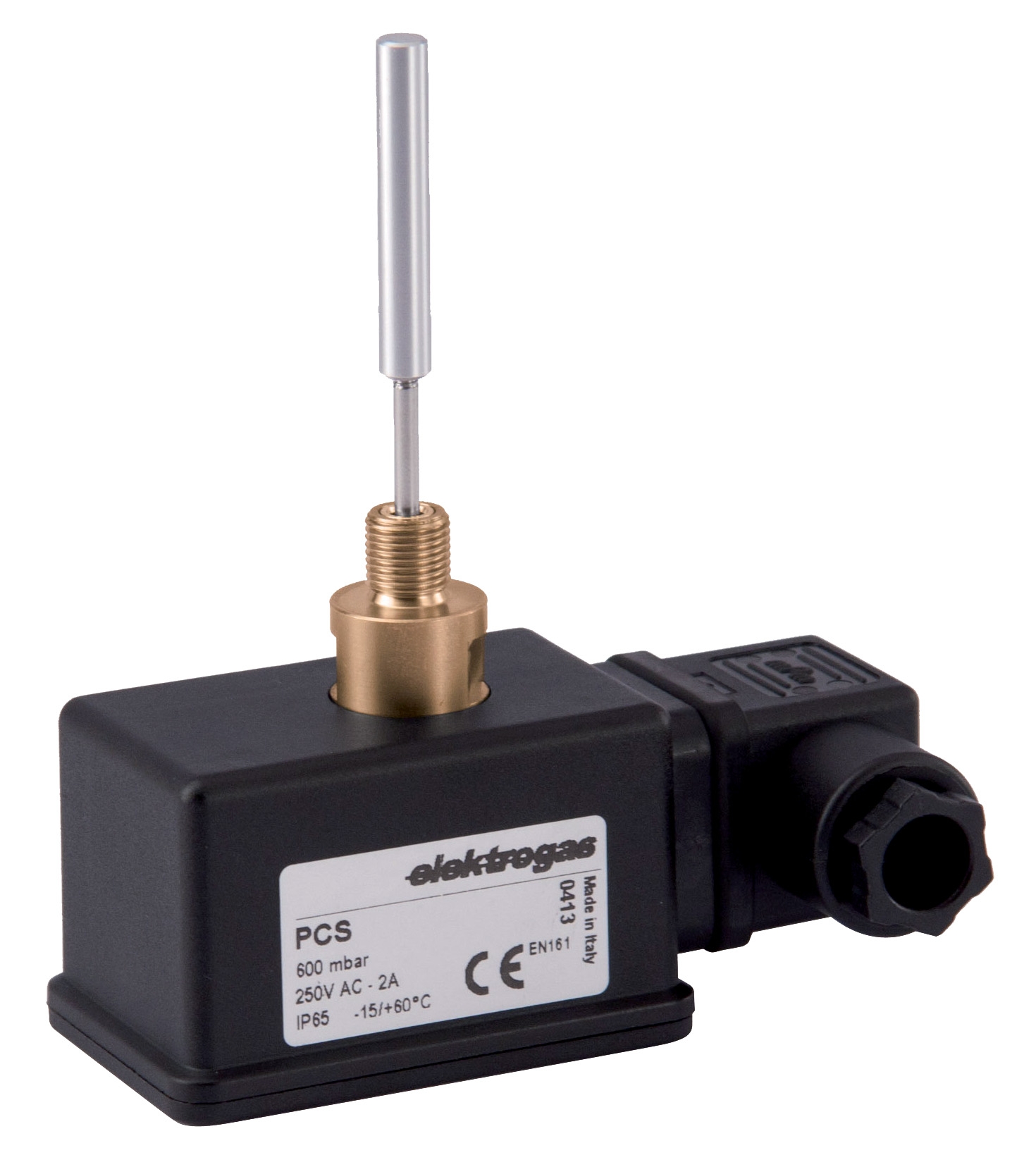
Southeast Asian industrial operations must comply with multiple overlapping standards. Singapore facilities reference EN 161 standards for gas valve design; Malaysia, Thailand, and Indonesia have national variants. The Elektrogas VMM 20-25 end-of-stroke contact valve designed to EN 161 standard demonstrates how supplier specifications address regulatory requirements explicitly.
Procurement engineers should verify:
- Applicable national standards (Singapore: SS 638, Malaysia: MS 1427, Thailand: TIS standards)
- EN European standards adopted by regional facilities
- Safety certification (CE marking, third-party testing documentation)
- Test certificates for pressure rating and functional safety
- Material certifications for gas compatibility (brass, stainless steel, etc.)
Include these compliance requirements in procurement specifications before soliciting quotations. Suppliers unfamiliar with Southeast Asian regulatory frameworks may underestimate costs or timelines needed to deliver compliant products.
Flow Capacity and System Integration
Gas valve sizing directly impacts system performance and cost. Undersized valves create excessive pressure drop and slow response; oversized valves sacrifice control precision. Procurement specifications must define:
- Normal operating flow rate (Nm³/h or similar units)
- Peak flow conditions (for burst demand scenarios)
- Acceptable pressure drop (typically 0.1-0.5 bar at rated flow)
- Response time requirements (for safety-critical applications)
- Connection size and thread type (ISO NPT, BSP, or flanged)
For systems with multiple gas supplies or complex distribution networks, specify whether single-stage or dual-stage pressure regulation is required. Single-stage regulators work well for stable, low-flow applications; dual-stage systems provide superior pressure stability and reduced outlet pressure variation for demanding processes.
Supplier Evaluation and Long-Term Partnership Strategy
Procurement engineers in Southeast Asia face a critical decision: local suppliers with fast response but limited technical depth, or international suppliers with technical expertise but longer lead times and higher costs. A sustainable procurement strategy balances both considerations.
Vendor Technical Capability Assessment
When evaluating potential suppliers, procurement teams should assess:
- Product range depth in gas regulation—suppliers offering complete families (pressure regulators, safety relief valves, isolation valves, flow control) enable system optimization and simplify spare parts management
- Technical documentation quality—datasheets should specify performance curves, pressure drop characteristics, and environmental operating ranges
- Application experience—suppliers with references in similar industrial sectors (food processing, pharmaceutical, chemical, power generation) demonstrate practical knowledge
- Certification and testing for regional standards (not just international certifications)
- Local technical support—ability to troubleshoot issues, provide training, and commission systems at site
3G Electric's 35+ years in industrial equipment distribution across Asia-Pacific means we understand these regional requirements deeply. We maintain technical expertise in both international standards and local regulatory variants, enabling procurement teams to navigate complex compliance landscapes.
Supply Chain Reliability and Spare Parts Strategy
Gas valve systems require reliable spare parts availability. A single failed regulator can halt production in sensitive applications. Procurement strategy should address:
- Spare parts inventory - How quickly can suppliers deliver critical components? Are spare parts stocked locally or imported?
- Product continuity - Will the supplier maintain product availability for 5-10 years? (Many industrial facilities operate equipment for this duration)
- Cross-compatibility - Can replacement components integrate with existing system piping and controls?
- Emergency support - Are 24/7 technical hotlines available for critical failures?
When evaluating complete gas distribution solutions, specify products that come from established equipment families. The Elektrogas VMM 20-25 valve, as a standardized product within the Elektrogas range, offers longer-term spare parts availability compared to custom-engineered solutions.
Total Cost of Ownership Calculation
Lowest purchase price rarely represents best procurement value for gas regulation systems. Calculate total cost of ownership across:
- Equipment costs (purchase price plus import duties, shipping)
- Installation and commissioning (labor, testing, certification)
- Spare parts and consumables (over expected 5-10 year service life)
- Maintenance labor (training, periodic inspections, regulatory testing)
- Regulatory compliance (certification renewals, safety audits)
- Downtime costs (impact of equipment failure on production)
A regulator costing 15% more upfront but offering superior reliability and local spare parts support often provides better total cost of ownership than discount alternatives requiring lengthy replacement lead times.
Practical Procurement Implementation
Specification Document Development
Create standardized procurement specifications covering:
1. System schematic diagram showing all gas valves, regulators, and control points
2. Pressure and flow requirements for each section
3. Safety requirements (shutdown scenarios, relief settings, emergency isolation)
4. Compliance standards applicable to facility location
5. Environmental conditions (ambient temperature, humidity, gas type)
6. Connection specifications (pipe sizes, thread types, flange standards)
7. Spare parts list (critical components to maintain in inventory)
8. Documentation requirements (test certificates, manuals, commissioning records)
This standardized approach enables consistent supplier quotations and simplifies comparison evaluation.
Supplier Evaluation Matrix
Develop objective scoring criteria:
- Technical capability (40%): Product range, documentation quality, application experience
- Regulatory compliance (25%): Certifications, local compliance expertise, test documentation
- Supply chain reliability (20%): Spare parts availability, local inventory, lead times
- Commercial factors (15%): Price competitiveness, payment terms, warranty coverage
This weighted approach prevents lowest-price bias while maintaining objective evaluation discipline.
Commissioning and Documentation Strategy
Require suppliers to:
- Commission systems on-site with facility personnel present
- Provide training on operational parameters, pressure settings, and maintenance
- Deliver complete documentation including pressure-drop curves, performance data, and spare parts diagrams
- Establish baseline performance with documented measurements (outlet pressure under load, response times)
- Schedule follow-up visits at 30 days, 90 days, and 12 months post-installation
Proper commissioning prevents operational issues and builds supplier relationships essential for long-term partnership.
Southeast Asian Market Considerations
Procurement engineers operating across multiple ASEAN countries face regulatory variation that must inform supplier selection:
- Singapore maintains strict EN 161 compliance with regular safety audits
- Malaysia requires local testing and certification for critical components
- Thailand and Indonesia are increasingly aligning with international standards but still maintain unique requirements
- Availability of spare parts varies dramatically—Singapore offers next-day delivery while remote facilities may require 2-4 week lead times
- Technical service quality differs significantly—established distributors in major metropolitan areas provide superior support
A procurement strategy addressing these regional variations ensures long-term operational reliability across multi-country operations. Partner with suppliers maintaining local presence (warehousing, technical staff, service centers) in key Southeast Asian markets.
Conclusion
Gas Valves & Regulation procurement success requires balancing technical specification rigor with practical supply chain management. By developing comprehensive specifications, objectively evaluating suppliers across technical and commercial criteria, and prioritizing long-term partnership reliability, procurement engineers can establish gas distribution systems that deliver decades of safe, efficient operation.
3G Electric's deep experience in Southeast Asian industrial equipment distribution positions us to support procurement teams through every phase—from initial specification development through ongoing spare parts and technical support. Our 35+ years in the region mean we understand both international technical standards and local regulatory requirements, enabling seamless procurement execution across ASEAN markets.