Understanding Gas Valve Lifecycle & Deterioration Patterns
Gas valves & regulation equipment operates in demanding environments where pressure fluctuations, temperature variations, and contamination accelerate component wear. With over 35 years of experience distributing industrial equipment, 3G Electric has observed consistent failure patterns across valve types: gradual seal degradation, spring fatigue, and diaphragm weakening are the primary causes of performance loss.
Unlike catastrophic failures that announce themselves loudly, regulatory drift occurs silently. A pressure regulator losing calibration by 5-10% monthly may not trigger alarms, but it compounds into significant operational inefficiencies. Maintenance teams must shift from reactive repair to predictive intervention—scheduling component replacement based on service hours, not breakdowns.
The lifecycle of a typical industrial pressure regulator spans 3-5 years under continuous duty, though this varies dramatically by application. Laboratory gas systems experience gentler usage patterns than high-pressure burner controls, extending component life. Conversely, systems operating near maximum rated pressure or handling corrosive gases (hydrogen sulfide, chlorine) see accelerated deterioration. Understanding your specific equipment's duty cycle is the foundation of effective preventive maintenance.
Establishing Inspection & Monitoring Protocols
Systematic inspection is the cornerstone of preventive maintenance for gas valves & regulation systems. Monthly visual inspections should identify external leaks, corrosion, unusual noise, or vibration—signs that internal degradation has begun. Use a soap solution to detect minute leaks invisible to the naked eye; bubbling indicates escaping gas and signals valve seat erosion or seal failure.
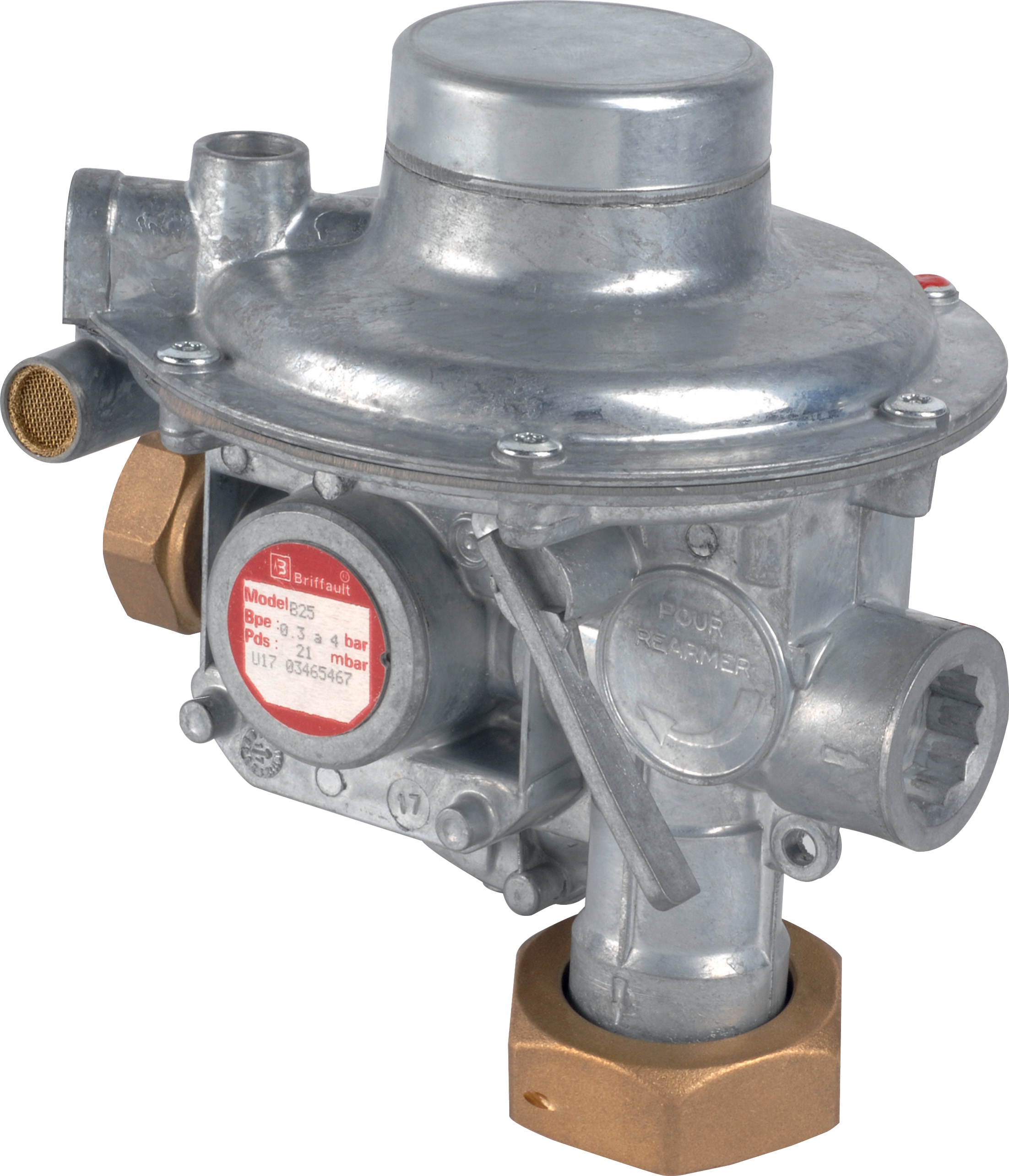
Pressure trend monitoring is equally critical. Record outlet pressure readings weekly under identical load conditions. Gradual pressure drift—even 2-3 mbar per month—indicates diaphragm fatigue or spring relaxation. The Francel B25/37mb pressure regulator with integrated safety relief is engineered to maintain stable 37 mbar outlet pressure; if your readings deviate consistently, the unit requires bench testing or replacement.
Maintenance teams should develop a simple log for each valve:
- Inlet and outlet pressure readings
- Date and operator
- Visual observations (leaks, corrosion, discoloration)
- Ambient temperature during measurement
This data becomes invaluable when troubleshooting. A regulator losing pressure during cold nights but recovering in daylight indicates temperature-related spring behavior—predictable and manageable. Unexplained pressure swings suggest internal damage requiring urgent replacement.
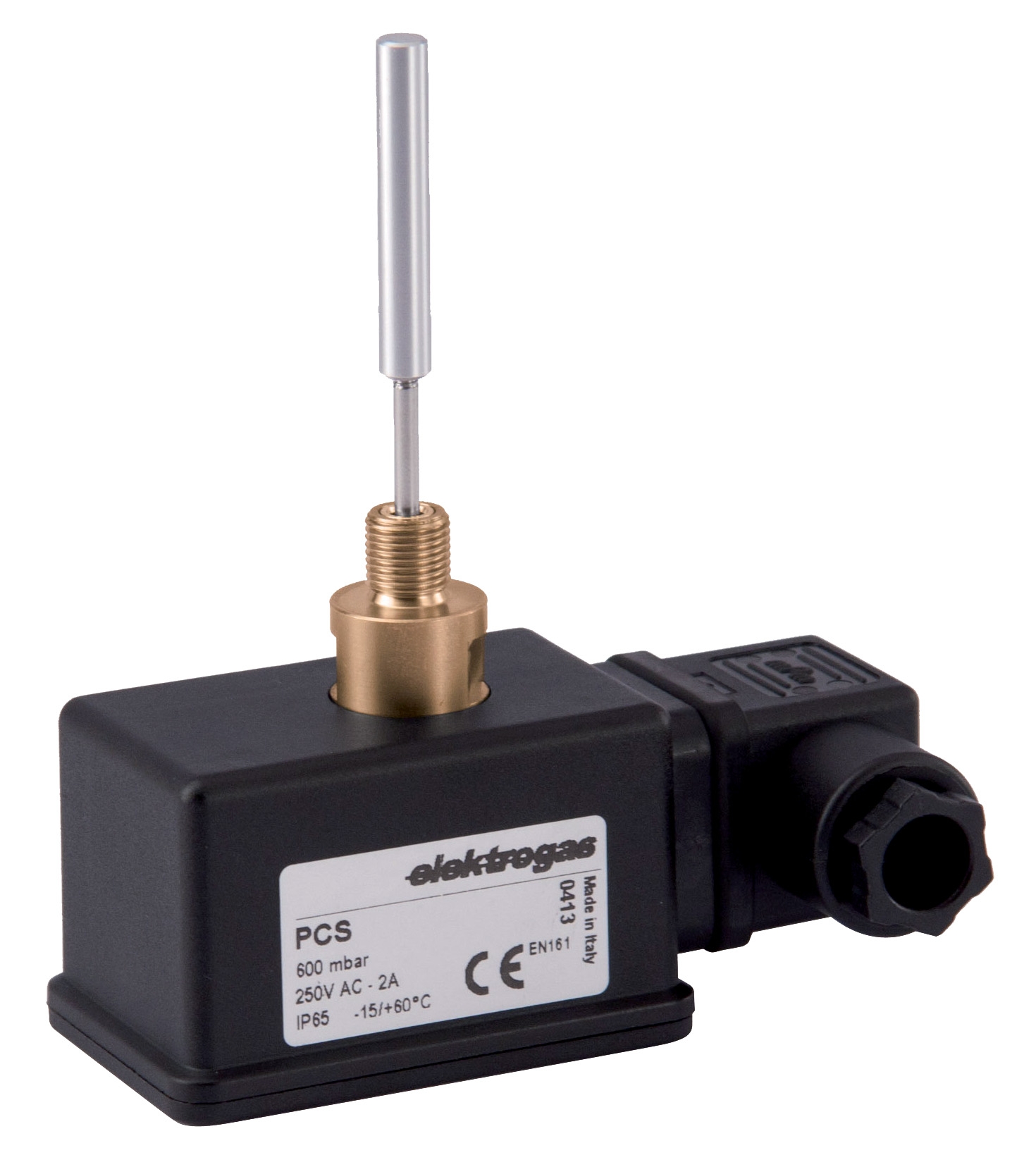
For end-of-stroke contact valves like the Elektrogas VMM 20-25 rated for 6 bar, check electrical continuity monthly using a multimeter. These devices include integrated contacts that signal pneumatic position changes; corroded contacts cause intermittent failures that confuse operators and create safety risks. A 3 mm Allen wrench adjustment should be performed annually to compensate for mechanical wear—do not skip this step as it prevents catastrophic contact failure.
Implement tag-out procedures during inspections to prevent accidental valve operation. Gas system pressure release must always precede maintenance work. Ensure proper ventilation and use pressure gauges rated 1.5-2× your maximum operating pressure to avoid gauge damage from spikes.
Component Replacement Strategy & Service Planning
Preventive replacement of wear components—seals, diaphragms, springs—extends valve life dramatically and costs far less than unplanned outages. For a standard industrial pressure regulator, budget replacement of internal seals every 2-3 years and the diaphragm every 4-5 years. High-pressure applications (above 50 bar) warrant more frequent replacement schedules.
Maintenance teams must stock critical spare parts: diaphragm kits, seal sets, spring assemblies, and outlet gauges. When a regulator exhibits drift, having spares enables same-day correction rather than extended downtime. The cost of holding inventory (typically 10-15% of annual equipment expenditure) is trivial compared to production losses from unplanned stoppages.
For pilot-operated regulators and complex multi-stage systems, develop a planned replacement schedule aligned with your plant's maintenance shutdowns. Rather than waiting for failure, replace internal components during planned downtime when technicians can perform thorough bench testing and recalibration. This approach distributes maintenance costs predictably and eliminates emergency service calls that carry premium pricing.
When ordering replacement components, always cross-reference original equipment specifications. Pressure rating, port size, outlet pressure setting, and material compatibility must match exactly. Using substitutes—even from reputable suppliers—risks performance deviation. 3G Electric maintains inventory of OEM components for popular regulators, ensuring you receive exact replacements that preserve system calibration.
For high-pressure applications requiring robust performance, systems incorporating Pratissoli high-pressure sewer cleaning hoses with complete fittings or Pratissoli Pilotflex 120 complete hose assemblies benefit from coordinated replacement of associated valve controls. These Italian-engineered systems are designed for integrated operation; maintaining component alignment across the pressure train ensures stable regulation and extended service life.
Troubleshooting Common Valve Degradation & Root Cause Analysis
When a regulator fails to maintain setpoint, maintenance teams must methodically diagnose the cause rather than assuming component failure. This structured approach saves money by identifying fixable problems before replacement becomes necessary.
Gradual Pressure Drift (1-5% per week): Likely causes are diaphragm micro-cracks, seal wear, or valve seat roughness. Initial response: reduce inlet pressure slightly while monitoring outlet. If drift slows or stops, the valve is operating at capacity—consider upgrading to a larger regulator or installing a secondary stage. If drift continues identically, internal degradation is confirmed; plan replacement during next maintenance window.
Erratic Pressure (swings of ±10%+ over minutes): Suggests valve hunting—unstable feedback loop. Check for inlet pressure fluctuations using a quality digital gauge over 10-minute intervals. If inlet is stable, the regulator's balance chamber may have contamination (debris on the seat). Attempt cleaning by carefully cycling the adjustment screw through its range 10-15 times. If oscillation persists, the diaphragm is likely damaged and must be replaced.
Increased Noise or Hissing: Indicates velocity erosion inside valve ports or relief discharge. Inspect outlet line for restrictions; if clear, the regulator is operating at or beyond design capacity. Upgrade to a larger flow capacity or install a larger pilot vent. The integrated safety relief on the Francel B25/37mb includes a 10 mm vent—verify it is clean and unobstructed.
Contact Valve Intermittency (like the Elektrogas VMM 20-25): Sluggish or inconsistent electrical switching indicates contact oxidation. Clean contacts using fine abrasive material (400+ grit) or replacement contact cartridges. Test electrical continuity before and after cleaning. If cleaning restores performance, schedule quarterly preventive cleaning. If switching remains erratic, internal spring fatigue requires replacement—contact cartridges are design wear items on solenoid-operated pilots.
External Leaks from Connection Points: Do not assume fittings are loose. Measure pressure at the suspected leak location; if pressure is higher than setpoint, the regulator body may have developed a micro-crack—replacement is mandatory for safety. If pressure is at setpoint, tighten fittings carefully (1/4 turn maximum) to avoid damage. If leaking continues, disassemble, inspect ferrules and threads for damage, and replace compression fittings.
Document all troubleshooting results. Over time, patterns emerge that indicate which equipment requires replacement before critical failures occur. If a specific regulator model consistently experiences seal wear at 2-year intervals despite proper maintenance, specify a different manufacturer for future purchases—your historical data justifies the change and improves long-term reliability.
Optimizing Maintenance Costs & Equipment Longevity
Preventive maintenance for gas valves & regulation systems is fundamentally an economics problem: trading small, predictable maintenance costs for large, unpredictable failure costs. For most industrial operations, preventive maintenance reduces total cost of ownership by 30-40% compared to reactive repair strategies.
Establish preventive maintenance frequencies based on duty cycle, not calendar time. A laboratory regulator operating 4 hours daily operates roughly 1,500 hours annually—schedule component replacement every 3-4 years. An industrial burner regulator running continuously operates 8,760 hours annually—plan replacement every 18-24 months. Adjust intervals based on your facility's actual operating patterns.
Training maintenance staff on valve operation and inspection technique multiplies preventive maintenance effectiveness. Most organizations invest heavily in equipment but under-invest in technician knowledge. A technician who understands why a diaphragm fails under specific conditions makes better decisions about replacement timing and component specification.
When specifying replacement equipment, consider total lifecycle cost rather than initial purchase price. A precision regulator costing 40% more than a basic model may deliver 60% longer service life, lower maintenance frequency, and superior pressure stability—ultimately saving money. 3G Electric's 35+ years of equipment distribution experience has revealed that maintenance-intensive, low-cost components almost always prove more expensive than reliable, well-engineered systems.
Finally, establish relationships with equipment distributors who understand your maintenance philosophy. 3G Electric maintains comprehensive inventory and technical expertise to support preventive maintenance schedules, providing components quickly when planned replacement occurs and offering guidance on component specifications that match your specific duty cycles. When your maintenance team operates proactively, partnerships with knowledgeable suppliers become force multipliers for reliability.