Understanding Gas Valves & Regulation Systems
Gas valves and regulation systems form the backbone of safe, efficient industrial operations. Whether managing laboratory gas distribution, pneumatic controls, or high-pressure applications, maintenance teams must understand how these components function together to maintain system integrity and safety compliance.
A complete gas regulation system typically consists of inlet valves, pressure regulators, relief valves, and outlet controls working in coordination. The regulator reduces high inlet pressure to a stable, usable downstream pressure. Safety relief valves protect against overpressurization. End-of-stroke contact valves signal system state changes. Each component requires different maintenance protocols and replacement intervals.
With over 35 years of experience distributing industrial equipment globally, 3G Electric understands that equipment downtime costs money and compromises safety. Maintenance teams that implement systematic lifecycle management reduce emergency repairs by 60-70% and extend equipment service life by 3-5 years.
Developing a Preventive Maintenance Schedule
Preventive maintenance transforms reactive firefighting into planned, efficient operations. Rather than waiting for failure, maintenance teams should establish inspection intervals based on equipment type, application severity, and manufacturer specifications.
Baseline Inspection Intervals
Monthly inspections should include:
- Visual examination of valve bodies for corrosion, cracks, or leaks
- Pressure gauge verification against known calibrated reference standards
- Outlet pressure stability checks under normal operating load
- Vent port clearance verification (no debris blockage)
- Connection integrity—check all fittings for weeping or seeping
- Functional operation testing of relief valves under controlled load increase
- Documentation of pressure response times and relief cracking pressure
- Inspection of internal valve seats through transparent sight glasses if equipped
- Measurement of pressure drop across regulators at various flow rates
- Assessment of any performance drift since last baseline reading
- Complete disassembly and internal cleaning of primary regulators
- Replacement of worn diaphragms, seals, and spring assemblies
- Recalibration of pressure settings against certified test equipment
- Hydrostatic or pneumatic pressure testing to manufacturer specifications
- Documentation of all findings in equipment history files
Creating a Maintenance Log System
Maintenance effectiveness depends on accurate record-keeping. Establish a log for each regulator and valve that captures:
- Baseline performance data (cracking pressure, outlet pressure, response time)
- Date, technician name, and specific work performed at each interval
- Any adjustments made with before/after measurements
- Spare parts consumed (diaphragms, springs, seals, o-rings)
- Anomalies or degradation trends requiring attention
- Predicted replacement dates based on wear patterns
This historical data reveals degradation trends. If cracking pressure drifts 5-10 mbar annually, you can predict replacement timing rather than experience sudden failure.
Component Assessment and Replacement Protocols
Not all components age at the same rate. Understanding failure mechanisms helps maintenance teams prioritize replacement budgets and inventory.
Pressure Regulators and Diaphragm Inspection
Diaphragms represent the most common wear point in pressure regulators. Over time, repeated flexing causes material fatigue. Inspect diaphragms for:
- Visible cracks or splits—even hairline fractures compromise integrity
- Hardening or brittleness—test with gentle finger pressure; elasticity should return immediately
- Discoloration or material degradation—indicates chemical attack from gas contaminants
- Bulging or permanent deformation—signals loss of proper sealing
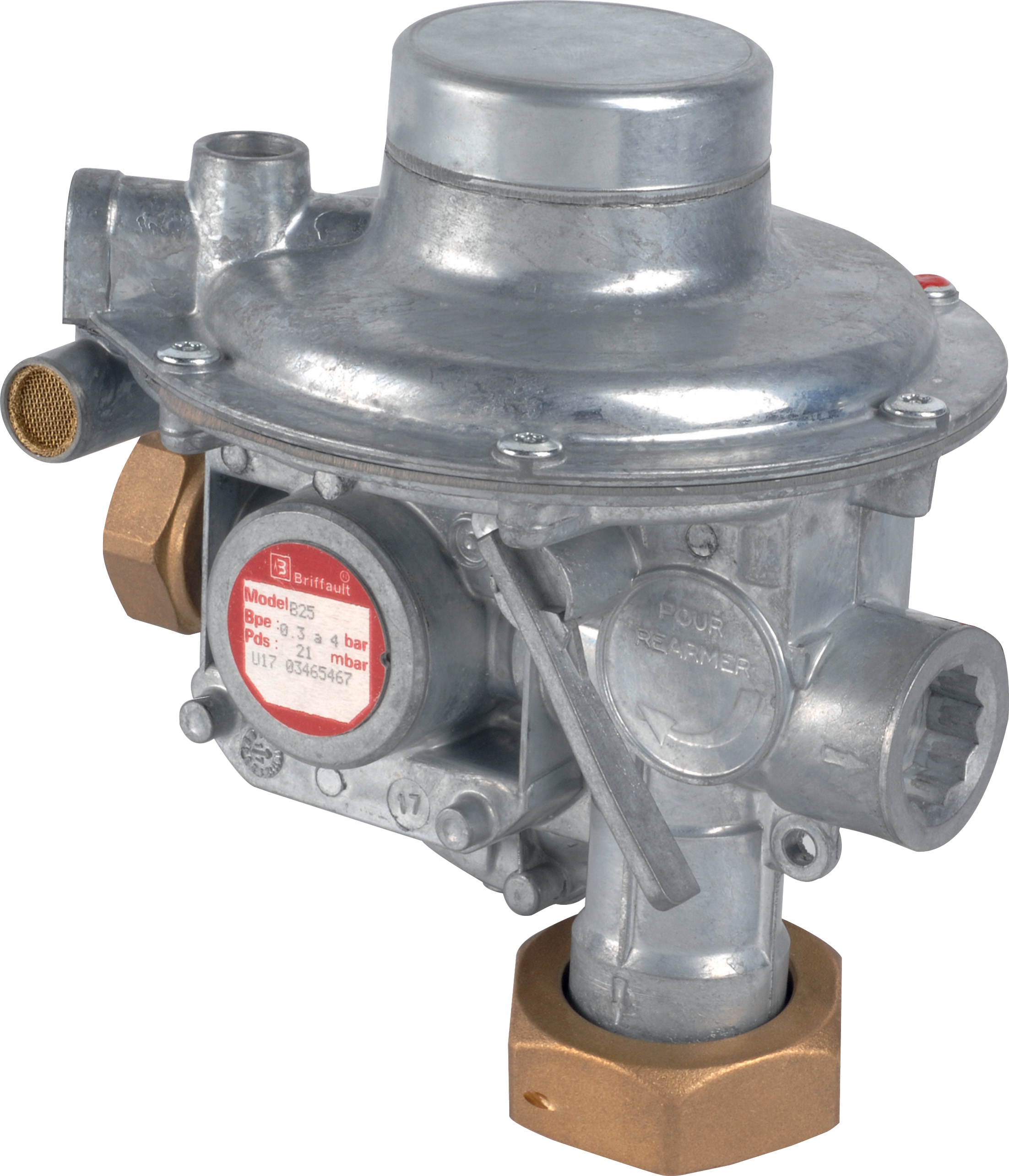
Regulators like the Francel B25/37mb with integrated safety relief are designed for laboratory and industrial distribution but still require diaphragm replacement every 2-3 years depending on cycle frequency and gas type. Maintain replacement diaphragm kits in stock to minimize downtime.
Spring assemblies degrade concurrently with diaphragms. Springs lose tension gradually, causing creep—slow drift of outlet pressure over weeks or months. When replacing a diaphragm, always replace the associated spring to restore factory specifications.
Safety Relief Valve Assessment
Relief valves demand strict maintenance discipline because they protect against dangerous overpressure conditions. Assessment requires:
Cracking pressure verification using controlled load testing. Increase inlet pressure slowly while observing outlet flow. Record the pressure at which relief begins. Compare to design specification and previous readings. Drift of ±5 mbar acceptable; beyond that requires internal cleaning or replacement.
Vent port inspection ensures unobstructed relief discharge. Blocked vents prevent pressure release, creating backup that can force relief valve seating and failure. Clear any accumulated debris, mineral deposits, or corrosion products.
Seat leakage testing involves pressurizing upstream while observing downstream vent. Any audible hiss or visible moisture indicates worn valve seat. Minor leakage often resolves through gentle cleaning of particulate matter; heavy leakage requires cartridge replacement.
End-of-Stroke Contact Valve Maintenance
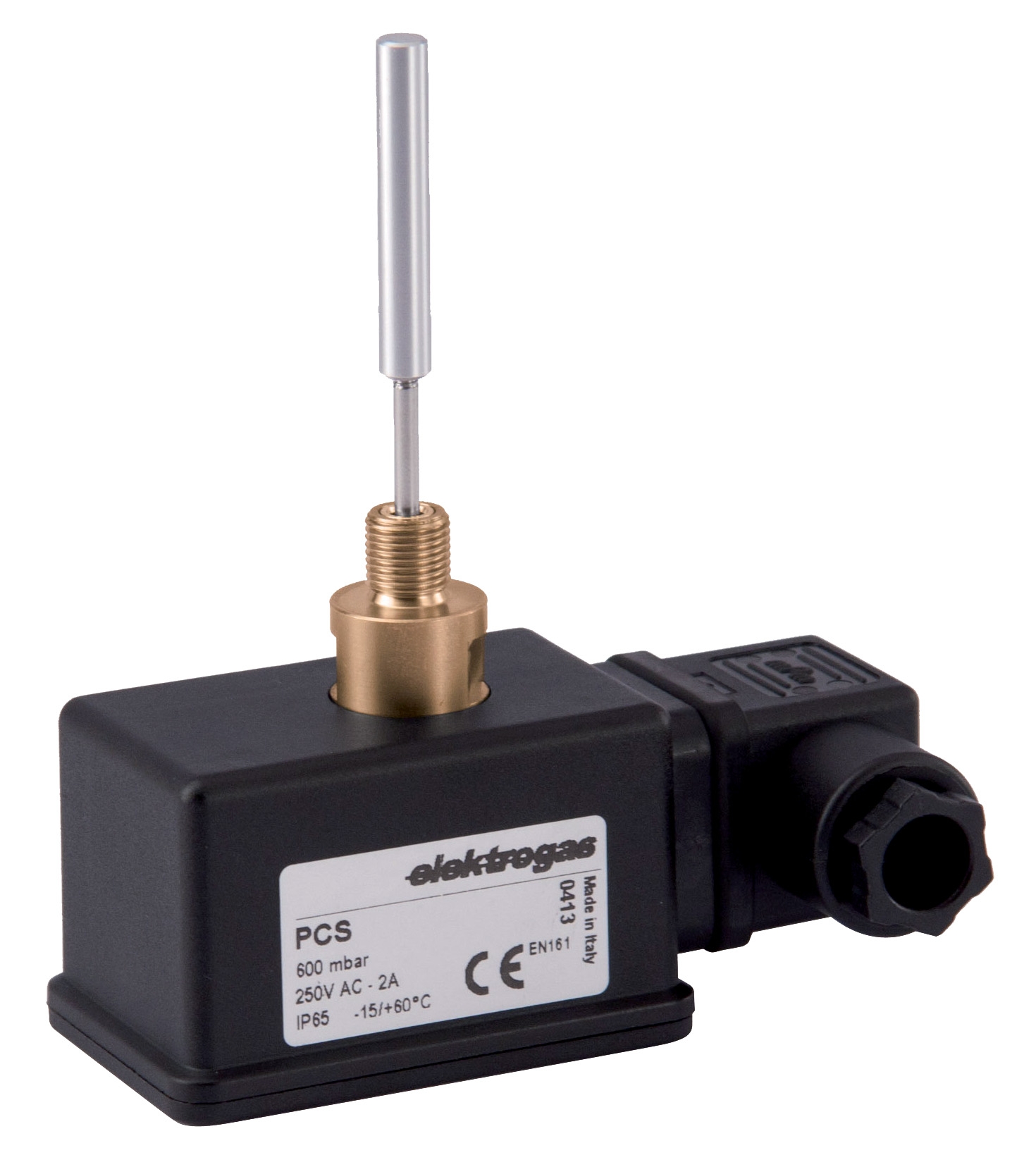
Elektrogas end-of-stroke contact valves like the VMM 20-25 rated for 6 bar combine pneumatic function with electrical signaling. Maintenance requires attention to both aspects:
Pneumatic function testing involves applying rated pressure (6 bar maximum) and verifying smooth operation. Listen for abnormal noises indicating internal wear. Measure response time from signal to full actuation—degradation suggests internal spring weakening.
Electrical contact inspection requires powering the system with volt/ammeter verification. Poor contact pressure prevents reliable signal. If electrical continuity becomes intermittent, clean contact surfaces with desoldering braid and isopropyl alcohol. Contact adjustment requires a 3 mm Allen wrench; ensure correct position per manufacturer drawing.
Seal inspection focuses on the valve stem where pneumatic chamber meets electrical housing. Weeping oil or gas past the stem seal indicates replacement need. Failing to address this allows contamination of electrical contacts.
System Integration and Extended Lifespan Management
Gas valves and regulators don't operate in isolation. System integration quality directly impacts individual component lifespan.
Pressure Stability and Flow Dynamics
Maintenance teams often overlook how downstream demand fluctuations stress regulation systems. Rapid flow increases cause momentary pressure sags; sudden closures create surge pressures that stress relief valves. Assess your system for:
- Flow demand patterns—identify peak usage periods and sudden load changes
- Surge tank sizing—undersized surge capacity forces regulators to respond to every demand transient
- Pipeline sizing—undersized piping increases pressure drop and flow velocity, reducing regulator stability
- Load sequencing—stagger large equipment starts to smooth demand ramps
Systems with stable, predictable demand experience 40% less regulator wear than systems with erratic use patterns. Sometimes a $3,000 surge tank investment extends regulator life by 5 years, providing rapid ROI.
Gas Quality and Contamination Management
Dirty gas kills regulators prematurely. Particulates, moisture, and oil vapor accumulate on valve seats and diaphragms, causing:
- Stiction (static friction preventing smooth motion)
- Seat erosion and leakage
- Diaphragm embrittlement from chemical attack
- Spring corrosion
Implement inlet filtration with micron ratings appropriate to your gas type:
- General industrial gas (air, nitrogen): 10-25 micron coalescing filters
- Laboratory gases: 5 micron particulate + 0.5 micron oil mist filters
- Oxygen service: 3 micron particulate filters (no oil-based products)
Replace filter elements on schedule, not when visibly blocked. A partially saturated filter still allows micron-sized contamination to pass. Establish replacement intervals based on gas type and consumption rate—typically 6-12 months for most industrial applications.
Pressure Line Integrity and Leak Prevention
Leaks represent both safety hazards and maintenance cost multipliers. They force regulators to work harder, reducing lifespan. Systematic leak prevention includes:
Connection inspection at each joint—tighten compression fittings quarterly with appropriate wrench sizes. Over-tightening damages ferrules and threads; under-tightening allows weeping.
Tubing assessment for stress cracking, pinhole corrosion, and abrasion. Metal tubing corrodes from inside if moisture accumulates. Trace routes to identify areas prone to vibration, sharp bends, or external damage.
Pressure testing annually to 1.5× maximum working pressure using soap solution to detect leaks. Mark any weeping connections for follow-up repair or component replacement.
Practical Compliance and Safety Verification
Regulation systems handling pressurized gas must meet safety standards. Maintenance documentation becomes essential for regulatory compliance and liability protection.
EN 161 certification applies to safety relief valves in gas applications. Equipment like the Elektrogas VMM 20-25 meets this standard, but only if properly maintained. Document annual verification that relief function operates within specification.
Pressure Equipment Directive (PED) compliance requires maintenance records demonstrating periodic inspection and testing. Establish a file system capturing:
- Original equipment specifications and certifications
- Maintenance work orders with dates and technician signatures
- Test results with measured values and comparison to baselines
- Any deviations from specification with corrective actions taken
- Component replacement history with part numbers and serial numbers
This documentation protects your organization if incidents occur and demonstrates due diligence to regulators and insurers.
Staff competency verification ensures maintenance personnel understand the equipment they service. Require:
- Initial training on system operation and safety hazards
- Hands-on instruction in pressure testing and component replacement
- Annual refresher training with documented sign-off
- Certification for technicians performing critical safety function testing
Well-trained teams prevent mistakes that damage equipment or create unsafe conditions.
Conclusion
Gas valves and regulation systems demand respect and systematic attention. Maintenance teams that implement preventive scheduling, accurate record-keeping, and proactive component assessment achieve superior reliability and cost-effectiveness. 3G Electric's 35+ years distributing industrial equipment globally reinforces that equipment lifespan extends dramatically when maintenance transitions from reactive to predictive practices.
The investment in systematic lifecycle management—schedule discipline, documentation rigor, and component inventory—returns itself many times through reduced downtime, improved safety, and extended equipment life. Start with your most critical systems, establish baseline performance data, and build from there. Over time, you'll develop predictive knowledge enabling you to schedule maintenance precisely when needed, not when failure forces your hand.