Understanding Gas Valves & Regulation: Two Distinct Control Philosophies
Gas Valves & Regulation encompasses a spectrum of control technologies, but two fundamentally different approaches dominate Southeast Asian industrial installations: end-of-stroke contact valves and integrated pressure relief regulators. Understanding when to deploy each technology is critical for system reliability, operator safety, and lifecycle cost management.
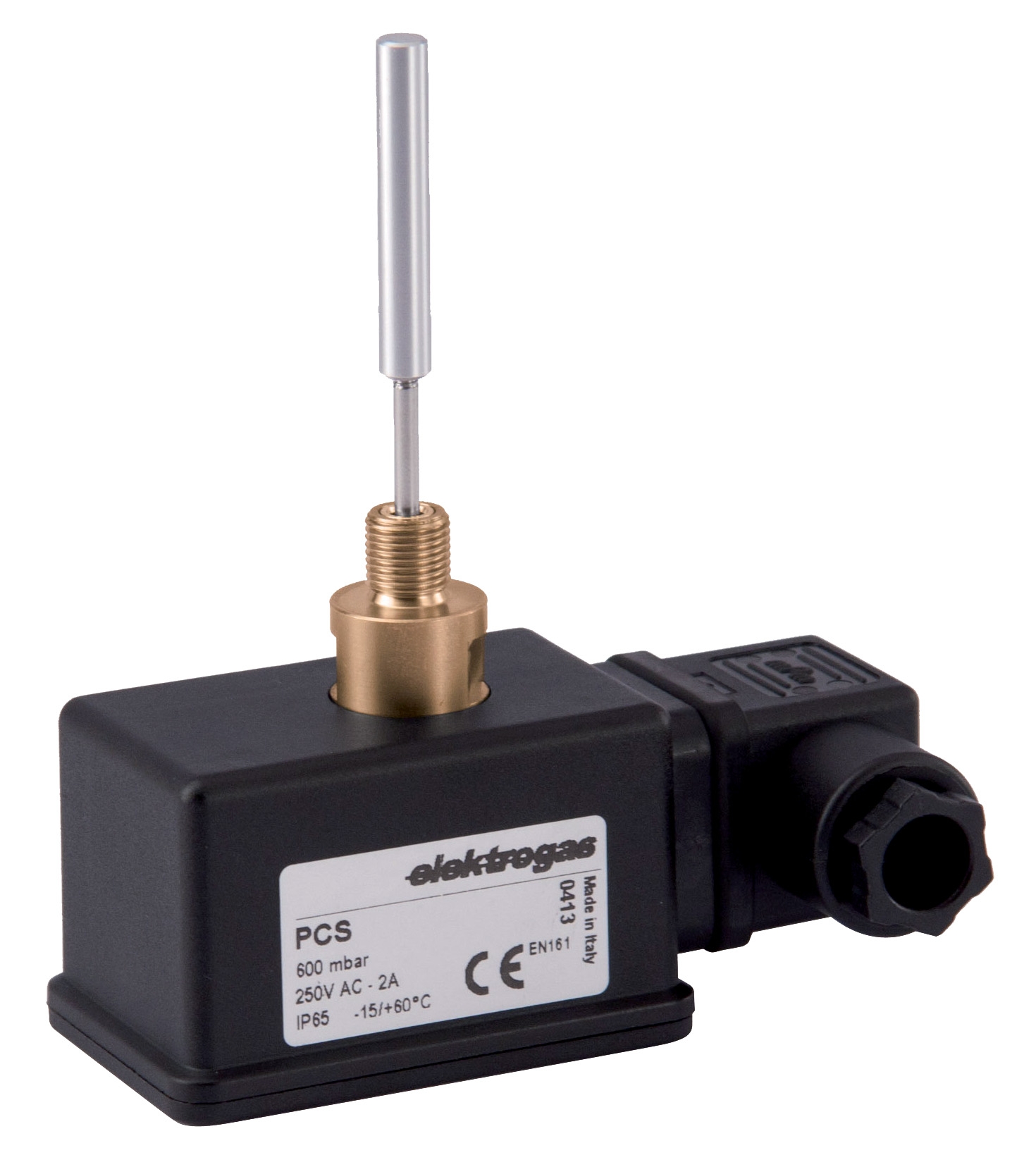
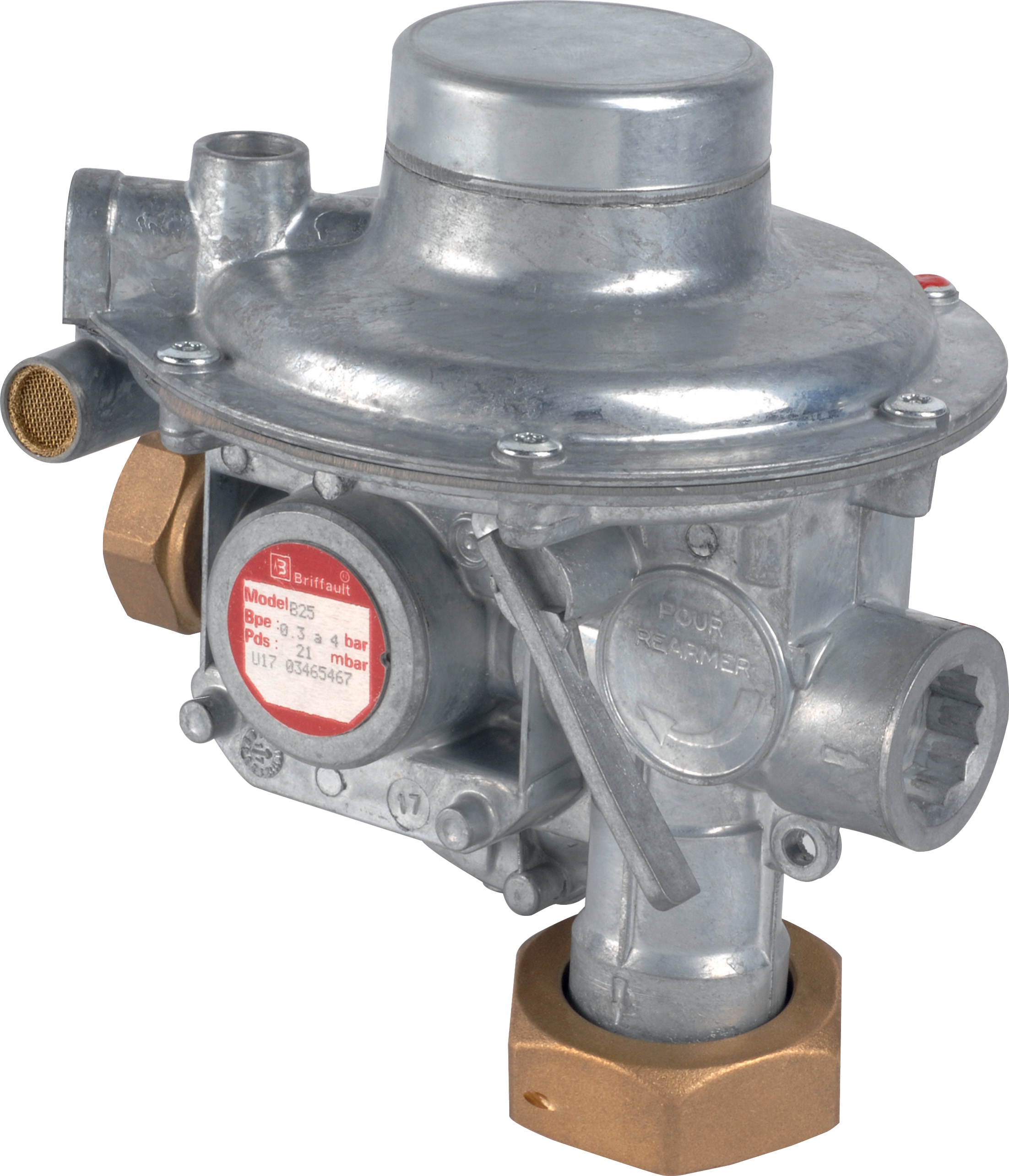
End-of-stroke contact valves like the Elektrogas VMM 20-25 operate as position-sensing devices—they signal that a mechanical process has reached its completion point, then trigger downstream control logic. Pressure relief regulators such as the Francel B25/37mb perform continuous passive regulation, maintaining outlet pressure within tight tolerances regardless of upstream fluctuations or downstream demand. These are not interchangeable technologies; they solve different problems in industrial gas networks.
With over 35 years of experience distributing industrial gas control equipment, 3G Electric has supported hundreds of Southeast Asian facilities navigating this choice. The decision hinges on your process requirements, system pressure ranges, and maintenance capacity.
End-of-Stroke Contact Valves: Binary Control for Pneumatic Automation
End-of-stroke contact valves like the Elektrogas VMM 20-25 are engineered for one core function: detecting when a pneumatic actuator, cylinder, or mechanical system reaches a defined position and generating an electrical signal to downstream controllers.
How They Work in Practice:
The VMM 20-25 is rated for 6 bar pressure and designed to EN 161 standards, meaning it meets European safety certification applicable across ASEAN industrial regulations. When a pneumatic rod extends or retracts to strike the valve's trigger mechanism, it closes an internal electrical contact. This binary on/off signal feeds into PLC logic, SCADA systems, or sequential process control.
Common Southeast Asian applications include:
- Automated filling lines (beverage, pharmaceutical, chemical bottling)
- Injection molding machine cycle completion detection
- Pneumatic press stroke confirmation
- Material handling conveyor position verification
- Assembly line tool retraction confirmation
The 3 mm Allen wrench adjustment requirement is significant for field teams. In humid tropical environments (common across Singapore, Malaysia, Thailand), corrosion of external adjustment components is real. Facilities must rotate technicians trained on these micro-adjustments quarterly. A misaligned trigger point causes missed cycle detection—not a catastrophic failure, but one that creates production downtime and customer delivery delays.
Lifespan in high-cycle applications (1000+ cycles/day) averages 18-24 months before internal contact wear requires replacement. Budget accordingly in your spare parts inventory.
Integrated Pressure Relief Regulators: Continuous Passive Protection
The Francel B25/37mb represents a different control philosophy: maintaining system safety and consistency through mechanical relief and regulation, not binary switching.
Design and Safety Integration:
This regulator delivers exactly 37 mbar outlet pressure with integrated safety relief. The 10 mm vent size is calibrated for laboratory and light-to-medium industrial gas distribution—think gas chromatography systems, laboratory burners, precision welding operations, or research facility gas manifolds across Singapore's pharmaceutical district or Malaysia's petrochemical zones.
Unlike digital control systems, there is no calibration drift, no software updates required, and no dependency on electrical power. If upstream pressure spikes (pump failure, regulator upstream failure, compressor unload fault), the relief valve opens passively, venting excess gas safely to atmosphere at the 10 mm port. This is mechanical self-protection.
Real-World Installation Considerations:
The Francel B25/37mb works best in systems where:
- Outlet pressure must remain stable within ±1-2% tolerance (laboratory gas distribution)
- Upstream supply pressure is variable or unregulated
- You cannot afford electrical instrumentation (wet environments, explosive atmosphere zones)
- Gas purity is critical (integrated design prevents contamination from multiple connection points)
In Southeast Asia's humid, salt-spray coastal industrial zones (refineries near Penang, petrochemical complexes in Thailand, offshore support bases), the single-unit integrated design outperforms modular systems. Fewer connection points = fewer leak sources. Fewer materials exposed to salt corrosion = longer field life.
Head-to-Head Comparison: When to Choose Each Technology
End-of-Stroke Valves (Elektrogas VMM 20-25) are the right choice when:
- Your process requires position sensing rather than pressure regulation
- You need binary signal integration with existing PLC/SCADA architecture
- Pneumatic automation is the primary system control method
- Your maintenance team has electrical/instrument technician skills
- Cycle detection reliability drives production KPIs
- You operate in ISO Class 6 or cleaner compressed air environments
- Your process requires stable, consistent outlet pressure across varying load conditions
- Safety and passive protection (no electronics to fail) is non-negotiable
- You serve laboratory, pharmaceutical, or research applications where gas purity matters
- Upstream supply pressure is unreliable or highly variable
- You operate in humid or harsh coastal environments where electronics face accelerated degradation
- Total cost of ownership favors passive systems over active control
The Elektrogas VMM 20-25 operates at 6 bar—suitable for standard pneumatic distribution. The Francel B25/37mb regulates gas delivery to 37 mbar, which is 160 times lower pressure. These are not competing in the same application space. The comparison is meaningful only if you have both high-pressure pneumatic sensing and low-pressure gas distribution in the same facility.
Integration with High-Pressure Hose Systems
Many Southeast Asian industrial sites combine gas valve regulation with high-pressure sewer cleaning equipment, pressure testing rigs, or hydraulic systems. The Pratissoli hose assemblies—including models ZT06B1000353, ZT03A0200152, and ZT04A0100202—integrate with pressure regulation systems as upstream supply conduits.
When specifying a complete system, consider:
- Hose pressure rating must exceed your regulator inlet pressure by 30-50%
- Valve compatibility with downstream regulators (SAE, ISO, or metric threads)
- System isolation (can you safely isolate the regulator for maintenance without breaking the entire hose assembly?)
- Regional parts availability (how quickly can you source repair kits in Bangkok, Jakarta, or Kuala Lumpur?)
3G Electric's 35+ years distributing industrial equipment across Southeast Asia means our technical team understands regional supply chain realities. Lead times, import tariffs, and local technician familiarity vary significantly between Singapore (premium service, 24-hour availability) and Vietnam or Cambodia (longer lead times, more DIY maintenance). Factor this into your specification.
Maintenance, Troubleshooting, and Total Cost of Ownership
End-of-Stroke Valve (VMM 20-25) Maintenance:
- Annual bench calibration check (±0.1 bar tolerance verification)
- Contact cleaning if corrosion observed (fine sandpaper, IPA wipe)
- Replacement interval: 18-24 months in high-cycle duty (1000+/day)
- Spare parts cost: $180-250 USD per valve
- Technician skill required: Intermediate (electrical + pneumatic knowledge)
- Inspection of vent port for blockage (dust, scale, insects in outdoor installations)
- Annual relief valve bench test (crack pressure verification)
- Diaphragm inspection if outlet pressure drifts beyond ±1 mbar
- Replacement interval: 3-5 years in continuous duty
- Spare parts cost: $150-220 USD per regulator
- Technician skill required: Basic (mechanical, no electrical training needed)
Assume:
- 50 end-of-stroke valves in automated production line
- 12 pressure relief regulators in gas distribution manifold
- Annual labor cost for technicians: $35,000 USD (Singapore) to $12,000 USD (Vietnam)
- Replacement frequency: Valves every 2 years, regulators every 4 years
- End-of-stroke system: 50 × $200 × 2.5 replacements + 200 hours labor = $25,000 + $7,000 = $32,000
- Pressure relief system: 12 × $180 × 1.25 replacements + 40 hours labor = $2,700 + $1,400 = $4,100
If your primary need is pressure regulation (not position sensing), the passive relief system is 87% less expensive over five years. However, if you need position sensing for production control, the end-of-stroke valve is non-negotiable—its cost is part of your automation capital expense, not a regulatory discretionary choice.
Southeast Asian Regulatory and Environmental Context
Industrial gas handling across ASEAN falls under multiple national frameworks:
- Singapore: Ministry of Manpower (MOM) guidelines for compressed gas handling and pressure equipment; ISO 4414 for pneumatic safety
- Malaysia: Department of Occupational Safety & Health (DOSH) standards; adoption of ISO 4414 in automotive, semiconductor sectors
- Thailand: Factory Act requirements for pressure vessel and gas system maintenance
- Indonesia & Vietnam: Emerging compliance frameworks; many facilities still reference ISO standards as de facto requirements
Both the Elektrogas VMM 20-25 (EN 161 certification) and Francel B25/37mb (CE-marked for European supply) exceed most ASEAN baseline requirements. However, certification is not the primary differentiator—system reliability within regional environmental conditions is.
Tropical humidity, salt-spray corrosion in coastal zones, and power instability (brownouts in some regions) favor passive, mechanical systems over electronic controls. The Francel integrated regulator design excels in these conditions. The Elektrogas contact valve requires environmental protection (enclosures, desiccant management) to maintain reliable operation in monsoon seasons.
Actionable Specification Framework for Procurement Engineers
Use this flowchart to guide your next gas valve & regulation procurement:
Decision Tree:
1. Is your primary need pneumatic position sensing (stroke detection)?
- YES → Select end-of-stroke contact valve (VMM 20-25 or equivalent)
- NO → Proceed to Step 2
2. Is your primary need outlet pressure stabilization across variable inlet conditions?
- YES → Select integrated pressure relief regulator (Francel B25/37mb or equivalent)
- NO → You may need a different component category (flow control, isolation, check valve)
3. What is your operating pressure (inlet)?
- > 10 bar → Confirm your regulator outlet pressure matches downstream equipment needs (e.g., 37 mbar for lab gas, 2-4 bar for medium-pressure pneumatics)
- < 10 bar → Check regulator outlet specifications; many laboratory regulators assume high inlet pressure ratios
4. What is your environmental exposure?
- Coastal/humid/outdoor → Prefer integrated passive systems (fewer exposed connection points, no electronics)
- Indoor/climate-controlled → Can justify electronic/modular systems if technical support is available
5. What is your technician skill level?
- Mechanical/pneumatic technicians only → Specify passive regulators
- Mixed electrical + mechanical team → Can deploy position-sensing valves with PLC integration
Sourcing from 3G Electric: 35+ Years of Southeast Asian Industrial Relationships
With over three decades of experience, 3G Electric maintains relationships with Elektrogas, Francel, Pratissoli, and 200+ other manufacturers. Our regional distribution network spans Singapore, Malaysia, Thailand, Vietnam, Indonesia, and Cambodia—meaning technical support, spare parts, and next-day delivery are realistic expectations, not aspirational promises.
For gas valve & regulation specifications, contact our technical team with:
- Current inlet pressure (bar) and expected outlet pressure (mbar or bar)
- Flow rate requirements (m³/h or L/min)
- Ambient environmental conditions (temperature range, humidity, salt-spray exposure)
- Cycle frequency (for position-sensing applications)
- Your facility location (for regional parts availability confirmation)
We'll provide spec sheets, pressure flow curves, and competitive pricing for the Elektrogas VMM 20-25, Francel B25/37mb, and complementary Pratissoli hose assemblies. We'll also connect you with technicians in your region who have hands-on experience with these platforms in similar applications.
Key Takeaways
- End-of-stroke contact valves (like Elektrogas VMM 20-25) are for position sensing and pneumatic automation, not pressure regulation
- Integrated pressure relief regulators (like Francel B25/37mb) are for passive pressure stabilization in laboratory and light-industrial gas distribution
- These are complementary, not competing technologies—use them together in complex systems
- Southeast Asia's humid, coastal environments favor passive mechanical systems over electronic controls
- Total cost of ownership favors pressure relief regulators if your primary need is regulation (not sensing)
- Sourcing reliability matters in ASEAN; work with distributors embedded in regional supply chains
Your next gas valve & regulation procurement should be driven by what you're actually controlling—pressure stability, position detection, or flow management—not by marketing positioning or vendor relationships. Match the technology to your process need, and you'll optimize both capital and operational costs across your five-year equipment lifecycle.