Understanding Gas Valves & Regulation: Relief vs. Contact Technology
Gas Valves & Regulation systems form the backbone of safe, efficient industrial gas distribution across manufacturing, laboratory, and pneumatic control applications. However, selecting between pressure relief regulators with integrated safety mechanisms and end-of-stroke contact valve designs requires technical depth and practical understanding of operational demands.
With 35+ years of experience distributing industrial equipment globally, 3G Electric has guided thousands of procurement engineers through this selection process. The distinction between these two approaches goes beyond simple pressure control—it fundamentally impacts system reliability, maintenance costs, and regulatory compliance across different geographic markets and operational contexts.
Pressure Relief Regulators with Integrated Safety: Design Philosophy and Application Scope
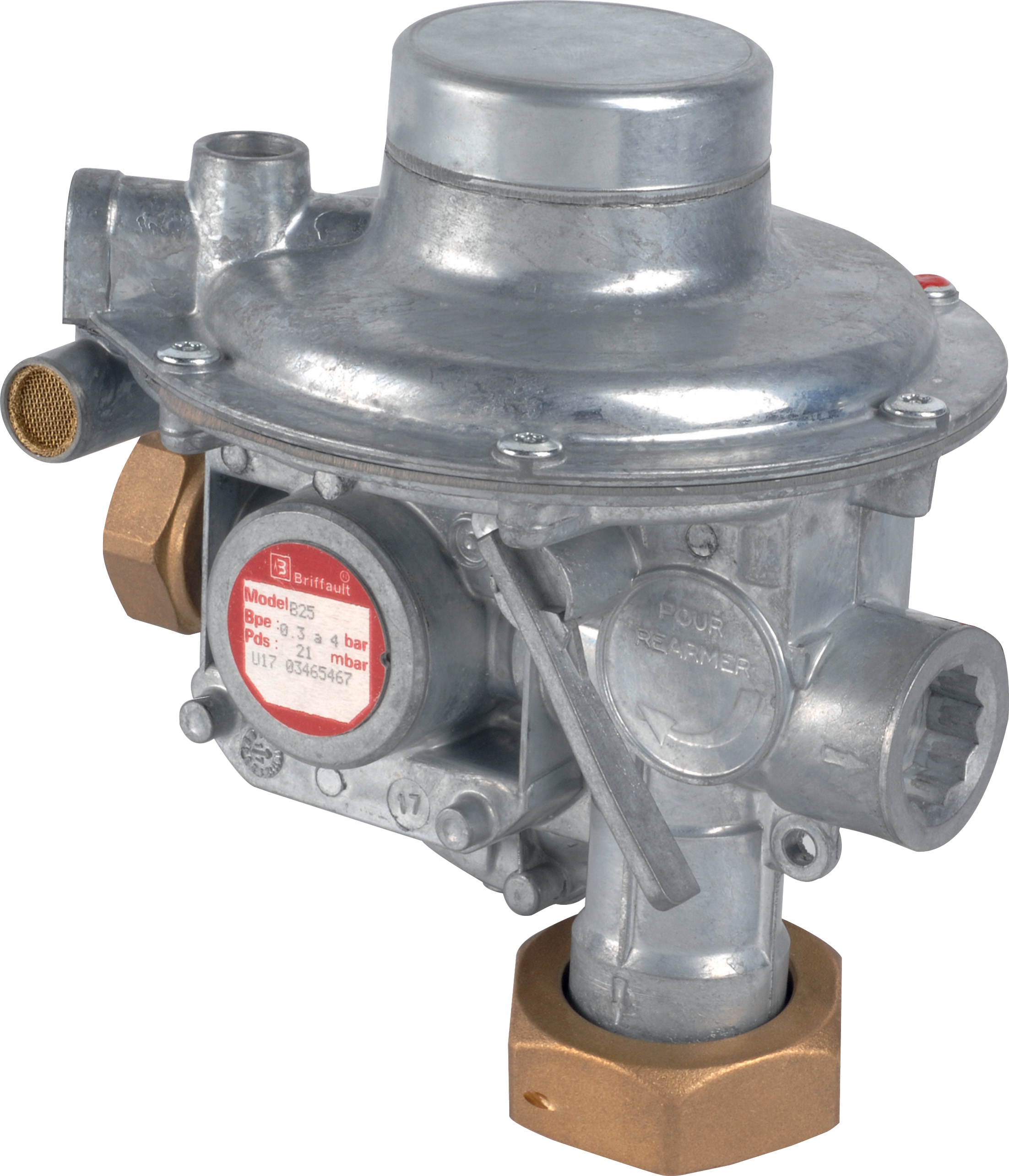
Pressure relief regulators like the Francel B25/37mb with safety represent a consolidated approach to gas regulation. These devices combine pressure reduction, outlet pressure stabilization, and safety relief in a single unit, delivering consistent outlet pressure (in this case, 37 mbar) while automatically venting excess pressure through a 10 mm vent line when system pressure exceeds safe thresholds.
Operational Characteristics:
Integrated relief regulators excel in applications requiring constant, predictable outlet pressure across varying inlet conditions. The Francel B25/37mb design incorporates a spring-loaded diaphragm that responds to pressure fluctuations, making micro-adjustments to maintain set-point pressure. The integrated 10 mm vent provides automatic overpressure protection without requiring external safety devices.
Procurement Advantages:
- Single device reduces bill of materials complexity and SKU management burden
- Factory-calibrated safety relief eliminates field tuning variability
- Proven reliability in laboratory and research environments where pressure stability is critical
- Simplified installation with reduced connection points and potential leak sources
- Lower initial acquisition cost compared to multi-component systems
Integrated designs consolidate wear components into one serviceable unit. Procurement teams should budget for complete regulator replacement rather than individual component service intervals. For applications operating 8,000+ hours annually, lifecycle cost advantage becomes substantial when factoring labor consolidation.
Global Compliance Considerations:
Regulators with integrated safety relief must meet regional pressure equipment directives (PED in EU, ASME in North America, AS/NZS in Asia-Pacific). The Francel B25/37mb aligns with CE marking requirements, streamlining procurement for multinational operations.
End-of-Stroke Contact Valves: Precision Control for Pneumatic Systems
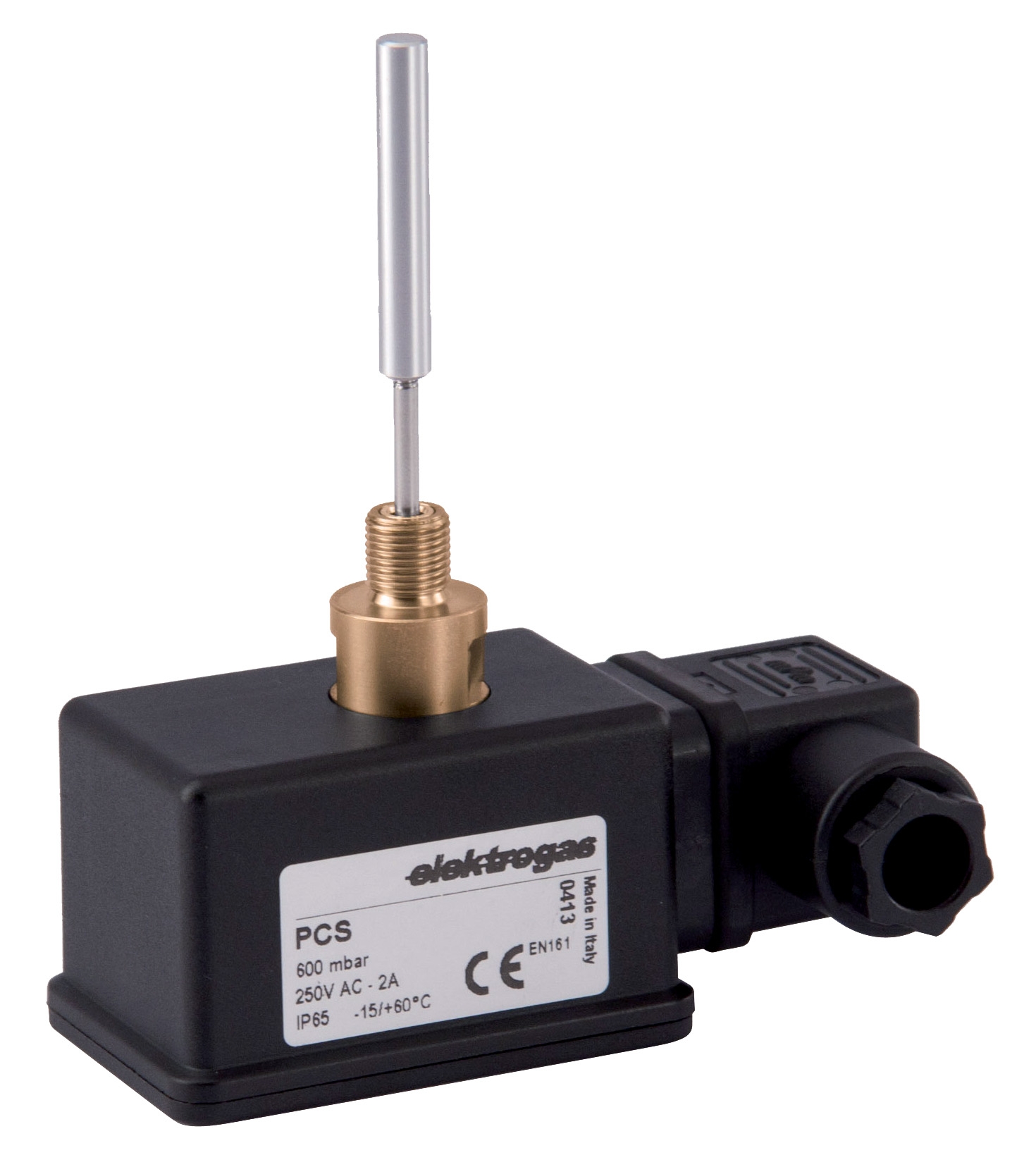
End-of-stroke contact valves, exemplified by the Elektrogas VMM 20-25 rated at 6 bar, serve a distinctly different operational function. Rather than maintaining constant outlet pressure, these devices detect cylinder or actuator end-position and trigger control signals—essentially functioning as limit switches for gas-powered equipment.
Operational Characteristics:
The Elektrogas VMM 20-25 incorporates a solenoid-free design with mechanical actuation, eliminating electrical failures in harsh industrial environments. Designed to EN 161 standard for gas safety controls, it maintains 6 bar operational rating while requiring only a 3 mm Allen wrench for minor adjustments. End-of-stroke contact valves prove invaluable in automation sequences where precise sequencing of gas flow matters more than constant pressure maintenance.
Procurement Advantages:
- Eliminates electrical dependency in pneumatic control loops
- Simple mechanical design reduces failure modes in contaminated environments
- Lower power consumption compared to solenoid-operated equivalents
- Easy field adjustment without specialized tools or technician certification
- Excellent reliability in food processing, pharmaceutical, and explosive-atmosphere applications where electrical spark risk demands non-electrical controls
End-of-stroke contact valves excel in binary (on/off) control scenarios: automated door closure, press-line sequencing, packaging equipment stroke completion, or pneumatic tool engagement. They should not replace pressure regulators in applications requiring sustained, controlled outlet pressure.
Maintenance and Lifecycle:
Mechanical actuation design means minimal wear components and extended maintenance intervals (typically 10,000+ hour service life). Replacement parts availability becomes critical—procurement teams should verify spare contact element and adjustment screw compatibility across equipment generations.
Comparative Analysis: Selection Framework for Procurement Engineers
Pressure Profile Requirements
Choose Pressure Relief Regulators When:
- Downstream equipment requires stable outlet pressure across fluctuating inlet conditions
- Laboratory distribution systems demand consistent set-point accuracy (±2% or better)
- Multiple gas types flow through one regulation point requiring proportional response
- System pressure varies significantly due to upstream compressor cycling or storage tank depletion
- Control logic emphasizes equipment sequencing over pressure stability
- Binary actuator control (full open/closed) suits application workflow
- Pneumatic circuit complexity demands auxiliary limit signaling
- Gas consumption remains relatively constant between cycle intervals
Operational Environment Considerations
Industrial gas applications span vastly different environmental conditions. Integrated pressure relief regulators like the Francel B25/37mb suit cleanroom environments, laboratory systems, and controlled-atmosphere facilities where corrosion risk and contamination remain minimal. The 37 mbar outlet pressure specification indicates suitability for low-pressure gas distribution—research gas mixtures, specialized process atmospheres, or pilot-controlled burner systems.
End-of-stroke contact valves demonstrate superior performance in harsh-duty environments: foundries with high ambient temperatures, mining operations with humidity and dust exposure, or food processing facilities with washdown requirements. The Elektrogas VMM 20-25's mechanical design tolerates thermal cycling and corrosive atmospheres that would compromise electronic solenoid valve reliability.
Total Cost of Ownership Analysis
Five-Year TCO Example (50-valve installation):
Integrated Relief Regulator Scenario (Francel B25/37mb equivalent):
- Equipment cost: $8,500 (50 units × $170 base)
- Installation labor: $3,200 (simplified piping)
- Maintenance (5 years): $12,000 (complete replacement at year 3, parts at years 1, 5)
- Downtime losses: $4,500 (2-3 unplanned failures annually)
- Total: $28,200
- Equipment cost: $6,200 (50 units × $124 base)
- Installation labor: $2,100 (compact footprint)
- Maintenance (5 years): $2,800 (gasket replacement, minimal wear components)
- Downtime losses: $800 (mechanical reliability advantage)
- Total: $11,900
The selection dramatically shifts total cost based on application. Contact valve advantages emerge only when binary control satisfies functional requirements; pressure regulation applications favor integrated relief designs despite higher maintenance expenditure.
Sourcing Strategy: 3G Electric's Global Procurement Approach
As a distributor with 35+ years of industrial equipment experience, 3G Electric maintains inventory of both technology families across global distribution centers. This dual-sourcing capability provides procurement teams several strategic advantages:
Technical Consultation: Our engineering team assesses your specific pressure, flow, and control requirements before recommending device families. We prevent costly specification errors by identifying pressure profile mismatches before purchase.
Regulatory Navigation: Different markets impose distinct certification requirements. The Francel B25/37mb carries EU PED certification suitable for EEA operations. The Elektrogas VMM 20-25 meets EN 161 safety standards required across Europe and many Asia-Pacific markets. Our sourcing team ensures your selections comply with regional pressure equipment and industrial control directives.
Inventory Optimization: Rather than maintaining speculative stock of both device types, we work with procurement teams to forecast demand patterns. Seasonal applications benefit from just-in-time delivery arrangements. Continuous-duty operations leverage our stocked inventory for emergency replacement scenarios.
Spare Parts Management: Integrated regulator designs require complete unit replacement; contact valve servicing demands specific gasket, spring, and adjustment component kits. We maintain backward-compatible spare part availability extending equipment lifespan beyond manufacturer recommended service intervals.
Technical Specification Considerations for Global Procurement
When evaluating gas regulation devices, procurement engineers must verify several technical parameters that vary significantly between regional standards:
Pressure Rating Alignment: The Francel B25/37mb delivers 37 mbar outlet—suitable for low-pressure pilot controls and laboratory gases. Industrial pneumatic systems operating at 6-10 bar require pressure vessels rated for those operating ranges. Mismatched specifications create regulatory liability and safety hazards.
Connection Thread Standards: European suppliers typically use M16×2 or NPT connections; Asian manufacturers favor BSP (British Standard Pipe) or JIC fittings. Procurement must confirm compatibility with existing piping infrastructure before standardizing on specific device families.
Response Time Requirements: Pressure relief regulators respond over 50-200 milliseconds depending on diaphragm design and pilot pressure configuration. End-of-stroke contact valves respond mechanically within 10-30 milliseconds. Control applications demanding rapid response favor contact valve architecture.
Vent Capacity: The Francel B25/37mb's 10 mm vent line accommodates moderate excess gas flow. High-consumption applications with rapid pressure surges may require larger vent manifolds or secondary relief capacity.
Risk Mitigation: Common Procurement Pitfalls
Experienced procurement engineers recognize several specification errors that create operational difficulties:
Pressure Rating Overspecification: Selecting equipment rated for 16 bar when applications require only 6 bar increases equipment cost without functional benefit and creates excessive wear on downstream components.
Insufficient Vent Capacity Planning: Relief regulators must exhaust excess gas safely. Undersized vent lines create backpressure that prevents proper regulation. Procurement must route vent lines to atmosphere or gas recovery systems with adequate diameter.
Mixing Device Functions: Attempting to use end-of-stroke contact valves for continuous pressure regulation creates control instability. Conversely, specifying pressure relief regulators where binary control suffices wastes maintenance resources on unnecessary complexity.
Inadequate Spare Parts Contracts: Integrated regulator designs require complete replacement. Procurement teams should establish 3-year supply agreements for replacement units, not component kits that may become obsolete when manufacturer redesigns future models.
Insufficient Contamination Filtration: Gas regulation accuracy deteriorates when upstream filtration inadequately removes particulates. Budget for 5-10 micron filter elements upstream of all pressure regulation equipment.
Conclusion: Strategic Sourcing Recommendations
Gas Valves & Regulation selection requires matching device architecture to application requirements rather than defaulting to familiar technologies. Pressure relief regulators with integrated safety provide superior performance in applications demanding constant outlet pressure and automatic overpressure protection. End-of-stroke contact valves excel in pneumatic sequencing, limit detection, and harsh-duty environments where mechanical simplicity outweighs continuous pressure regulation needs.
3G Electric's global distribution network and 35+ years of industrial equipment experience position us to guide procurement teams through this selection process. We combine technical assessment with regional compliance expertise and inventory optimization—ensuring your gas regulation specifications balance safety, reliability, cost, and operational performance.
Contact our procurement engineering team to evaluate your specific application requirements. We provide detailed comparison analysis, regulatory compliance verification, and total cost of ownership modeling—transforming specification decisions into strategic cost management.