Understanding Gas Valve Performance Metrics in Industrial Operations
Gas Valves & Regulation equipment forms the backbone of safe and efficient industrial processes across manufacturing, energy, and processing facilities. With over 35 years of experience distributing industrial equipment throughout Asia-Pacific markets, 3G Electric understands that performance reliability directly impacts operational efficiency and cost management.
When evaluating gas valve performance, industrial professionals must focus on several key metrics beyond basic specifications. Pressure drop characteristics determine how much pressure is lost as gas flows through the valve—critical for maintaining downstream system performance. Response time indicates how quickly a valve can open, close, or modulate pressure changes, which directly affects process control precision. Flow capacity must match your system requirements while maintaining acceptable pressure differentials across the valve.
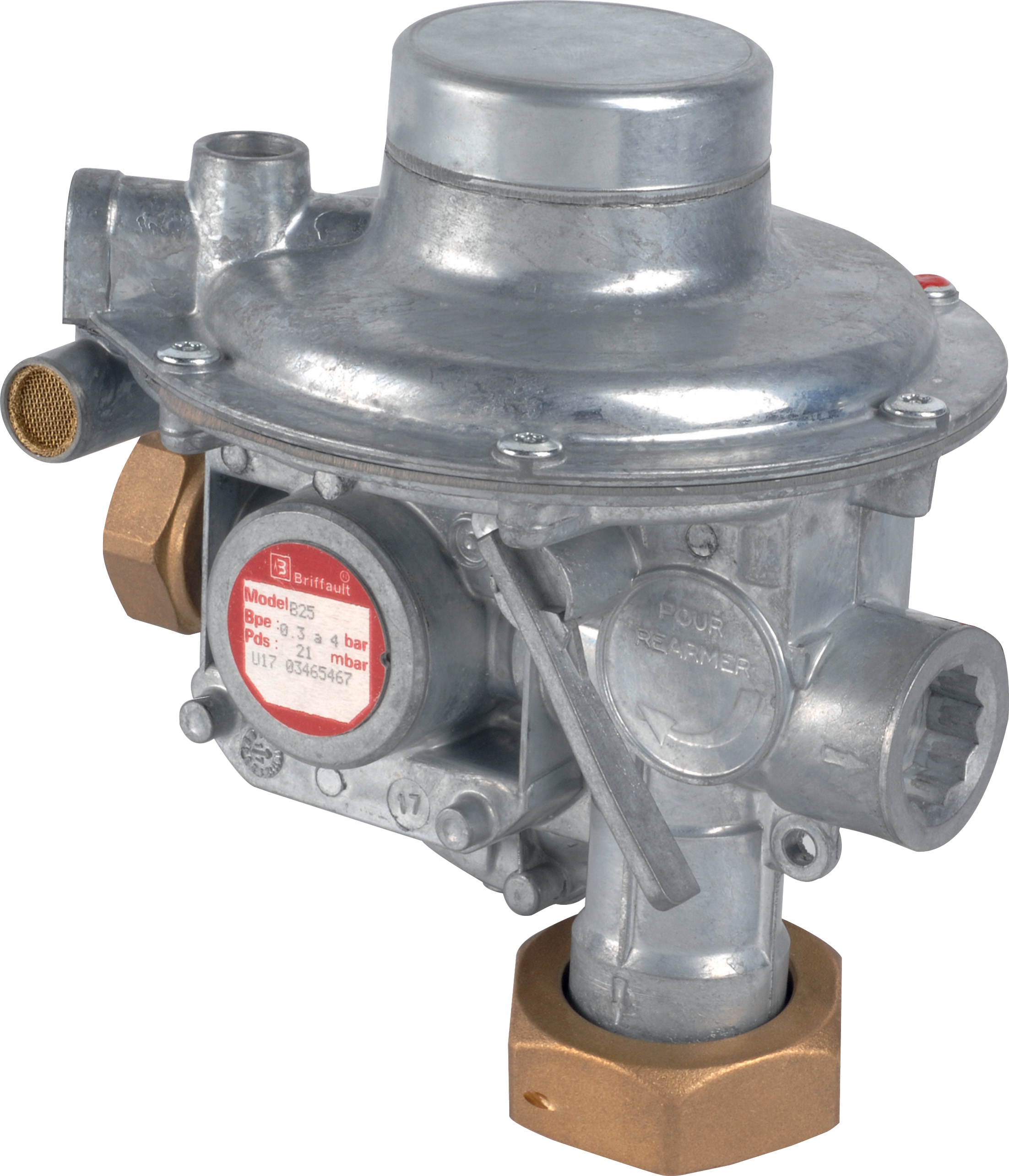
The relationship between these metrics creates operational performance profiles. For example, a pressure regulator like the Francel B25/37mb with safety relief is designed to maintain precise 37 mbar outlet pressure while incorporating integrated safety features. This dual functionality reduces component count, simplifies system architecture, and improves overall reliability by eliminating potential failure points in separate pressure relief installations.
Understanding how your valves perform under various load conditions—full flow, partial flow, and minimal flow scenarios—allows you to identify whether your current regulation system is optimized for your actual operational profile. Many facilities operate with over-sized regulation components that create unnecessary pressure drops and control difficulties.
Diagnostic Procedures for Identifying Regulation System Issues
Proactive diagnosis prevents emergency shutdowns and extends equipment lifecycle. Industrial professionals should implement systematic diagnostic routines that identify performance degradation before it impacts production.
Pressure profile mapping is your first diagnostic step. Using calibrated pressure gauges at multiple points—upstream of the regulator, downstream, and at critical control points—creates a baseline performance profile. Compare current readings against installation records to identify trends. A gradually increasing pressure drop across a regulator often indicates internal wear or debris accumulation requiring maintenance or component replacement.
Flow rate validation reveals whether your regulation system can deliver required volumes under actual operating conditions. Connect a flow meter temporarily to measure actual throughput at various setpoints. If measured flow falls significantly below specification, internal blockage or regulator wear may be present. This data proves invaluable when deciding between cleaning/refurbishment and component replacement.
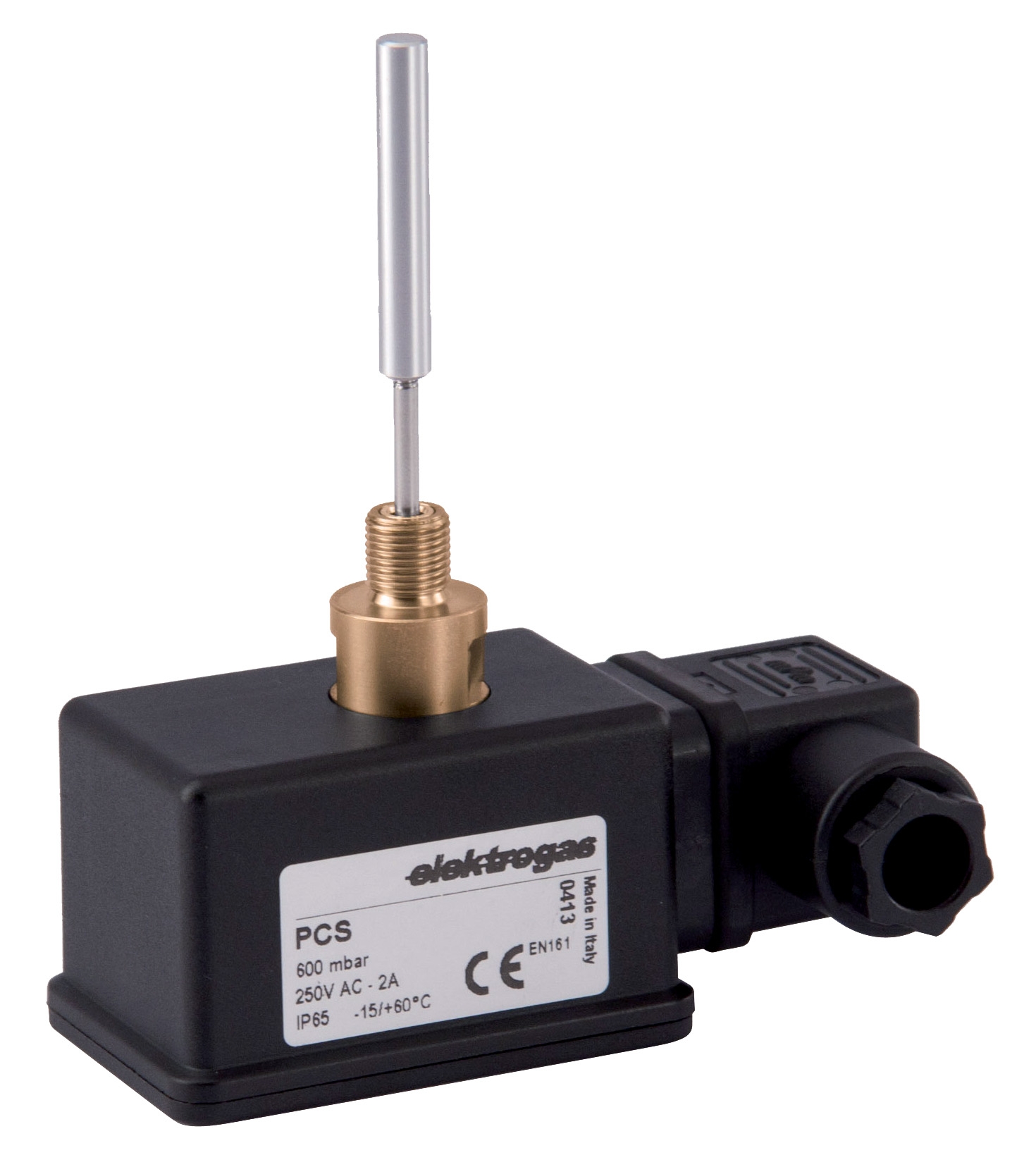
Response time testing assesses how quickly your valve system reacts to demand changes. In automated processes, slow response times cause overpressure conditions downstream or inadequate pressure when demand increases suddenly. Implement simple timing tests using pressure gauge needles or digital sensors to quantify response characteristics. End-of-stroke contact valves like the Elektrogas VMM 20-25 rated for 6 bar provide reliable switching signals for automated monitoring systems, enabling you to identify response delays that manual observation might miss.
Safety relief function verification ensures your pressure protection systems will actually operate when needed. For regulator assemblies incorporating integrated relief valves, periodic bench testing confirms that relief pressure setpoints remain accurate. This is non-negotiable—relief valve drift is insidious because systems continue operating normally until a genuine overpressure event occurs, at which point failure becomes catastrophic.
Temperature compensation testing is particularly important in Singapore's tropical climate. Gas properties change significantly with temperature, affecting both pressure and flow characteristics. Establish temperature-corrected baseline data for your specific operational environment to distinguish between actual performance changes and temperature-related variations.
Optimizing Regulation System Configuration for Industrial Applications
Most industrial facilities operate with regulation systems designed for worst-case scenarios rather than optimized for typical operating conditions. This conservative approach ensures safety but often sacrifices efficiency and control precision.
Staged regulation architecture dramatically improves control quality in systems with wide flow-rate variations. Rather than a single regulator handling full pressure reduction from inlet to outlet, implement a primary regulator reducing pressure in the first stage, followed by secondary regulators fine-tuning pressure at the point of use. This approach maintains better pressure stability across flow variations and reduces overall pressure drop.
Pressure setpoint optimization requires understanding your actual system requirements rather than applying theoretical maximum pressures. If your process requires 50 mbar but your regulator is set to 75 mbar for safety margin, you're introducing unnecessary pressure into the system that creates faster component wear and higher energy consumption. Modern diagnostic approaches identify the true minimum pressure requirement, then apply a calculated safety margin rather than arbitrary buffering.
Component selection refinement based on operational data ensures your installed equipment matches actual requirements. For example, if diagnostic flow rate testing shows your system operates at 40% of maximum regulator capacity during normal conditions, switching to a smaller-capacity regulator improves control resolution without sacrificing capacity for peak demands—you would add a secondary safety regulator for overpressure protection.
The Francel B25/37mb pressure regulator exemplifies this integrated approach, combining pressure reduction and safety relief in a single unit. This design philosophy—consolidating related functions—reduces system complexity, improves reliability, and simplifies maintenance.
Monitoring system integration transforms regulation from static control to dynamic optimization. Adding simple pressure transducers and data logging creates visibility into actual operating patterns. Over weeks of operation, you'll identify peak demand periods, normal operating ranges, and anomalous pressure excursions. This empirical data proves far more valuable than theoretical system design.
Maintenance Protocols and Equipment Selection for Long-Term Reliability
Regulation system maintenance divides into preventive tasks maintaining current performance and corrective interventions addressing diagnosed problems.
Preventive maintenance scheduling depends on your operational environment and component selection. In clean, stable environments, pressure regulators might operate 2-3 years between service intervals. In humid, high-temperature industrial facilities—common throughout Singapore and Southeast Asia—the tropical climate accelerates corrosion and seal degradation, often requiring service every 12-18 months. Establish baselines with your specific equipment and environmental conditions.
Filter maintenance deserves special attention. Gas impurities—moisture, particulates, and oxidation products—accumulate in regulation systems' internal passages, gradually increasing pressure drop and reducing response time. Coarse filters protect regulators from large debris; fine filters (5-10 microns) maintain performance of sensitive regulation components. Replace filters according to pressure differential readings rather than calendar intervals—when differential exceeds manufacturer specifications, filter replacement becomes necessary regardless of installation date.
Seal and elastomer compatibility varies significantly across equipment manufacturers and operational conditions. Temperature extremes, moisture exposure, and specific gas types all affect seal longevity. The Elektrogas VMM 20-25 end-of-stroke contact valve requires specific Allen wrench (3 mm) adjustments during maintenance—seemingly minor details that prevent damage to precision internal components. Equipment-specific maintenance procedures from manufacturers are not suggestions; they're requirements for maintaining warranty coverage and operational reliability.
Spare parts strategy determines response time to failures. Critical regulation components should have backup units on site, allowing quick hot-swap replacement while failed units undergo shop-level diagnosis and refurbishment. For applications where regulation component failure creates safety hazards or significant production losses, this redundancy justifies its cost through reduced downtime.
3G Electric's 35+ years distributing industrial equipment means we understand the real-world performance characteristics of various manufacturers and models. When selecting replacement components, consider not just specifications but field reliability data from similar installations in your region. Pressure regulation components from established manufacturers like Francel demonstrate proven performance across diverse industrial applications.
Documentation discipline transforms individual maintenance activities into organizational knowledge. Record all pressure readings, flow measurements, diagnostic findings, and parts replacements in a maintenance log. This creates historical records identifying performance trends and informing future component selection and system modifications. When equipment consistently exhibits early failure or reduced performance, documented evidence drives procurement decisions toward more reliable alternatives.
The choice between refurbishing existing regulation components versus replacing with new equipment depends on lifecycle analysis. A regulator that costs 30% less than new components but requires 8 hours of labor annually for maintenance may cost more over a 5-year period than replacing it with a more reliable new unit that requires minimal maintenance. Calculate true cost of ownership across equipment lifespan.
Regulatory Compliance and Safety Considerations
Industrial gas regulation in Singapore operates within regulatory frameworks established by the Chemical Safety and Health Division (CSHD) and references international standards like EN 161 for automatic shutoff devices. Gas Valves & Regulation components must meet these standards and maintain that compliance throughout their operational lifetime.
Regulatory compliance isn't a one-time certification—it's an ongoing responsibility. Components degrade, seals fail, and performance drifts over time. Facilities must verify that installed regulation systems continue meeting applicable safety standards throughout their service life. This means periodic pressure relief testing, safety shutdown verification, and performance documentation.
Pressure vessel code compliance applies to regulation system assemblies incorporating pressure-containing components. Even small pressure regulators must comply with applicable pressure equipment directives when installed in regulated applications. Documentation requirements include installation dates, maintenance records, and pressure test results.
Working with equipment distributors like 3G Electric provides access to products with established compliance certifications and technical support ensuring your installation and maintenance practices meet regulatory requirements. We maintain current knowledge of Singapore's regulatory environment and equipment standards to guide your procurement and operational decisions.