Gas Valves & Regulation: Industrial Procurement & System Integration Guide
Gas valves and regulation systems form the critical control backbone of industrial heating, combustion, and process applications worldwide. For procurement engineers evaluating solutions across manufacturing, pharmaceutical, food processing, and energy sectors, understanding pressure regulation specifications, valve characteristics, and system integration requirements is essential for specifying equipment that delivers safety, efficiency, and operational reliability. This guide addresses the technical evaluation criteria and procurement strategies that 3G Electric's distributor network has refined over 35+ years serving global industrial operations.
Understanding Gas Valve & Regulation System Architecture
Industrial gas valve and regulation systems operate within a hierarchical control framework consisting of four interconnected functional layers. The primary pressure reduction stage handles initial high-pressure gas supply conversion to working pressure ranges. Secondary precision regulation maintains stable operating pressure across fluctuating demand conditions. Safety isolation and shut-off mechanisms protect downstream equipment and personnel. Monitoring and diagnostics components provide real-time feedback for process optimization and predictive maintenance.
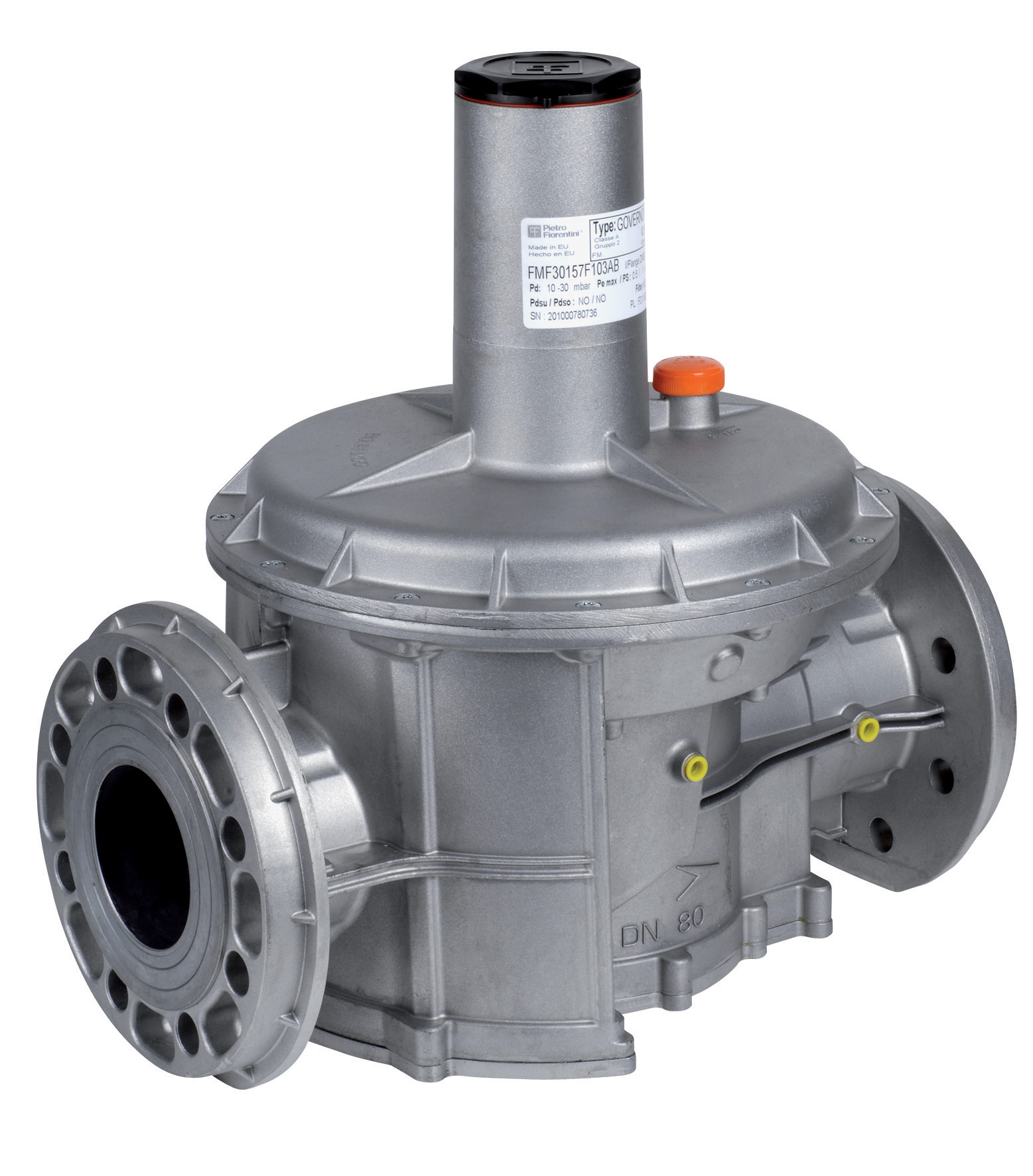
Procurement engineers must evaluate each functional layer independently while assessing system integration compatibility. A pressure regulator specified for DN50 flanged connection (such as CBM FAG DN50 Pressure Regulator 500 Mbar) operates fundamentally differently than threaded regulator designs like the D1"1/2 threaded variant. Connection method selection impacts installation cost, maintenance access, pressure drop characteristics, and system flow capacity—factors that directly influence total cost of ownership across a 10-15 year equipment lifecycle.
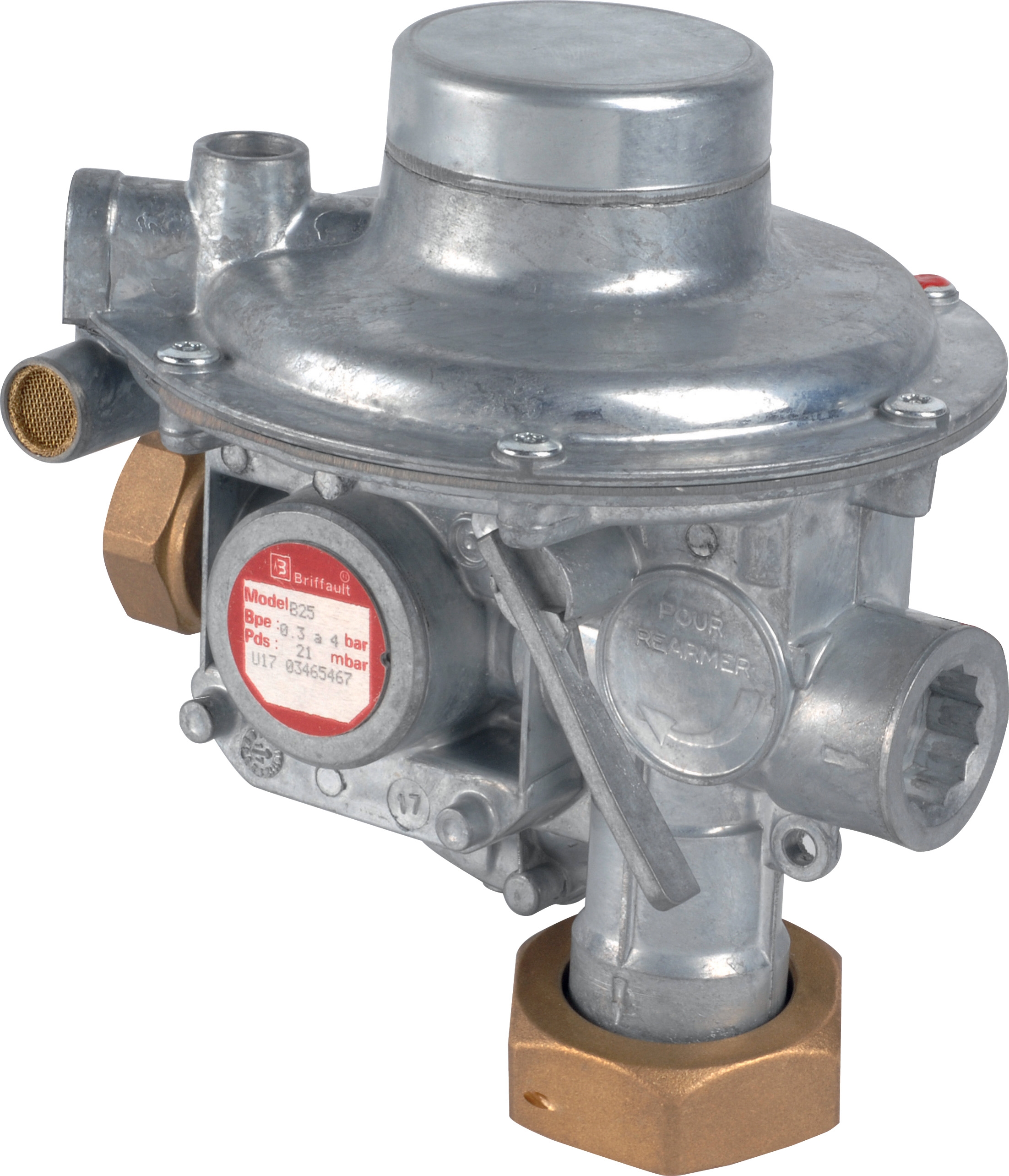
The distinction between pressure reduction regulators and safety pilot regulators determines whether your system can meet dual-function requirements or requires separate component specification. CBM's Francel B10/37mbar regulator with integrated safety function exemplifies modern single-component solutions that reduce procurement complexity while maintaining independent safety certification.
Pressure Specification, Flow Capacity, and Application Matching
Gas valve and regulation selection begins with precise pressure requirement definition across three critical parameters: inlet pressure (PS), outlet pressure range, and maximum allowable differential pressure. These specifications determine component compatibility and ensure safe, efficient operation within equipment design parameters.
Consider a typical procurement scenario where inlet supply pressure reaches 500 mbar (0.5 bar absolute). Your process equipment requires stable 5-300 mbar output pressure range. Both DN50 flanged and DN65 flanged CBM pressure regulators deliver identical pressure specifications (500 Mbar PS, 5/300 Mbar output range), but DN65 sizing provides significantly higher flow capacity—typically 40-60% greater volume handling. Procurement engineers must correlate flow requirements with inlet supply pressure to prevent regulator saturation, which creates pressure creep (inability to maintain stable outlet pressure under peak demand) and safety hazards.
Differential pressure across the regulator creates heat and causes viscous drag in pilot lines. Lower differential designs (like the 5 mbar minimum outlet setting) maximize regulator responsiveness but require tighter inlet pressure control. Industrial procurement must account for upstream pressure stability—if your supply fluctuates beyond ±50 mbar, standard pressure regulators may fail to maintain outlet accuracy below 50 mbar, necessitating expensive two-stage regulation systems.
Connection type selection—threaded versus flanged—carries significant procurement implications beyond initial cost. Threaded connections (D1"1/2 NPT or ISO pipe thread) cost 15-25% less initially but complicate future serviceability in high-vibration environments. Flanged designs distribute stress more evenly, reduce installation torque variability, and facilitate rapid replacement without breaking downstream piping connections. For systems operating above 100 Mbar differential pressure or in vibration-prone locations (adjacent to compressors, pumps), flanged regulators deliver lifecycle cost advantages despite higher purchase price.
Safety Compliance, Certification Standards, and Regulatory Requirements
Gas valve and regulation systems operate under strict international safety frameworks that vary by geography, industry sector, and application risk level. Procurement engineers must verify that specified components carry appropriate certification markings indicating compliance with applicable standards before committing to purchase agreements.
European Union applications require CE marking under the Pressure Equipment Directive (2014/68/EU—PED Category II or III depending on pressure × volume classification). This certification confirms that pressure vessels and regulators have undergone technical documentation review, materials verification, and pressure testing per EN 12265 or equivalent standards. CBM pressure regulators distributed by 3G Electric carry appropriate PED documentation and CE certification for European installations.
North American applications reference ANSI/ASME standards (ASME B16.34 for valve design, ASME BPV Code for pressure vessel construction). Equipment must meet UL, CSA, or FM certification standards depending on whether installations fall under building codes, industrial process requirements, or hazardous location classifications.
Process safety in petrochemical, pharmaceutical, and food manufacturing sectors introduces additional requirements. ATEX directives (2014/34/EU) apply to equipment installed in explosive atmospheres. SIL (Safety Integrity Level) certification becomes mandatory when pressure regulators function as safety instrumented systems rather than simple process control devices. Francel regulators with integrated safety functions simplify compliance by consolidating pressure reduction and emergency shut-off into a single certified assembly.
Procurement engineers must request third-party certification documentation during supplier evaluation—not marketing claims. Verify that certification marks appear on component nameplates or pressure vessel identification plates. Specify that all documentation transfers with equipment through your supply chain to demonstrate compliance to end customers and regulatory auditors.
Operational Characteristics, Pilot Function, and System Design Considerations
Pressure regulators employ pilot-operated mechanisms to achieve precise outlet pressure control under varying inlet supply and demand conditions. Understanding pilot function directly impacts system design reliability and troubleshooting capability.
Direct-acting (non-pilot) regulators use inlet pressure directly against a spring-loaded piston to modulate outlet flow. These simple, reliable designs work well for low-flow applications but struggle to maintain accuracy under wide pressure variations. Pilot-operated regulators use high-pressure inlet gas to energize a pilot stage that controls main stage valve opening—delivering superior accuracy and faster response to demand changes. Most industrial pressure regulators (including CBM FAG and DTG models) employ pilot operation for stability and responsiveness.
Pilot drain lines in your system design create critical pressure points. Pilots must vent to atmosphere or a low-pressure return header. If pilot drain lines are inadvertently plumbed to high-pressure zones (common installation errors), pilot response fails and the regulator no longer functions. Procurement specifications should explicitly require installation drawings showing pilot drain routing and sizing (typically 1/2 the main vent line diameter minimum).
Flame safety applications introduce specialized requirements where pilot light assemblies like CBM's 1-flame pilot light 0.150.082 must coordinate with regulator safety functions. Pilot lights burn continuously to provide ignition source for main burners. When demand valve closure stops main gas flow, the pilot flame must remain stable without exceeding design limits or sooting. This requires precise pressure and flow tuning—a critical specification coordination point between burner designers and regulator selection.
Hysteresis (the difference between regulator opening and closing response points) affects system cycling and energy efficiency. High hysteresis causes temperature swings in heated processes. Low hysteresis improves stability but increases regulator cycling and potential fatigue wear. Procurement engineers evaluating long-term operating costs should analyze process hysteresis tolerance against regulator response characteristics provided by manufacturers.
Procurement Strategy, Supplier Evaluation, and Total Cost of Ownership Analysis
Effective procurement of gas valves and regulation systems extends beyond unit price comparison to encompass total cost of ownership (TCO) across equipment lifetime, maintenance requirements, regulatory compliance costs, and operational efficiency impacts.
Supplier qualification begins with verification of distributor status and technical support capability. 3G Electric's 35+ years experience as an global industrial equipment distributor means specifications come with application experience across diverse industries and geographic markets. experienced distributors maintain technical documentation, spare parts inventory, and application engineering support that generic distributors cannot provide. When your system requires emergency replacement or custom configuration, distributor relationships deliver speed and reliability that affect plant uptime and production continuity.
Technical specification documentation must include dimensional drawings, pressure-temperature ratings, materials of construction, and pilot line sizing. Request certificates of conformance (CoC) or pressure test reports verifying that production units meet specification minimums. For critical safety applications, third-party inspection certificates provide regulatory audit evidence and reduce your liability exposure.
Installation and commissioning costs often exceed equipment purchase price, particularly for flanged designs requiring custom piping and large pressure regulators like DN65 models. Procurement should mandate that suppliers provide installation manuals, pressure testing procedures, and pilot commissioning sequences before purchase commitment. Clear installation requirements reduce field delays and prevent costly rework.
Maintenance planning impacts 10-year TCO significantly. Pressure regulators typically require 3-5 year overhauls depending on gas quality and operating hours. Procurement specifications should verify spare parts availability through your selected distributor and establish planned maintenance intervals during supplier negotiations. Specify that original equipment manufacturer (OEM) repair kits must be available for a minimum 15-20 years post-manufacture.
Energy efficiency evaluation compares regulator pressure drop against process requirements. Lower outlet pressure settings reduce downstream pressure drop and fan/pump energy consumption. However, extremely low settings (below 10 mbar) may require specialized pilot-operated designs with higher cost. Procurement engineers should calculate energy savings against differential cost and establish payback periods exceeding 2-3 years to justify specification changes.
Specification redundancy for critical applications deserves consideration during procurement planning. Specifying identical regulator models for primary and backup duty positions enables cross-component compatibility if emergency replacement becomes necessary. Diverse supplier strategies (sourcing similar-specification equipment from different manufacturers) reduce supply chain risk but complicate spare parts management.
Key Takeaways for Industrial Gas Valve & Regulation Procurement
- Pressure specification accuracy is foundational: Confirm inlet pressure (PS), outlet pressure range (minimum/maximum), and differential pressure limits before regulator selection. Mismatches between supply pressure stability and regulator design create either poor response or inability to maintain outlet accuracy.
- Connection type impacts lifecycle cost beyond initial purchase: Evaluate threaded versus flanged designs against vibration environment, maintenance frequency, and downstream equipment protection requirements. Flanged regulators justify higher initial cost in high-vibration or high-reliability applications.
- Safety certification must precede purchase commitment: Verify CE marking, UL/CSA certification, and ATEX compliance against your regulatory jurisdiction and application risk classification. Request third-party documentation confirming certification rather than relying on marketing materials.
- Pilot function and drain line design determine system stability: Specify installation drawings showing pilot drain routing before installation begins. Poor pilot design eliminates regulator function regardless of main stage quality.
- experienced distributors provide technical support and supply chain reliability: Partner with 3G Electric or equivalent distributors for access to spare parts, technical documentation, and application engineering support that protects long-term operational continuity.
Conclusion: Strategic Gas Valve & Regulation Procurement for Global Operations
Effective procurement of gas valves and regulation systems requires that engineers move beyond catalog specification sheets to comprehensive evaluation of application requirements, safety compliance obligations, operational characteristics, and total cost of ownership across equipment lifetime. The distinction between oversimplified "one-size-fits-all" procurement and technically sophisticated system integration directly determines whether installed equipment delivers expected safety, efficiency, and reliability performance.
3G Electric's distributor network brings 35+ years of industrial equipment experience to gas valve and regulation system specification across manufacturing, pharmaceutical, food processing, and energy sectors worldwide. Whether your procurement involves standard pressure regulators like threaded D1"1/2 designs or specialized safety-integrated solutions like Francel regulators with pilot safety functions, technical partnership with experienced distributors ensures specifications align with both regulatory requirements and operational realities.
Contact 3G Electric's procurement engineering team to discuss your gas regulation system requirements, validate specifications against industry standards, and access technical documentation supporting your purchase decisions and regulatory compliance obligations.