Understanding Gas Valves & Regulation in Singapore HVAC Applications
Gas Valves & Regulation systems form the backbone of safe, efficient heating and hot water delivery in Singapore's commercial and industrial buildings. With over 35 years of experience as a distributor of industrial equipment across Asia, 3G Electric has supported thousands of HVAC contractors navigating the complexities of gas control systems in tropical climates.
Unlike temperate regions, Singapore's high humidity, salt-laden air, and consistent ambient temperatures create unique challenges for gas valve performance. Corrosion accelerates on exposed components, condensation can accumulate in regulators, and pressure fluctuations from thermal cycling demand more frequent monitoring than traditional maintenance schedules suggest.
This guide focuses on the practical decisions HVAC contractors face when selecting, installing, and maintaining gas valves and regulators—particularly pressure regulators and safety relief systems that ensure both operational efficiency and regulatory compliance.
Selecting the Right Pressure Regulator for Singapore Conditions
Understanding Your System Requirements
Before specifying a pressure regulator, identify three key parameters:
Inlet Pressure Range: Singapore's town gas supply typically operates between 2.5 to 4 bar. Industrial LPG systems vary widely. Know your source pressure before selecting equipment.
Outlet Pressure Requirements: Most HVAC burners require 20-37 mbar (millibar) outlet pressure. Underspecifying causes inadequate flame development; overspecifying wastes fuel and stresses burner components.
Flow Capacity: Size your regulator to handle peak demand without pressure drop. Undersized units create backpressure that reduces system efficiency and can trigger safety shutdowns.
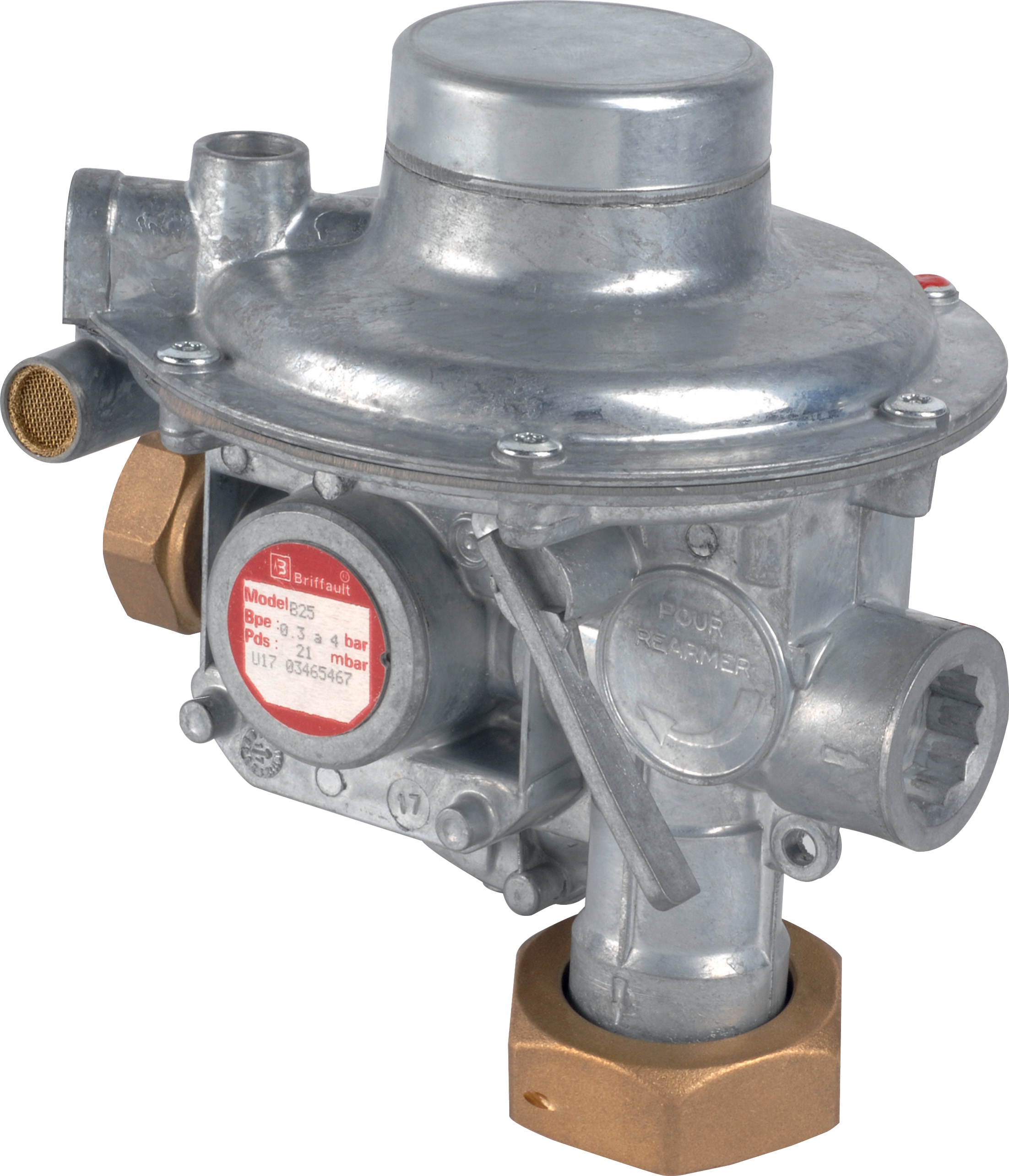
The Francel B25/37mb pressure regulator with integrated safety relief delivers consistent 37 mbar outlet pressure with built-in overpressure protection. Its 10 mm vent size accommodates the gas volumes typical in commercial HVAC applications. For Singapore contractors, this design prevents the pressure creep that often occurs when salt-laden air enters standard vents, which can gradually corrode the relief mechanism.
Matching Regulator Type to Application
Two-stage regulators (primary/secondary) provide superior performance in systems where large load swings occur—common in buildings with variable occupancy. The primary stage absorbs inlet pressure fluctuations; the secondary stage maintains stable outlet pressure despite downstream demand changes.
Single-stage regulators work well for steady-load applications like dedicated hot water systems with consistent flow patterns. They cost less, occupy less space, and require simpler maintenance.
In Singapore's humidity, choose regulators with diaphragms designed from synthetic rubber that resists moisture absorption better than natural rubber. Check manufacturer specifications explicitly—this detail is easy to overlook but critical for long-term reliability.
Integrating Safety Relief and End-of-Stroke Protection
Why Dual Safety Layers Matter
Singapore's National Environmental Agency (NEA) gas regulations require pressure relief systems that prevent overpressure situations from developing into safety hazards. Many contractors install only primary relief valves, leaving secondary control points unprotected.
Best practice calls for two independent safety layers:
1. Integrated Pressure Relief: Built into the main regulator (like the Francel unit mentioned above), this prevents pressure from exceeding safe outlet limits under normal operation.
2. End-of-Stroke Shutoff Protection: These valves interrupt gas flow if pressure spikes occur downstream—for example, if a burner nozzle becomes blocked or if condensation causes momentary flow obstruction.
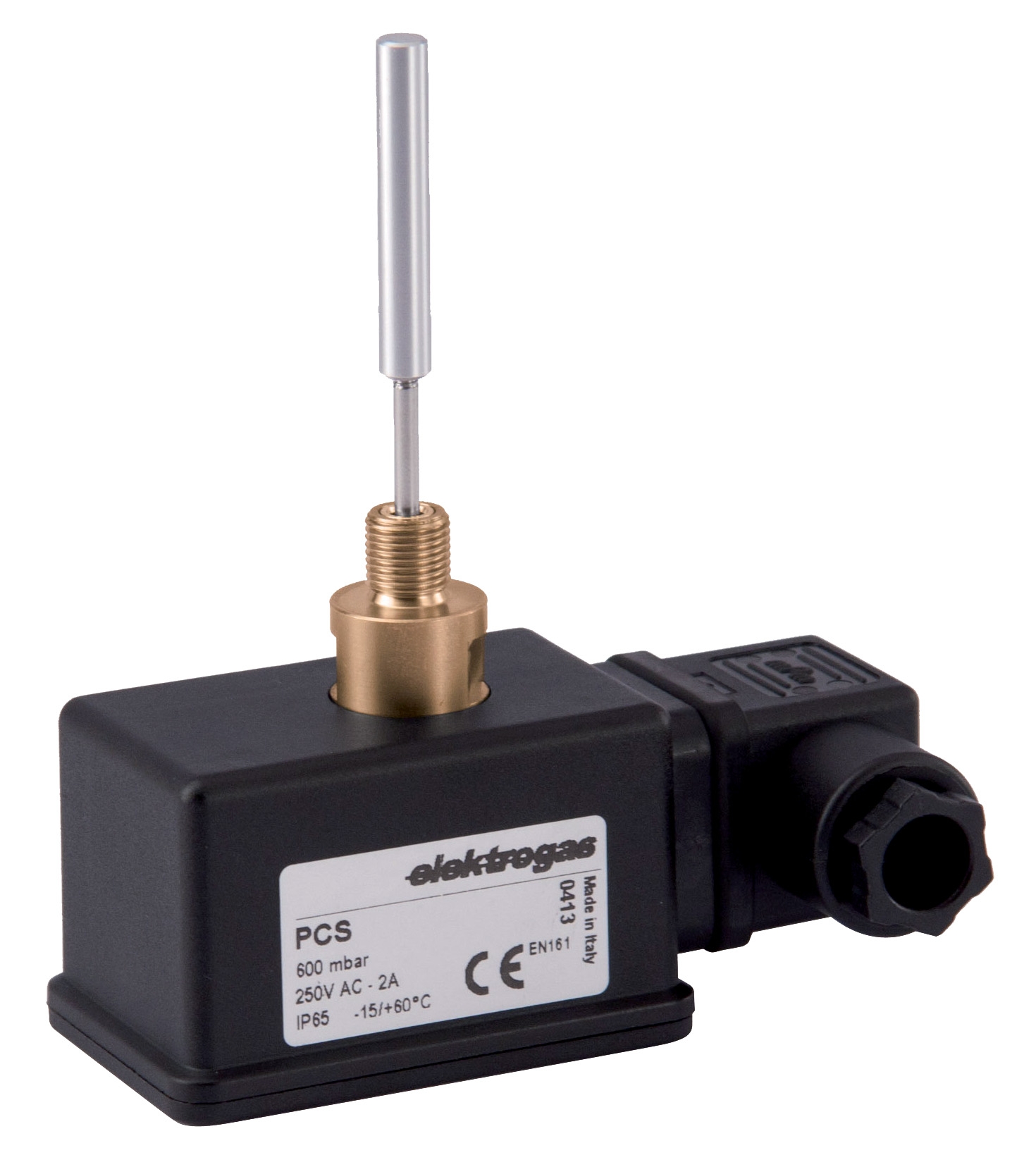
The Elektrogas VMM 20-25 end-of-stroke contact valve provides this secondary protection. Rated for 6 bar pressure and designed to EN 161 international safety standards, it activates automatically if downstream pressure rises unexpectedly. For HVAC contractors, this valve is adjusted easily with a 3 mm Allen wrench, making field calibration straightforward during commissioning.
Practical Installation Considerations
When installing end-of-stroke protection, place the valve immediately downstream of the main regulator but upstream of any burner isolation valves. This positioning ensures the relief system functions even if someone manually closes an isolation valve, which would otherwise trap pressure between components.
Test end-of-stroke valves quarterly in Singapore environments. The combination of humidity and salt spray can accelerate internal spring corrosion, reducing responsiveness over time. Annual replacement of the internal sealing components is reasonable preventive maintenance in coastal areas.
Troubleshooting Common Gas Regulation Problems in Tropical Climates
Pressure Creep and Unstable Outlet Pressure
Symptom: Outlet pressure gradually increases over days or weeks, causing flame growth or burner hunting (repeated on-off cycling).
Root Cause: Moisture or mineral deposits accumulate on the regulator diaphragm, reducing its sensitivity. In Singapore, this occurs faster due to salt-spray corrosion of vent orifices.
Solution:
- Replace the vent filter cartridge every 6 months (not annually as many manuals suggest).
- Inspect the internal diaphragm for white crusty deposits. If present, the regulator requires professional reconditioning or replacement.
- Specify regulators with stainless steel vent screens rated for marine environments when replacing failed units.
Sluggish Pressure Response (Slow Ramp-Up at Ignition)
Symptom: When the burner control opens the solenoid valve, gas pressure takes 3-5 seconds to stabilize instead of the expected 0.5-1 second.
Root Cause: Internal regulator springs corrode, or the diaphragm develops micro-tears allowing slow pressure bleed-off.
Solution:
- Test by shutting off downstream demand and observing outlet pressure stability over 30 minutes. Pressure drift exceeding 2 mbar indicates internal leakage.
- Replace regulators showing drift; reconditioning rarely extends service life beyond 12-18 months in humid climates.
- Upgrade to dual-stage systems if the application involves frequent on-off cycling, which stresses single-stage components.
Hissing or Visible Gas Escaping from Vent Port
Symptom: A continuous, audible hiss from the regulator vent opening; customers notice a gas odor near the unit.
Root Cause: The pressure relief valve inside the regulator is stuck in a partially open position, venting small quantities of gas continuously.
Solution:
- This is a serious safety issue requiring immediate action. Do not attempt to adjust the regulator.
- Shut off the inlet gas supply and secure the area.
- Replace the regulator within 24 hours. Continued operation risks uncontrolled pressure swings and potential overpressure events.
- If replacement requires 1-2 days, install a temporary mechanical safety relief valve on the outlet side rated for the system's normal operating pressure.
Flame Quality Issues Despite Stable Pressure Readings
Symptom: Pressure gauge reads the correct outlet value (e.g., 37 mbar), but the burner flame appears thin, yellow, or unstable.
Root Cause: The regulator maintains average pressure but cannot respond fast enough to momentary demand spikes. This causes the burner to momentarily starve for gas, producing color changes and flame flicker.
Solution:
- Inspect the regulator's outlet port for partial blockage. Sediment or scale from town gas supply can reduce effective valve opening.
- Clean the outlet port by carefully backing out the outlet connection and flushing with clean mineral oil followed by compressed air. Do not submerge the regulator itself.
- If cleaning doesn't resolve the issue, upgrade to a two-stage regulator system where the secondary stage buffers rapid pressure variations.
Maintenance and Compliance for Singapore Operations
Scheduled Maintenance Protocol
Develop a regulator maintenance schedule based on three factors: equipment age, operating hours, and environmental exposure.
New Installation (0-6 months):
- Verify outlet pressure weekly during initial operation period.
- Check for any visible corrosion or moisture around vent ports.
- Test safety relief valve operation monthly (if the regulator includes a manual test button).
- Monthly pressure verification using a calibrated gauge.
- Visual inspection for corrosion, especially around the vent area and diaphragm housing.
- Annual vent filter cartridge replacement.
- Every 18 months, conduct a full pressure stability test (monitor outlet pressure for 60 minutes under no-load conditions).
- Pressure readings every 2 weeks.
- Vent filter replacement every 4 months.
- Annual internal inspection and seal replacement if available through the manufacturer.
- Consider replacement if any stability test shows drift exceeding 3 mbar.
Documentation and Regulatory Compliance
Singapore's gas safety regulations require documented evidence of:
- Installation date and commissioning pressure verification
- Maintenance activity dates and findings
- Any adjustments made to pressure settings (including who made the adjustment and why)
- Regulator replacement records with serial numbers and specification details
Maintain these records for a minimum of 3 years. When pressure adjustments become necessary (burner modifications, for example), document the old setting, new setting, date, and the contractor's license number. This protects both you and the building owner if any safety incidents occur.
Working with Your Equipment Distributor
3G Electric's 35 years of experience supporting HVAC contractors across Southeast Asia means our team understands both the technical requirements and the practical realities of managing equipment in Singapore's climate. When you encounter persistent regulation problems that don't respond to standard troubleshooting, our technical support can help identify whether the issue is the regulator itself, the downstream burner control system, or the upstream supply system.
Keep your distributor informed about:
- Unusual patterns of pressure instability
- Equipment failures that repeat across multiple installations
- Changes in gas supply quality or characteristics reported by your clients
This feedback helps us identify emerging issues before they affect your service reputation.