Understanding Gas Valves & Regulation in High-Pressure Industrial Systems
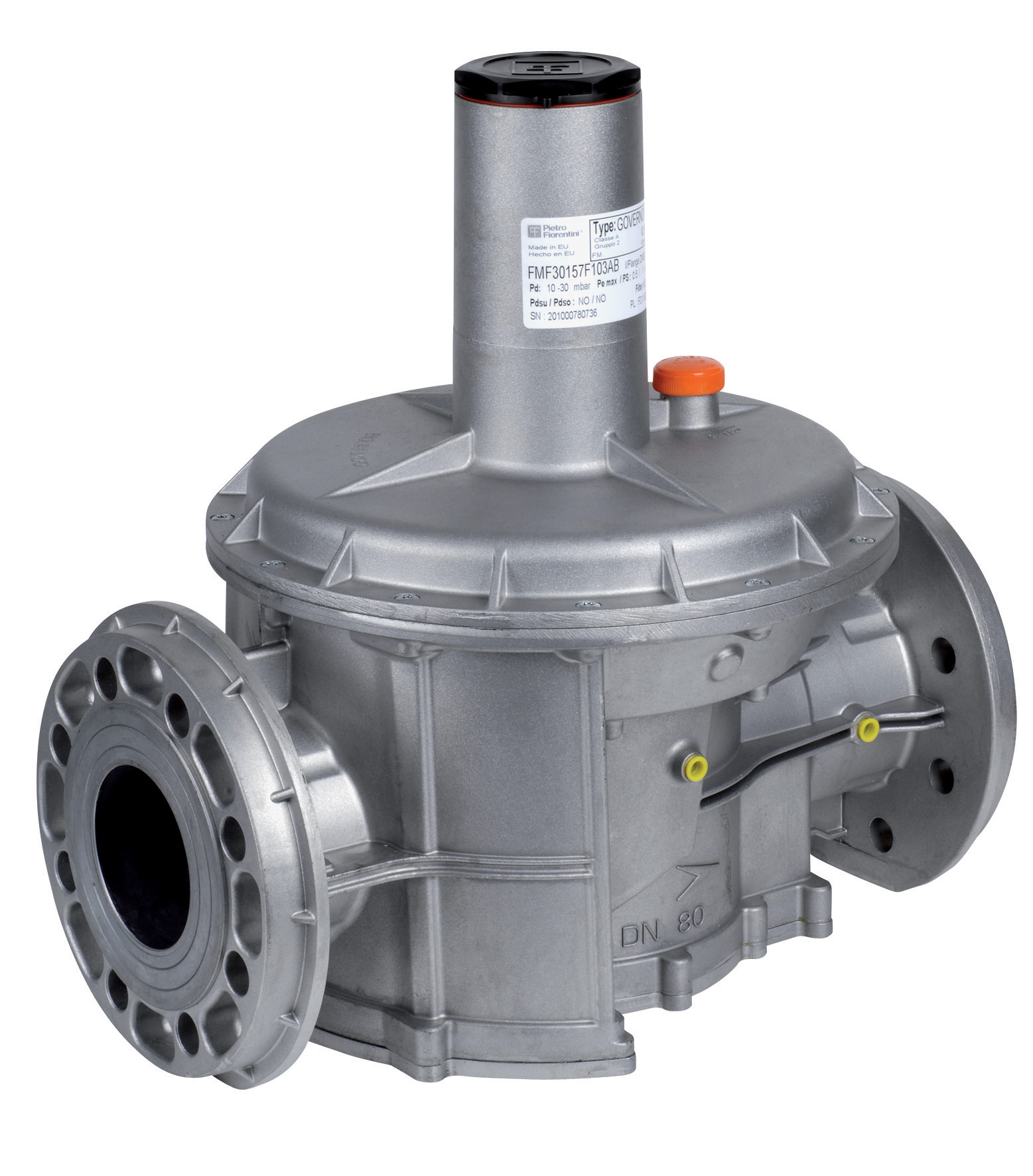
Gas Valves & Regulation in industrial hydraulic and pneumatic systems represents one of the most critical procurement decisions for maintenance teams operating in Singapore's tropical environment. However, the term encompasses two distinct functional categories: dedicated pump discharge valves designed for specific hydraulic circuits, and automatic pressure regulators that manage system pressure independently across multiple load conditions.
With over 35 years of distribution experience, 3G Electric has observed that procurement engineers frequently conflate these two technologies, leading to specification errors that result in equipment oversizing, energy waste, and premature component failure. Understanding the architectural differences between pump-mounted discharge valves and standalone automatic regulators is essential for optimizing capital expenditure and operational efficiency in Singapore's demanding industrial maintenance sector.
Pump Discharge Valves: Direct Flow Control at the Source
Pump discharge valves such as the Pratissoli R1X/200 VALVE represent the first line of system protection. Designed specifically for compatibility with pump series (SS70–SN71 in this case), these components handle 110 L/min flow capacity at 200 bar maximum pressure rating. The valve functions as a dedicated protective device mounted directly on or immediately downstream of the pump outlet.
Key technical characteristics of pump discharge valves include:
- Direct mounting architecture: Eliminates external plumbing between pump and valve, reducing leak points and installation footprint
- Series-specific compatibility: Engineering requires precise flow-rating alignment with pump displacement; oversized valves waste system energy, undersized units create back-pressure limitations
- Fixed or semi-adjustable pressure settings: Typically configured at commissioning and not intended for field adjustment during normal operation
- Single-function design: Provides overpressure protection only; does not regulate pressure during load variations
- Higher initial cost: Purpose-built components command premium pricing compared to universal regulators
For Singapore's sewer cleaning and surface preparation contractors, pump discharge valves offer operational advantages when systems run at consistent load profiles. Applications involving fixed-nozzle pressure washers or constant-output cleaning equipment benefit from valve simplicity and the elimination of modulating pressure loss.
However, thermal expansion in Singapore's 28–32°C ambient conditions can cause pressure drift in fixed-setting valves. The Pratissoli R1X/200 operates to 200 bar with integrated thermal compensation, but procurement engineers must verify that system ambient controls exist to maintain valve calibration stability throughout operational shifts.
Automatic Pressure Regulators: Adaptive System Response
Automatic pressure regulators like the Pratissoli AUTOMATIC PRESS.REG. H288 operate on fundamentally different principles. Rather than protecting a single pump outlet, these regulators maintain target system pressure regardless of load fluctuations by modulating flow bypass to tank. The H288 delivers 20 L/min at 280 bar maximum, with a 85°C operating temperature rating specifically suited to tropical industrial environments.
Core functional differences between automatic regulators and pump discharge valves:
- Pilot-operated pressure control: Responds dynamically to load changes; maintains set pressure even as downstream demand varies
- Universal compatibility: Can be installed in any high-pressure circuit; not pump-series dependent
- Field-adjustable settings: Enable on-site calibration to specific application requirements without component replacement
- Continuous pressure monitoring: Pilot line feedback provides real-time system response to thermal expansion and load transients
- Energy efficiency advantage: Lower heat generation compared to fixed-setting bypass valves operating at maximum pressure continuously
For Singapore procurement teams managing multi-application maintenance fleets (sewer cleaning systems paired with surface preparation equipment, for example), automatic regulators provide operational flexibility. A single regulator model can serve multiple equipment configurations through field adjustment, reducing inventory complexity and spare parts costs.
The Pratissoli H288's 85°C rating reflects engineering for tropical climates; hydraulic fluid temperature stability becomes increasingly challenging in Singapore's high-humidity environment where system coolers must compensate for ambient heat loading. Regulators without tropical-rated components experience pressure drift exceeding ±5 bar across operational temperature swings, creating consistency problems in precision cleaning applications.
Performance Comparison: Flow Capacity vs. Pressure Trade-Offs
Procurement engineers face critical specification decisions when system requirements approach component limits. Compare two scenarios common to Singapore industrial operations:
Scenario 1: High-volume, lower-pressure sewer cleaning – Requires 110 L/min flow with occasional pressure transients to 150 bar. The Pratissoli R1X/200 VALVE (200 bar rated, 110 L/min capacity) matches specification perfectly at minimal cost. Automatic regulators would introduce unnecessary complexity and pressure-drop losses. Recommended approach: pump discharge valve with fixed setting at 160 bar factory calibration.
Scenario 2: Multi-purpose cleaning fleet with variable load profiles – Morning shift operates high-volume surface cleaning (90 L/min, 120 bar); afternoon shift transitions to precision equipment cleaning (40 L/min, 200 bar). The Pratissoli AUTOMATIC PRESS.REG. H288 (280 bar rated, 20 L/min nominal) cannot handle morning-shift flow requirements but provides essential pressure modulation for precision work. Recommended approach: hybrid architecture with pump discharge valve (primary protection) feeding into automatic regulator (load-responsive trimming). This configuration requires careful coordination to prevent valve chatter and instability.
Heat generation during operation represents a frequently overlooked design parameter. When automatic regulators maintain pressure below maximum pump capacity, excess flow bypasses to tank through the regulator spool. Energy dissipation follows the equation: Heat (kW) = Flow (L/min) × Pressure Drop (bar) / 600. A pump operating at 280 bar maximum with regulator set to 150 bar creating bypass duty will generate significantly higher cooling load than a fixed-setting pump discharge valve at 150 bar.
For Singapore's tropical environment, this thermal penalty translates directly to cooler size requirements and energy consumption. Procurement teams must incorporate cooling system upgrades into total cost of ownership calculations when transitioning from fixed pump discharge valves to automatic regulators.
Material Compatibility and Tropical Environmental Factors
Singapore's industrial environment presents specific material compatibility challenges rarely encountered in temperate climates. High humidity, salt-air exposure in coastal areas, and rapid temperature cycling demand special attention to valve housing materials and seal specifications.
The Pratissoli components referenced in this analysis—including the high-pressure hoses ZT06B1000353 and ZT03A0200152—feature Italian engineering optimized for European climate conditions. While these components perform adequately in Singapore, procurement engineers should verify:
- Housing material: Ductile iron or aluminum components require protective surface coatings to resist saltwater environments. Stainless steel valve bodies command 15–25% cost premiums but eliminate corrosion maintenance schedules entirely.
- Seal material compatibility: Tropical humidity accelerates elastomer aging. Nitrile seals (standard) degrade faster than fluoro-based compounds. Extended seal life justifies material upgrade costs in high-availability applications.
- Pressure line filtration: High ambient humidity introduces water contamination into hydraulic systems. Regulators with integrated filter-regulators reduce seal failure risk by removing moisture through coalescent filtration stages.
- Temperature rating verification: Components rated to 85°C provide minimal headroom in tropical applications. Fluid temperature management systems become mandatory design requirements, not optional accessories.
3G Electric's 35 years of distribution experience across Southeast Asia confirms that component failure patterns in Singapore differ significantly from European reference data. Salt-air corrosion and moisture infiltration cause premature seal failure at rates 2–3 times higher than temperate-climate operations. Procurement specifications must account for accelerated maintenance intervals and higher seal replacement costs.
Integrated Decision Framework for Singapore Procurement Teams
Selection between pump discharge valves and automatic pressure regulators requires systematic evaluation across six procurement dimensions:
1. Application Load Profile: Fixed-load systems (single cleaning configuration) favor pump discharge valves; variable-load applications require automatic regulators or hybrid architectures.
2. Flow-Pressure Requirements: Verify that component ratings provide minimum 15% margin above peak anticipated demand. The Pratissoli PUMP SRS65 1800 VER V 400V-AC with 6 L/min capacity at 170 bar maximum suits precision equipment cleaning but cannot support high-volume cleaning operations requiring 90+ L/min throughput.
3. Thermal Management Capacity: High automatic-regulator bypass duty demands cooler system upgrades. Calculate total system cooling load before finalizing regulator specifications.
4. Material Compatibility: Specify stainless steel construction for coastal operations; standard ductile iron acceptable for inland applications with proper protective maintenance schedules.
5. Field Adjustment Requirements: Operations requiring pressure modification between jobs justify automatic-regulator investment; fixed configurations favor pump discharge valve simplicity.
6. Maintenance Resource Availability: Automatic regulators require trained technicians for pilot-line diagnostics and modulation-spool inspection. Organizations with limited hydraulic expertise should standardize on simpler pump discharge valve architectures despite reduced operational flexibility.
For procurement engineering teams in Singapore, the optimal approach involves hybrid specification strategies that combine pump discharge valve primary protection with automatic regulator load-responsive trimming. This architecture balances simplicity, energy efficiency, and operational flexibility while maintaining equipment reliability in tropical environmental conditions.
3G Electric's distribution network across Singapore and Southeast Asia provides engineering consultation services to validate component specifications for site-specific thermal, pressure, and flow requirements. Procurement engineers are encouraged to engage application specialists during specification development to optimize equipment selection and minimize commissioning risks.