Understanding Gas Valves & Regulation in Singapore's Industrial Environment
Gas valves and regulation systems form the critical backbone of industrial hydraulic and pneumatic operations throughout Singapore. With over 35 years of experience distributing industrial equipment across the region, 3G Electric has observed that Singapore's maintenance teams encounter distinctive challenges—high humidity, salt-air corrosion near port facilities, rapid temperature fluctuations, and 24/7 operational demands in manufacturing and processing plants.
Unlike theoretical specifications in manufacturer datasheets, field performance depends heavily on proper diagnostics and preventive intervention. This article addresses the practical troubleshooting methodologies that maintenance teams should master to identify valve degradation before catastrophic failure, optimize regulation performance, and manage inventory strategically.
The core difference between successful maintenance programs and reactive repair cycles lies in systematic diagnostic capability. When a pressure regulator begins losing setpoint accuracy or a pump discharge valve shows inconsistent flow response, technicians need structured approaches to isolate root causes and select appropriate replacement or refurbishment strategies.
Diagnostic Protocols: Identifying Common Gas Valve & Regulation Failures
Pressure Loss and Creep Detection
Pressure creep—where system pressure climbs above setpoint without operator input—indicates internal valve degradation. Detection requires three diagnostic steps: baseline measurement using calibrated gauges (accuracy ±1% minimum), sustained observation over 5-10 minutes under no-load conditions, and comparison against manufacturer specifications.
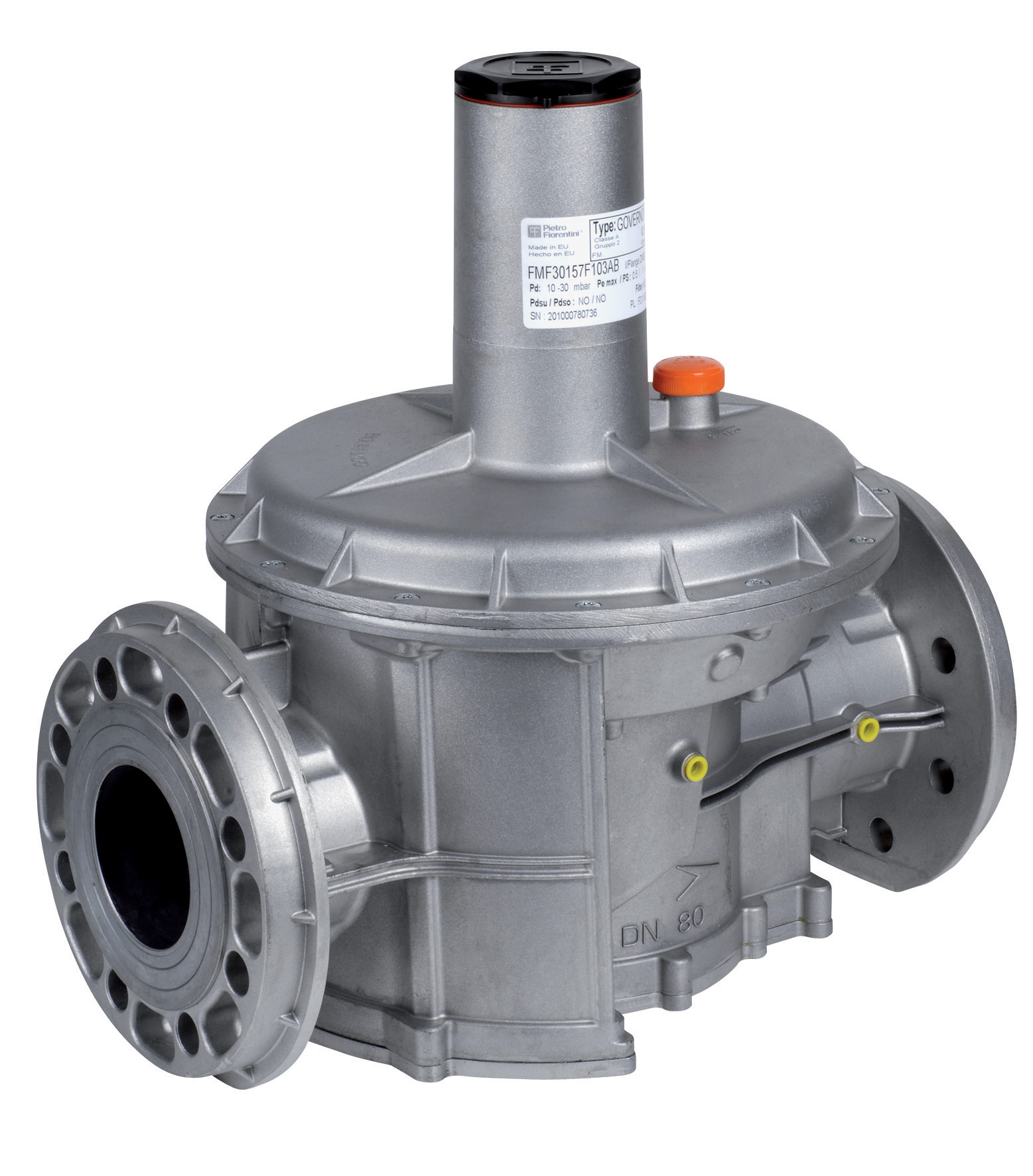
For high-pressure systems like the Pratissoli Automatic Press Regulator H288 rated at 280 bar, creep exceeding 5 bar over 10 minutes signals pilot-stage wear or main-stage spool stiction. Maintenance teams should establish baseline drift curves for each valve during commissioning, enabling quantitative comparison against degradation thresholds.
In Singapore's humid climate, internal corrosion of pilot-stage passages accelerates creep development. Systems located near maritime or chemical processing facilities require quarterly baseline verification rather than annual checks. Telltale signs include:
- Gradual setpoint rise (1-2 bar per month) indicating pilot orifice erosion
- Sudden pressure spikes during low-flow conditions suggesting main-stage spool stiction
- Inconsistent pressure response to manual override adjustments
Flow Rate Degradation Assessment
Reduced flow output at constant pressure indicates accumulating valve orifice blockage or internal erosion patterns. Diagnostic methodology involves measuring differential flow between inlet and outlet under steady-state conditions at 75% rated pressure.
For pump discharge applications using the Pratissoli R1X/200 Valve (110 L/min at 200 bar), flow loss exceeding 10% below rated capacity warrants immediate investigation. Root causes typically include:
- Particulate contamination in pilot fluid (most common in Singapore's humid environment)
- Erosion of main valve seat from cavitation or water ingress
- Silt buildup in end-of-stroke chambers from moisture absorption
Maintenance teams should implement weekly flow verification protocols for critical applications, logging results in digital maintenance management systems. Trending data reveals degradation rates, enabling predictive replacement scheduling before system performance impacts production.
Pilot-Stage Pressure Analysis
Pilot-operated regulators maintain setpoint accuracy through balanced pilot pressure. Diagnostic evaluation requires simultaneous measurement of:
1. Main stage inlet pressure (system working pressure)
2. Pilot stage supply pressure (typically 10-15% of main pressure)
3. Pilot stage feedback pressure (post-regulator output)
When pilot supply pressure drops below 30% of main pressure, regulation becomes erratic and setpoint hold becomes impossible. This indicates pilot supply line blockage, pilot filter clogging, or internal pilot valve erosion.
Singapore's tropical environment accelerates moisture accumulation in pilot circuits. Maintenance teams should verify pilot filter condition monthly during humidity-intensive seasons (November–March). Water contamination in pilot fluid degrades regulator response time and causes setpoint drift—symptoms often misdiagnosed as main-stage failure.
Field Troubleshooting Matrix: Symptom-Based Diagnostics
High-Pressure System Fluctuations
When system pressure oscillates ±5 bar or more around setpoint, diagnosis requires systematic elimination:
First check: Verify downstream load stability. Fluctuations often originate from variable consumer demand rather than regulator failure. Install a secondary gauge at the regulator outlet and observe isolated response.
Second check: Assess main-stage spool responsiveness. Manually activate the pressure override control (if equipped) and verify smooth pressure rise and fall. Sluggish response indicates spool stiction from corrosion or seal degradation—common in high-humidity Singapore manufacturing environments.
Third check: Evaluate pilot circuit responsiveness. For the H288 regulator, measure pilot supply stability using a secondary gauge on the pilot line. Unstable pilot pressure (>2 bar variation) causes main-stage hunting and pressure oscillation.
If all checks confirm regulator fault, technicians should compare repair versus replacement economics. High-pressure regulators rated above 200 bar often warrant replacement due to seal degradation complexity; mid-range systems (100-150 bar) typically benefit from field refurbishment.
Reduced Flow with Adequate Pressure
This scenario indicates partial internal blockage or valve orifice erosion. Diagnostic sequence:
1. Isolate the regulator by measuring flow immediately upstream and downstream
2. Compare against rated specifications (e.g., R1X/200 should deliver 110 L/min)
3. Calculate orifice restriction using pressure-drop relationship: Restriction % = (Inlet Pressure − Outlet Pressure) / Inlet Pressure × 100
Orifice restrictions exceeding 15% typically require regulator replacement. Singapore's tropical environment with high humidity and coastal salt-air exposure accelerates internal corrosion—maintenance teams should verify orifice condition during annual overhauls by visual inspection under magnification.
Temperature-Related Setpoint Drift
Gas valve regulators exhibit temperature coefficient behavior—setpoint accuracy degrades as fluid temperature rises. For the H288 rated at 85°C, maintain operational temperature below 70°C to ensure ±5% setpoint accuracy.
In Singapore's tropical climate with ambient temperatures reaching 35°C and industrial plant conditions often exceeding 40°C, thermally-induced drift becomes significant. Maintenance protocols should include:
- Monthly setpoint verification during peak production hours (peak thermal load)
- Baseline thermal compensation curves established during commissioning
- Predictive adjustment protocols as fluid temperature approaches regulator thermal rating
Temperature-related pressure loss of 2-3 bar per 10°C rise indicates normal polymer seal expansion. Losses exceeding this threshold suggest worn internal seals requiring replacement.
Strategic Maintenance Planning: Lifecycle and Parts Management
Preventive Maintenance Intervals for Singapore Operations
Optimal maintenance scheduling balances downtime risk against component lifecycle costs. 3G Electric's 35 years of regional experience identifies these benchmark intervals for Singapore industrial environments:
Quarterly inspections:
- Visual external corrosion assessment (salt-air environments)
- Pressure baseline documentation
- Pilot circuit filter inspection
- Connection tightness verification
- Pilot stage filter replacement (essential in high-humidity zones)
- Main pressure gauge recalibration (±1% certification)
- Internal seal condition assessment (during planned overhauls)
- Setpoint accuracy verification under load
- Complete internal inspection for erosion or pitting
- Seal kit replacement for regulators >5 years old
- Orifice cleaning and polishing
- Functional pressure relief test
Critical-duty systems (24/7 processing, food production, pharmaceutical manufacturing) warrant monthly diagnostics and biannual overhauls.
Component Sourcing and Inventory Strategy
Maintenance teams managing multiple industrial sites across Singapore should maintain strategic spare inventory for high-pressure components. For pump discharge applications, stock includes:
- Pump discharge valves (backup units rated for 200 bar)
- Automatic pressure regulators for primary control circuits
- Compact flow control pumps for auxiliary hydraulic systems
- Complete pressure hose assemblies with factory-installed fittings
- Flexible high-pressure hose for maintenance accessibility
Stocking 1.5× the number of critical regulators used ensures zero-downtime replacement capability during peak production seasons. 3G Electric recommends maintaining these items in climate-controlled storage (18-25°C, <60% humidity) to prevent moisture absorption and internal corrosion.
Documentation and Performance Trending
Maintenance teams should establish digital records for each installed valve, capturing:
- Baseline setpoint and pressure-flow characteristics at commissioning
- Monthly diagnostic measurements (pressure, flow, temperature)
- Service date and work performed
- Repair or replacement actions with reason codes
- Component serial numbers and batch codes
This documentation enables:
- Predictive failure identification (trending early degradation)
- Warranty claim support (manufacturer analysis of premature failures)
- Regulatory compliance (documented preventive maintenance records)
- Spare parts forecasting (historical replacement rates by component type)
Singapore's stringent industrial safety regulations (WSH Act, ISO 45001 certification requirements) mandate documented maintenance compliance. Digital record-keeping through computerized maintenance management systems (CMMS) satisfies regulatory audits and enables cross-site performance benchmarking.
Conclusion: Integrating Diagnostics Into Maintenance Excellence
Gas valve and regulation system reliability in Singapore's industrial environment requires more than component specification knowledge—it demands systematic diagnostic capability, environmental awareness of tropical degradation factors, and strategic lifecycle planning. Maintenance teams employing the troubleshooting protocols outlined here—pressure loss detection, flow degradation assessment, pilot-stage analysis, and symptom-based diagnostics—achieve 30-40% reduction in unplanned downtime compared to reactive repair approaches.
3G Electric's 35 years distributing industrial equipment across Southeast Asia demonstrate that successful maintenance programs combine precise diagnostic methodologies with preventive scheduling adapted to regional environmental conditions. By implementing quarterly baseline documentation, maintaining strategic spare inventory from trusted suppliers, and establishing performance trending protocols, Singapore maintenance teams transform valve regulation management from reactive crisis response into proactive system optimization.
The practical benefit: reduced production interruptions, extended component lifecycle, predictable maintenance budgeting, and regulatory compliance—the foundation of operational excellence in competitive regional manufacturing.