Understanding Gas Valves & Regulation: The Foundation for Reliable Plant Operations
Gas valves and regulation systems are critical control points in any industrial plant using compressed gas, LPG, or natural gas. When these systems fail, the consequences range from production stops to serious safety incidents. Drawing on over 35 years of equipment distribution experience across Singapore and Southeast Asia, 3G Electric has observed that most valve failures result from poor diagnosis rather than defective equipment.
This guide focuses on practical troubleshooting methods plant managers can implement immediately. Rather than replacing entire systems, understanding the root cause of regulation problems often saves significant maintenance costs and prevents repetitive failures.
Common Pressure Regulation Problems and How to Diagnose Them
Problem 1: Inconsistent Outlet Pressure
Your burner system receives fluctuating gas pressure, causing flame instability or uneven heating. This is the single most common regulation complaint plant managers report.
Diagnosis steps:
- Install a pressure gauge downstream of the regulator (if not already present). Record readings over 10 minutes to confirm pressure is actually varying, or if the flame appearance simply seems unstable.
- Check if pressure changes correlate with upstream supply pressure changes. If upstream pressure is stable and outlet pressure varies, your regulator adjustment or internal component is the problem.
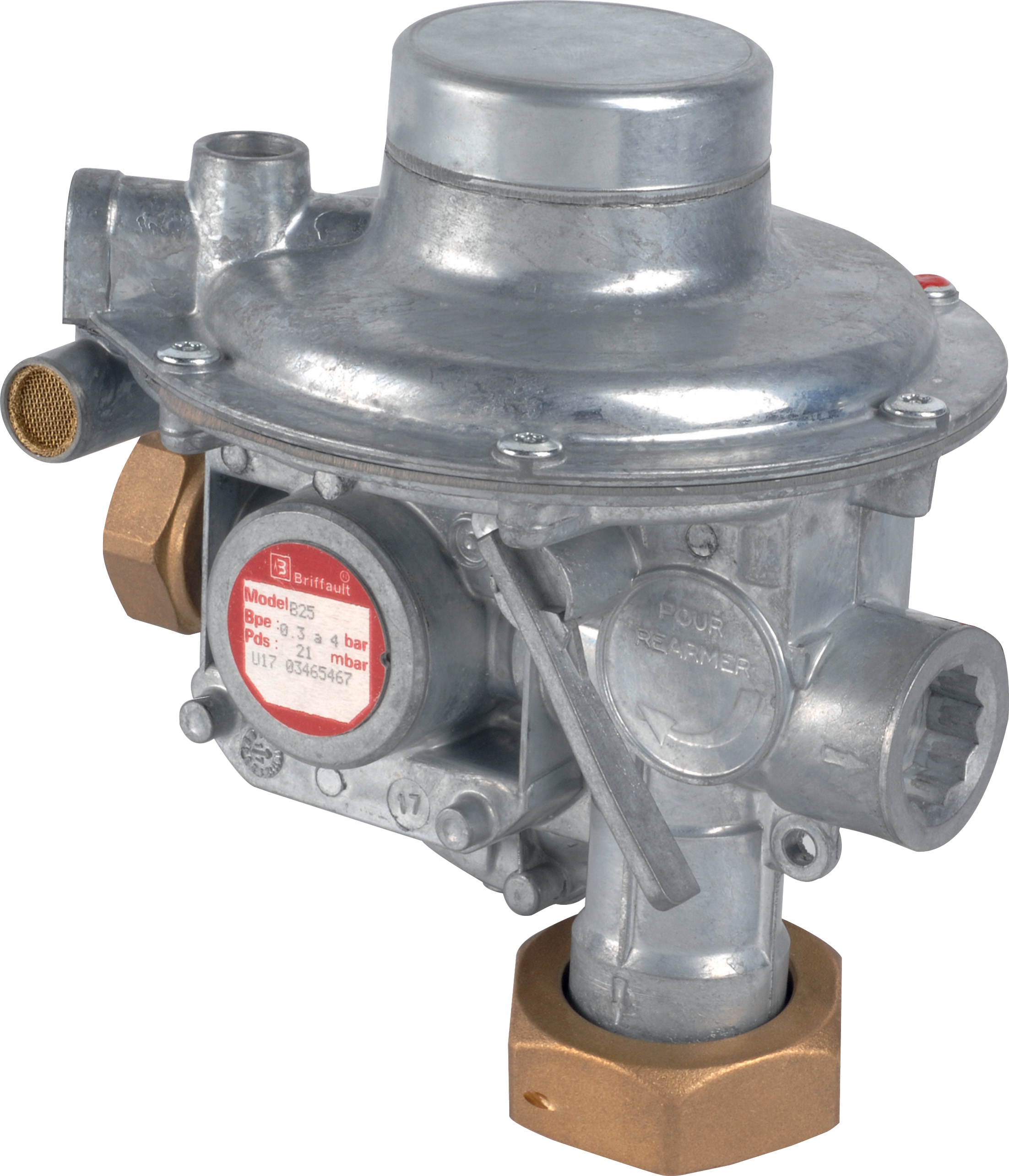
- Inspect the regulator's vent hole for blockage. Even partial blockage of the vent creates back-pressure that affects outlet pressure stability. For the Francel B25/37mb regulator, a 10 mm vent must remain completely clear.
- Verify the regulator's adjustment screw hasn't been tampered with. Many plants experience this after maintenance visits by unfamiliar technicians.
Problem 2: Regulator Won't Maintain Pressure Under Load
When gas demand increases (burner fires at full capacity), outlet pressure drops below the required setpoint.
Diagnosis steps:
- Measure outlet pressure at idle, then again at 100% burner load. Note the pressure drop amount. A drop of 1-2 mbar is normal; drops exceeding 3-5 mbar indicate a regulator problem.
- Check if the upstream supply pressure is adequate. Your regulator can only deliver outlet pressure if upstream pressure exceeds it by at least 0.5 bar (often called the minimum "cracking pressure"). If upstream pressure is borderline, the regulator will fail under load.
- Inspect internal regulator components for debris. Particulate matter in the gas supply can lodge in the regulator's valve seat, preventing full opening. This is especially common in plants where the gas supply line has never been flushed.
- Test the regulator's relief valve function. If the relief valve is stuck open, the regulator cannot hold pressure.
Problem 3: Safety Relief Valve Continuously Venting Gas
You hear hissing from the regulator's vent, even when burner demand is low. This wastes fuel and indicates the relief valve is opening when it shouldn't.
Diagnosis steps:
- Confirm that outlet pressure actually exceeds the relief setpoint. Measure with an accurate gauge. Sometimes operators confuse normal venting (which is quiet) with relief discharge (which is audible).
- Check if upstream pressure has increased above normal. If your supply pressure increased (due to temperature rise or upstream regulator adjustment), the relief valve is responding correctly by venting excess.
- Inspect the relief valve seat for debris or damage. Particles can prevent the valve from sealing fully, causing continuous venting even at correct pressure.
- Verify the relief valve adjustment hasn't been altered. Document the correct setpoint in your maintenance logs and check against current setting.
Pressure Control System Issues Specific to Singapore Industrial Environments
Singapore's humid, salt-laden atmosphere creates unique challenges for gas regulation equipment. Metal components corrode faster than in temperate climates, and moisture can enter regulator vent holes, causing internal corrosion.
Corrosion-Related Pressure Creep
Over time, internal corrosion roughens the regulator's valve seat, allowing small amounts of gas to bypass the valve even when fully closed. Outlet pressure slowly increases over hours or days.
Prevention and detection:
- Inspect regulator housings monthly for external corrosion. Surface rust on the body indicates internal corrosion is likely occurring.
- Install a secondary pressure relief valve downstream of the main regulator as a backup safety layer. This is standard practice in Southeast Asia's humid environment.
- Replace regulators showing external corrosion within 12 months, rather than waiting for failure. The cost of regulator replacement is minimal compared to unplanned shutdown costs.
- Consider stainless steel or epoxy-coated regulators for new installations in high-humidity areas like plants near Singapore's coast.
Moisture Intrusion at the Vent
Regulator vent holes sometimes become entry points for humidity during shutdown periods or when pressure drops rapidly.
Practical solution:
- Install a small silica gel breather cartridge (available from industrial gas equipment suppliers) on the regulator's vent line. This allows air to enter during depressurization without allowing moisture in.
- Ensure vent lines slope downward away from the regulator to prevent water accumulation.
- After extended shutdown periods (more than 48 hours), slowly pressurize the system and listen for water droplets in downstream components. If heard, drain the system and allow 2-4 hours of slow gas purge before restarting.
Practical Maintenance Schedule to Prevent Regulation Failures
Based on 35+ years of serving Singapore's industrial sector, 3G Electric recommends the following maintenance approach:
Weekly (Plant Manager Checks)
- Visual inspection: Look for any hissing or liquid leaks from the regulator body or vent line.
- Pressure gauge reading: Record the outlet pressure at the same time each week. Any trend of increasing or decreasing pressure indicates developing problems.
- Flame observation: Stable, consistent burner flame indicates good regulation. Flickering flames suggest pressure fluctuation requiring investigation.
Monthly (Maintenance Team Work)
- Clean or replace inlet gas filters. Clogged filters reduce upstream pressure and prevent the regulator from achieving setpoint under load.
- Inspect regulator vent hole for any blockage using a flashlight. Clear any dust or debris with compressed air (never push debris inward).
- Test relief valve function by slowly increasing upstream pressure and confirming the relief vents at the correct setpoint. Document the setpoint in your maintenance log.
- Check all gauge connections for leaks using soapy water solution. Tighten any leaking connections slightly—do not over-tighten, which can damage the gauge port.
Quarterly (Senior Technician Review)
- Measure inlet and outlet pressure simultaneously under full load. Compare against baseline readings from previous quarters. Pressure drop trends indicate regulator internal wear.
- If pressure drop has increased by more than 1 bar over one year, schedule regulator replacement during your next planned maintenance window.
- Inspect downstream equipment (burner, solenoid valves, control valves) for any impact on regulation performance. Issues in downstream equipment can mask or aggravate regulator problems.
Annual (Complete System Review)
- Document regulator age, model, and serial number. Most industrial regulators have a 5-7 year service life in Singapore's environment; plan replacement accordingly.
- Review your maintenance log for any pattern of recurring issues. Repeated problems with the same regulator model may indicate a design limitation, requiring a different product for future installations.
- Consider upgrading to regulators with integrated safety features, like the Francel B25/37mb, which combines pressure regulation and safety relief in one compact unit. This reduces connection points where leaks can occur.
Selecting Replacement Valves and Regulators: A Practical Decision Matrix
When troubleshooting reveals a regulator needs replacement, plant managers often face confusion about which product to specify. The key variables are:
Operating pressure: Most Singapore industrial applications use 0.5–37 mbar for burner systems, or 6 bar for pneumatic applications. Confirm your requirement before purchasing.
Flow capacity: Measure peak gas demand in cubic meters per hour and specify a regulator with at least 20% excess capacity. Undersized regulators will cause pressure drop under load.
Safety integration: Standalone pressure regulators are cheaper but require separate relief valves. Integrated units like the Francel B25/37mb regulator with safety relief cost slightly more but reduce installation complexity and potential leak points.
Material compatibility: If your system uses LPG (common in Singapore), verify the regulator is LPG-rated. Some regulators designed for natural gas only cannot be used with LPG.
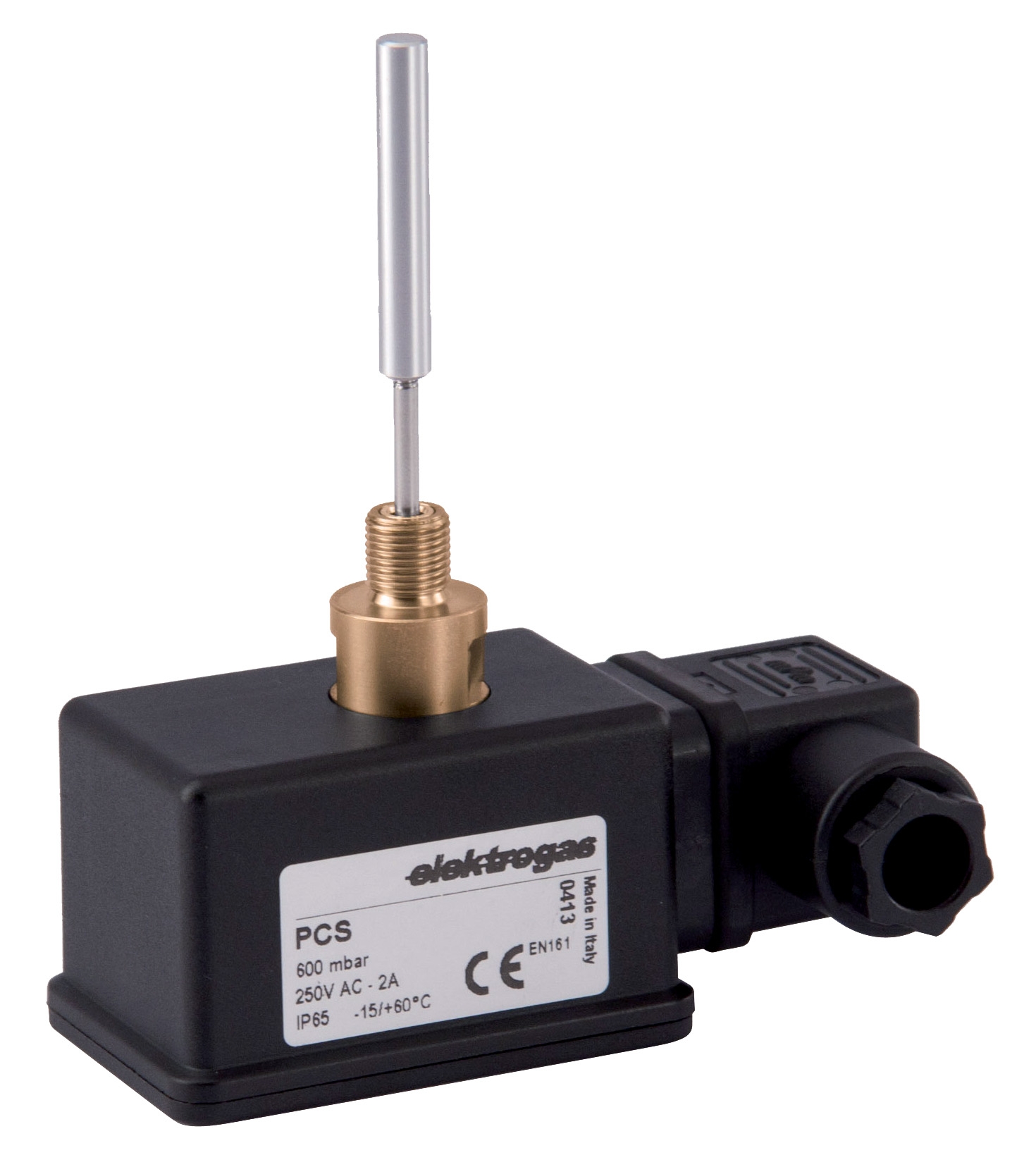
End-of-stroke vs. continuous operation: For applications where the valve needs to switch between fully open and fully closed (such as burner interlock systems), end-of-stroke contact valves like the Elektrogas VMM 20-25 provide electrical confirmation of valve position. For systems requiring modulating control, continuous-duty regulators are necessary.
Partnering with Your Equipment Distributor for Ongoing Support
3G Electric's 35+ years of equipment distribution across Singapore and Southeast Asia means we understand the specific challenges your plant faces. When selecting replacements or troubleshooting difficult cases:
- Provide your distributor with the current regulator model number, operating parameters (inlet and outlet pressure, flow rate), and a description of the specific problem you're experiencing.
- Ask your distributor to recommend not just a replacement product, but also a preventive maintenance schedule tailored to Singapore's climate and your plant's specific gas type (natural gas, LPG, industrial nitrogen).
- Request technical documentation for any new regulator in both English and local language if applicable, so your maintenance team can access setup information quickly.
- Establish a quarterly review call with your distributor to discuss any recurring issues and explore whether different equipment or different operational practices could improve reliability.
Regulation problems are solvable problems. With systematic troubleshooting and preventive maintenance, plant managers can maintain stable gas pressure and minimize unplanned downtime. Start with the diagnostic steps outlined above, document your findings, and involve your equipment supplier early for complex cases.