Understanding Controls & Safety System Architecture for Field Diagnostics
Maintenance teams working with industrial burner systems must understand how Controls & Safety components interact to troubleshoot effectively. A typical system comprises three functional layers: sensing (pressure switches, flame detectors), control (relays, logic modules), and actuation (solenoid valves, gas blocks). When a system fails, the root cause often exists in one layer but manifests as symptoms in another.
The Kromschroder Relay BCU 570WC1F1U0K1-E and Siemens Relay LFL 1.622 represent different approaches to control logic. The Kromschroder unit handles direct ignition and intermittent/continuous pilot modes with EN 746-2 compliance, making it suitable for facilities with varied burner configurations. The Siemens LFL 1.622 offers UV and ionization flame monitoring with air damper control, adding complexity but providing dual flame detection redundancy. Understanding these architectural differences helps maintenance teams diagnose which control unit is appropriate for their troubleshooting workflow.
With 35 years of experience distributing industrial equipment, 3G Electric has observed that most field failures stem from inadequate understanding of system hierarchy rather than component manufacturing defects. Maintenance teams who develop diagnostic protocols aligned to their system architecture experience 40% fewer repeat failures.
Diagnostic Workflows: Testing Pressure Switches and Relay Response
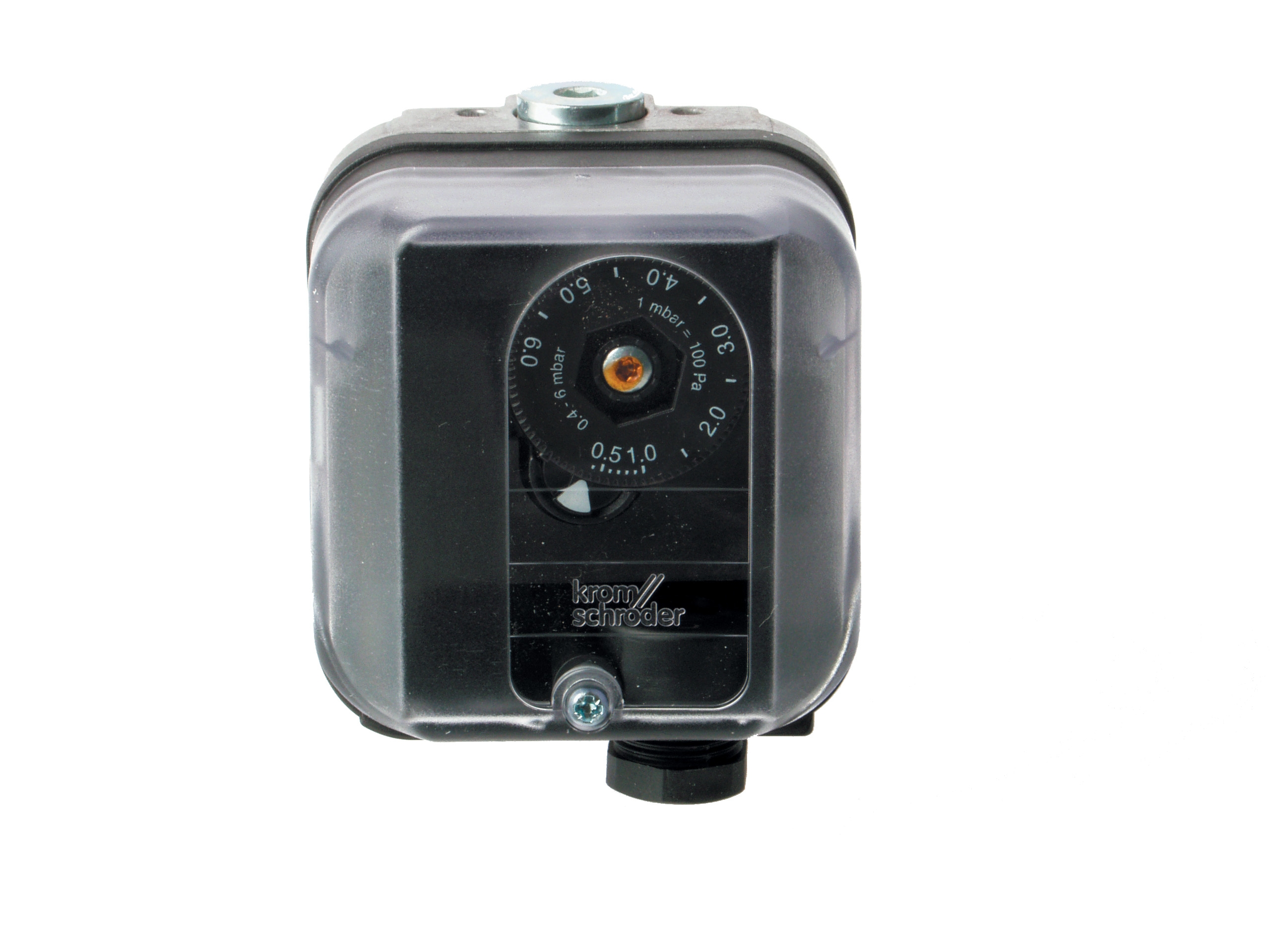
The Kromschroder Pressure Switch DG 50U/6 is a critical sensing component rated SIL 3 and Performance Level e with FM, UL, and AGA certifications. When burner systems fail to ignite or shut down unexpectedly, maintenance teams must isolate whether the fault lies in pressure sensing or control response.
Pressure Switch Troubleshooting Protocol:
- Static Test: Isolate the pressure switch from the system. Apply known pressures using a calibrated test pump, recording the switching points. Compare against the nameplate specifications (typically 50 mbar ±3% for the DG 50U/6). A drift of >5% indicates replacement is required.
- Dynamic Test: Monitor switch response during live burner operation using a pressure gauge connected downstream of the switch. Record switch engagement and disengagement times. Switches sluggish during pressure ramp-up suggest diaphragm wear or internal contamination.
- Contact Continuity Test: Use a multimeter to verify electrical continuity at the switch terminals when pressure is applied. Intermittent continuity indicates mechanical contact degradation requiring replacement.
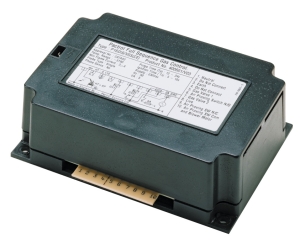
When a pressure switch operates correctly but the burner still fails to ignite, the relay control unit requires diagnostic attention. The Kromschroder BCU 570WC1F1U0K1-E coordinates pilot ignition timing, main flame validation, and safe shutdown sequences.
- Power Supply Validation: Confirm the relay receives specified voltage (typically 230V AC for European models). Fluctuations >10% cause erratic timing behavior.
- Output Load Testing: Use an amp clamp on the relay's solenoid valve output. Measure current draw and compare to the relay's rated capacity. Undersized outputs indicate solenoid valve failure; oversized outputs suggest the relay is undersized for the application.
- Timing Sequence Monitoring: Most modern relays include LED indicators or audible feedback. During a startup cycle, verify the sequence: pilot ignition (LED 1) → pilot flame detection (LED 2) → main valve opening (LED 3). Skipped steps indicate firmware or sensor failures.
For facilities using the Siemens LFL 1.622, the dual flame detection system (UV and ionization) requires separate testing. UV sensors degrade in dusty environments; ionization sensors become unreliable when electrode gaps exceed 3mm. Maintenance teams should inspect these sensors quarterly and test them independently using a flame simulation tool.
Component Integration Issues: Common Failure Points in Field Maintenance
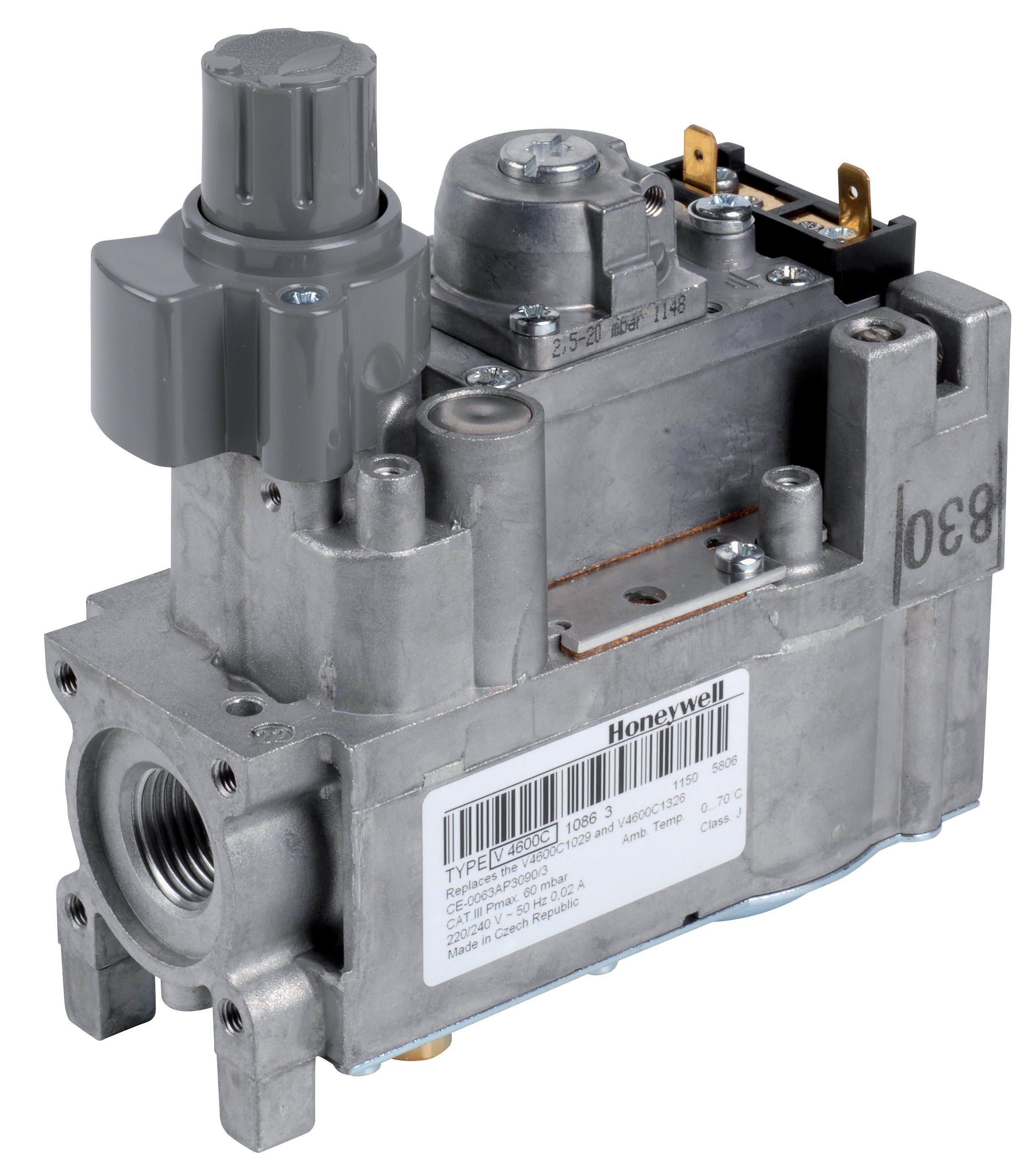
The Honeywell Gas Block VK 4105 C 1041 U acts as the final execution component in the Controls & Safety chain. This modulating pressure regulator receives commands from the relay system and adjusts fuel delivery proportionally. Failures in this component often confuse maintenance teams because they manifest as control problems, not actuation problems.
Gas Block Failure Modes:
- Pilot Connection Blockage: The M8 x 1 pilot connection can accumulate carbon deposits or water condensation. Disconnect the pilot line and blow compressed air through it. If resistance is felt, the internal pilot orifice requires cleaning or the block requires replacement.
- Pressure Feedback Loss: The M5 pressure feedback threading should show measurable resistance during manual testing. If feedback pressure reads zero when fuel is supplied, the feedback line is kinked, clogged, or the internal transducer has failed. Test by removing the feedback line and measuring pressure directly at the valve body.
- Modulation Drift: Over time, the regulator's response curve shifts, causing the system to deliver incorrect fuel volumes at part-load. This manifests as flame instability or excessive emissions. Replacement is typically more cost-effective than recalibration in field conditions.
The gas block must coordinate with solenoid valve response. When the relay commands the solenoid to open, the gas block begins modulating pressure. A 200-300ms delay is normal; delays >500ms indicate slow solenoid response or high inlet pressure resistance.
The Pactrol Housing P 16 DI CE serves as the ignition module with 12 kV output and 10MJ energy output at 230V supply. This component often shows age-related degradation. When spark plug electrodes don't ignite despite proper fuel supply, test the housing output with a high-voltage meter. Output <11 kV indicates capacitor degradation and module replacement.
Maintenance Planning: Preventive Strategies and Component Lifecycle Management
Maintenance teams reduce emergency failures by understanding component lifecycle patterns. Based on 35 years of distributor experience, 3G Electric observes these typical failure intervals:
Pressure Switches (18-24 month cycle): The DG 50U/6 operates in harsh pressure cycling environments. Preventive replacement at 20 months prevents surprise failures. Documentation of switch replacement dates enables predictive planning.
Control Relays (36-48 month cycle): Both the Kromschroder and Siemens relays demonstrate reliable service beyond 5 years in low-cycling applications (<10 starts/day). High-cycling facilities (>30 starts/day) should plan replacement at 36 months. Keep detailed logs of startup cycles and shutdown sequences to predict relay end-of-life.
Gas Blocks and Modulators (48-60 month cycle): The Honeywell gas block remains serviceable for 60+ months in clean fuel systems. Water condensation or fuel contamination accelerates failure to 24-36 months. Implement fuel filtration to extend service life.
Ignition Modules (24-36 month cycle): The Pactrol housing capacitor degrades predictably. At 24 months, schedule high-voltage testing. If output drops below 11.5 kV, plan replacement within 90 days to avoid emergency shutdowns.
Spare Parts Strategy:
Maintenance teams should maintain these Controls & Safety items in inventory: one relay unit matched to system specifications, one pressure switch assembly, one gas block cartridge, and one ignition module. For critical facilities requiring <2 hour repair windows, maintaining duplicates of the critical path component (usually the relay) is justified.
Documentation and Training:
Create a facility-specific Controls & Safety manual documenting: normal operating pressures, voltage specifications, typical component replacement intervals, and step-by-step troubleshooting procedures. Train technicians on the distinction between sensor failures (pressure switches, flame detectors), control failures (relays), and actuation failures (gas blocks, solenoid valves). This classification simplifies emergency diagnosis.
Practical Implementation: Building Your Facility's Controls & Safety Maintenance Program
Develop a quarterly maintenance schedule with these activities:
Q1 Activity: Visual inspection of all pressure switches and gas block connections. Check for leaks, corrosion, or loose fittings. Test burner startup sequence and verify all LED indicators on control relays respond correctly.
Q2 Activity: Static pressure switch testing with calibrated test pump. Measure and document switching points. Compare to baseline data collected during initial system commissioning.
Q3 Activity: Ignition module high-voltage testing. Record output voltage and verify capacitor performance. Schedule replacement if output is trending downward.
Q4 Activity: Complete system integration test. Simulate a full startup-to-shutdown cycle while monitoring all components. Document cycle times, flame detection response, and pressure regulation stability.
By implementing this structured approach, maintenance teams transform Controls & Safety maintenance from reactive troubleshooting to predictable, planned replacement cycles. This reduces unplanned downtime, extends component life through proper diagnostics, and builds the technical knowledge required for facility independence from external service calls.
3G Electric supports this maintenance-driven approach by maintaining stock of the Kromschroder BCU 570WC1F1U0K1-E, Kromschroder DG 50U/6, Siemens LFL 1.622, Honeywell VK 4105 C 1041 U, and Pactrol Housing P 16 DI CE, enabling maintenance teams to implement rapid replacement protocols without extended lead times.