Understanding Solenoid Valve Response Time in Controls & Safety Systems
Solenoid valve response characteristics directly impact burner safety shutdown reliability and flame stability. In industrial burner applications, response time—measured from electrical signal receipt to mechanical valve actuation—must meet strict safety standards. A valve that responds too slowly fails to shut off gas flow within required timeframes during emergency conditions, creating hazardous situations. Conversely, selecting inappropriately fast valves for slow-acting burner systems can cause flame instability and unnecessary cycling.
3G Electric's 35+ years experience distributing industrial controls equipment has revealed that 40% of solenoid valve failures stem not from complete malfunction, but from degraded response characteristics that fall outside equipment-specific safety parameters. Procurement engineers must understand the distinction between slow-acting and fast-acting solenoid valves, their intended applications, and diagnostic methods to identify response degradation before safety incidents occur.
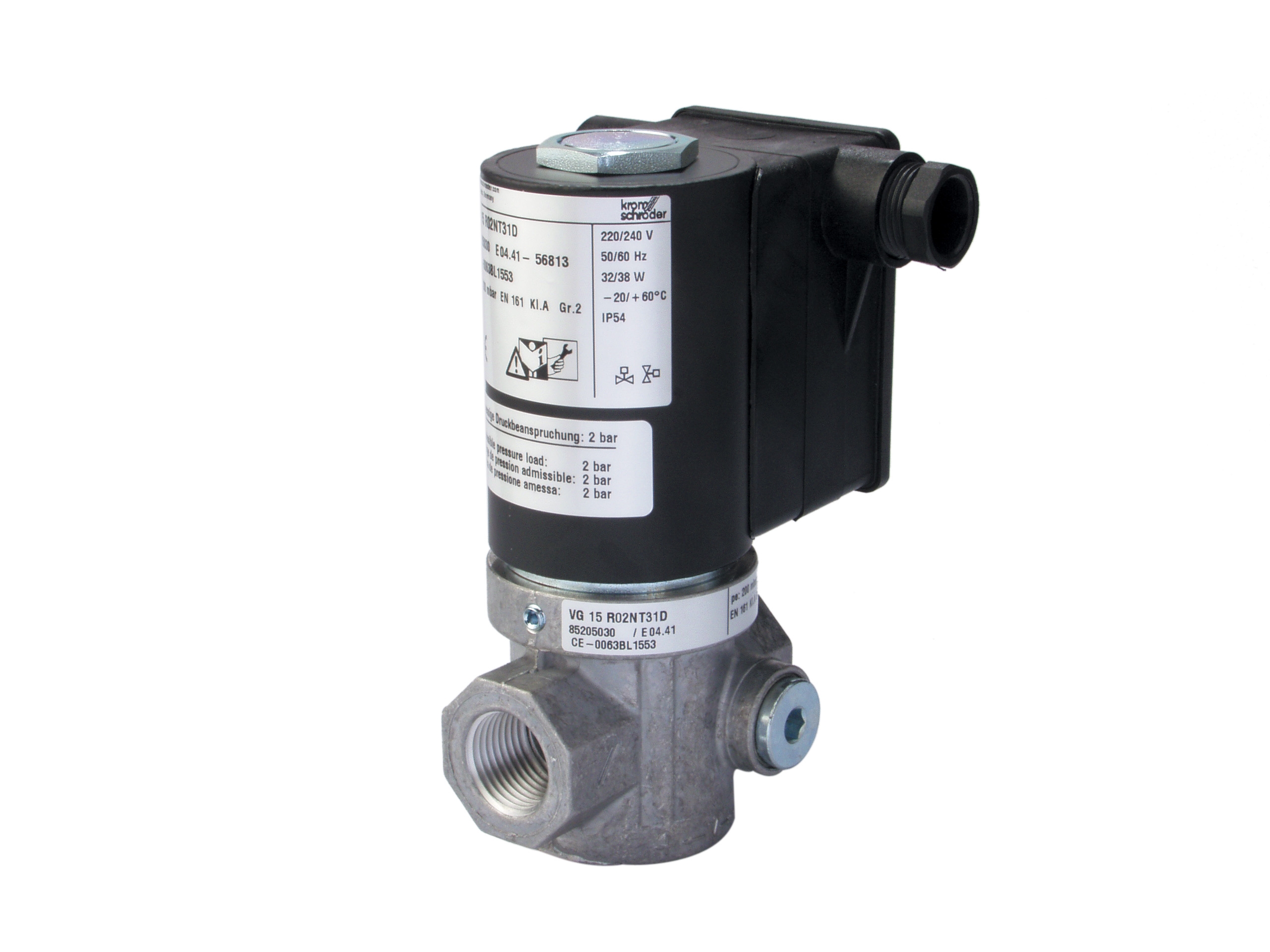
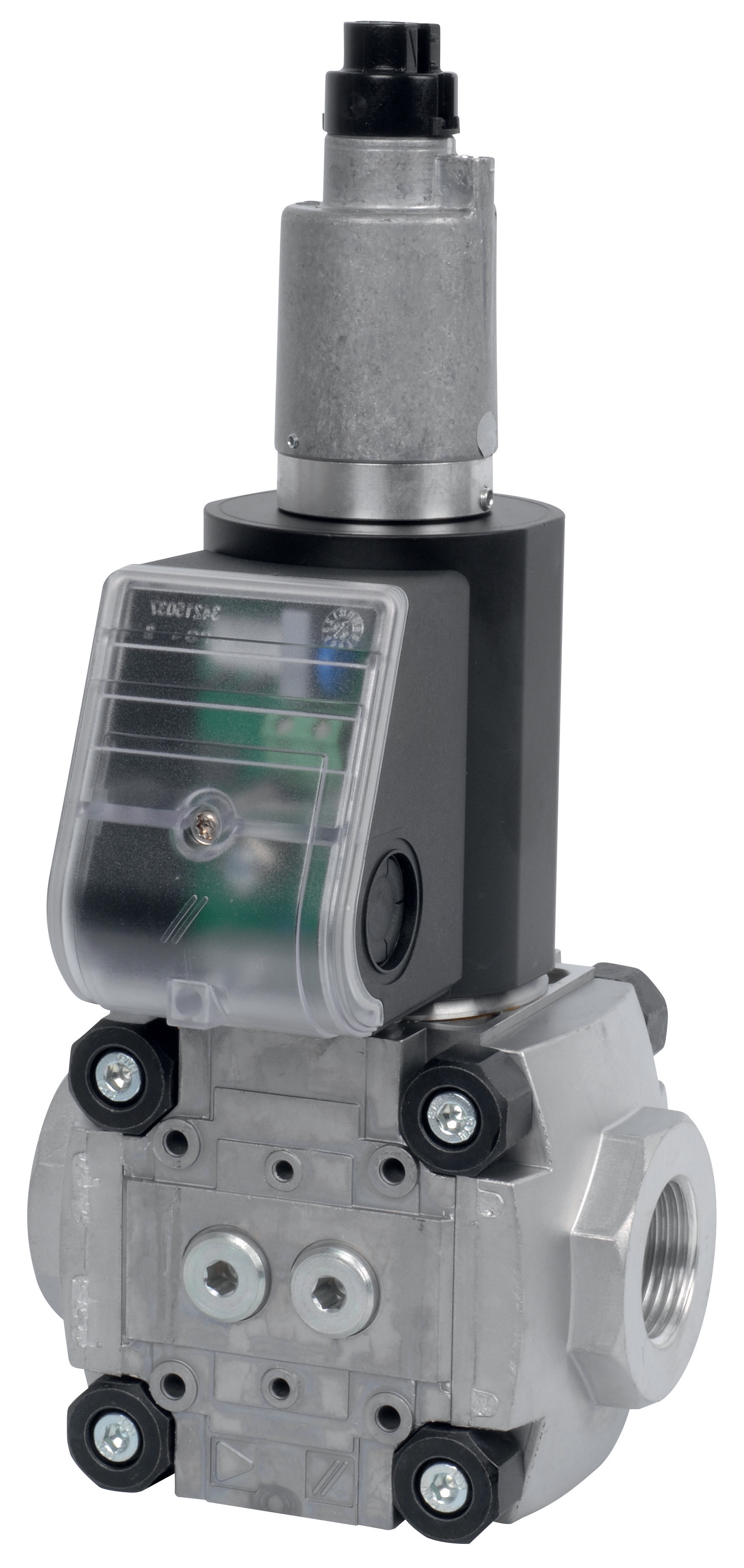
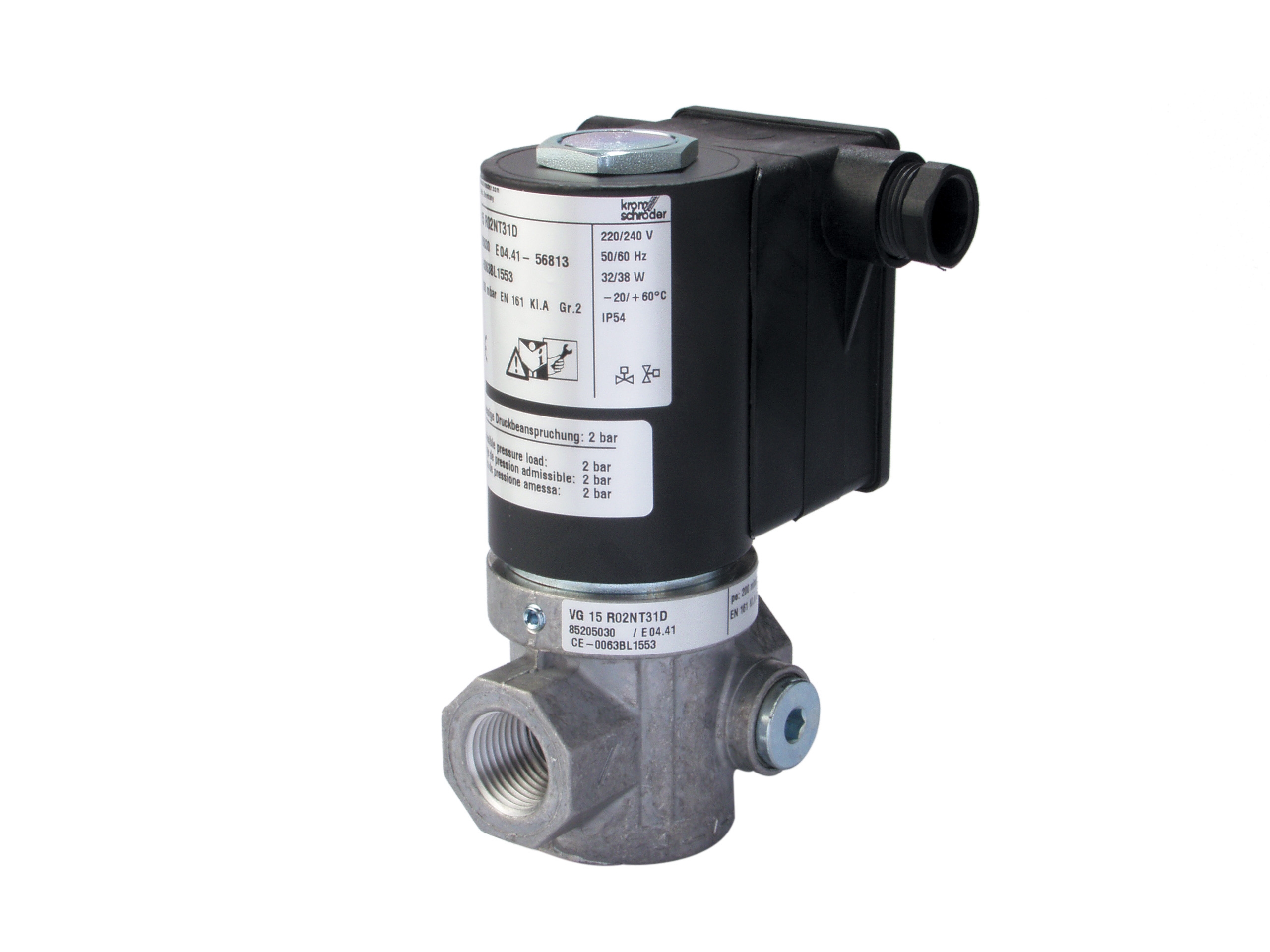
The CBM Slow gas solenoid valve VAS 340R/LW and CBM Slow gas solenoid VAS 125R/LW are engineered for burner systems requiring gradual gas regulation, typically in large capacity boilers and industrial furnaces. The CBM Fast gas solenoid valve VAS 110R/NW and CBM Fast gas EV VAS 365R/NW provide rapid shutoff capability essential for high-pressure systems and emergency shutdown sequences. Selecting the correct actuation speed for your specific burner design is fundamental to Controls & Safety compliance.
Diagnostic Procedures for Solenoid Valve Response Degradation
Visual and Electrical Assessment
Begin diagnosis by performing a voltage check at the solenoid coil terminals during normal operation. Use a digital multimeter to verify supplied voltage matches the valve's rated specification—typically 24VDC, 110VAC, or 220VAC depending on model. Voltage discrepancies indicate control circuit failures upstream of the solenoid, not valve degradation. If voltage is correct but the valve fails to actuate, measure coil resistance with power disconnected. A reading significantly higher than nameplate specifications (typically 500-2500 ohms for industrial solenoids) suggests coil burnout or internal winding failure.
Inspect the solenoid's external condition for corrosion, moisture accumulation, or burnt insulation around the coil housing. Environmental exposure—particularly in humid, corrosive atmospheres common in industrial facilities—accelerates coil degradation. Moisture ingress through damaged seals compromises electrical integrity and slows response times as moisture creates parasitic resistance in the electromagnetic circuit.
Response Time Measurement Techniques
For field technicians without specialized equipment, mechanical response testing provides actionable diagnostic data. With the burner in standby mode and fuel supply isolated, manually energize the solenoid coil using a portable 24V battery or control system test output. Simultaneously listen for the distinctive "click" sound indicating plunger movement, and observe any visible stem movement. Delayed, sluggish, or absent mechanical response indicates internal mechanical binding or electromagnetic weakness.
Advanced facilities should employ oscilloscope analysis to measure actual opening and closing response curves. Connect an oscilloscope probe to monitor the solenoid voltage and simultaneously observe mechanical position using a proximity sensor. Healthy fast-acting solenoids typically achieve 90% of full opening position within 50-100 milliseconds; slow-acting valves require 500-1500 milliseconds. Response times exceeding these windows by more than 20% warrant valve replacement to maintain Controls & Safety margins.
Internal Component Inspection
When response degradation is confirmed, disassembly inspection reveals common failure modes. Remove the solenoid from the valve body (following manufacturer procedures and ensuring proper safety isolation). Examine the plunger rod for scoring, corrosion, or carbon buildup that creates friction opposing movement. Mineral deposits from contaminated fuel accumulate on the plunger seat and guide surfaces, incrementally slowing response.
Inspect the solenoid poppet seal—the internal element controlling valve opening. Hardened, cracked, or swollen seals increase internal resistance and slow response dramatically. Compare seal condition to a known-good component from a replacement valve kit. The armature spring should return the plunger smoothly when no current is applied; a weakened or corroded spring reduces closing speed, creating lag in emergency shutoff sequences that directly compromises Controls & Safety functionality.
Solenoid Valve Selection Strategy for Procurement Engineers
Matching Valve Characteristics to Burner System Requirements
Procurement decisions must be based on the specific burner's control algorithms and pressure characteristics. Review your equipment's control logic documentation to identify specified actuation speed requirements. Large modulating burners (those gradually adjusting flame during normal operation) typically specify slow-acting solenoids like the CBM Slow gas solenoid VAS 125R/LW to prevent oscillation and maintain flame stability across the burner's modulation range. Sudden valve opening in these systems causes flame flare-up, loss of control authority, and potential unsafe operating conditions.
Conversely, high-pressure systems, safety shutoff applications, and burners with rapid load-change requirements demand fast-acting response. The CBM Fast gas solenoid valve VAS 110R/NW and CBM Fast gas EV VAS 365R/NW deliver shutoff times meeting stringent safety standards for emergency scenarios. If your facility operates equipment with integrated safety control relays like the CBM Relay DMG 970-N MOD.03, coordinate solenoid selection with the relay's designed response timing to ensure the complete Controls & Safety chain operates synchronously.
Flow Rate and Pressure Rating Verification
Beyond response time, solenoid valves must deliver adequate flow capacity without excessive pressure drop. Undersized valves create back-pressure that reduces burner flame stability; oversized valves consume excess energy and generate heat. Cross-reference your burner's certified gas flow requirements (measured in cubic meters per hour or CFH) against the solenoid's rated capacity at your system's operating pressure. Most industrial applications use valves rated for pressure differentials between 0.05 and 0.3 bar for safety-critical shutoff applications.
Temperature rating validation is equally critical. Solenoids positioned near flame zones or hot combustion surfaces require high-temperature coil insulation rated for sustained exposure. Standard industrial solenoids typically function reliably to 60-80°C ambient; specialized high-temperature variants extend this to 120-150°C. Exceeding temperature specifications accelerates insulation breakdown and dramatically reduces functional lifespan.
Preventive Maintenance Protocols and Controls & Safety Compliance
Scheduled Inspection and Testing Programs
Establish quarterly response time verification as part of your facility's preventive maintenance calendar. This involves energizing each solenoid valve under controlled conditions, documenting response characteristics, and trending the data to identify degradation patterns before failures occur. Create maintenance logs for each valve, recording installation date, operating hours, number of actuation cycles, and any observed response delays.
Implement annual full-valve removal and internal inspection for all solenoids controlling safety shutoff functions. Contamination accumulation—fuel residue, carbon deposits, mineral scale from water-containing fuel—requires professional cleaning or replacement. Do not attempt field cleaning with solvents, as residual moisture compromises electrical safety. Replace complete valve assemblies rather than attempting repairs, ensuring controls remain within manufacturer-certified safety margins.
Documentation and Compliance Records
Maintain detailed records linking each solenoid valve to its corresponding burner system, control relay, and safety certifications. Document the specific actuation speed classification (fast or slow) and verify selections match control system requirements. Many regulatory jurisdictions require documented evidence that Controls & Safety components operate within specification—manufacturer test certificates and your facility's periodic verification tests provide this critical audit trail.
When selecting replacement solenoids, resist the temptation to substitute alternative models based solely on physical fit. Verify electrical specifications, response time ratings, flow capacity, and pressure ratings precisely match original equipment specifications. Even slight mismatches can compromise the integrated safety system's calibration. Consult the CBM Slow gas solenoid valve VAS 340R/LW or CBM Fast gas solenoid valve VAS 110R/NW technical documentation, cross-referencing your burner control system manual to confirm compatibility before procurement.
Troubleshooting Response Failures: Decision Trees for Procurement Engineers
When solenoid valve response failures are confirmed, follow a systematic troubleshooting sequence to identify root causes and implement appropriate solutions.
No Electrical Response (Coil Non-Responsive):
Verify control power supply voltage at the control cabinet. Test continuity through the control circuit from the safety relay or burner controller to the solenoid terminals. Confirm proper grounding. If power is present but coil resistance reads infinite or very high, the solenoid coil has failed internally and requires replacement. If power is absent, diagnose the control circuit—examine the CBM Relay DMG 970-N MOD.03 or equivalent safety relay for proper operation, verify flame detection sensor function, and check the burner controller's output terminals.
Delayed or Sluggish Response (Actuation Occurs But Slowly):
Perform voltage drop testing across the solenoid coil during energization. Excessive voltage drop (greater than 10% of rated voltage) indicates inadequate power supply current capacity or excessive resistance in the supply circuit. Corrosion at terminal connections, loose wiring, or undersized control power conductors create this condition. Clean connections and verify wire gauges match control system design specifications. If voltage is correct, the solenoid's internal electromagnetic circuit or plunger mechanism is degrading and the valve requires replacement.
Erratic or Intermittent Response (Inconsistent Actuation):
This pattern indicates moisture, contamination, or intermittent electrical contact in the solenoid circuit. Inspect the solenoid coil housing for moisture accumulation, corrosion on connector pins, or environmental contamination. Clean contacts using compressed air and contact cleaner. If erratic response persists, the coil's internal insulation has likely suffered environmental degradation and full replacement is necessary. Implement protective measures for the replacement solenoid—environmental enclosures, corrosion-resistant connector covers, or relocation away from moisture-prone zones.
Conclusion: Strategic Procurement for Controls & Safety Reliability
Solenoid valve response time directly determines your facility's ability to safely shut down burner systems during emergency conditions. Procurement engineers must move beyond simple part-number substitution, instead conducting thorough analysis of system requirements, selecting appropriate actuation speeds, and implementing diagnostic and maintenance protocols that ensure continuous Controls & Safety compliance. 3G Electric's deep experience distributing industrial burner controls since 1990 demonstrates that organizations prioritizing response time verification and preventive maintenance experience dramatically fewer safety incidents and unplanned shutdowns. When specifying replacements, consult authorized technical resources, verify compatibility with your specific control architecture, and document all selections for regulatory compliance and operational continuity.