Understanding Controls & Safety in Flame Monitoring Systems
Flame monitoring represents one of the most critical components of modern Controls & Safety architecture in burner systems. Unlike older mechanical flame detection methods, contemporary UV and ionization sensors provide real-time feedback to safety control units, enabling rapid burner shutoff if flame fails to establish or maintain ignition.
In Southeast Asian industrial operations—where high humidity, temperature fluctuations, and dust-laden environments are standard—flame sensor performance directly impacts both operational reliability and workplace safety compliance. When these sensors malfunction, burners enter safety lockout, halting production and risking equipment damage from incomplete combustion cycles.
During our 35+ years supplying industrial equipment across the region, we've observed that flame monitoring failures account for approximately 30-40% of unscheduled burner shutdowns. Most failures stem from three root causes: sensor contamination, signal transmission issues, and control unit compatibility mismatches. Understanding how to diagnose each category allows maintenance teams to restore operations quickly while maintaining safety standards.
Identifying Flame Monitoring Failure Modes
UV Sensor Failures and Contamination Issues
Ultraviolet (UV) sensors detect the UV radiation emitted during flame combustion. These sensors are particularly sensitive to environmental contamination—a significant challenge in Southeast Asia's humid, high-dust industrial zones.
Common UV sensor failure indicators:
- Burner enters lockout 30-90 seconds after ignition attempt
- Flame visibly present but control unit signals "no flame detected"
- Intermittent operation with random lockouts during normal firing
- Recovery requires manual reset of the safety relay
UV sensors fail when their optical windows become coated with combustion residue, dust, or moisture. In humid climates, condensation on the lens during cool-down cycles degrades sensor sensitivity. The sensor continues sending electrical signals, but signal strength drops below the threshold required by the control unit.
Diagnostic procedure for UV sensor contamination:
1. Allow burner to cool completely (minimum 15 minutes)
2. Locate the UV sensor head—typically mounted at 45-90 degrees to the flame viewing area
3. Visually inspect the optical window for cloudiness, residue buildup, or moisture beads
4. Using a clean, lint-free cloth slightly dampened with isopropyl alcohol, gently wipe the optical window
5. Never use abrasive materials or compressed air, which can damage the ceramic window
6. Restart burner control sequence and observe for normal ignition and flame stability
If cleaning restores normal operation, schedule sensor replacement within 500-1000 operating hours. A partially contaminated sensor will degrade further. If cleaning doesn't resolve the issue, proceed to signal transmission diagnostics.
Ionization Sensor Signal Loss
Ionization sensors detect the electrically conductive flame by measuring current flow between rod electrodes. Unlike UV sensors, ionization detection is less affected by optical contamination but highly sensitive to electrical circuit integrity and electrode spacing.
Ionization failure indicators:
- No lockout occurs, but burner oscillates (fires, extinguishes, re-ignites repeatedly)
- Control unit displays "weak flame" warnings but doesn't trigger full shutoff
- Burner operates normally for extended periods, then locks out without visible cause
- Multiple consecutive restart attempts required before stable operation
Ionization failures typically stem from two causes: electrode carbonization (buildup of combustion byproducts on the rod) or loss of electrical continuity in the sensor wiring.
Ionization diagnostic sequence:
1. With burner powered down, visually inspect the ionization probe (a small rod electrode positioned in the flame path)
2. Note any black, crusty deposits on the electrode—this indicates heavy carbonization
3. Using a soft brass brush or wooden dowel, gently scrape deposits from the electrode surface (do not bend the electrode)
4. If carbonization is extensive (>2mm coverage), plan electrode replacement
5. Check all wiring connections between sensor and control unit for corrosion, loose terminals, or visible damage
6. Measure DC voltage at the sensor input terminals (consult control unit documentation for expected range—typically 2-12V DC)
7. If voltage reads zero, trace the wiring circuit for breaks or damaged insulation
Diagnosing Control Unit and Signal Processing Faults
Flame sensor signals must reach the safety control unit reliably. Signal degradation can occur at multiple points, even when sensors operate nominally.
Signal Cable and Connector Issues
Southeast Asia's industrial environments present harsh conditions for electrical infrastructure. High humidity causes corrosion in connector pins, and temperature cycling stresses cable insulation.
Cable-related failure patterns:
- Intermittent flame detection loss, particularly during morning startups (temperature-dependent)
- Delayed response: control unit takes 2-3 seconds to recognize flame presence
- Nuisance lockouts occur more frequently during rainy seasons
1. Power down the burner control system completely
2. Disconnect the sensor cable at both ends (sensor connection and control unit connection)
3. Visually inspect connectors for green or white corrosion deposits on pins
4. If corrosion is present, use fine-grit sandpaper (220-400 grit) to polish each pin until shiny
5. Apply a thin coat of dielectric grease to all pins before reconnecting
6. Measure cable resistance using a multimeter—typical flame sensor cables should read <10 ohms across a 10-meter run
7. If resistance exceeds 50 ohms, the cable is degraded and requires replacement
Control Unit Configuration and Sensor Type Mismatch
Many industrial facilities operate with legacy burner systems that have been retrofitted with modern controls. Incompatibility between sensor types and control unit settings causes persistent false lockouts.
Compatibility-related symptoms:
- Burner locks out consistently at the same operational condition (e.g., always at 80% capacity)
- Switching between fuel types (oil to gas) triggers immediate lockout
- Different control units on identical burners exhibit opposite failure patterns
The Siemens LFL 1.622 safety control unit, widely deployed in Southeast Asian manufacturing, supports both UV and ionization detection modes. However, the control unit must be configured correctly for the installed sensor type. Many facilities don't realize their system is set to monitor the wrong sensor type, causing the unit to ignore valid signals from correctly operating equipment.
Control unit configuration verification:
1. Locate the control unit's configuration manual (often stored in the equipment cabinet's documentation folder)
2. Identify whether the system is configured for UV or ionization detection
3. Verify that the installed physical sensor matches this configuration
4. If mismatch is present, consult the control unit's service documentation for reconfiguration procedure
5. Some models require DIP switch changes; others require software programming
6. After reconfiguration, run a full ignition test cycle with manual observation of flame presence
Practical Maintenance Intervals and Preventive Controls & Safety Measures
Flame sensor reliability improves dramatically with proactive maintenance. Southeast Asia's challenging climate requires more aggressive preventive schedules than temperate regions.
Recommended Maintenance Schedule
Monthly (or before high-humidity seasons):
- Visual inspection of sensor optical windows (UV sensors) for cloudiness
- Check connector cleanliness; wipe with dry cloth if dust accumulation is visible
- Observe burner ignition sequence for any hesitation or multiple restart attempts
- Clean UV sensor windows with isopropyl alcohol on lint-free cloth
- Inspect ionization electrodes under a magnifying glass for carbon deposits
- Test signal cable continuity using multimeter
- Review control unit event logs for any automatic lockouts
- Replace UV sensor windows if they cannot be cleaned to optical clarity
- Replace ionization electrodes if carbonization has accumulated despite cleaning
- Full visual inspection of all signal wiring for corrosion or insulation damage
- Verify control unit firmware is current (consult manufacturer for regional updates)
Environmental Controls & Safety Enhancements
Beyond equipment maintenance, facility-level improvements reduce flame sensor failure frequency:
- Air filtration: Install MERV 13 or higher filters on burner air intake to reduce dust ingestion into flame zone
- Humidity control: In coastal or tropical areas, implement desiccant drying systems in burner enclosures, particularly during monsoon seasons
- Cable routing: Use sealed conduit and strain relief boots on all sensor wiring to minimize moisture ingress
- Sensor positioning: Ensure sensors are mounted according to manufacturer specifications—improper angles reduce signal strength by 30-50%
Integration with 3G Electric's Industrial Safety Solutions
When flame monitoring troubleshooting identifies failed components, 3G Electric's 35+ years of industrial equipment distribution across Southeast Asia ensures rapid parts availability and technical support.
For UV and ionization monitoring systems, our supplier network includes:
- Siemens LFL 1.622 safety control units with integrated flame detection programming compatible with retrofit applications
- Kromschroder BCU 570WC1F1U0K1-E burner relay supporting direct ignition and continuous monitoring
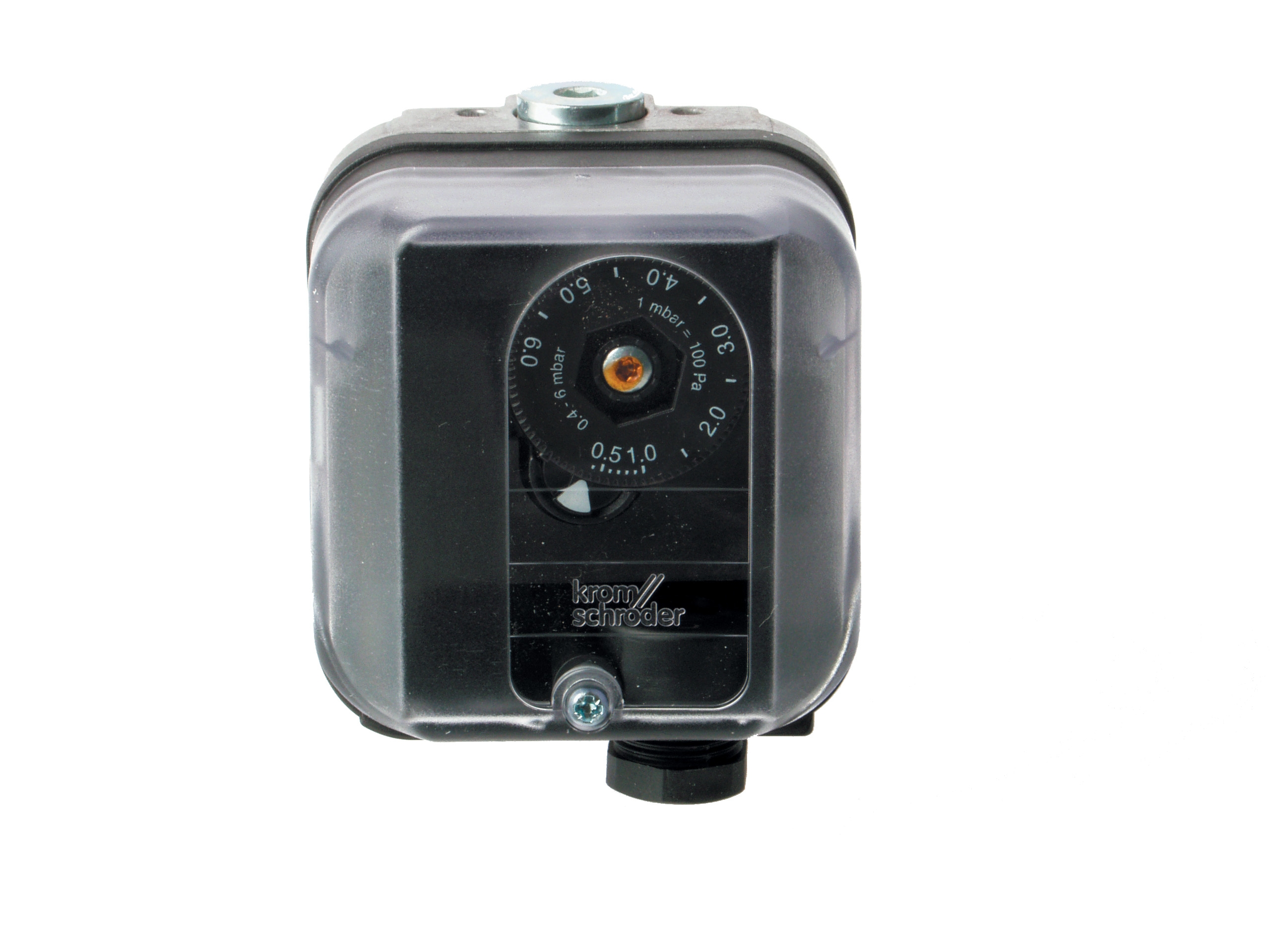
- Kromschroder DG 50U/6 pressure switches (SIL 3 rated) for integrated safety validation
- Pactrol Housing P 16 DI CE ignition modules with 10MJ output energy for reliable flame detection initiation
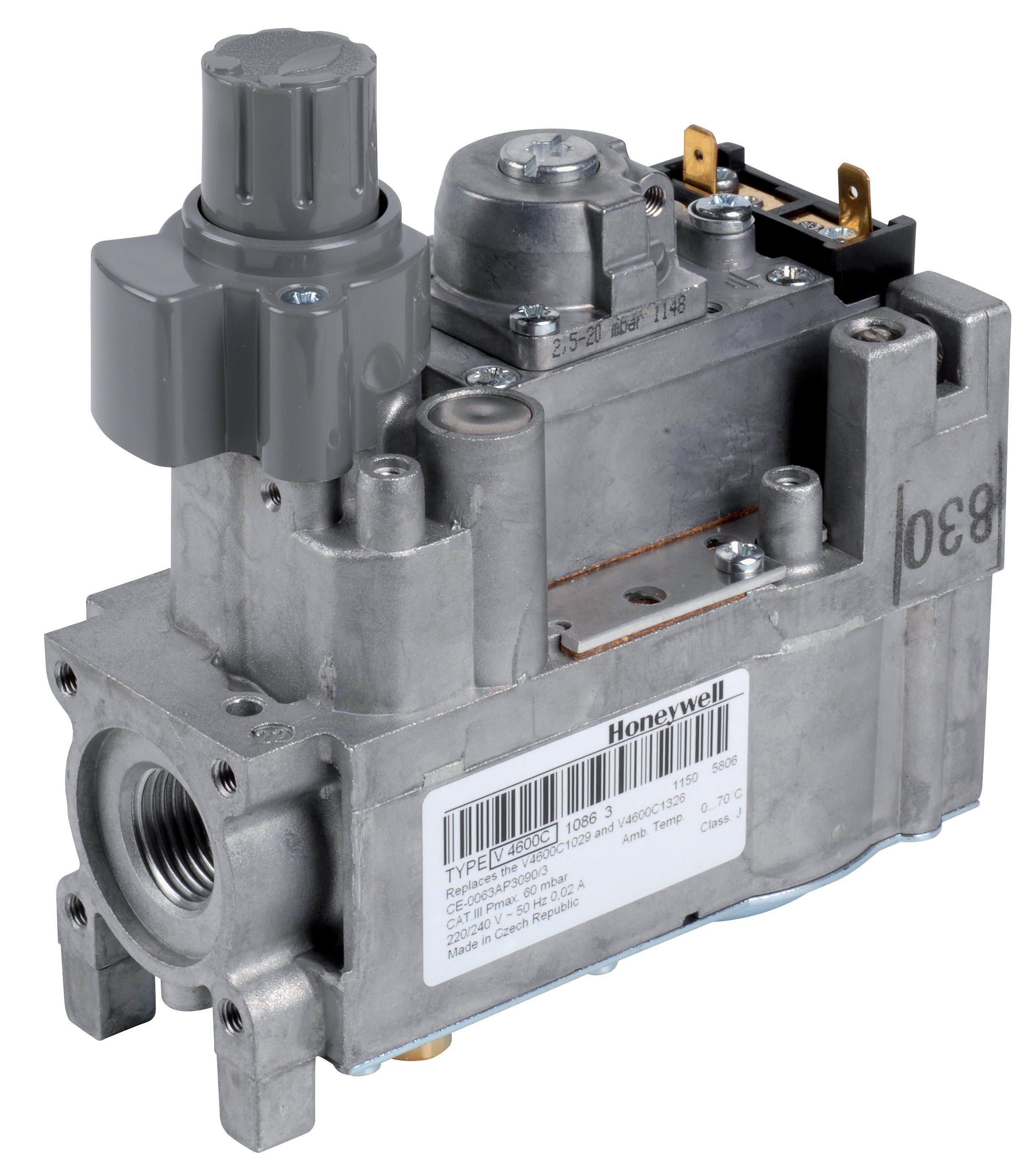
These components work synergistically to create redundant Controls & Safety pathways. When flame sensors detect instability, the control unit signals solenoid shutoff valves, which respond within 150-300 milliseconds. This multi-layer approach ensures that incomplete combustion scenarios are contained before they escalate to equipment-level damage or facility safety incidents.
Our technical team can assist with:
- Flame sensor compatibility verification for existing burner systems
- Configuration support for control units operating in dual-fuel (gas/oil) applications
- Spare parts procurement with regional logistics optimized for Southeast Asian supply chains
- On-site technical consultation for persistent flame detection issues
Conclusion
Flame monitoring failures represent one of the most preventable sources of unscheduled industrial downtime. By understanding how UV and ionization sensors operate, recognizing failure indicators, and implementing systematic diagnostic procedures, Southeast Asian industrial maintenance teams can reduce burner lockouts by 60-70%.
The key to effective Controls & Safety management is treating flame detection not as a simple on-off mechanism, but as an integrated sensing system where optical cleanliness, signal integrity, and control unit configuration must align perfectly. Environmental challenges specific to the region—humidity, dust, and temperature cycling—require more frequent maintenance than design specifications written for temperate climates.
With access to proven components and maintenance discipline, facilities can achieve flame detection system reliability exceeding 99.5%, supporting continuous production while maintaining uncompromised safety standards.