Understanding Controls & Safety Architecture in Modern HVAC Systems
Controls & Safety systems protect personnel, equipment, and facilities by monitoring combustion processes and automatically shutting down burners when unsafe conditions develop. For HVAC contractors in Singapore, understanding the foundational architecture of these systems is critical to designing installations that meet both local regulations and international safety standards.
A complete burner safety system consists of three functional layers: the ignition circuit, flame detection circuit, and safety shutdown circuit. Each layer operates independently yet communicates through control relays, ensuring that if any single component fails, the system defaults to a safe shutdown state. This "fail-safe" design philosophy underpins all modern industrial burner controls.
The ignition layer initiates combustion by generating a spark or hot surface. The flame detection layer monitors whether flame has actually established within the combustion chamber—this is critical because fuel may be present without ignition occurring, creating a dangerous condition. The safety shutdown layer continuously verifies that flame is present during operation and immediately de-energizes the main gas valve if flame is lost for more than a few seconds.
With over 35 years of experience distributing industrial equipment, 3G Electric understands that HVAC contractors in Singapore often work with systems imported from Europe and North America, each following slightly different safety protocols. The key to successful design is selecting control components that conform to both the original equipment specifications and Singapore's regulations under the Electrical Safety Code (ESC) and relevant ISO standards.
Selecting Safety Control Components: Relays, Flame Detectors, and Integration
The heart of any Controls & Safety system is the safety control relay—a specialized device that coordinates ignition timing, monitors flame detection signals, and manages the shutdown sequence. Unlike standard relays, safety relays contain redundant circuits and are rated for Safety Integrity Level (SIL) 2 or SIL 3 operation, meaning they have been tested to fail safely under fault conditions.
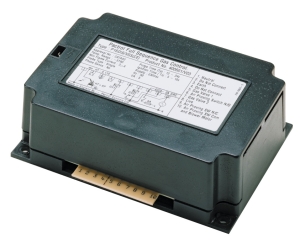
The Kromschroder BCU 570WC1F1U0K1-E represents a modern European-standard safety relay suitable for many Singapore installations. Compliant with EN 746-2 and EN 676 standards, this relay supports both direct ignition and intermittent/continuous pilot ignition modes. For HVAC contractors, this flexibility means a single relay type can be adapted to different burner configurations without redesigning the entire control circuit. The BCU 570 series handles the logic sequences required to safely start the burner, establish flame, and maintain safe operation during steady-state combustion.
Flame detection itself requires specialized sensors. Modern systems use either ultraviolet (UV) flame sensors or ionization probes, each with different advantages. The Siemens LFL 1.622 is a comprehensive safety control unit that integrates flame monitoring through both UV and ionization detection methods, allowing contractors to choose the detection approach best suited to their specific burner type and fuel. This unit is particularly valuable in Singapore's tropical climate, where ambient conditions can affect flame detection reliability.
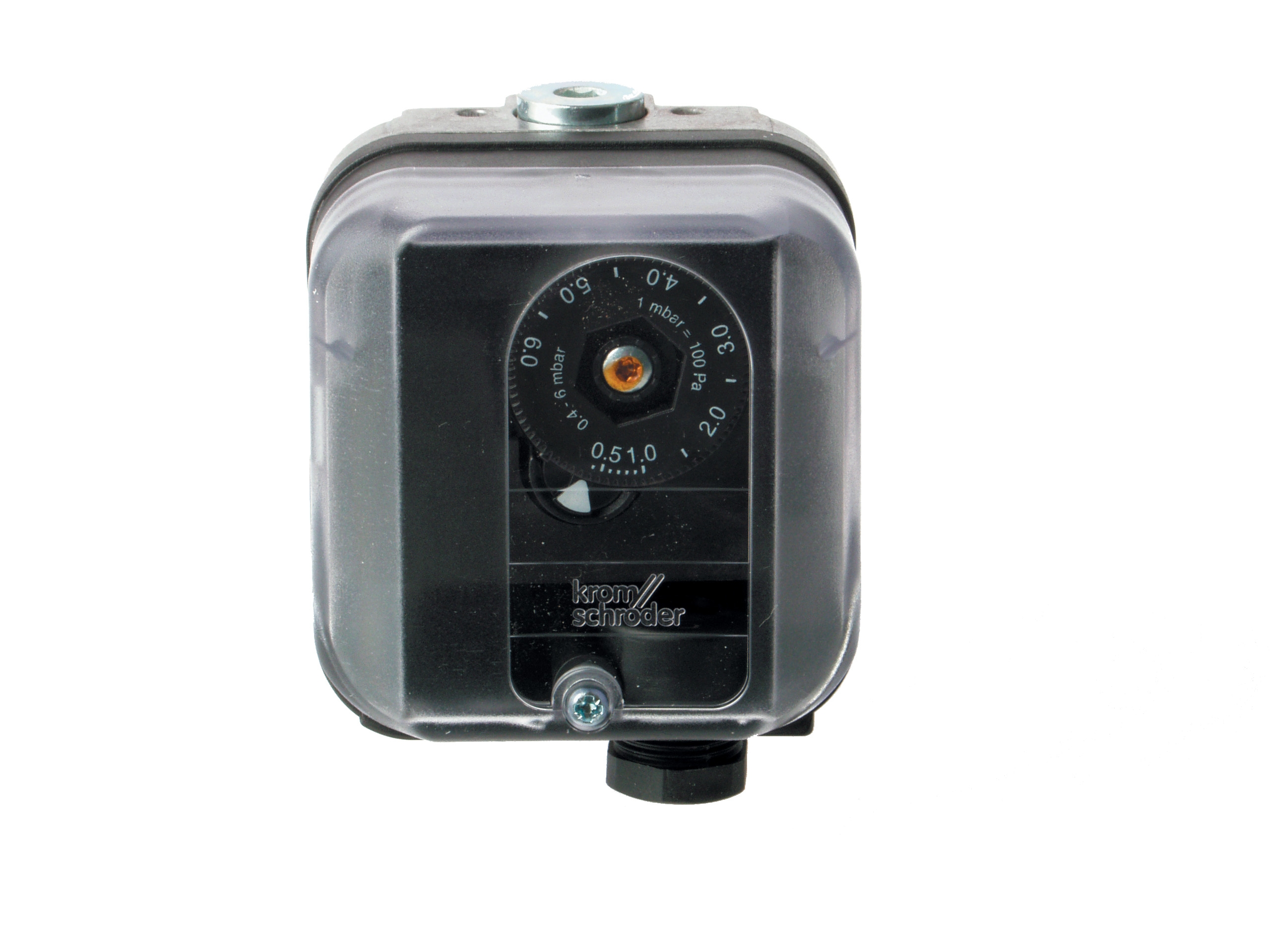
Pressure monitoring is equally critical in Controls & Safety design. The Kromschroder DG 50U/6 pressure switch provides SIL 3-rated pressure supervision, meeting EN 1854 and FM/UL certifications. This device confirms that adequate gas pressure exists before ignition is attempted and shuts down the burner if pressure drops below safe operating limits. For Singapore HVAC systems handling variable load conditions, pressure switches prevent incomplete combustion and unsafe fuel-air ratios.
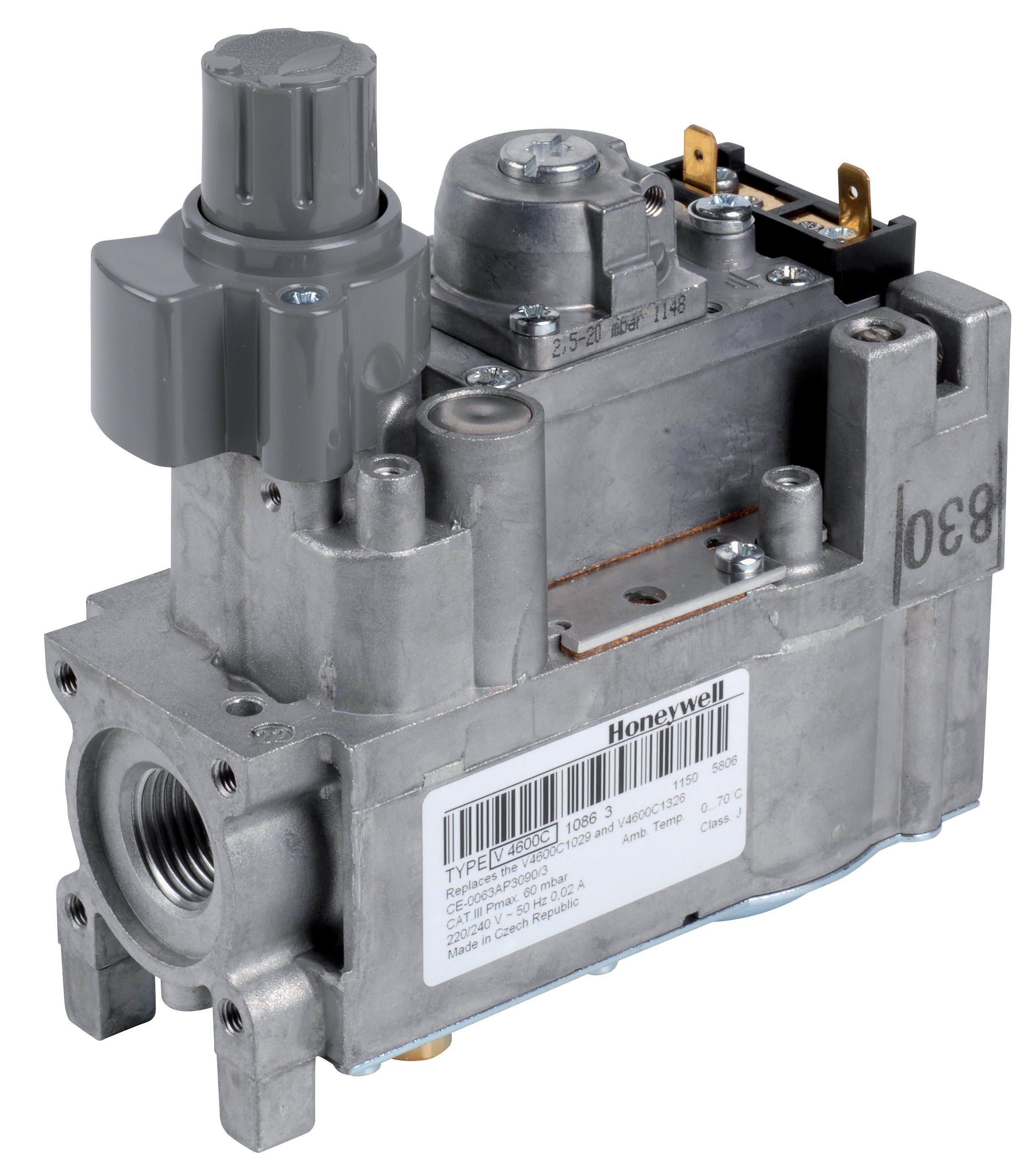
The Honeywell VK 4105 C 1041 U gas block provides modulating pressure regulation, allowing contractors to integrate progressive burner operation into their safety design. This component works upstream of the safety relay, ensuring that only controlled quantities of gas reach the burner at each operating stage.
Finally, the Pactrol Housing P 16 DI CE serves as the ignition module, delivering the 12 kV spark output required to establish flame. Operating at 230V supply with 10MJ output energy, this device must be coordinated precisely with the safety relay's ignition timing signals to ensure reproducible, reliable flame establishment across multiple start cycles.
Designing for Singapore's Tropical Climate and Electrical Environment
Singapore's high humidity, temperature extremes, and salt-air corrosion present specific challenges for Controls & Safety system design that many HVAC contractors encounter for the first time. Unlike temperate climates, tropical installations require enhanced consideration of moisture ingress, thermal cycling, and electrical degradation.
Control enclosures must provide IP 54 or better ingress protection to prevent moisture condensation on electrical contacts. This means specifying sealed junction boxes, cable glands with proper sealing, and strategic placement of the control panel away from direct steam exposure. Many contractors initially place control panels near boiler exhaust—a practice that dramatically reduces component life in tropical conditions.
Temperature compensation becomes critical in flame detection circuits. UV sensors and ionization probes experience temperature-dependent sensitivity shifts. The Siemens LFL 1.622 incorporates electronic temperature compensation, maintaining consistent flame detection performance as ambient temperature varies between 15°C and 40°C—a typical range in Singapore's HVAC plant rooms.
Electrical supply quality in Singapore industrial areas varies significantly between districts. Many HVAC installations operate on 3-phase supplies with harmonic distortion from adjacent variable-frequency drives. Safety relays must be specified with appropriate EMC filtering. Verify that selected control components (such as the Kromschroder BCU 570WC1F1U0K1-E) include internal filtering and meet EN 61800-3 EMC standards before installation.
Grounding practices differ between European equipment (which often assumes multi-grounded neutral systems) and North American equipment (which uses high-impedance grounding). Singapore's electrical code requires low-impedance grounding with earth leakage protection. Ensure that all safety control circuits include 30mA residual current devices (RCD) appropriately coordinated with the safety relay's de-energization times.
Practical System Integration: Coordination with Combustion Air, Fuel Supply, and Sequence Verification
Effective Controls & Safety design extends beyond the control relay to encompass the entire combustion system. Many HVAC contractors focus narrowly on flame detection and ignition, overlooking the equally critical functions of combustion air verification and fuel supply coordination.
The safest system architecture uses a "staged startup" sequence: (1) Energize the burner's combustion air fan and allow it to run for a "prepurge" period (typically 30–90 seconds) to clear the combustion chamber of any accumulated gas; (2) De-energize the main gas valve and verify it is closed; (3) Begin ignition spark and simultaneously open the pilot gas valve; (4) Monitor flame detection; (5) If flame is established, open the main gas valve to full firing rate; (6) If flame fails to establish within 10 seconds, shut down and lock out, requiring manual reset.
The Kromschroder BCU 570WC1F1U0K1-E manages this entire sequence through timed relay contacts and logic inputs from pressure switches and flame detectors. However, the relay can only execute the sequence correctly if contractors properly coordinate all field wiring. A common error is failing to wire a pilot pressure switch in series with the main gas valve circuit—this allows the main valve to open even if the pilot flame has been lost, creating a dangerous condition.
Combustion air verification requires either a pressure differential switch across the air damper or an airflow switch in the exhaust duct. For Singapore applications, the pressure differential approach is more reliable because it directly measures air movement without depending on moving mechanical parts that corrode rapidly in humid environments. The Kromschroder DG 50U/6 pressure switch can serve this function when properly calibrated to the specific air damper's resistance characteristics.
Fuel supply coordination becomes complex in dual-fuel systems (gas/oil) or systems with multiple burners sharing a common gas header. The Honeywell VK 4105 C 1041 U modulating pressure regulator should be sized and positioned so that pilot gas pressure remains constant regardless of main burner load. This prevents the common problem of pilot flame becoming unstable at high load, where main burner gas demand reduces pilot pressure below the pilot valve's minimum operating point.
Sequence verification is essential before any system is placed in service. After installation, HVAC contractors should create a detailed startup procedure documenting: (1) exact timing from prepurge start to ignition spark initiation; (2) elapsed time from spark start to expected flame detection signal; (3) response time from flame loss to main gas valve closure; (4) reset procedure and lockout conditions. This documentation becomes invaluable for maintenance teams and provides evidence of design intent if safety incidents occur.
Test the lockout function by manually blocking the flame detection sensor (using a piece of cardboard over a UV sensor, or by disconnecting the thermocouple in an ionization system) and verifying that the burner shuts down within 5 seconds of ignition. Test the pressure switch by gradually reducing gas supply pressure and confirming that the burner shuts down before dangerous low-pressure conditions develop.
Regulatory Compliance and Documentation for Singapore HVAC Installations
Singapore's Energy Market Authority (EMA) and Building and Construction Authority (BCA) require that all HVAC systems, including burner controls, comply with the Electrical Installation Code and relevant ISO standards. Controls & Safety systems must be certified and documented to demonstrate compliance.
Key regulatory requirements include: (1) All safety control components must be CE-marked (for European equipment) or UL/FM-listed (for North American equipment), with certification marks visible and traceable; (2) Installation must follow the manufacturer's technical data sheets and safety recommendations; (3) Maintenance intervals and procedures must be documented and followed; (4) Electrical circuits must be designed and tested in compliance with IEC 61508 (Functional Safety).
For HVAC contractors, this means maintaining detailed installation files including: equipment datasheets for all control components, wiring diagrams with reference to the specific equipment used, commissioning test results (startup timing, pressure readings, flame signal strength), and a maintenance schedule identifying which components require periodic inspection or replacement.
The Kromschroder BCU 570WC1F1U0K1-E, Siemens LFL 1.622, Kromschroder DG 50U/6, and other components specified here all carry appropriate certifications. However, certification alone does not ensure compliance—the complete system design and integration must also be sound. A certified relay installed in a poorly wired circuit with incorrect sensor placement provides no safety benefit.
3G Electric's 35+ years of experience as a distributor of industrial control equipment means we work closely with contractors to help them understand not just which components to specify, but how to integrate them safely and compliantly. We recommend that any contractor uncertain about system design engage with both the equipment manufacturer and local regulatory consultants before proceeding with installation.
The investment in proper Controls & Safety design pays dividends through system reliability, personnel protection, and regulatory compliance. HVAC installations in Singapore operate in demanding environments with high utilization rates. A well-designed safety system prevents catastrophic failures, extends equipment life, and protects the reputation of the contractors who installed it.