Understanding Industry Applications in High-Pressure Fluid Systems
High-pressure fluid delivery systems are fundamental across diverse industry applications—from precision manufacturing and food processing to automotive assembly and agricultural equipment. As a procurement engineer, understanding how to configure these systems for specific industry requirements ensures optimal performance, reduced downtime, and cost efficiency.
With over 35 years of experience distributing industrial equipment globally, 3G Electric has observed that most configuration failures stem from mismatched components rather than component failure. The key to successful deployment lies in understanding how each system element—pressure reduction, flow direction, and mounting—works together for your specific application.
Industry applications demand precision. Whether you're deploying systems in manufacturing facilities across Southeast Asia, food production plants in Europe, or agricultural operations in emerging markets, the fundamental principles of high-pressure system configuration remain consistent. However, the specific components you select will vary significantly based on application pressure requirements, fluid types, environmental conditions, and spatial constraints.
Selecting Pressure Reduction and Coupling Components for Your Application
Pressure reduction is critical in industry applications where downstream components operate at lower pressures than your main system. This prevents equipment damage, extends component lifespan, and maintains precise control over application-specific processes.
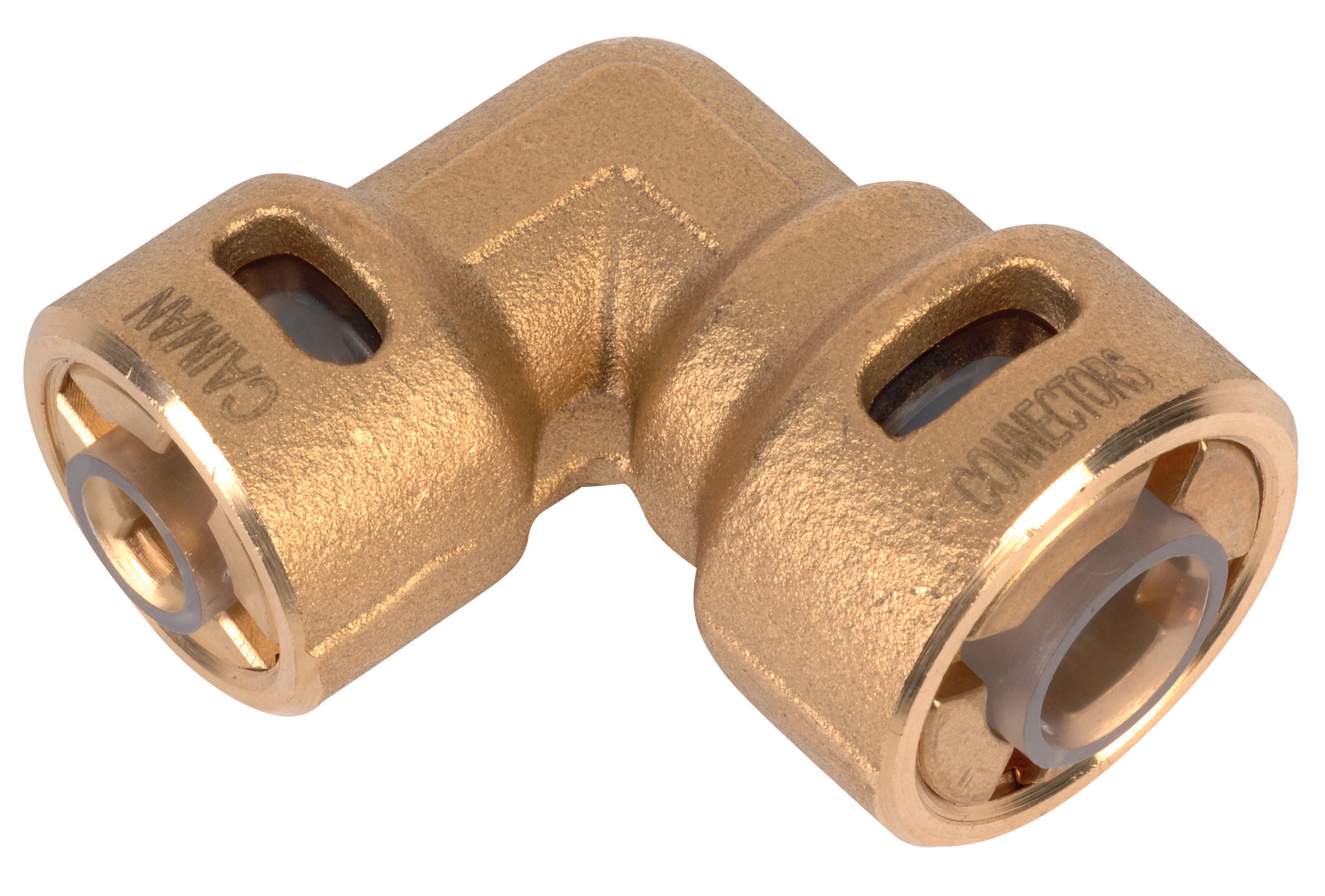
The CBM Quick coupling 90° pressure reduction 1/4*3/8 serves multiple industry applications effectively. Quick couplings provide several advantages for procurement engineers: they enable rapid connection/disconnection without system shutdown, reduce fluid spillage during maintenance, and accommodate spatial constraints in confined equipment areas. The 90-degree design is particularly valuable in applications where piping must navigate around existing equipment or where space optimization is critical.
When specifying pressure reduction couplings for your industry applications, consider these factors:
- System pressure rating: Verify your main system pressure and select couplings rated 25-30% above maximum operating pressure
- Flow rate requirements: Match the coupling's flow capacity to your application's demands; undersizing creates backpressure and heat generation
- Connection orientation: 90-degree configurations save space in tight installations; straight configurations work better where piping runs parallel to equipment
- Frequency of disconnection: If your application requires frequent maintenance access, quick couplings minimize downtime
- Fluid compatibility: Ensure the coupling material handles your specific working fluid—hydraulic oil, water-based fluids, or synthetic alternatives
For procurement engineers managing global operations, quick couplings also simplify standardization. One coupling type across multiple facility locations reduces spare parts inventory and technician training requirements.
Configuring Nozzle Systems for Precision Industry Applications
Flat jet nozzles are essential components in numerous industry applications: precision cleaning, surface preparation, coating removal, dust suppression, and material processing. The specific nozzle selection dramatically affects application efficiency and final product quality.
Three nozzle options address different industry application requirements:
High-Impact Applications: The CBM Flat jet nozzle HP 1/4"M BSPT index 50 angle 40° delivers maximum impact force with its wider spray angle. This configuration excels in heavy-duty cleaning applications, paint removal, and material processing where broad coverage matters more than concentrated force. The 40-degree angle distributes energy across a larger surface area, making it ideal for food processing facility cleaning or agricultural equipment preparation.
Precision-Focused Applications: The CBM Flat jet nozzle HP 1/4"M BSPT index 055 angle 15° concentrates force in a narrow pattern, perfect for precision work. Use this nozzle when your industry application requires targeted cleaning of intricate surfaces, delicate component preparation, or point-specific surface treatments. Manufacturing operations cleaning precision machinery components benefit significantly from this configuration.
Balanced Applications: The CBM Flat jet nozzle HP 1/4"M BSPT index 25 angle 15° provides a middle ground—concentrated force with reasonable coverage. This versatile nozzle suits general industrial cleaning, routine maintenance tasks, and applications where you need reliable performance across varied work conditions.
For procurement engineers specifying nozzles across multiple industry applications, consider developing a standardized nozzle library. Most successful global operations maintain three or four nozzle types covering 80-90% of actual field requirements. This approach balances inventory management with operational flexibility.
Key selection criteria for nozzles in your industry applications:
- Pressure rating: Match nozzle pressure index to your system's operating pressure; mismatches reduce efficiency and increase wear
- Flow volume: Higher index numbers mean greater flow capacity; select based on your application's time-to-complete requirements
- Spray angle: Narrower angles (15°) for precision work; wider angles (40°+) for general cleaning and coverage
- Nozzle material: Verify corrosion resistance if using water-based fluids or marine environments
- Connection type: Confirm BSPT thread compatibility with your existing system infrastructure
Mounting and Installation Across Diverse Industry Applications
Proper system mounting affects reliability, safety, and maintenance accessibility across all industry applications. Equipment location determines which mounting solution works best for your configuration.
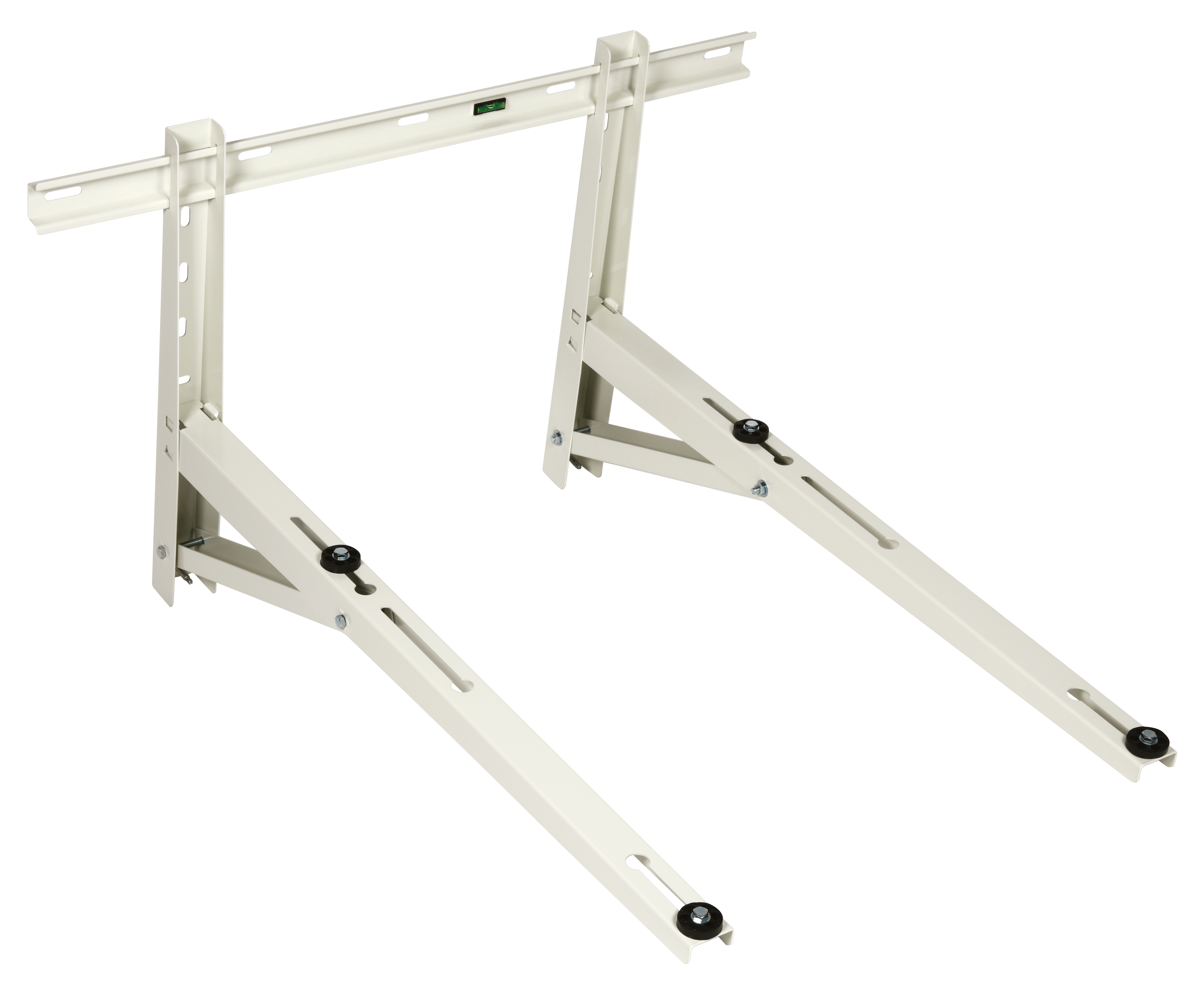
The CBM Wall bracket 1000 provides secure mounting for pressure reduction units, couplings, and associated equipment. Wall mounting offers significant advantages in global industry applications:
- Space optimization: Frees floor space in production facilities where square footage directly impacts operational efficiency
- Accessibility: Wall-mounted equipment enables easier technician access for maintenance and troubleshooting
- Safety compliance: Keeps pressurized components away from personnel work areas
- Cleanability: Elevated equipment simplifies facility cleaning in food, pharmaceutical, and automotive applications
- Organizational clarity: Makes system configuration visually apparent for operations teams and maintenance personnel
Implementing effective mounting across industry applications requires attention to these practical considerations:
Load Capacity Planning: The CLI04413 bracket is rated for 1000-unit capacity. Calculate total weight of your coupling, nozzle system, and fluid supply lines. Many procurement engineers underestimate fluid weight—a fully charged system with 10 meters of hydraulic hose can weigh significantly more than components alone.
Wall Substrate Selection: Before specifying wall mounting for any industry application, verify wall construction. In modern facilities with lightweight drywall partitions, you'll need heavy-duty anchors or reinforced backing. Older concrete-block manufacturing facilities may require different fastening approaches. Always verify structural requirements during the procurement phase rather than discovering issues during installation.
Vibration Isolation: Some industry applications—particularly those with reciprocating equipment or heavy machinery—generate significant vibration. Consider vibration-damping accessories between bracket and equipment to reduce stress on connection points and extend component lifespan.
Drainage and Leak Management: Mount equipment where inevitable maintenance leaks won't create slip hazards or contaminate production areas. Position units above drip trays or channel fluid to appropriate disposal areas. This consideration affects equipment placement in food processing and pharmaceutical applications particularly.
Environmental Protection: In harsh industry applications—outdoor facilities, marine environments, high-temperature areas—consider protective covers for mounted equipment. Salt spray, UV exposure, and temperature extremes accelerate component degradation.
Integration and Testing for Global Industry Applications
Successful system configuration requires methodical integration and comprehensive testing before full-scale deployment. Across 3G Electric's 35+ years serving global markets, we've observed that procurement engineers managing international operations benefit from standardized testing protocols.
Establish a configuration validation checklist for your industry applications:
- Pressure relief valve setting verification at system startup
- Flow rate testing through nozzle configurations under load
- Temperature monitoring during extended operation cycles
- Vibration analysis on mounted equipment during normal operation
- Leak detection at all connection points
- Pressure gauge readings at coupling inlet and outlet to verify reduction function
For global operations, consider pilot testing in one facility before rolling out configurations across multiple locations. Different environmental conditions, water quality, and ambient temperatures affect system performance. Data from pilot deployments informs adjustments needed for other regional installations.
Document your configuration specifications and testing results. This becomes invaluable for troubleshooting, training new technicians, and planning future equipment additions. Procurement engineers managing multiple facilities find that standardized documentation accelerates problem resolution and reduces costly downtime.
Conclusion
Configuring high-pressure fluid delivery systems for diverse industry applications requires balancing technical specifications with practical operational constraints. Success depends on understanding how pressure reduction, nozzle selection, and mounting work together for your specific requirements.
By systematically evaluating application demands, selecting appropriate components like quick couplings, precision nozzles, and secure mounting solutions, and implementing thorough testing protocols, procurement engineers can deploy reliable systems across global operations. 3G Electric's extensive experience with industrial equipment distribution ensures that proven component combinations and configuration approaches are available to support your industry applications worldwide.