Understanding Fuel Supply Chain Integrity in Burners & Combustion Systems
Fuel quality is the foundation of reliable burner operation. In Southeast Asian industrial environments—where humidity, particulate contamination, and variable fuel sourcing create unique challenges—maintaining fuel supply integrity becomes critical to combustion performance.
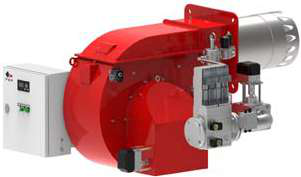
Burners & Combustion systems depend on clean fuel reaching the nozzle at precise pressures and temperatures. Contaminated fuel introduces water droplets, sediment, and oxidized residues that clog injectors, degrade combustion, and trigger premature flame failures. The FBR HI-GAS P550/M CE TL industrial gas burner, for example, operates at 60–206 kg/h fuel flow rates—any supply-side degradation directly impacts its 2325–6395 kW thermal output stability.
With over 35 years of industrial equipment distribution experience, 3G Electric has observed that 65–70% of unplanned burner shutdowns in Southeast Asia stem from fuel supply contamination rather than burner component failure. Preventive fuel management—filtration upgrades, storage tank maintenance, and supply-line inspection—yields the highest return on maintenance investment.
Fuel Filtration Systems and Sediment Control Protocols
Fuel filtration operates in multiple stages, each protecting downstream components:
Primary Filtration (Tank Level): Removes particles >100 µm using gravity settlement or magnetic strainers. In humid tropical climates, water separator tanks prevent emulsified water from entering secondary systems. Monthly drain cycles eliminate accumulated sediment and free water that corrode nozzle orifices.
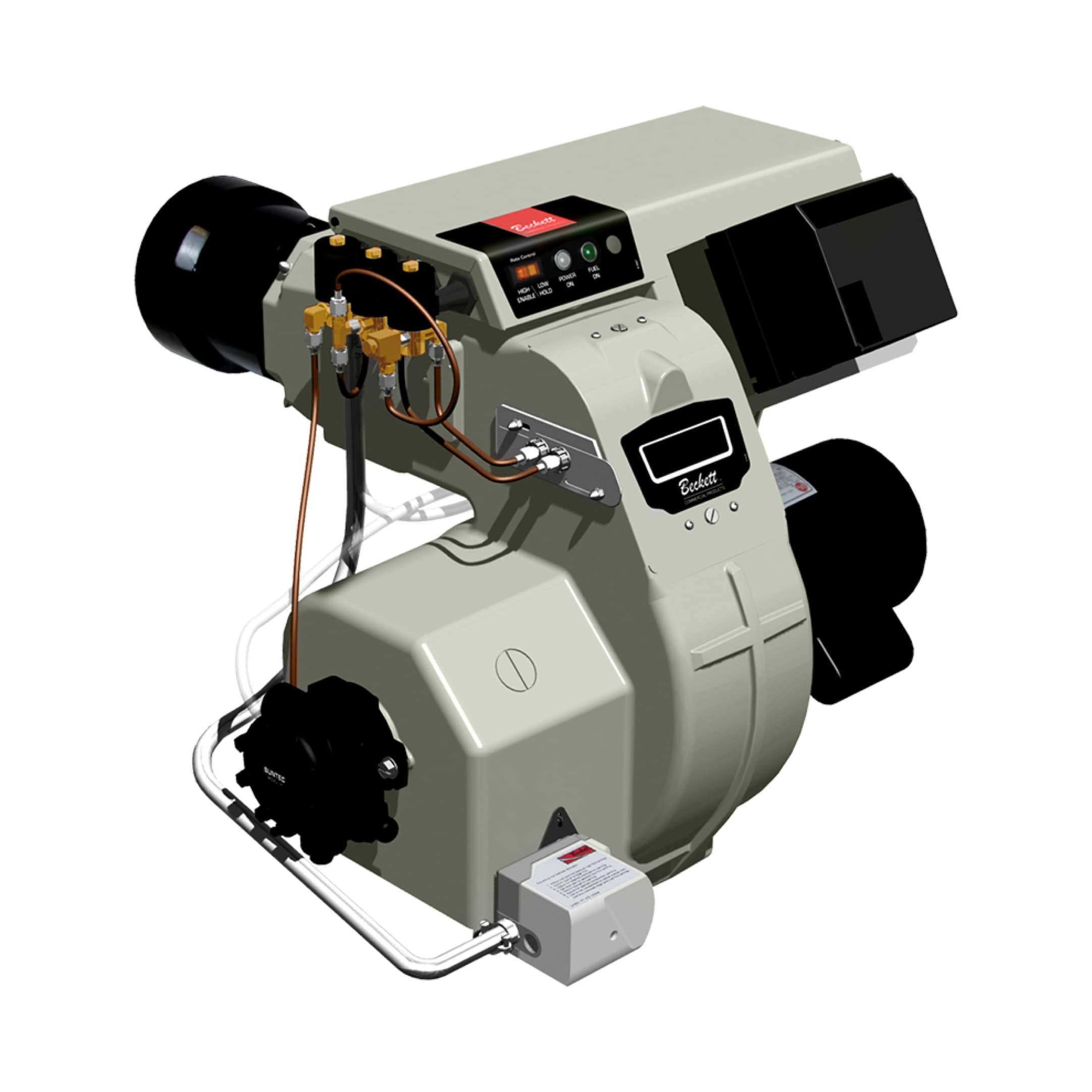
Secondary Filtration (Supply Line): 10–20 µm mesh filters protect pump inlets. Pressure differential gauges indicate filter saturation—replacement at 0.3–0.5 bar differential prevents flow restriction. For systems like the Beckett CF3500 Oil Burner operating at 17–35 GPH, inadequate filtration reduces atomization quality and increases carbon buildup.
Nozzle-Level Strainers: 50–100 mesh screens catch debris before it reaches the injection orifice. These require quarterly inspection and replacement in high-contamination environments.
Practical Protocol:
- Inspect storage tanks quarterly for sediment accumulation and water ingress
- Replace primary filters every 500–750 operating hours
- Monitor secondary filter pressure gauges weekly; replace when differential exceeds manufacturer limits
- Document fuel supplier changes and perform system flushes if switching sources
- Install fuel polishing systems in facilities with static storage >6 months
Nozzle Performance Diagnostics and Atomization Integrity
The burner nozzle converts liquid or gaseous fuel into fine droplets for combustion. Nozzle degradation is the leading cause of combustion instability, incomplete burning, and emission violations in Southeast Asian industrial plants.
Nozzle Failure Modes:
1. Orifice Erosion: Abrasive particles enlarge the nozzle opening, increasing fuel flow and disrupting combustion stoichiometry. A 10% orifice enlargement increases fuel consumption by 8–12% while thermal output remains constant—a direct efficiency loss.
2. Carbon Buildup: Oxidized fuel deposits coat internal nozzle passages, restricting flow and creating uneven spray patterns. This triggers flame instability and increases NOx emissions by 15–25%.
3. Spray Angle Deviation: Wear or carbon deposits shift the spray cone angle, reducing flame penetration and creating cold zones where unburned fuel accumulates.
4. Thermal Fatigue: Rapid on-off cycling in hot industrial environments causes micro-cracking, leading to fuel leakage and poor atomization.
Diagnostic Procedures:
- Visual Inspection: Remove nozzle and examine the orifice under magnification (10x–20x). Any visible erosion, scoring, or carbon deposits indicates replacement is required.
- Spray Pattern Testing: Fire the burner into a white surface and photograph the spray cone. Compare against manufacturer baseline. Asymmetrical or fragmented patterns indicate orifice damage.
- Fuel Flow Rate Verification: Measure actual fuel consumption at standardized pressure and compare against nameplate specifications. >5% deviation signals nozzle wear.
- Pressure Drop Analysis: Monitor fuel line pressure upstream and downstream of the nozzle. Excessive drop (>0.5 bar for oil, >0.2 bar for gas) indicates internal restriction.
- Flame Stability Monitoring: Record flame signal strength using a portable combustion analyzer. Degrading nozzles produce unstable signals with >±10% amplitude variation.
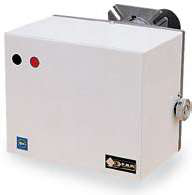
For control systems like the SIT 0577211 Control Box, nozzle degradation manifests as frequent lockout events or delayed flame establishment. Maintenance teams should cross-reference flame signal logs with nozzle inspection schedules.
Predictive Maintenance and Performance Trending
Modern maintenance strategies replace reactive nozzle replacement with data-driven predictive approaches. This extends component life, prevents catastrophic failures, and optimizes replacement schedules.
Key Performance Indicators:
- Fuel Consumption vs. Thermal Output: Track the fuel-to-BTU ratio monthly. Increasing trend indicates nozzle orifice enlargement. A 2–3% quarterly increase triggers replacement before flame instability occurs.
- Flame Signal Amplitude: Stable flames at 50–70% signal strength indicate healthy nozzles. Declining trends (<40%) preceded by 1–2 months of gradual decay signal wear progression.
- Ignition Delay Time: Measure the delay from spark initiation to flame establishment. Increasing delays (>3 seconds for oil, >2 seconds for gas) indicate carbon deposits restricting fuel flow.
- Combustion Efficiency (CO2 and O2 Levels): Monthly flue gas analysis reveals combustion quality. Declining CO2 or elevated O2 suggest nozzle spray degradation and incomplete fuel atomization.
- Pressure Stability: Record fuel supply pressure variation during steady-state operation. Fluctuations >±0.3 bar indicate pump wear or supply-line restrictions aggravated by nozzle blockage.
Maintenance teams should establish baseline measurements during commissioning:
- Month 1–3: Establish normal operating ranges for all KPIs
- Month 4–12: Monitor for ±5% variation; investigate excursions
- Year 2+: Calculate linear regression trends; project replacement dates based on trajectory
For multi-burner facilities, comparative trending is invaluable. If burner A shows 8% fuel consumption growth while identical burner B remains stable, targeted nozzle inspection on burner A prevents widespread efficiency loss.
Integration with Control Systems: The Satronic DMG 970-N MOD.01 relay monitors flame quality in real time. Export diagnostic logs weekly and cross-reference flame signal strength with fuel consumption data. Diverging trends (declining signal, rising consumption) pinpoint nozzle degradation 2–4 weeks before system lockout.
Regional Considerations for Southeast Asian Operations
Southeast Asian climate and fuel characteristics create unique maintenance demands:
High Humidity: Moisture ingress into fuel tanks accelerates water-fuel emulsification. Install desiccant breathers on storage tanks and conduct monthly water content testing via Karl Fischer titration.
Particulate Load: Dust storms and industrial emissions introduce fine sediment. Upgrade to 5–10 µm secondary filters and increase inspection frequency to bi-weekly in high-dust environments.
Fuel Variability: LPG and natural gas quality varies by supplier. Gas burners like the FBR X GAS 2/C operating at 15–60 Mcal/h respond to gas composition changes. Establish supplier contracts specifying Wobbe Index stability (±5%) and schedule flame calibration after supply-source changes.
Temperature Extremes: Ambient temperatures reaching 38–40°C increase fuel viscosity variability. Use heated fuel lines for heavy oil systems and verify nozzle atomization angles across seasonal temperature ranges.
Maintenance Team Skill Variation: Document all procedures with photographic references and limit adjustments to trained personnel. Implement lock-out/tag-out (LOTO) protocols strictly, as many Southeast Asian facilities operate in humid outdoor environments where electrical hazards are elevated.
Practical Implementation Roadmap
Immediate Actions (Week 1–2):
- Establish baseline nozzle inspections for all active burners
- Audit fuel storage tanks for water and sediment
- Implement weekly flame signal logging from control relays
- Upgrade filtration if secondary filter micron rating exceeds 20 µm
- Create nozzle replacement stock (recommend 2 backup units per facility)
- Train maintenance staff on spray pattern photography and orifice measurement
- Establish trending dashboards showing fuel consumption, flame signal, and efficiency metrics
- Schedule quarterly combustion analysis with portable flue gas analyzer
- Implement predictive replacement calendar based on usage hours and performance trends
- Integrate predictive maintenance data into CMMS (Computerized Maintenance Management System)
- Review supplier contracts for fuel quality consistency
- Conduct annual audit of regional environmental compliance standards
With 35+ years of experience supporting Southeast Asian industrial operations, 3G Electric recommends treating fuel supply integrity as a primary system—equal in importance to the burner itself. Disciplined filtration, nozzle diagnostics, and performance trending reduce unplanned downtime by 40–60% while extending nozzle life from 18–24 months to 36+ months.