Understanding Burners & Combustion Fuel Pressure Systems
Proper fuel pressure regulation is fundamental to reliable Burners & Combustion performance in industrial heating applications. When fuel pressure falls below design specifications, atomization becomes inefficient, resulting in incomplete combustion, increased emissions, and reduced heat transfer to process streams. Southeast Asian plants operating in humid, high-temperature environments face accelerated degradation of pressure regulation components, making systematic pressure diagnostics essential for maintaining equipment uptime.
The fuel supply path from tank through regulator to burner nozzle contains multiple pressure loss points: filter blockage, regulator creep (gradual pressure decline under load), and supply line restrictions. Unlike European or North American plants with standardized maintenance schedules, Southeast Asian facilities often operate with extended intervals between overhauls, allowing minor pressure issues to compound into combustion failures.
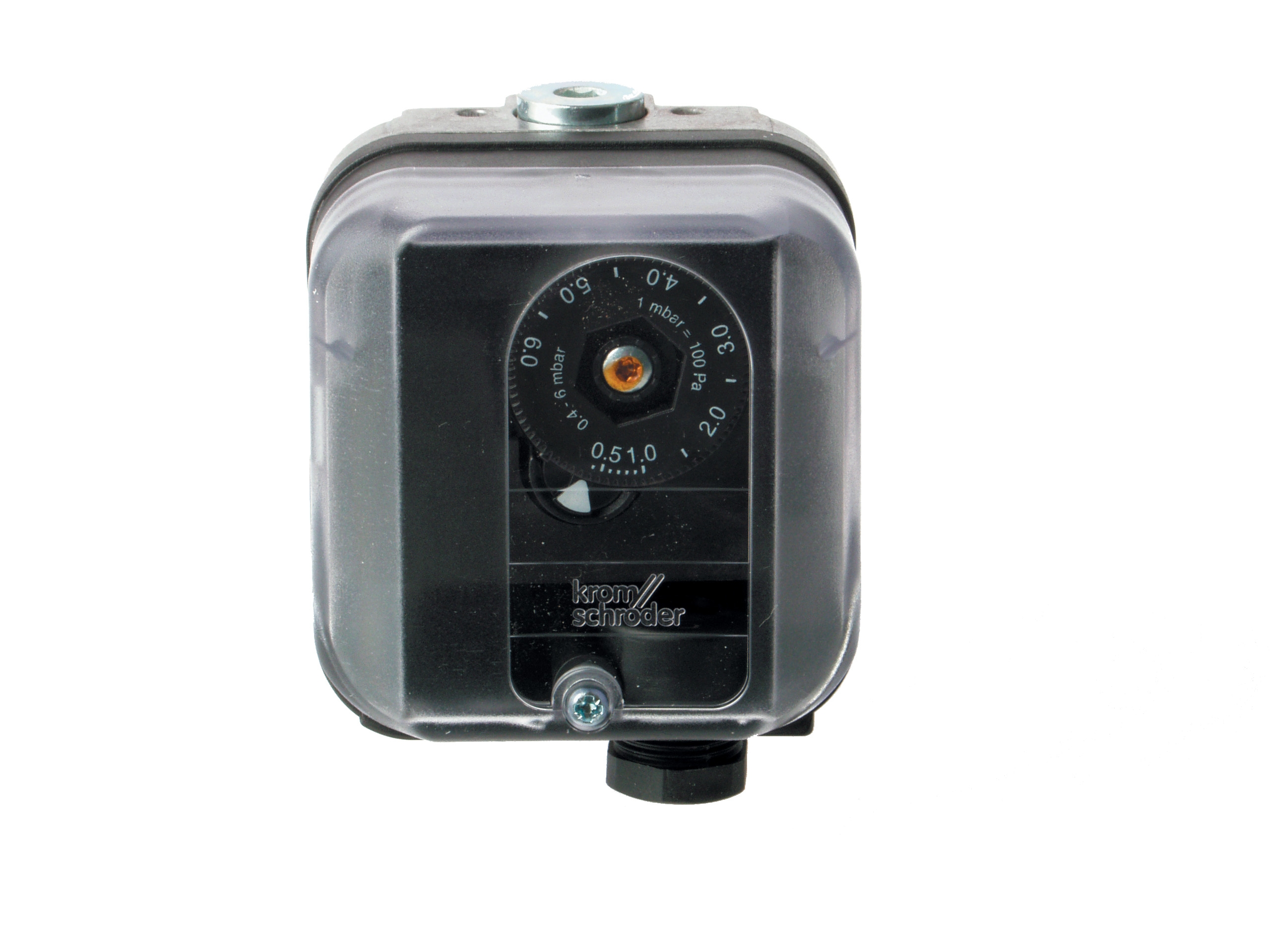
With over 35 years of experience supplying industrial burner systems across Asia-Pacific markets, 3G Electric recognizes that fuel pressure problems account for approximately 40% of burner efficiency complaints in the region. Plant managers should establish baseline pressure readings during commissioning and monitor monthly to detect creep patterns early. The Kromschroder DG 50U/6 pressure switch provides SIL 3-rated monitoring with FM, UL, and GOST-TR certifications, making it suitable for safety-critical fuel pressure supervision in plants requiring compliance documentation across multiple regulatory jurisdictions.
Systematic Pressure Diagnostics and Regulation Troubleshooting
Initial Pressure Assessment Protocol:
Begin diagnostics with the burner offline and fuel pump activated. Record static pressure (pump running, burner solenoid de-energized) at three locations: immediately downstream of the main regulator, at the nozzle supply inlet, and return line pressure if applicable. Record ambient temperature and fuel tank level—both affect pressure readings significantly in Southeast Asia's tropical environment.
Static pressure should match equipment design specification (typically 2.5–4.5 bar for gas burners, 8–12 bar for oil systems). Pressure loss exceeding 0.3 bar between regulator outlet and nozzle inlet indicates filter blockage or supply line restriction. Inspect fuel filter element for water contamination—common in coastal or monsoon-affected regions where tank breathing introduces moisture. Water in fuel creates emulsions that clog filter media and damage injection nozzles within hours of operation.
Regulator Creep Detection:
With pump running and burner idle, close the manual isolation valve downstream of regulator. Monitor pressure gauge for 60 seconds. If pressure drops more than 0.1 bar per minute, the regulator's internal pilot relief valve is leaking internally. This creep causes progressive pressure loss during extended burner operation, leading to flame instability and unplanned shutdowns. Regulator overhaul or replacement becomes necessary—delaying this work results in downstream component failures (stuck solenoid spools, erratic nozzle spray patterns).
Under-Load Pressure Verification:
Start the burner and allow stabilization at full fire (5–10 minutes). Pressure should remain stable within ±0.2 bar throughout the firing cycle. Pressure spikes exceeding 0.5 bar indicate return line blockage (if equipped) or incorrect regulator adjustment. Conversely, pressure drift downward during sustained firing suggests fuel pump cavitation or supply line leaks—check all threaded connections for seepage; even microscopic leaks become significant over hours of operation in Southeast Asia's heat-accelerated fluid migration.
The Kromschroder BCU 570WC1F1U0K1-E relay provides integrated fuel pressure monitoring capability, supporting direct ignition modes that require precise pressure control. This control unit enables automated pressure verification during startup sequences, logging pressure anomalies for predictive maintenance analysis.
Nozzle Performance Degradation and Atomization Failure
Blockage Diagnosis and Resolution:
Poor atomization manifests as orange-yellow flame color (incomplete combustion), increased boiler/furnace exit gas temperature, and elevated carbon monoxide (CO) levels in flue gas. Measure CO at the flue using portable instrumentation; levels above 200 ppm indicate combustion air/fuel ratio deterioration, often caused by nozzle restriction.
Nozzle blockage develops from three mechanisms in Southeast Asian operations: (1) fuel oxidation deposits from extended idle periods during maintenance windows, (2) water precipitation when fuel temperature drops during night hours (especially in facilities without heated storage), and (3) dust infiltration through vent lines in dusty industrial zones common throughout the region.
Diagnostic procedure: Stop the burner and relieve fuel pressure. Remove the nozzle and inspect the spray discharge orifice using a magnifying glass or microscope. Hairline cracks, rough deposits, or discoloration indicate replacement is needed. Avoid attempting to clean nozzles with solvents—Southeast Asian climate humidity causes rapid corrosion of the cleaned surface. Instead, maintain spare nozzles on-site and swap immediately upon suspected blockage; send removed nozzles to supplier for analysis and possible refurbishment.
The FBR GAS XP 60/2 CE TC EVO two-stage gas burner operates at 116–630 kW with optimized nozzle geometry for tropical climate operation, incorporating drain ports that shed accumulated moisture. For heavy oil applications, the FBR KN 1300/M TL EL dual-fuel burner includes heavy oil circuit design (thermal power 1700–11,500 Mcal/h) with integral fuel heating to reduce viscosity-related blockage risk.
Spray Pattern Deterioration:
Secondary atomization failure occurs when fuel pressure meets minimum thresholds but nozzle internal passages become partially restricted by deposit layers. The spray pattern broadens and loses coherence, reducing penetration into the combustion chamber. Flame becomes unstable, with localized high-temperature zones causing boiler tube overheating.
Verify spray pattern by observing flame appearance at moderate fire level (50–70% capacity): it should appear as a tight, symmetrical cone, amber to bright yellow in color. Diffuse, pale orange, or two-toned flame (bright core with orange edges) suggests spray degradation. Cross-reference with flue gas oxygen content—if O₂ drops below design specification (typically 3–5% for oil, 2–3% for gas), combustion air intake blockage is concurrent issue; clean air filter and verify fan blade condition.
Seasonal Maintenance Triggers:
In Southeast Asia, monsoon seasons (May–October in most regions) create optimal conditions for fuel degradation. Establish a pre-monsoon inspection protocol: drain fuel tank bottom sediment, replace fuel filter element, remove and inspect nozzle, verify pressure regulator condition, and document baseline flame appearance photographs for comparison. This preventive cycle, performed annually or bi-annually depending on operating hours, eliminates 70% of nozzle-related combustion failures.
Diagnostic Equipment and Monitoring Integration
Essential Instruments for Plant Maintenance Teams:
Maintain a burner diagnostic kit at each facility:
- Fuel pressure gauge (0–16 bar range, ±0.1 bar accuracy)
- Flue gas analyzer with CO and O₂ measurement (battery-powered, corrosion-resistant for coastal environments)
- Fuel thermometer (0–100°C range)
- Magnifying glass or 10× loupe for nozzle inspection
- Spare nozzle set matching current burner model
- Regulator test kit (if technician-certified for disassembly)
Portable flue gas analysis is critical in Southeast Asia, where ambient CO levels may be elevated due to industrial density or traffic proximity. Baseline CO readings establish combustion quality baseline; trending rising CO over weeks indicates progressive nozzle degradation or regulator drift—both require intervention before flame instability occurs.
Remote Monitoring and Predictive Maintenance:
The Siemens LFL 1.622 safety control unit integrates with flame monitoring sensors (UV or ionization types) and supports networked status reporting. Modern installations should include fuel pressure transmitters (4–20 mA output) connected to plant SCADA/DCS systems. Automated logging of pressure drift, flame signal strength, and thermal output enables detection of performance degradation 2–4 weeks before combustion failure occurs.
In regions with intermittent grid power (common in parts of Southeast Asia), ensure backup battery or UPS supply for burner control systems. Loss of control signal during mid-cycle causes unburned fuel accumulation and ignition hazards; proper monitoring prevents these scenarios.
Regional Considerations and Maintenance Planning
Southeast Asian climate factors directly impact burner combustion diagnostics:
Humidity and Corrosion: Coastal facilities and monsoon-affected regions experience accelerated corrosion of fuel system components. Stainless steel fuel piping becomes mandatory in these zones; carbon steel components oxidize internally, introducing rust particles that clog filters and nozzles. Inspect fuel tank interior annually for rust scale; if present, implement internal coating or scheduled tank replacement.
Fuel Quality Variability: Fuel specifications vary significantly across Southeast Asia. Malaysian, Indonesian, and Thai suppliers provide compliant products, but winter blending (viscosity adjustment) differs from European standards. Verify fuel grade specification with current supplier; if switching suppliers, perform combustion analysis at 25%, 50%, and 100% load to establish new baseline.
Extended Operating Cycles: Many Southeast Asian plants run 24/7 during peak seasons with minimal maintenance windows. Establish shift handover procedures requiring pressure checks every 4 hours; log readings on laminated cards at the burner panel. Trends visible to operators enable early reporting of creeping problems before emergency shutdowns occur.
Technician Training: Unlike developed markets with abundant burner technician availability, Southeast Asia faces periodic expertise shortages. Partner with equipment suppliers like 3G Electric to schedule on-site training for your maintenance team. Capability to diagnose pressure, nozzle, and flame detection issues internally reduces troubleshooting delays from days to hours.
Conclusion
Fuel pressure regulation and nozzle performance represent controllable failure points in industrial Burners & Combustion systems. Plant managers implementing systematic monthly pressure diagnostics, pre-monsoon nozzle inspections, and flue gas monitoring achieve 85%+ reduction in unplanned combustion-related downtime. Southeast Asia's climatic and operational challenges require adaptation of temperate-climate maintenance practices; this guide provides the framework for region-specific reliability. Consult 3G Electric's technical team for equipment selection and diagnostic support aligned with your facility's specific burner models and local operating conditions.