Understanding Burners & Combustion System Architecture
Burners & Combustion systems represent one of the most critical capital investment decisions for industrial operations. As a procurement engineer, your role extends beyond simple vendor selection to understanding how individual components integrate into a cohesive system that meets thermal requirements, safety standards, and operational efficiency targets.
At 3G Electric, with over 35 years of global equipment distribution experience, we've observed that procurement failures in burner systems typically stem from incomplete specification documentation rather than component quality issues. The architecture of a modern burner system comprises several interdependent layers: the primary burner unit with combustion air delivery, modulation and control electronics, flame detection and safety interlocks, and fuel delivery systems. Each layer must be evaluated not in isolation, but through the lens of how they interface with your specific application requirements.
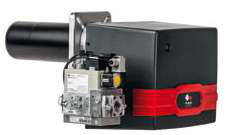
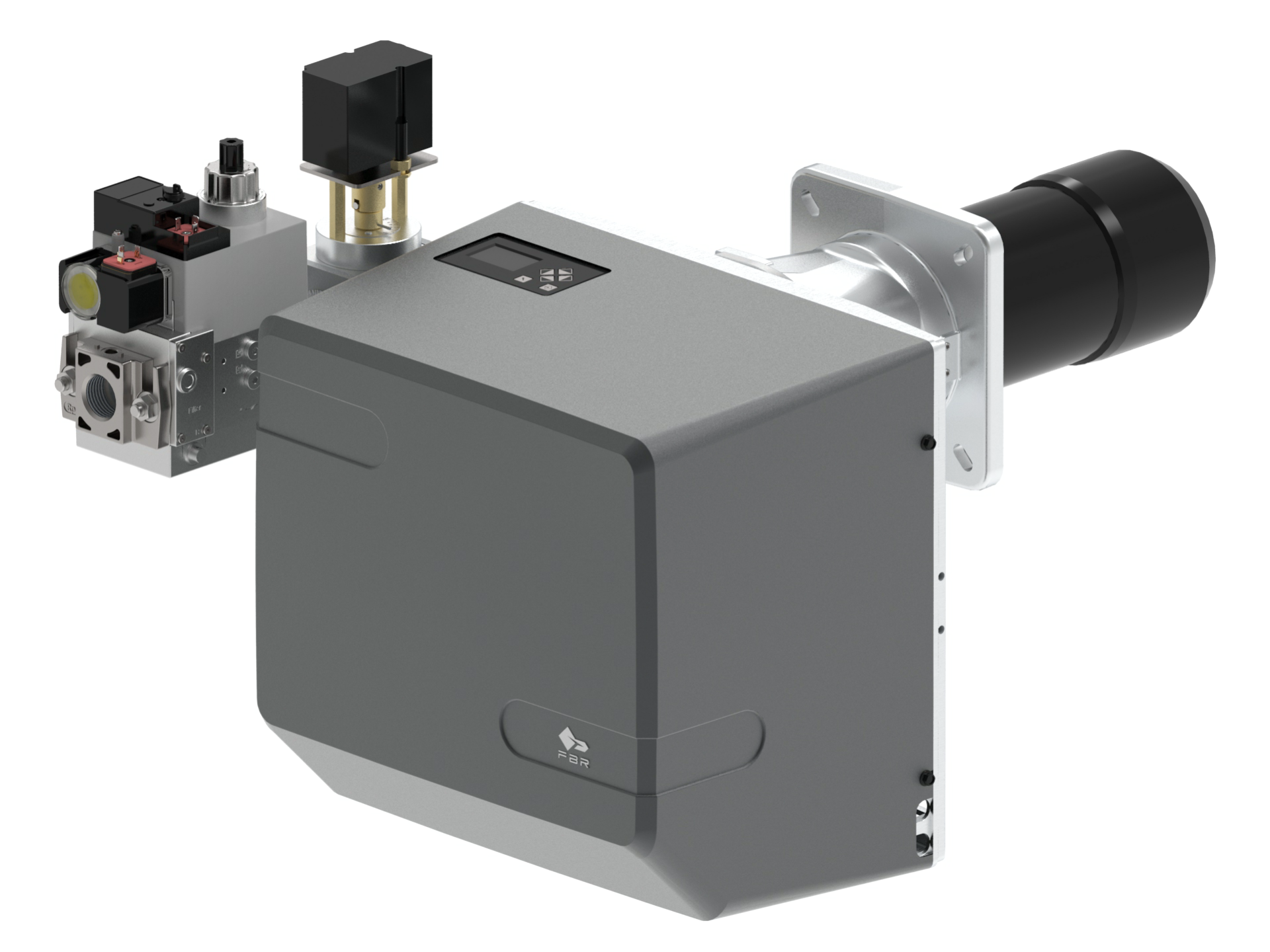
The FBR BURNER GAS X5/MF TL EL VC LPG represents a sophisticated example of contemporary burner design. This die-cast aluminum burner body integrates a high-pressure fan for combustion air pressurization and supports optional modulation kits with probe integration for PID fully modulating operation. Understanding what "fully modulating" means for your procurement context is critical—it means the burner can continuously adjust its flame intensity between minimum and maximum firing rates, responding to demand fluctuations without cycling on and off. This capability requires compatible control components, not just a burner purchase.
Specification Alignment: From Application Requirements to Component Selection
The most expensive mistake in burner procurement occurs when engineers specify components that technically function but don't optimize for the actual operational environment. This section provides a structured approach to specification alignment that has proven effective across diverse global markets.
Step 1: Define Your Thermal and Operational Profile
Begin with non-negotiable requirements: thermal output in kW or BTU/hr, fuel type (natural gas, LPG, dual-fuel capability), maximum operating pressure, and duty cycle classification (continuous, intermittent, or standby). For the FBR GAS X5 series, this means confirming whether your application genuinely requires modulating capability or whether fixed-stage operation would be more cost-effective. Modulating burners justify their premium cost only when your thermal load varies significantly during operation.
Step 2: Evaluate Fuel Delivery Integration
Your fuel delivery system must be specified in concert with burner selection. The CBM VCS 1E25R/25R05NNWL3/PPPP/PPPP double solenoid valve serves as the critical interface between your fuel supply and burner combustion chamber. Double solenoid architecture provides redundant safety—one solenoid handles normal fuel modulation while the second provides independent safety shutoff. When procuring this component, verify that its pressure rating matches your fuel supply configuration and that response time specifications align with your burner's ignition sequence requirements.
For global procurement, this is particularly important. A burner specified for European natural gas pressure conditions (typically 20-25 mbar) will not perform safely when connected to LPG systems in Southeast Asian installations operating at higher pressures. The solenoid valve becomes the critical component preventing system failures in cross-regional deployments.
Step 3: Flame Detection and Safety Architecture
Flame detection represents the safety backbone of any burner system. The CBM Flame relay CF1 integrates ultraviolet or infrared flame sensing with relay logic that determines whether the burner can maintain operation or must shut down. Procurement engineers often underestimate the importance of compatibility between flame detection type and fuel characteristics.
Ultraviolet sensors excel with natural gas but may require adjustment when switching to LPG or biogas applications. Infrared sensors provide broader compatibility across fuel types but require careful optical alignment. Your procurement specification should explicitly state the flame detection method required, not leave this to supplier discretion.
Step 4: Control Relay Selection for System Integration
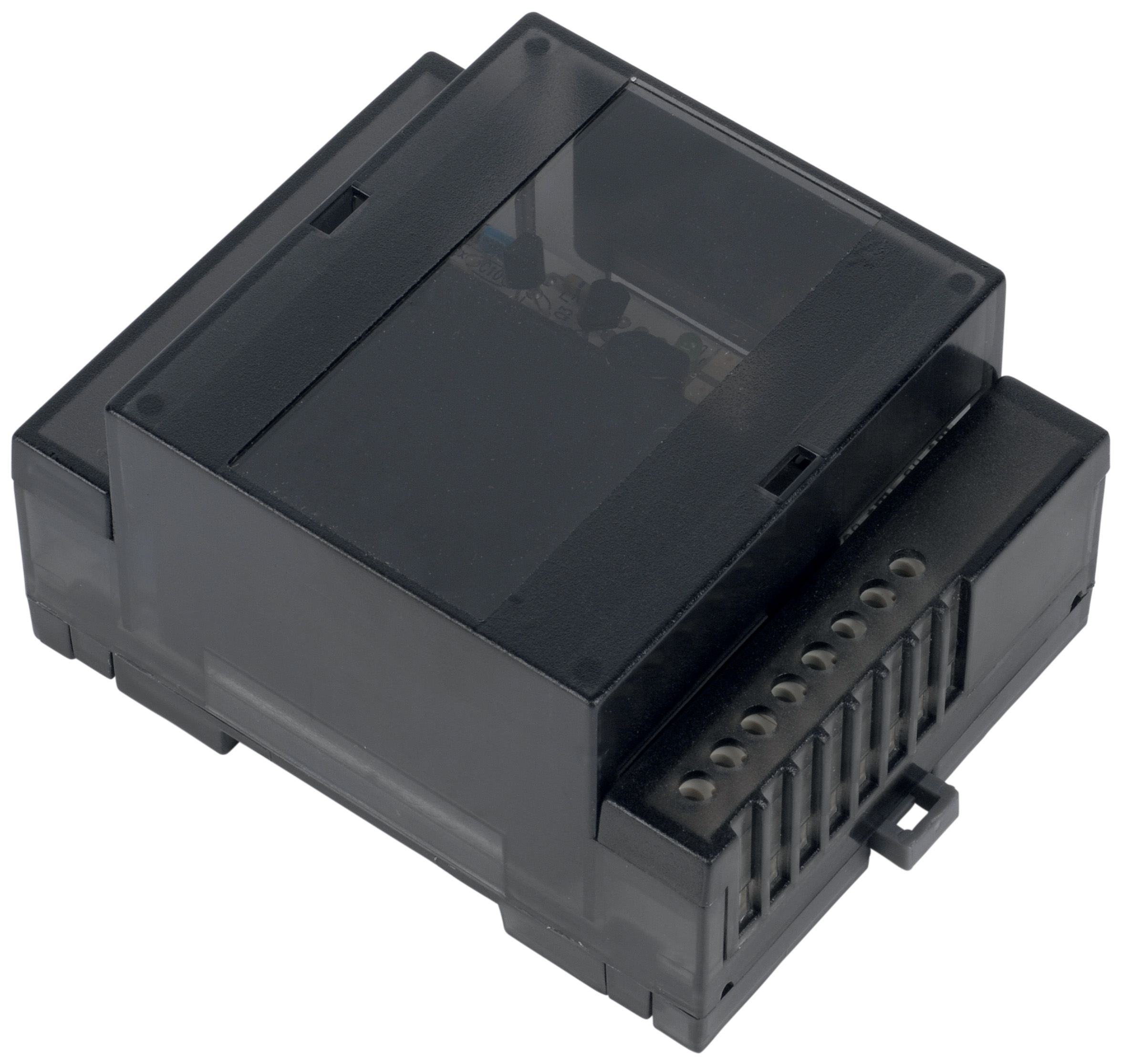
The CBM Relay CM391.2 30.5 1.2 and CBM Base LGK AGM17 represent the control logic layer of your burner system. These relays execute the sequencing logic that determines startup progression, ignition timing, flame monitoring, and shutdown sequences. When procuring these components, verify:
- Sequence compatibility: Your relay must support the specific ignition sequence your burner requires (typically: fuel solenoid energization, ignition electrode activation, flame detection confirmation, then main flame establishment)
- Safety function integration: Relays must support necessary interlocks—door switches, temperature limits, pressure switches—specific to your installation environment
- Response timing: Control relays must respond to flame loss within the timeframe specified by your regulatory environment (typically 1-3 seconds for most industrial applications)
For global operations, relay base selection (the LGK AGM17 mount) ensures standardized integration across different regional variants of core relay equipment, simplifying maintenance and spare parts management.
Practical Procurement Strategy: Specification to Delivery
With component architecture clarified, the procurement process itself demands structured execution to prevent costly errors during fabrication or installation phases.
Documentation and Supplier Communication
Begin with comprehensive technical specifications that leave minimal interpretation to suppliers. Rather than requesting "a modulating gas burner," specify:
- Exact thermal output (e.g., "85 kW nominal, 65-105 kW modulating range")
- Fuel type and pressure class ("Natural gas, medium pressure, 25 mbar nominal")
- Combustion air source ("Forced draft from integral fan" vs. "atmospheric air entry")
- Control interface requirements ("PID modulation input 4-20mA signal, 24VDC control power")
- Safety interlocks required by local regulation and your process
3G Electric's three decades of global distribution experience has taught us that ambiguous specifications create expensive change orders during commissioning. Invest the time upfront.
Component Compatibility Verification
Create a system integration matrix documenting:
| Component Category | Specified Unit | Operating Pressure | Control Signal | Safety Rating |
|---|---|---|---|---|
| Burner | FBR GAS X5/MF | 25 mbar | 4-20mA modulation | CE Class 3 |
| Fuel Valve | CBM VCS 1E25R | 25 mbar nominal, 40 mbar max | 24VDC solenoid | DN25, PN40 |
| Flame Detection | CF1 relay | N/A | UV sensor output to relay | Response <2 sec |
| Control Logic | CM391.2 relay | N/A | 24VDC/AC switchable | Proven ignition sequence |
This matrix becomes your procurement verification checklist and installation commissioning reference.
Lead Time and Regional Sourcing Considerations
Burner system components often involve 8-16 week manufacturing lead times from European suppliers. Account for this in your project timeline. For global operations across multiple regions, consider whether standardizing on specific component families (all CBM relays and valves, for example) simplifies:
- Spare parts inventory management
- Technician training requirements
- Troubleshooting and diagnostic processes
- Future system modifications
The marginal cost savings from sourcing components from different suppliers rarely compensate for the integration complexity costs.
Regional Compliance and Testing Requirements
Burner systems fall under different regulatory frameworks depending on installation location. European CE marking requirements differ substantially from Singapore's SCAL certification path or Australian standards compliance.
Your procurement specification must explicitly state the target regulatory environment. This determines which optional certifications and testing protocols apply to your component selection. A burner specified for UK market might require different flame detection sensitivity than equivalent equipment for Southeast Asian high-humidity environments.
When procuring through distributors like 3G Electric with global reach, leverage their regional expertise. Your distributor should be able to confirm that specified components carry appropriate certifications for each target market and identify any necessary adaptations for cross-region deployment.
Conclusion: Strategic Procurement Framework
Successful Burners & Combustion system procurement requires moving beyond component shopping toward system architecture thinking. Your role as procurement engineer is to ensure that individual components—burner, fuel valve, flame detection relay, control logic—integrate into a cohesive system optimized for your specific thermal, safety, and operational requirements.
This framework—specification alignment, component integration verification, and regional compliance confirmation—protects against the most common failure modes in industrial burner procurement. Combined with working with experienced global distributors who understand both component specifications and real-world installation requirements, this approach minimizes risk while optimizing total cost of ownership across your equipment lifecycle.