Understanding Controls & Safety in Air Damper Systems
Air damper control represents a critical safety function in modern HVAC burner systems, yet it remains one of the most overlooked maintenance areas among contractors. The Controls & Safety systems governing air damper operation ensure proper combustion air supply, prevent incomplete combustion, and maintain safe air-fuel ratios across varying load conditions.
With over 35 years of experience supplying industrial equipment throughout Southeast Asia, 3G Electric has observed that approximately 40% of burner control failures originate from air damper circuit malfunctions rather than ignition or flame detection issues. This troubleshooting guide addresses the specific challenges HVAC contractors face when diagnosing air damper control failures in Singapore's humid tropical environment.
The integration of pressure regulation, damper positioning feedback, and safety interlocks creates a complex system where a single component failure cascades through multiple safety circuits. Understanding how these systems interact enables faster, more accurate diagnostics.
Common Air Damper Control Failure Modes
Damper Position Feedback Failures
Most modern burner control systems employ electronic feedback to verify damper position. The Siemens LFL 1.622 safety control unit includes damper control capabilities with position monitoring that prevents burner startup if the damper fails to open to the required position.
Symptoms of feedback failures:
- Burner locks out during startup after damper opens partway
- Control system reports "damper position error" without actual damper mechanical jam
- Intermittent lockouts occurring during load ramp-up
- False low-air signals in high-humidity conditions
1. Manually verify damper moves freely through full range without mechanical restriction
2. Test feedback potentiometer output voltage (typically 0-10V linear across damper sweep) with multimeter during slow manual operation
3. Measure damper response time from control signal to full open position—should complete within 15-30 seconds
4. Check electrical connector pins for corrosion, particularly in tropical climates where salt spray affects coastal installations
5. Verify feedback wiring continuity from damper sensor to control unit terminal block
In Singapore's high-humidity environment, oxidation on potentiometer wipers frequently causes intermittent signal dropout. Unlike dry climates where contact degradation progresses gradually, tropical moisture acceleration often creates sudden failures.
Insufficient Combustion Air Delivery
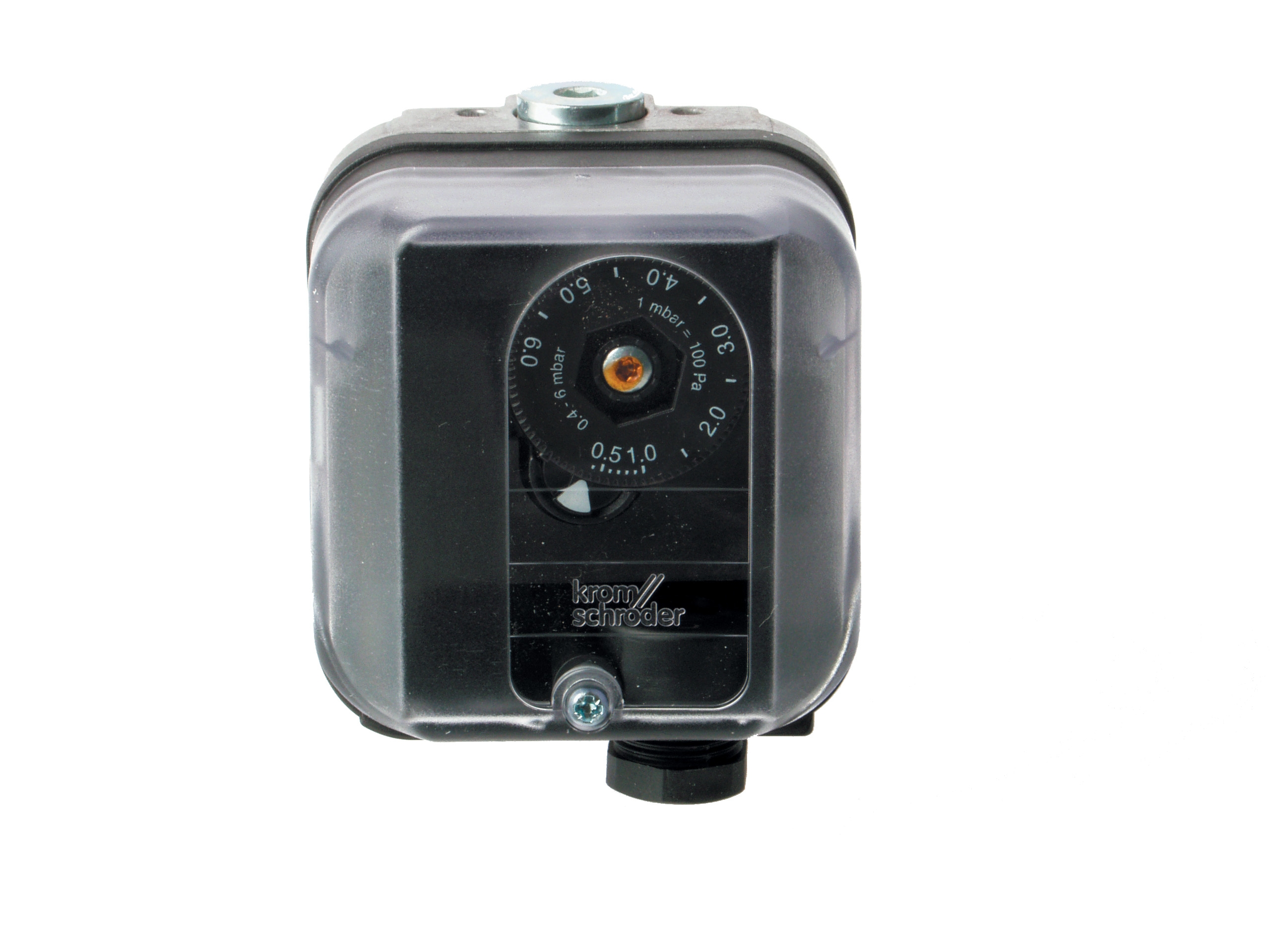
Even when damper mechanisms function mechanically, insufficient air delivery indicates control system calibration drift or pilot air pressure loss. The Kromschroder DG 50U/6 pressure switch provides SIL 3-rated air pressure monitoring essential for safety validation.
Symptoms of air insufficiency:
- Burner fires but produces yellow-tipped flames instead of clean blue flames
- Carbon buildup accumulates rapidly on burner head
- Stack temperature runs 50-100°F higher than design specification
- Control system cannot maintain stable load modulation
- Oxygen readings in flue gas consistently below 3% (indicating rich combustion)
- Air inlet filter blockage reducing available pressure (check pressure differential indicator)
- Damper linkage bend or binding preventing full opening
- Pressure switch setpoint drift below minimum required air pressure
- Pilot air regulator output reduced by internal diaphragm puncture
- Ductwork obstruction downstream of damper
1. Connect differential pressure gauge across air filter inlet and damper inlet to identify flow restriction
2. Measure actual air pressure at damper inlet during full-open position—compare against design specification (typically 0.3-0.5 inches water column)
3. Test pressure switch mechanical response by slowly reducing pilot air supply; switch should trip within 0.02 inches water column of setpoint
4. Verify damper linkage geometric accuracy using straightedge; bent linkages prevent full damper opening even with proper actuator stroke
Damper Modulation Control Drift
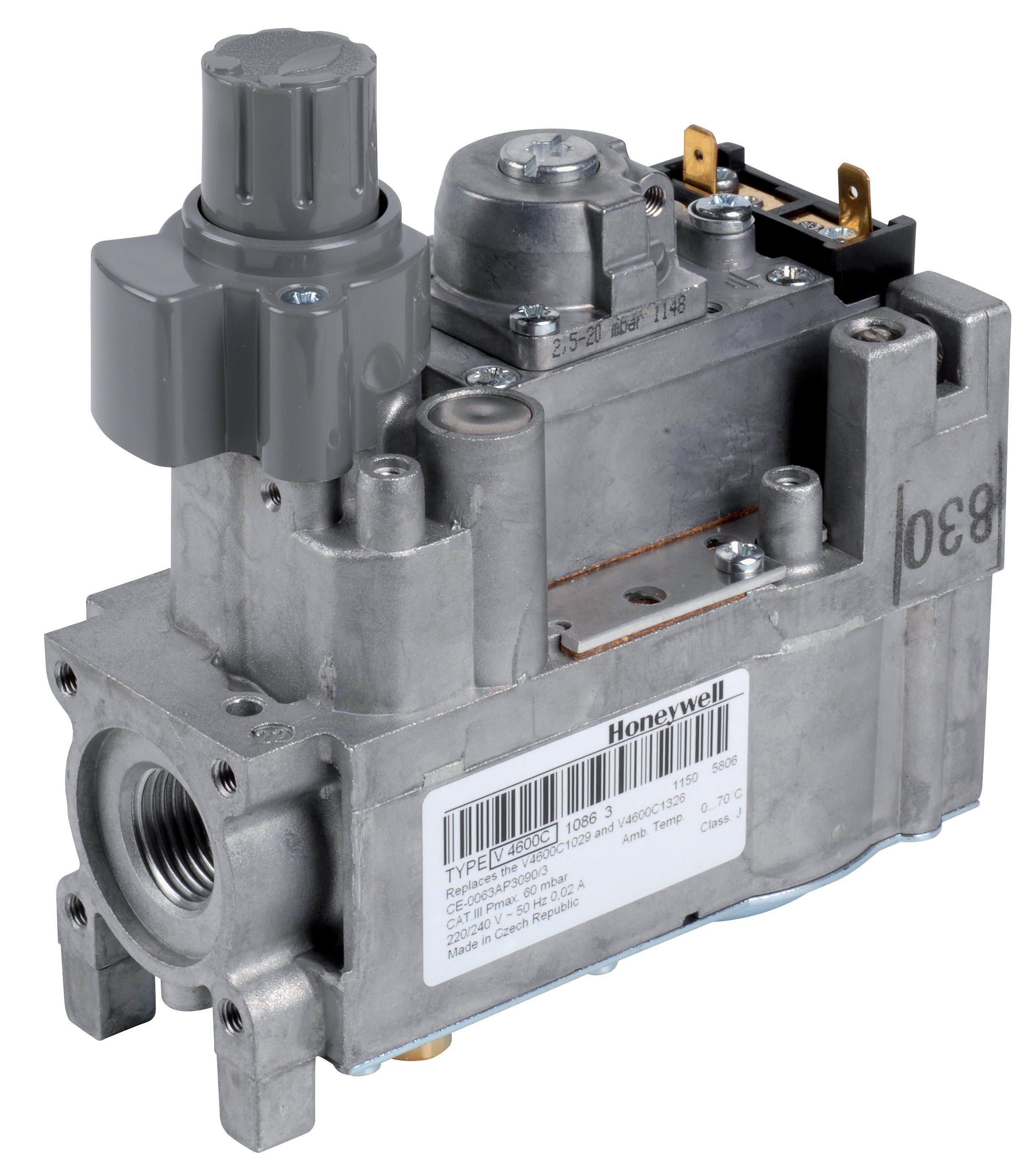
Modulating burners adjust air supply continuously during operation. The Honeywell VK 4105 C 1041 U electric modulating pressure regulator maintains proportional control of air and fuel throughout the operating range.
Symptoms of modulation failure:
- Burner hunts or cycles between high-fire and low-fire positions continuously
- Inability to maintain stable flame at mid-range loads
- System overshoots setpoint then swings opposite direction
- Air-fuel ratio becomes progressively richer during extended operation
- Damper position doesn't respond proportionally to load signal
- PID controller tuning parameters degraded (proportional band too narrow causes hunting)
- Feedback signal lag from slow damper positioning compared to control loop sampling rate
- Hysteresis in damper actuator preventing smooth proportional movement
- Cross-limiting circuit failure preventing proper synchronization between air and fuel positioning
- Pressure regulator spool stiction from particulate accumulation
1. Record damper position signal voltage and actual mechanical position simultaneously; compare timing to identify lag
2. Manually position damper to 50% open and measure pilot air pressure; repeat at 25% and 75% positions—output should scale linearly
3. Test actuator response by applying step voltage input and measuring position output; response should complete within 5-10 seconds without overshoot
4. Inspect pressure regulator pilot filter element for visible debris; contamination restricts spool movement
5. Review control unit PID settings against equipment manufacturer specification and adjust proportional band if tuning has been modified
Safety Interlock Validation and Testing
All air damper control modifications must include interlock validation. The Kromschroder BCU 570WC1F1U0K1-E relay provides EN 746-2 compliant burner control including air supply monitoring functions.
Critical safety tests after any damper adjustment:
Test 1: Low-Air Shutdown Verification
- Block damper inlet partially to simulate air restriction
- Burner must shut down within 2 seconds of low-air detection
- System should not allow restart without manual reset
- Verify lockout message specifies air pressure fault (not pilot light failure)
- With burner in standby, trigger startup cycle
- Damper must begin opening before ignition sequence initiates
- Verify 5-10 second pre-purge allows damper to reach minimum air position
- Confirm burner does not fire if damper movement detected as incomplete
- Set system to modulating mode
- Gradually increase load from minimum to maximum
- Monitor damper position for smooth linear response without oscillation
- Verify flame remains stable throughout modulation range
- Confirm system returns to low-fire position when load decreases
- Interrupt electrical supply while system operating at full load
- Damper must move to safe position (typically full open or full close per design)
- Spring return mechanisms must not jam during power-loss scenario
- System should require manual reset and full safety sequence before restart
Practical Maintenance and Prevention Strategy
Preventive maintenance addressing Controls & Safety air damper systems reduces emergency callbacks and extends equipment life in tropical climates.
Quarterly Inspection Checklist
- Clean air inlet filter and measure pressure differential (maximum acceptable: 0.5 inches water column)
- Visually inspect damper blade for warping or binding
- Listen for unusual clicking or grinding sounds during damper operation
- Record damper opening time from signal application to full open (baseline for drift detection)
- Check all electrical connections for corrosion using visual inspection and ohmmeter testing
- Verify pressure switch responds to controlled air pressure changes
Environmental Considerations for Singapore Operations
Tropical maritime climate creates specific maintenance challenges:
Salt spray exposure: Coastal installations require monthly damper linkage inspection for corrosion initiation. Apply light machine oil to pivot points after cleaning with soft brush.
High humidity: Potentiometer feedback elements absorb moisture, causing signal noise. Use dielectric grease on connector pins and consider silica gel desiccant canisters in control enclosures.
Temperature cycling: Daily 15-20°C swings cause metal expansion differential in damper linkages. Verify pivot bolts remain tight; re-torque quarterly using properly calibrated wrench.
Dust and particulate: Industrial areas experience rapid filter loading. Inspect filter pressure indicators weekly; schedule changes at 0.3 inches water column rather than waiting for maximum.
Selecting Replacement Components
When air damper control failures require component replacement, matching original specifications ensures safety compliance and proper system operation.
For burner control relay replacement: The Kromschroder BCU 570WC1F1U0K1-E offers EN 746-2 and EN 676 compliance with selectable ignition modes. Verify your system requires the BCU 570 series specifically—other Kromschroder relay models lack identical air damper monitoring functions.
For pressure monitoring upgrade: The Kromschroder DG 50U/6 SIL 3 pressure switch provides redundant air supply verification. Installation requires adjusting setpoint to 10% above minimum design air pressure; incorrect setpoint either allows unsafe low-air conditions or causes nuisance shutdowns.
For modulating control improvement: The Honeywell VK 4105 C 1041 U modulating regulator requires pilot air supply between 0.5-1.2 bar. Verify existing pilot air pressure before installation to prevent incompatible operation.
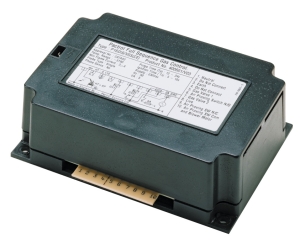
For advanced flame detection: The Pactrol Housing P 16 DI CE ignition control module operates at 230V with integrated flame detection. This module pairs with damper control for integrated burner management.
3G Electric maintains technical specifications for all these components and offers application consulting based on 35+ years distributing industrial burner controls throughout Asia-Pacific. Contact our technical support team to verify component compatibility with your specific burner model before ordering replacements.