Understanding Gas Valve Safety Testing Requirements in Southeast Asia
Gas Valves & Regulation systems operate under strict safety protocols across Southeast Asian industrial facilities. Whether you manage manufacturing plants in Thailand, Malaysia, Singapore, or Indonesia, understanding the testing and compliance landscape is critical to preventing catastrophic failures and regulatory penalties.
Southeast Asian countries follow varying standards—Singapore references EN 161 and PED (Pressure Equipment Directive), while Malaysia and Thailand adopt local adaptations. The common thread: all require documented proof that your gas control systems function safely under operating and fault conditions.
With over 35 years of experience supplying industrial equipment across the region, 3G Electric has supported thousands of facilities through compliance audits and safety overhauls. The difference between a facility that passes inspection and one that faces shutdown often comes down to proper testing methodology and documentation.
This guide covers the essential safety testing procedures you need to implement, the equipment required, and how to maintain compliance records that satisfy regulatory inspectors.
Step-by-Step Pressure Testing Procedures
Initial Visual Inspection
Before any pressure testing begins, conduct a thorough visual inspection of your entire gas valve and regulation system:
- Check for physical damage: Cracks, dents, or corrosion on valve bodies, regulators, and piping indicate replacement is needed before testing
- Verify connection integrity: Ensure all threaded connections, flanges, and fittings are hand-tight and show no signs of previous leakage (discoloration, residue, or frost)
- Confirm pressure gauge condition: Gauges must be calibrated within 12 months and clearly marked with calibration dates
- Inspect safety relief vents: Confirm vent openings are unobstructed and properly oriented away from personnel work areas
Hydrostatic Pressure Testing
For systems containing liquid (typically water with corrosion inhibitors), hydrostatic testing remains the gold standard:
Equipment needed:
- Hydrostatic test pump with pressure relief set at 1.5× maximum working pressure
- Calibrated pressure gauge (minimum 1.6× system operating pressure range)
- Safety blocks and restraints to prevent component movement
- Absorbent materials and containment for leakage
1. Isolate the section to be tested using isolation block valves
2. Fill the system slowly with degassed water, venting air from high points
3. Increase pressure gradually in 25% increments, watching for leaks at each step
4. Hold at test pressure (typically 1.5× working pressure) for 10 minutes minimum
5. Document any visible leakage—even pinhole leaks require component replacement
6. Reduce pressure slowly and drain completely
7. Record test date, pressure held, duration, inspector name, and any defects found
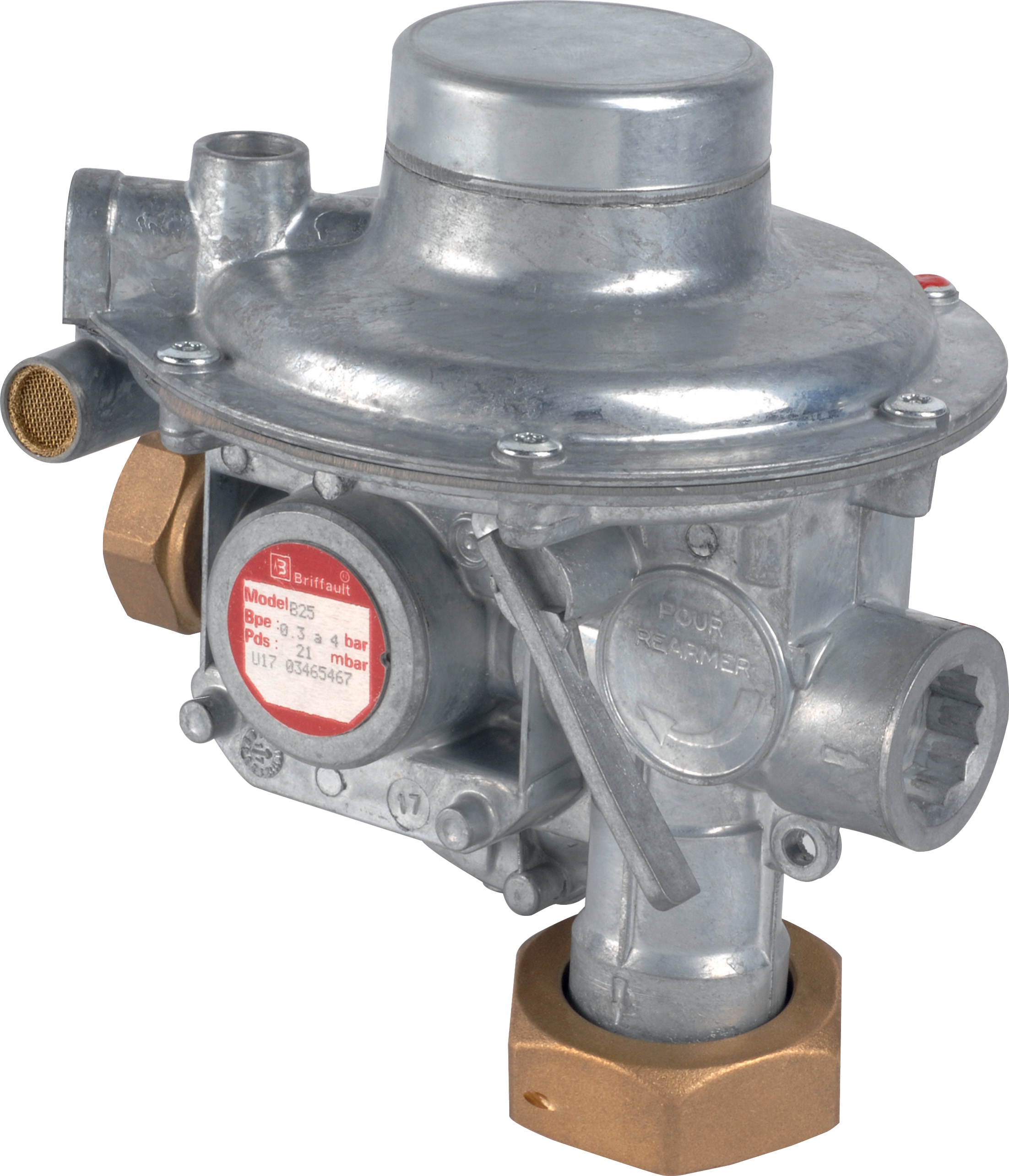
For systems with Francel B25/37mb pressure regulators with integrated safety relief, hydrostatic testing confirms the safety relief mechanism doesn't weep during normal operation.
Pneumatic Pressure Testing (Gas Systems)
For systems that cannot be water-tested, pneumatic testing using inert gas (nitrogen only—never air or oxygen) is mandatory:
Critical safety requirements:
- Maximum initial pressure: 1.0 bar (100 kPa)
- Increase in steps of 0.5 bar maximum
- All personnel must stand behind protective barriers
- No one should be directly in line with test connections
- Use pressure regulators and rupture discs to prevent over-pressurization
1. Connect nitrogen source with pressure regulator, isolation valve, and rupture disc rated at 1.1× test pressure
2. Open isolation valve slightly to pressurize the system slowly
3. After reaching 0.5 bar, apply soapy water to all joints and listen for hissing
4. Increase pressure in 0.5 bar increments, repeating bubble-check at each step
5. Reach final test pressure (1.5× working pressure) and hold for 10 minutes
6. Mark any joint showing bubbles—these must be repaired or components replaced
7. Depressurize slowly and document results
Leak Detection and Safety Relief Validation
Advanced Leak Detection Methods
Visual bubble testing works for larger leaks, but modern facilities increasingly employ electronic methods:
Ultrasonic leak detection:
- Identifies high-frequency sounds (38–42 kHz) produced by gas leaks
- Detects leaks smaller than 1 mm that visual methods miss
- Particularly effective in noisy plant environments
- Requires trained operator and certified instrument calibration
- Detects temperature changes caused by expanding gas at leak points
- Useful for identifying small leaks in buried or insulated piping
- Requires dark or controlled lighting conditions
- Most effective in cooler climates typical of early morning hours
- Nitrogen-purged system is filled with helium mixture
- Mass spectrometer detector identifies helium leakage
- Sensitivity down to 10⁻⁶ mbar·l/s—detects extremely small leaks
- Required for critical medical gas systems and some industrial applications
Safety Relief Valve Testing
Safety relief valves protect against over-pressure by venting excess gas. Testing confirms they function at specified setpoints:
Bench testing (manufacturer verification):
- Relief valve is removed and mounted on dedicated test stand
- System is pressurized slowly while recording opening pressure
- Valve must open within ±5% of nameplate setpoint
- Flow capacity is verified by monitoring vent rate
- Component is tagged with test date and results
For Francel B25/37mb regulators featuring integrated safety relief, bench testing verifies the 37 mbar outlet pressure regulation and safety relief function independently:
1. Set regulator outlet to zero flow condition
2. Slowly increase inlet pressure while monitoring outlet pressure gauge
3. Confirm outlet stabilizes at 37 ±3 mbar
4. Block outlet line and continue increasing inlet pressure
5. Observe when relief vent activates—should occur at approximately 50 mbar inlet
6. Document relief opening pressure and vent capacity
In-situ testing (field validation):
- Isolate relief valve from system
- Connect isolated test gauge at outlet
- Increase system pressure gradually
- Record pressure at which relief begins venting
- Verify vent discharge is directed safely away from personnel
Compliance Documentation and Regulatory Requirements
Southeast Asian Standards Overview
Understanding local requirements prevents costly rework and regulatory fines:
Singapore (Building and Construction Authority):
- PED compliance for pressure equipment >0.5 L and >25 bar
- EN 161 standard for gas safety devices
- Pressure Safety Integrity Level (SIL) requirements for automatic shut-off devices
- Annual inspection and certification mandatory for commercial gas systems
- Pressure Equipment and Systems Regulation 1997 applies
- Competent person certification required for pressure system maintenance
- Local adoption of ISO 4414 (pneumatic fluid power systems) increasingly enforced
- Documentation retention: minimum 5 years for pressure test records
- National safety standards reference BS 1600 and ISO equivalents
- Factory Inspection Division conducts unannounced audits
- Gas system modifications require pre-approval from certified consultants
- Test certificates must be in Thai language or certified translation
- SNI (Standar Nasional Indonesia) standards increasingly adopted
- Competent engineer sign-off required for systems >100 kW
- Pressure vessel design must comply with PED or equivalent
- Test reports must reference specific SNI or international standard used
Essential Documentation Requirements
Regulatory inspectors focus on completeness and traceability of records:
Pressure test certificates must include:
- Facility name, location, and permit/license number
- System description (gas type, maximum working pressure, volume)
- Test date, start time, and completion time
- Tester name and credential number (license/certification)
- Test method used (hydrostatic, pneumatic, other)
- Test pressure applied and duration held
- Gauge serial numbers and last calibration dates
- Any leaks detected and remedial action taken
- Photographs of test setup and gauge readings
- Inspector signature with date and stamp
- Relief device manufacturer, model, and serial number
- Setpoint before testing (nameplate specification)
- Measured opening pressure (with tolerance range)
- Date tested and next scheduled test date
- Flow capacity verification results
- Corrective actions if out-of-tolerance
- Technician certification and signature
Creating Compliant Records Management Systems
Electronic systems streamline compliance tracking:
- Cloud-based logging: Store test certificates with automatic expiration alerts
- Mobile inspection apps: Capture photos and gauge readings in real-time at the facility
- Automated reporting: Generate compliance summaries for regulatory submissions
- Audit trails: Track who accessed records and when—critical for regulatory defense
- Multi-language support: Essential for facilities with Southeast Asian regulatory exposure
3G Electric's 35+ years of regional experience has shown that facilities maintaining digital backup records alongside paper certificates pass regulatory audits 3–4 times faster than those relying solely on paper systems.
Maintenance Intervals and Retest Schedules
Risk-Based Testing Frequency
Regulatory requirements vary by system criticality:
Critical systems (medical gas, emergency shutdown, safety-rated control):
- Full pressure test: every 12 months
- Safety relief validation: every 12 months
- Leak detection survey: every 6 months
- Visual inspection: monthly
- Full pressure test: every 24 months or per manufacturer recommendation
- Safety relief validation: every 24 months
- Leak detection survey: annually
- Visual inspection: quarterly
- Full pressure test: every 36 months
- Leak detection survey: every 24 months
- Visual inspection: semi-annually
Scheduled Maintenance Intervals for Valve Components
Preventive replacement extends system reliability between major overhauls:
- Pressure gauge replacement: 24 months (or after observing needle sticking)
- Diaphragm/seal kit replacement: 36 months or after major pressure transients
- Filter element cleaning: Monthly for high-particle environments, quarterly standard
- Safety relief recalibration: 24 months or after relief actuation event
- Isolation valve exercising: Quarterly—operate valves to prevent stuck seats
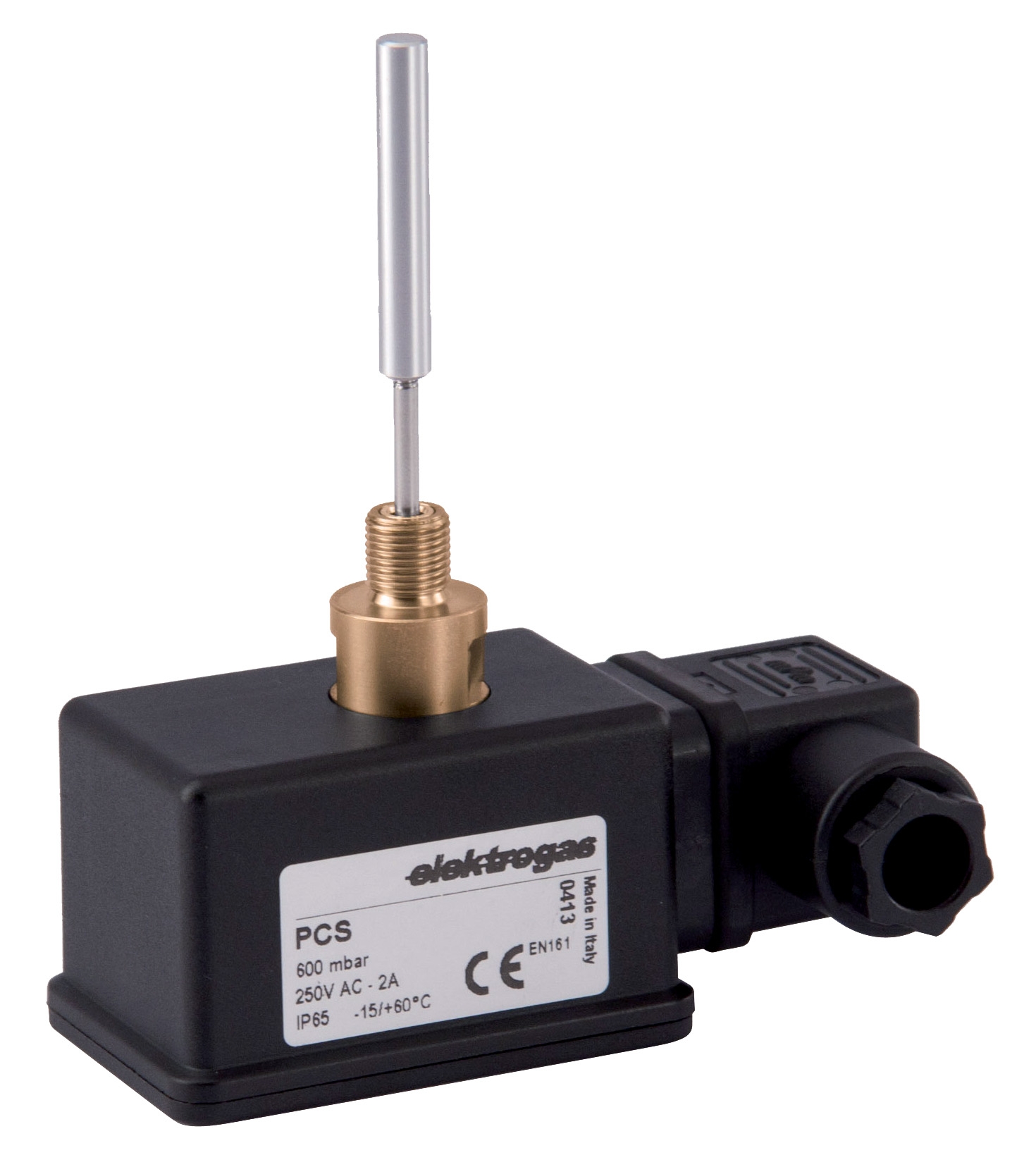
For facilities using Elektrogas VMM 20-25 end-of-stroke contact valves rated for 6 bar, the 3 mm Allen wrench adjustment mechanism should be inspected for corrosion every 12 months and exercised quarterly to prevent mechanical sticking.
Practical Implementation Checklist
Use this checklist before your next compliance audit:
- ☐ All pressure gauges calibrated within past 12 months with certificates on file
- ☐ Safety relief setpoints verified within past 24 months with documented proof
- ☐ Complete pressure test performed within regulatory timeframe (12–36 months depending on system type)
- ☐ All test certificates include tester credentials, test method, and pressure duration
- ☐ Facility maintains list of all gas control system components with serial numbers
- ☐ Digital and paper backup of all compliance records stored securely
- ☐ Maintenance log shows monthly visual inspections with no critical defects outstanding
- ☐ All personnel performing testing hold current competent person certification
- ☐ Safety relief vents discharge to safe locations away from occupied areas
- ☐ Isolation valves exercised quarterly with results logged
By systematizing safety testing and compliance procedures, Southeast Asian industrial professionals eliminate the uncertainty surrounding regulatory audits and significantly reduce the risk of gas-related incidents.