Gas Valves & Regulation: Material Compatibility and Certification Standards for Singapore Industrial Applications
Procurement engineers in Singapore face increasingly stringent requirements for gas valve selection, driven by the republic's adoption of EN (European Norm) standards and strict workplace safety regulations. With over 35 years of industrial equipment distribution experience, 3G Electric understands that material compatibility and certification compliance form the foundation of reliable gas distribution systems. This article compares key gas valve designs based on their material construction, pressure ratings, and adherence to international safety standards—critical factors that directly impact installation timelines, maintenance costs, and regulatory approval processes.
The choice between different gas valve technologies extends beyond pressure ratings alone. Procurement engineers must evaluate whether a system's material composition supports the specific gases in their facility, whether valve bodies resist corrosion in Singapore's humid tropical environment, and whether certification documentation satisfies local fire code inspectors and workplace safety officers. This comparison focuses on practical material and standards considerations that influence procurement decisions in laboratory, industrial, and HVAC applications across the region.
Pressure Relief Valves with Integrated Safety vs. End-of-Stroke Contact Designs: Material and Compliance Comparison
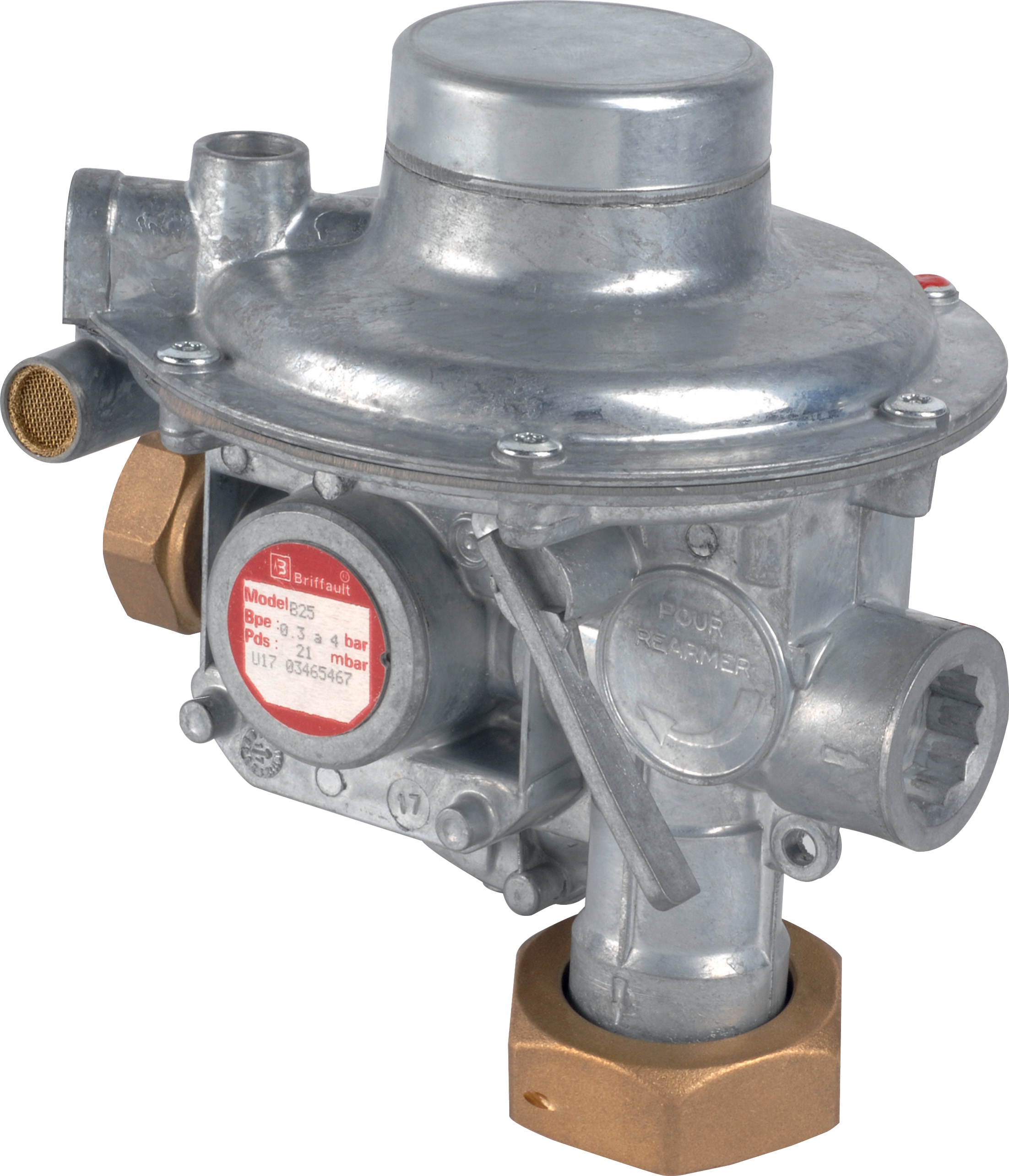
The Francel B25/37mb pressure regulator represents a common choice for laboratory and industrial gas distribution because its integrated safety relief design eliminates the need for separate downstream protection. The B25/37mb delivers 37 mbar outlet pressure with a 10 mm vent size, making it ideal for applications where space constraints or standardized pressure requirements drive procurement decisions.
From a material perspective, integrated safety relief designs typically feature:
- Brass or aluminum body construction: Resistant to corrosion in humid environments; however, brass valve bodies require periodic inspection for dezincification in acidic gas streams
- Stainless steel internals: Critical for systems handling corrosive gases (chlorine, hydrogen sulfide) common in Singapore's petrochemical and water treatment sectors
- EPDM or PTFE sealing materials: Standard across most regulators; PTFE preferred for oxygen and halogenated gas applications
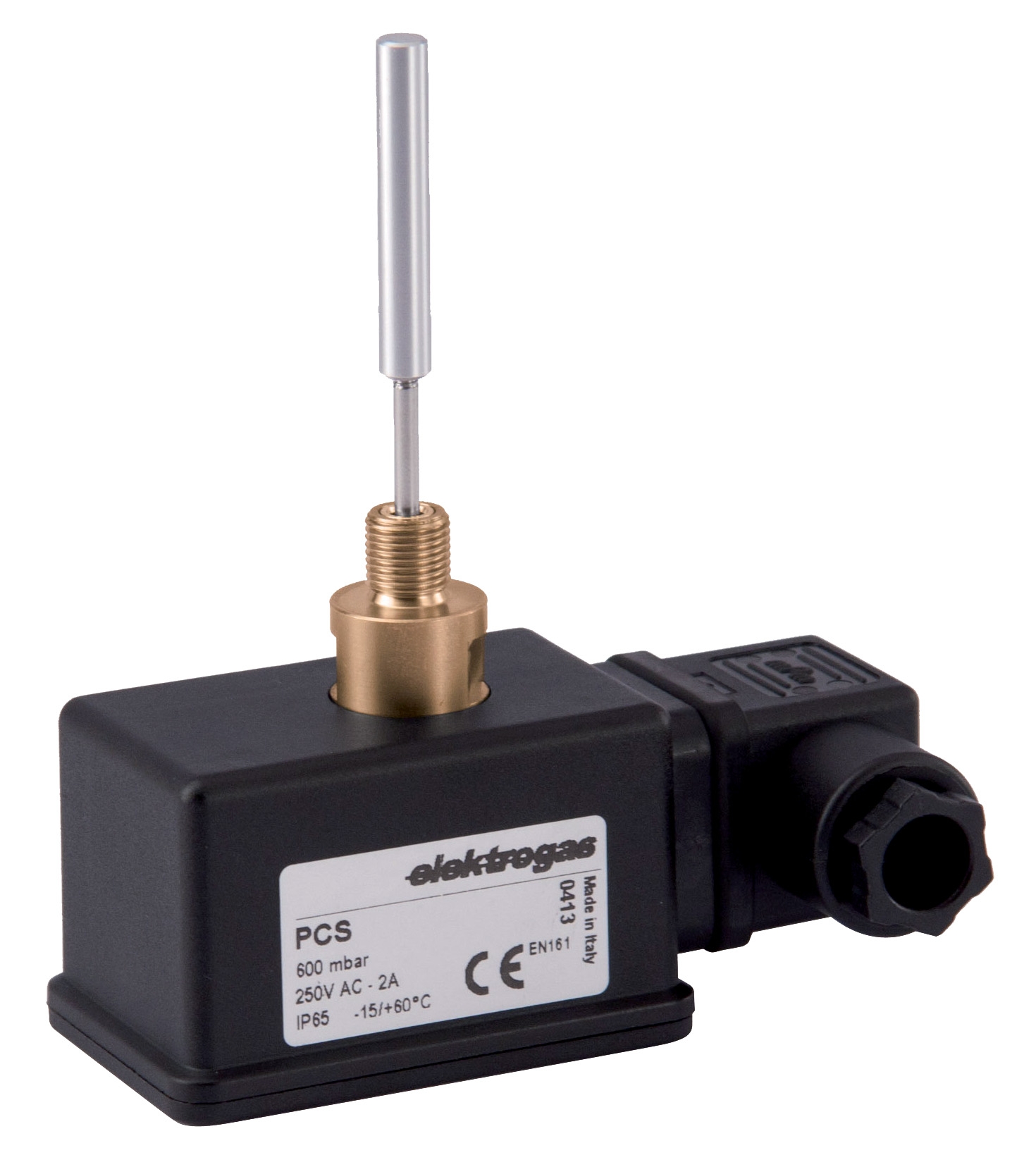
In contrast, the Elektrogas VMM 20-25 end-of-stroke contact valve operates at 6 bar pressure and follows EN 161 design standards. End-of-stroke designs prioritize pneumatic control feedback rather than pressure stabilization, making them suitable for applications where gas flow initiation requires precise timing and position sensing.
The VMM 20-25 material advantages include:
- Compact manifold design: Reduces installation footprint in confined industrial spaces
- EN 161 certification: Ensures compliance with Singapore workplace safety requirements and professional installer expectations
- Ductile iron or aluminum body: Suitable for pilot gas streams (typically lower pressure, lower contamination than main process gas)
- Simple 3 mm Allen wrench adjustment: Minimizes field maintenance complexity and training requirements
Pressure Rating Selection and Material Trade-offs for High-Pressure Systems
Singapore's industrial sector increasingly handles gases at moderate to high pressures—acetylene delivery systems (15 bar typical), oxygen regulation (up to 50 bar), and natural gas distribution (7–10 bar). Material selection directly influences safe working pressure and lifecycle costs.
For procurement engineers comparing regulator options:
Low-Pressure Systems (Under 10 bar)
- Aluminum or brass bodies acceptable; cost-effective for laboratory environments
- Minimal fatigue concerns; 5–10 year service life typical
- Suitable for Francel B25/37mb applications in gas blending stations
- Ductile iron or aluminum bodies required; higher material cost (15–25% premium)
- Sealing material becomes critical (PTFE preferred over EPDM for extended service)
- Inspection intervals: every 2 years recommended in humid tropical climates
- Forged steel or stainless steel bodies mandatory
- Material cost increases 40–60% compared to aluminum designs
- EN 764 pressure equipment directive compliance required; local PE certification typically necessary
- Annual hydrostatic re-certification mandatory in Singapore
The Elektrogas VMM 20-25, rated for 6 bar, falls into the low-to-moderate category, making it suitable for pilot gas applications where material costs and certification overhead should remain minimal. However, if applications require monitoring or feedback at higher pressures, procurement engineers should factor in the cost of additional pressure reduction stages upstream.
Practical Material Compatibility Assessment for Singapore's Industrial Environment
Singapore's tropical climate—high humidity, salt spray in coastal industrial zones, and rapid temperature fluctuations—accelerates corrosion in gas valve systems. Procurement decisions should account for environmental durability as a direct cost factor.
Material Selection by Gas Type and Environment:
| Gas Stream | Recommended Body Material | Typical Pressure | Compliance Standard | Service Life (Singapore Climate) |
|---|---|---|---|---|
| Inert gases (argon, nitrogen) | Aluminum, brass | 10–40 bar | ISO 2944 | 7–10 years |
| Oxidizing gases (oxygen, chlorine) | Stainless steel 316L | 10–50 bar | EN 1011, DNV 2.7-1 | 5–8 years |
| Corrosive gases (HCl, SO₂) | Hastelloy or duplex steel | 5–25 bar | ASME B16.34 | 3–5 years |
| Hydrocarbon gases (LPG, propane) | Ductile iron, brass | 5–10 bar | EN 12098-5 | 8–12 years |
| Pilot/lab applications | Aluminum, PTFE internals | Under 10 bar | EN 161 (for control) | 6–10 years |
The Francel B25/37mb, commonly constructed with brass bodies and EPDM seals, suits nitrogen and argon applications well but requires monitoring if handling trace acidic components. The Elektrogas VMM 20-25, designed as a control valve per EN 161, uses materials optimized for pilot gas streams—typically dry nitrogen or air—and should not be exposed to condensing moisture or reactive gases without additional filtration.
Certification Pathways and Documentation Requirements for Singapore Procurement
Regulatory approval in Singapore involves multiple stakeholders: Workplace Safety and Health (WSH) inspectors, local fire departments, and pressure equipment certifiers. Material compatibility documentation directly impacts approval timelines.
Key Certification Requirements:
1. Pressure Equipment Directive (PED) Compliance: Valves above 0.5 liters and 25 bar × 10⁻⁶ m³ require CE marking and technical file documentation. Procurement engineers should request Material Test Certificates (MTCs) for all pressure-containing bodies.
2. EN Standards Alignment:
- Elektrogas VMM 20-25 explicitly references EN 161, confirming compliance with safety control valve standards
- Francel regulators typically follow EN 560 (cylinder regulators) or EN 12098 (gas controls)
- Material certs often follow EN 10204 (3.1 format for castings, forgings)
3. Singapore Fire Code (SFPC) Requirements: Gas systems must demonstrate compliance with NFPA 54 or equivalent. Material selection impacts fire rating assessments—stainless steel bodies score higher in fire safety reviews than aluminum.
4. Documentation Timeline Impact: Systems with complete material certs and certification bundles typically gain approval 4–6 weeks faster than those requiring on-site material verification. Procurement cost savings in reduced inspection labor often exceed the material cost premium for certified alternatives.
Cost-of-Ownership Framework: Material and Compliance as Long-Term Factors
For procurement engineers evaluating total cost of ownership (TCO) over 5–10 years, material selection and certification compliance represent hidden leverage points:
Integrated Relief Valve (Francel B25/37mb) TCO Model:
- Initial purchase: ~SGD 280–380
- Certification/approval: 2–4 weeks labor, ~SGD 150–250
- Annual inspection (simplified): ~SGD 80–120
- Seal kit replacement (5-year cycle): ~SGD 60–100
- 5-year TCO: ~SGD 1,100–1,500
- Initial purchase: ~SGD 180–280
- Certification/approval: 1–2 weeks labor, ~SGD 80–150
- Annual functional testing: ~SGD 40–70
- Seal kit replacement (7-year cycle): ~SGD 50–80
- 5-year TCO: ~SGD 600–850
The cost advantage of the control valve design reflects simpler material requirements and less rigorous certification pathways. However, if the application genuinely requires integrated pressure relief safety function, the Francel regulator's TCO becomes acceptable because it eliminates downstream relief valve costs (~SGD 200–400).
Procurement engineers in Singapore should structure RFQs to request: (1) material certification documents, (2) compliance pathway timelines, (3) spare parts availability through 3G Electric's regional supply network, and (4) field service accessibility for annual inspections. This framework transforms material and standards considerations from compliance checkboxes into strategic cost management tools.