Understanding End-of-Stroke Gas Valves in Industrial Safety Systems
Gas Valves & Regulation systems in modern industrial facilities extend far beyond simple on-off switching. End-of-stroke valves represent a specialized category of gas control equipment designed to interrupt gas supply when mechanical equipment reaches its maximum operational range. Unlike general-purpose regulators, these valves combine pressure tolerance with positional actuation logic—they respond to physical equipment movement rather than manual or electronic commands alone.
In Singapore's manufacturing, food processing, and automotive sectors, end-of-stroke valves serve as passive safety barriers. When a pneumatic cylinder extends to full travel, a mechanical contact trigger—typically a cam or lever—activates the valve's internal closure mechanism. This design ensures gas supply cannot remain open if equipment malfunctions or moves beyond intended limits. For over 35 years, 3G Electric has supplied critical control components to Singapore industrial operators who depend on these fail-safe behaviors to protect personnel and preserve expensive downstream equipment.
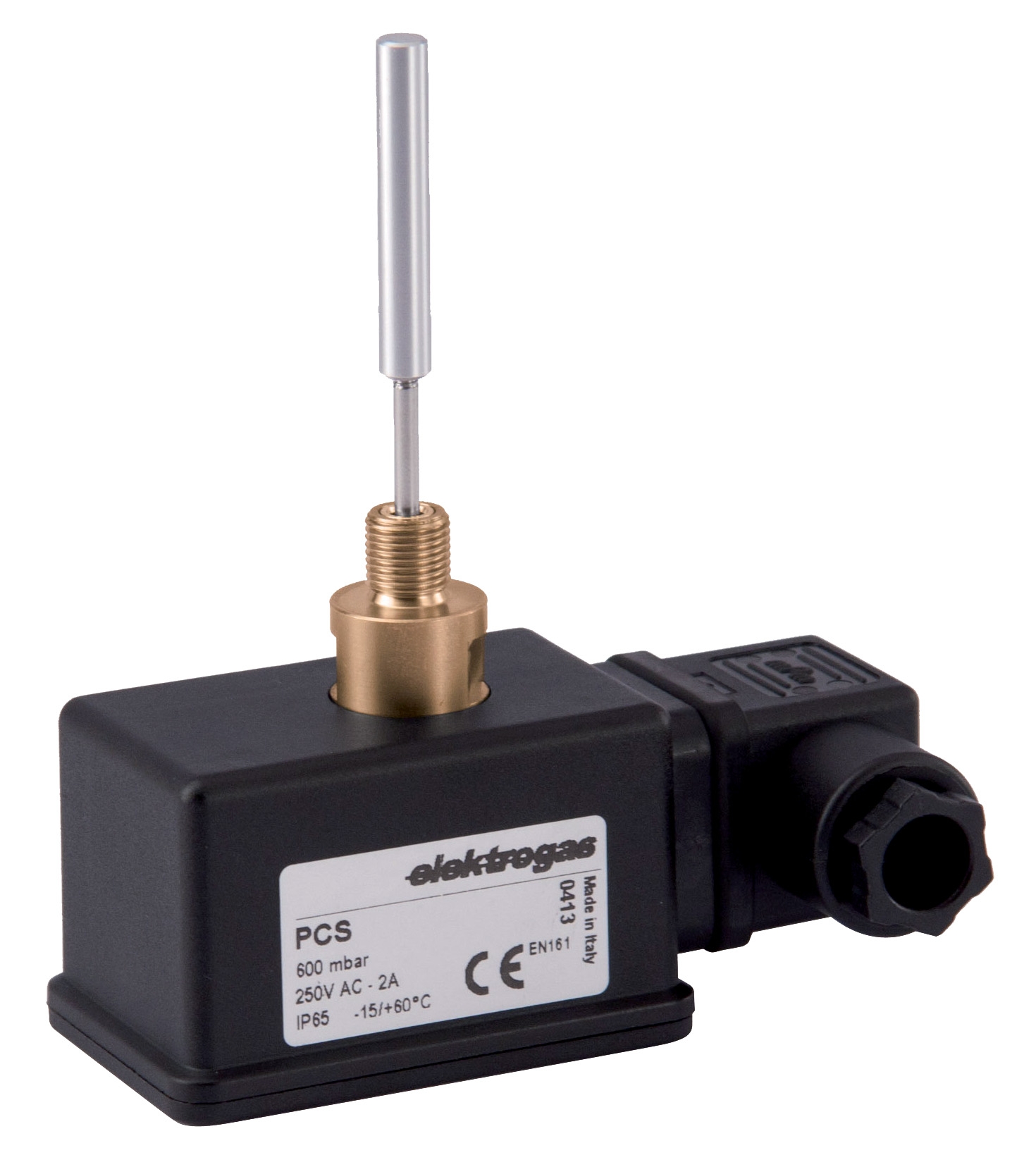
The Elektrogas VMM 20-25 exemplifies this category: a 6 bar rated end-of-stroke contact valve designed to EN 161 standard. Its integrated contact mechanism responds to mechanical actuation without requiring external power sources or complex wiring, making it ideal for production lines where reliability and simplicity matter equally.
Pressure Rating Selection and Equipment Compatibility
Selecting appropriate pressure ratings is fundamental to safe end-of-stroke valve installation. The VMM 20-25's 6 bar design suits most pneumatic production equipment in Singapore industrial settings—compressors typically deliver 7-8 bar of supply pressure, and downstream cylinders operate comfortably within the 6 bar maximum contact rating. However, mismatched pressure specifications create genuine hazards: oversizing a valve for a low-pressure system wastes capital and reduces response sensitivity, while undersizing invites catastrophic seal failure under sustained pressure.
End-of-stroke valve sizing depends on three interconnected factors:
- System Operating Pressure: Measure actual line pressure under full production load, not nominal compressor output. Industrial facilities often experience 10-15% pressure drop across distribution networks due to hose friction and filter restriction.
- Actuator Type and Force Requirements: Hydraulic actuators generating 200+ bar demand heavy-duty valve bodies; pneumatic cylinders at 6 bar require lighter construction. Mixing specifications creates misalignment between actuation force and valve response time.
- Flow Rate Through the Valve: Peak flow demand occurs during rapid cylinder extension or retraction cycles. Undersized valve passages create backpressure that slows equipment response and increases heat generation across the valve seat.
For Singapore operations running 24-hour shift schedules, thermal stability becomes critical. Valves operated continuously near their maximum pressure rating generate internal heat that can degrade elastomer seals within 6-12 months if cooling is inadequate. The Elektrogas VMM 20-25 design accommodates vent sizing and cavity cooling to maintain seal integrity across extended operating cycles.
Mechanical Actuation Design and Field Commissioning
End-of-stroke valves require precise mechanical alignment during commissioning—this step determines whether safety functionality actually engages when needed. The contact mechanism on the VMM 20-25 uses a simple lever or cam interface: as moving equipment reaches travel limit, it physically pushes or pulls this actuator, triggering internal valve closure. If this contact point is misaligned by even 5mm, the valve may remain open after equipment has exceeded safe limits, defeating its primary safety purpose.
Proper commissioning follows this sequence:
1. Verify Mechanical Contact Positioning
Mount the valve directly adjacent to the moving part (cylinder rod, slide table, or rotating member). The contact mechanism must be positioned so that normal equipment operation never accidentally triggers valve closure. Test actuation by hand: the lever should require deliberate, sustained pressure to move—not accidentally bump-activated during routine operation. 3G Electric recommends using aluminum mounting brackets with graduated adjustment slots, allowing field technicians to fine-tune contact position after initial installation without modifying equipment structure.
2. Test Gas Supply Isolation
Once contact is mechanically verified, pressurize the system to 80% of valve rating and manually trigger the contact mechanism. Gas flow should stop immediately—listening for audible closure of internal poppet valves confirms proper operation. If flow continues after contact activation, internal seals may be damaged or foreign debris may be lodged in the valve cavity. This finding requires valve removal and inspection before production start-up.
3. Establish Vent Line Integrity
End-of-stroke valves vent internal cavity pressure to atmosphere when closure occurs. If vent lines become blocked (common in dusty Singapore manufacturing environments), backpressure builds inside the valve and prevents complete seal closure. Inspect vent fittings monthly and install simple mesh screens to exclude dust without restricting airflow. The Elektrogas design incorporates a 10mm minimum vent diameter to ensure rapid cavity depressurization.
4. Document Contact Engagement Force
Adjustable end-of-stroke valves typically require a 3mm Allen wrench (as with the VMM 20-25) to modify internal spring preload. Document the exact number of turns required to achieve reliable contact engagement—this baseline becomes your future reference if field technicians need to recalibrate after valve maintenance. Many Singapore facilities lose this documentation, forcing expensive trial-and-error recalibration that risks equipment damage.
Integration with Pressure Regulators and Safety Relief Systems
End-of-stroke valves rarely operate in isolation. Production equipment typically combines three valve stages: a main pressure regulator (controlling overall system pressure), the end-of-stroke contact valve (managing equipment position safety), and an integrated safety relief valve (protecting against overpressure transients). Understanding how these three components interact prevents common commissioning failures.
Consider a typical application: a packaging line using pneumatic cylinders controlled by solenoid pilot valves. During normal operation, the main regulator maintains 6 bar system pressure. When the cylinder reaches full extension, its end-of-stroke valve contact closes, venting pilot supply to the solenoid valve. The solenoid valve's internal poppet closes, isolating the main pneumatic supply from the cylinder. This two-stage closure provides redundancy—if the solenoid valve sticks open due to contamination, the end-of-stroke valve backup prevents uncontrolled cylinder extension.
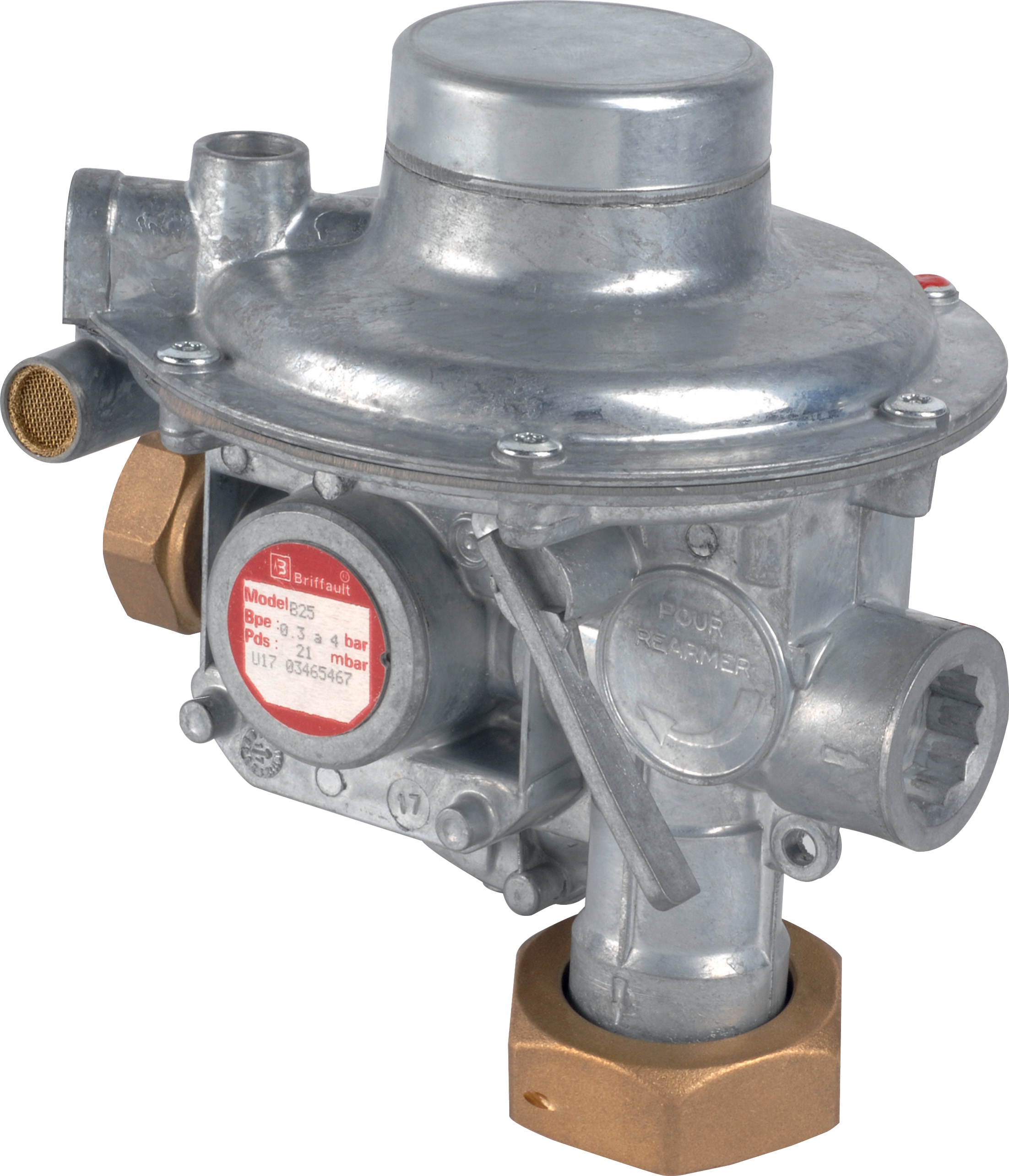
However, if the main pressure regulator lacks adequate safety relief capacity, sudden closure of the end-of-stroke valve creates pressure spikes in the main supply line. Transient pressures can briefly exceed the end-of-stroke valve's 6 bar rating, potentially damaging downstream equipment. Integration with a properly-sized safety relief valve—such as the Francel B25/37mb pressure regulator with integrated safety relief—prevents these transient conditions. The Francel unit's 37 mbar outlet control precision, combined with its integral relief functionality, maintains stable pressure even during rapid valve transitions.
Singapore's tropical humidity adds an additional complexity to this integration. Condensation accumulation in vent lines can freeze internal valve passages during rapid depressurization cycles, especially in non-climate-controlled warehouse areas. Experienced operators install moisture-removing cartridges downstream of main regulators and specify silicone-based lubricants for all valve cavities. These preventive steps reduce emergency shutdowns due to valve freeze-up during high-humidity overnight shifts.
Preventive Maintenance and Field Diagnostics
End-of-stroke valve performance degrades predictably over time, but early detection prevents catastrophic failures. 3G Electric's 35+ years of regional experience shows that most premature valve failures trace to four preventable causes:
Contamination of Valve Internals: Dust, rust particles, and lubricant sludge accumulate inside valve cavities. Weekly inspection of system air filters and replacement every 500 operating hours prevents most contamination. If a valve becomes sluggish (slow to respond to contact actuation), flush it with compressed air while manually cycling the contact mechanism—do not attempt disassembly in the field.
Seal Degradation from Temperature Cycling: Singapore's 28-32°C ambient temperature combined with 24-hour production schedules creates significant thermal stress. Elastomer seals shrink and harden gradually. After 18-24 months of continuous operation, have 3G Electric technicians inspect seal condition during routine maintenance—replacement costs roughly 30% of a new valve and prevents downtime from unexpected failure.
Loss of Mechanical Contact Engagement: Vibration from nearby machinery gradually loosens the contact adjustment mechanism. Monthly visual inspection—simply checking that the lever moves freely and returns to its neutral position—catches this problem before it affects safety. Use a calibrated wrench to verify that the 3mm adjustment screw has not backed out more than one full turn from its reference mark.
Vent Line Blockage: Restricted vent lines represent the most common preventable failure in Singapore facilities. Use a simple shop-air test: disconnect the vent line and briefly pressurize it at 2 bar. Airflow should exit with audible force—if it trickles weakly, the line requires cleaning. Install clear plastic vent lines (not opaque) so technicians can visually detect accumulation of liquid droplets that indicate separator cartridge exhaustion.
Regular maintenance records also provide invaluable data. Document the date when each valve received seal inspection, note any signs of sluggish response, and record when vent lines were last cleaned. After 2-3 years, this data reveals which facilities operate aggressively and may need more frequent maintenance cycles.
Practical Selection Criteria for Singapore Industrial Applications
Choosing between end-of-stroke valve designs requires evaluating three practical constraints specific to Singapore operations:
Equipment Duty Cycle: Food processing facilities running 16-hour shifts at moderate duty require different valve specifications than automotive assembly plants running 24 hours with aggressive pneumatic actuation. Higher duty cycles demand valves with larger cavity volumes and enhanced cooling—the Elektrogas VMM 20-25's generous internal design suits both scenarios effectively.
Environmental Exposure: Facilities near coastal areas face salt-air corrosion; those in industrial estates with chemical manufacturing nearby contend with atmospheric contamination. Stainless steel valve bodies offer superior longevity despite higher initial cost. Standard carbon steel valves, if exposed to corrosive atmosphere, can develop internal rust within 12-18 months, restricting poppet movement and causing erratic closure timing.
Spare Parts Availability: Equipment downtime costs far exceed component replacement. Partner with suppliers—like 3G Electric—who stock replacement seal kits and service parts locally rather than requiring 3-4 week international shipping. Having two spare VMM 20-25 contact mechanisms in facility storage costs roughly SGD 400 but prevents 8-hour production stoppages while waiting for international delivery.
Singapore's competitive manufacturing environment demands that equipment perform reliably with minimal unplanned maintenance. End-of-stroke gas valves, properly specified and commissioned, provide exactly this reliability. They transform pneumatic systems from simple on-off equipment into intelligent safety devices that protect both personnel and expensive downstream machinery. When paired with quality pressure regulators like the Francel units, and integrated into comprehensive preventive maintenance schedules, these valves become virtually invisible—they simply work, every shift, every day, for years.