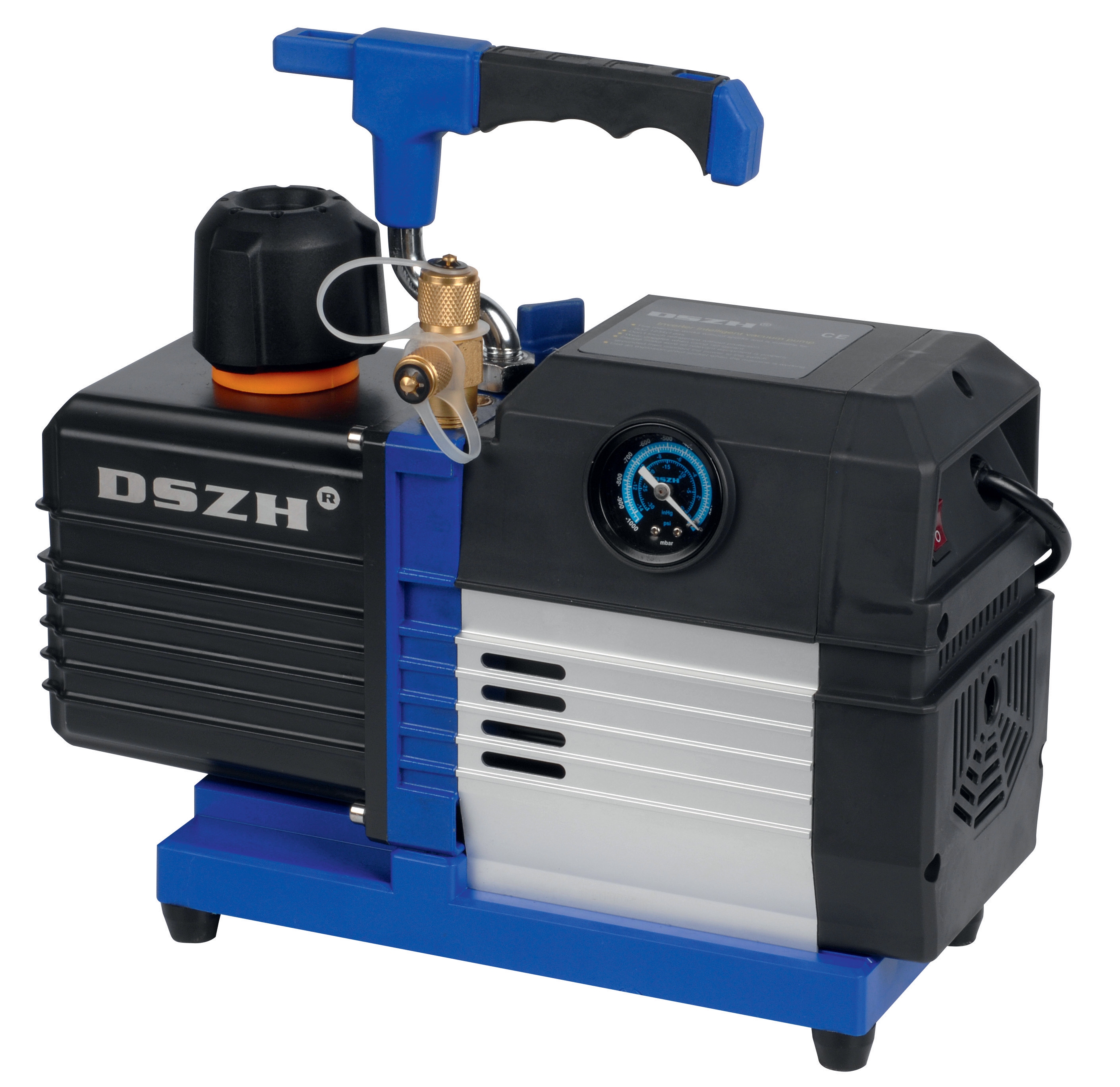
Vacuum Pump Selection for HVAC/R Systems in Global Industrial Applications: A Technical Guide
Selecting the correct vacuum pump is one of the most critical decisions maintenance teams face when commissioning, servicing, or repairing heating, ventilation, air conditioning, and refrigeration (HVAC/R) systems. Whether you're working in Southeast Asia's humid climate, Europe's varied industrial landscape, or any global market, evacuation efficiency directly impacts system performance, longevity, and compliance with environmental standards. This technical guide walks through the essential specifications, application-specific requirements, and practical selection criteria that will help your team choose a vacuum pump that delivers reliable performance while minimizing downtime and operational costs.
Understanding Vacuum Pump Fundamentals for HVAC/R Applications
A vacuum pump serves a single but critical purpose in HVAC/R work: removing non-condensable gases and moisture from refrigeration circuits before they are charged with refrigerant. This evacuation process—often called "pulling a vacuum"—is non-negotiable for system reliability. Moisture and air left in a system cause oxidation, acid formation, compressor failure, and reduced cooling efficiency. The EPA and most regional refrigerant handling standards mandate vacuum levels of 500 microns or lower before charging, making proper evacuation equipment essential for compliance.
Vacuum pump performance is measured primarily in flow rate (liters per minute or L/min) and ultimate vacuum (the lowest pressure the pump can achieve, typically expressed in microns). For HVAC/R applications, flow rate matters most: a pump with 71 L/min will evacuate a system roughly twice as fast as a 35 L/min pump, translating directly to reduced labor hours and faster system turnaround. However, flow rate alone doesn't tell the whole story. You must also consider pump oil capacity, inlet port sizes, and whether the pump is designed for high-moisture environments typical in field work.
Industrial applications across Global markets—from tropical Singapore where humidity is consistently high, to temperate zones with seasonal variation—demand pumps robust enough to handle real-world moisture loads without frequent oil changes or maintenance interventions. A pump specified for laboratory conditions will struggle when field-deployed on systems saturated with moisture from years of micro-leaks.
Critical Technical Specifications and Product Selection
When evaluating vacuum pumps for your operation, focus on three interconnected specifications: flow rate, inlet port configuration, and oil design.
Flow Rate and System Size Matching: The CBM Vacuum Pump 71 L/MIN delivers 71 liters per minute, making it suitable for residential and light commercial HVAC/R systems up to approximately 2–3 tons of refrigerant capacity. This flow rate is the industry sweet spot for field technicians: fast enough to complete evacuation in 30–45 minutes on typical systems, yet efficient enough to maintain proper vacuum quality without overshooting into the ultra-high-vacuum range where pump wear accelerates. In contrast, systems exceeding 5 tons capacity benefit from dual-pump setups or larger single-stage pumps to keep labor time reasonable.
Inlet Port Configuration: The CBM pump features both 1/4" and 3/8" inlet ports, a critical design choice. Field conditions vary: some service trucks use hoses with quick-disconnects in 1/4" size, while larger commercial installations may employ 3/8" piping. Dual-port compatibility eliminates the need for expensive adapters and reduces connection points where leaks can occur. Each additional fitting in the evacuation circuit introduces risk; a direct connection using the correct port size ensures lower system resistance and faster evacuation.
Oil Capacity and Maintenance: The 600 ml oil capacity is generous for a pump in this class. Oil removes moisture from the vacuum circuit—as the pump operates, it absorbs water vapor and acid breakdown products from the refrigerant system. In humid environments like Singapore or tropical regions, systems may have absorbed significant moisture over months of operation. A larger oil capacity extends the period between oil changes, reducing downtime and consumables cost. Standard practice calls for oil changes every 10–15 operating hours or whenever the oil visibly darkens; a 600 ml reservoir typically outlasts a 300 ml equivalent by 50% under equivalent field conditions.
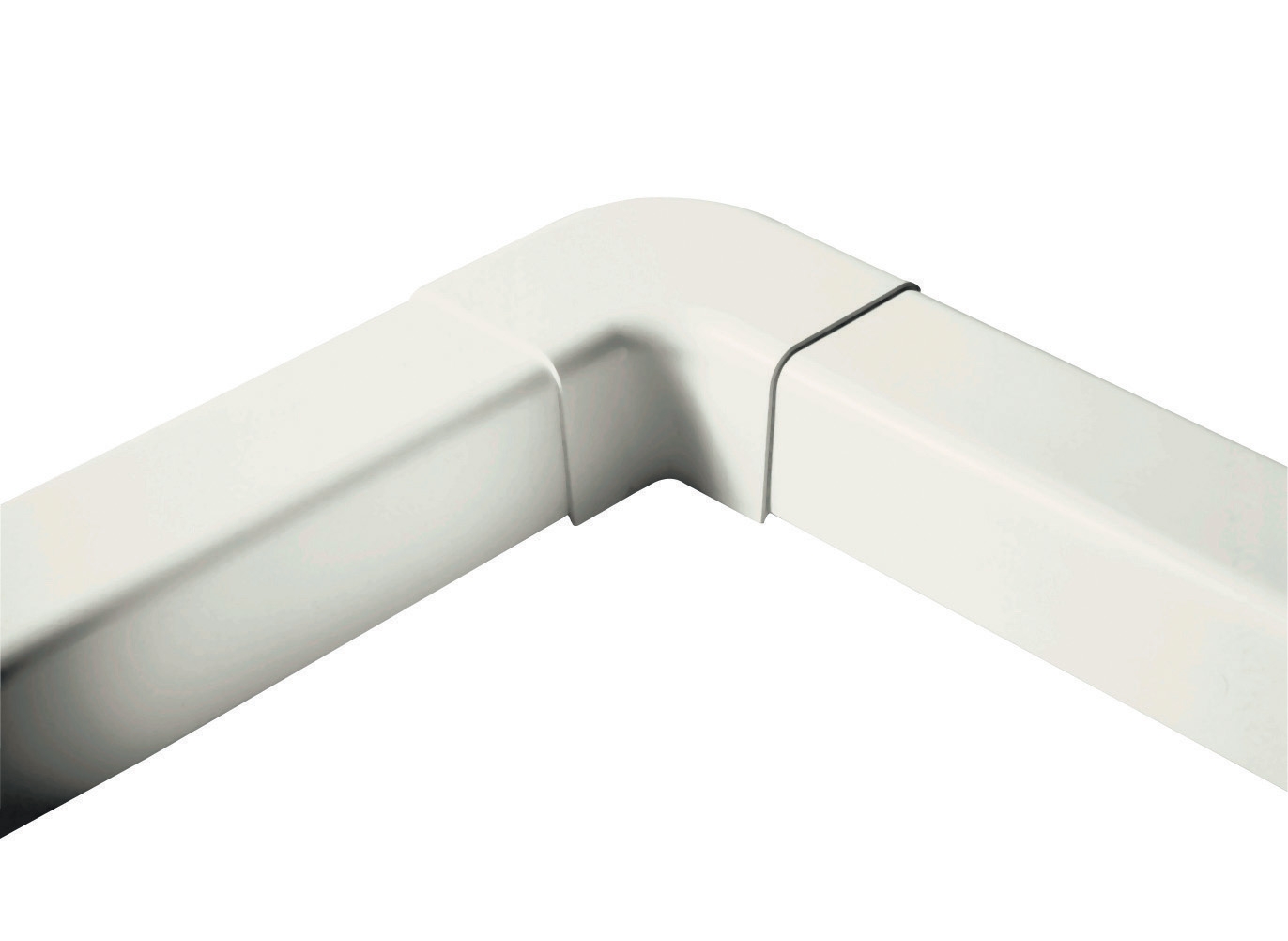
The CBM Flat Elbow 90° 60mm and similar manifold components ensure clean evacuation line routing, minimizing pressure drop and maintaining flow efficiency throughout the system—a detail often overlooked but critical when working with constrained spaces in commercial roof-top units or industrial chiller installations.
Real-World Application Scenarios Across Global Markets
Tropical High-Humidity Environments (Singapore, Southeast Asia): Air conditioning systems in humid climates accumulate moisture aggressively. A technician in Singapore pulling a vacuum on a hotel's 8-ton rooftop condenser that has operated for 18 months with a slow refrigerant leak will encounter significant moisture ingress. The 71 L/min pump, with its 600 ml oil capacity, handles this workload efficiently. The dual inlet ports allow the technician to bypass adapters and connect directly to the service manifold, reducing connection points. Evacuation typically completes in under an hour, and the oil's moisture absorption capacity is sufficient without mid-job oil changes.
Light Industrial Commissioning: When a facility installs new chilled water loops or process cooling systems, the entire circuit—piping, compressor, condenser, evaporator—enters the system dry but not vacuum-ready. New systems still contain mill oils from pipe manufacturing and residual moisture from assembly areas. The CBM pump's intelligent motor design and consistent 71 L/min performance ensure rapid conditioning. Dual inlet ports accommodate both the technician's preferred hose configuration and alternative piping standards, making it adaptable across different equipment manufacturers.
Service Centre Operations: Commercial HVAC contractors operating service centers that handle 4–6 evacuations per day benefit from the pump's reliability and lower maintenance burden. Over a year, reduced oil change frequency and faster evacuation cycles compound into significant labor savings—the 600 ml reservoir directly translates to fewer technician interruptions for maintenance.
Selection Criteria and Best Practices for Maintenance Teams
When selecting a vacuum pump for your organization, apply this framework:
1. Match Flow Rate to Typical System Sizes: If your service area predominantly handles systems under 3 tons, a 71 L/min pump is adequate. Larger facilities should evaluate dual-pump setups or higher-capacity models.
2. Prioritize Inlet Flexibility: Dual-port or threaded inlet designs reduce adapter dependency and connection points where leaks occur. Verify compatibility with your existing service manifolds before purchase.
3. Evaluate Oil Capacity Against Workload: In high-humidity regions or facilities with significant system turnaround, larger oil capacity directly reduces downtime. Calculate typical monthly evacuation volume and oil change frequency to justify reservoir size.
4. Plan for Maintenance Access: Ensure the pump's oil sight glass, drain valve, and filter are easily accessible in your work environment—whether mounted on a service cart, bench, or mobile unit.
5. Verify Compliance Standards: Confirm the pump meets local refrigerant handling regulations for your geographic market. EPA standards in North America, F-Gas regulations in Europe, and local restrictions in Asia-Pacific markets differ.
Integration with System Evacuation Workflows
Vacuum pump selection doesn't exist in isolation—it's part of a complete evacuation system. Proper hose sizing (typically 3/4" or larger for main lines), quality manifold design, and digital micron gauges work together to achieve target vacuum levels reliably. Many technicians pair the CBM Vacuum Pump 71 L/MIN with a digital multimeter or micron gauge to monitor evacuation progress and confirm system readiness for charging. This layered approach—pump, manifold, measurement tools—ensures both speed and accuracy in the field.
For teams deploying HVAC/R equipment across multiple geographic markets, pump standardization simplifies spare parts inventory and technician training. A single pump model used globally reduces complexity and ensures consistent performance whether in Singapore's tropical environment or temperate industrial zones elsewhere.
Closing: Partner with 3G Electric for Expert Guidance
Vacuum pump selection requires balancing performance, reliability, and total cost of ownership—decisions that compound over hundreds of service hours annually. The technical specifications matter, but so does hands-on experience with equipment in your specific climate and application environment. The team at 3G Electric, an experienced industrial equipment distributor serving global customers since 1990, brings two decades of field expertise to pump selection and system integration. Whether you're evaluating flow rate requirements, troubleshooting evacuation challenges, or building a complete service center toolkit, our specialists understand the nuances of HVAC/R systems across regional markets and industry sectors. Contact 3G Electric today to discuss your vacuum pump requirements—we'll help you select equipment that delivers fast, reliable evacuation while keeping your maintenance operations efficient and compliant. Browse our complete HVAC/R pump and component portfolio, or explore measurement and diagnostic tools to complement your evacuation workflow.