Temperature & Pressure Measurement in Industrial Systems: A Maintenance Engineer's Practical Guide
Industrial maintenance teams face a critical challenge: accurately monitoring system performance under varying operational conditions. Whether you're managing HVAC systems, hydraulic circuits, or process equipment, reliable temperature and pressure measurement is non-negotiable for preventing failures and maintaining efficiency. This guide walks you through the practical aspects of measurement instrument selection, installation, calibration, and troubleshooting—with real-world scenarios that maintenance engineers encounter daily across Global industrial facilities. Understanding the relationship between these two parameters and knowing when to use specific tools can significantly reduce downtime and extend equipment lifespan.
The Fundamental Role of Temperature and Pressure Measurement in Industrial Maintenance
Temperature and pressure are interdependent variables in virtually every industrial system. When you measure pressure without understanding the system's temperature, you're missing critical diagnostic information. Similarly, temperature readings without pressure context can lead to incomplete troubleshooting. Together, these measurements provide a complete picture of system health.
In hydraulic systems, for example, pressure fluctuations often correlate directly with temperature changes. A pump operating at elevated temperatures while maintaining normal pressure may indicate viscosity degradation or internal wear. Conversely, sudden pressure drops at normal temperatures might signal seal failure or component damage. Maintenance teams that integrate both measurements into their diagnostic protocols catch problems earlier and make more informed decisions about component replacement versus repair.
The relationship between these parameters also appears in heating systems, refrigeration circuits, and pneumatic equipment. HVAC technicians routinely check both parameters because refrigerant behavior depends on the relationship between saturation temperature and system pressure. Understanding this interdependence transforms maintenance work from reactive (responding to failures) to predictive (identifying degradation before failure occurs).
Modern industrial facilities increasingly expect maintenance teams to move beyond simple go/no-go diagnostics. Stakeholders want trend data, baseline comparisons, and predictive indicators. This shift makes precision measurement instruments essential components of any serious maintenance toolkit. The difference between an amateur approach and professional-grade maintenance often comes down to the quality and consistency of measurement data collected.
Essential Measurement Instruments for Temperature and Pressure Diagnostics
Building an effective measurement toolkit requires understanding which instruments serve which purposes. The core instruments fall into three categories: pressure measurement devices, temperature sensors, and electrical diagnostic tools. Each plays a distinct role in comprehensive system evaluation.
CBM Glycerin Stainless Steel Pressure Gauges represent the foundation of mechanical pressure measurement. The D50 model (0-4 bar range) works excellently for low-pressure systems like air compressors and pneumatic circuits, while larger formats handle higher pressures. Glycerin-filled gauges provide critical advantages over dry gauges: they dampen needle vibration (crucial in pulsating systems), reduce measurement errors from sudden pressure spikes, and extend gauge lifespan by protecting internal mechanisms from shock loads. For maintenance teams, this means more reliable readings and fewer gauge replacements.
Temperature measurement requires a different approach. For point-in-time readings on accessible system components, Type K Thermocouples for infrared thermometers enable non-contact surface temperature measurement. These sensors detect radiant energy, allowing technicians to identify hotspots on equipment without direct contact—critical for rotating machinery, electrical components, or systems operating at extreme temperatures. Type K thermocouples provide the wide temperature range needed for industrial applications, from cryogenic systems to high-temperature process equipment.
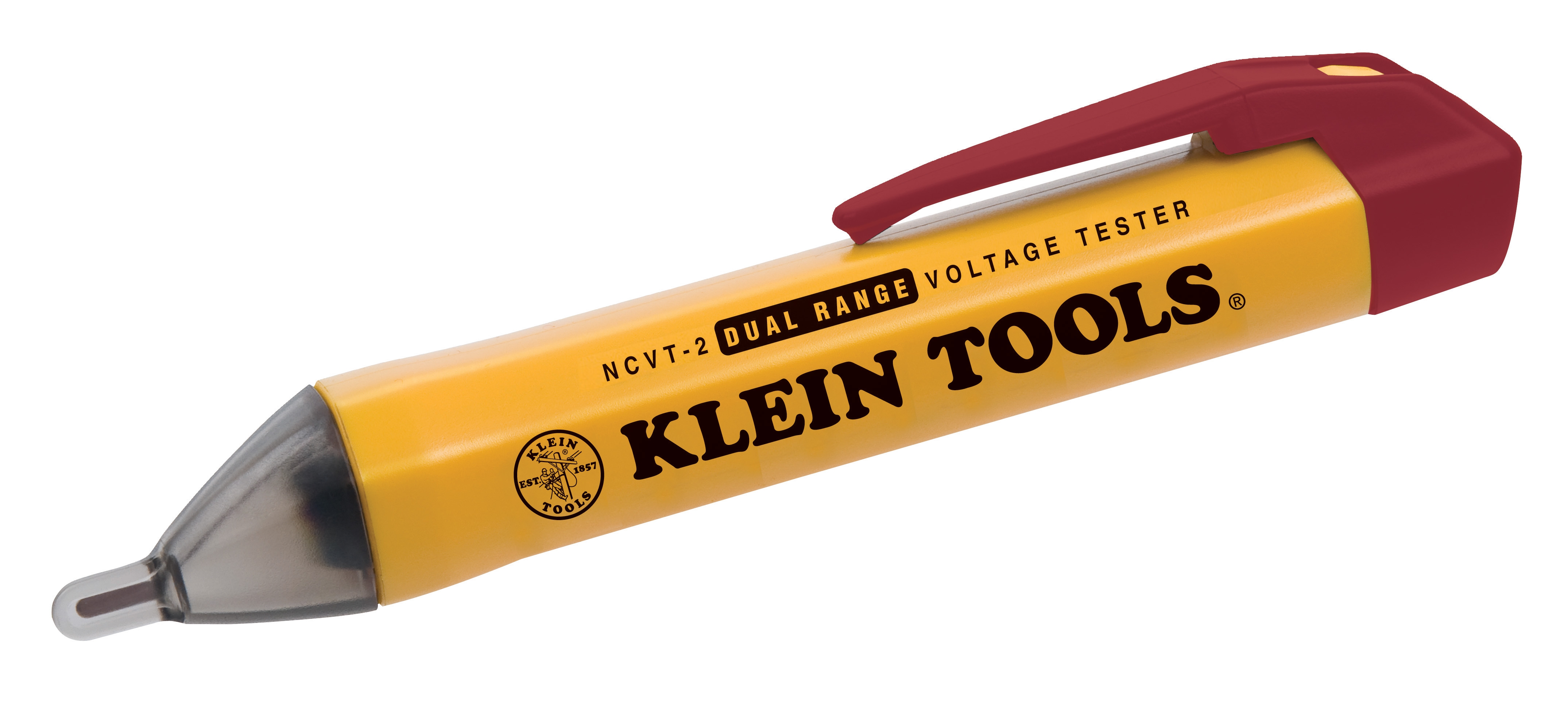
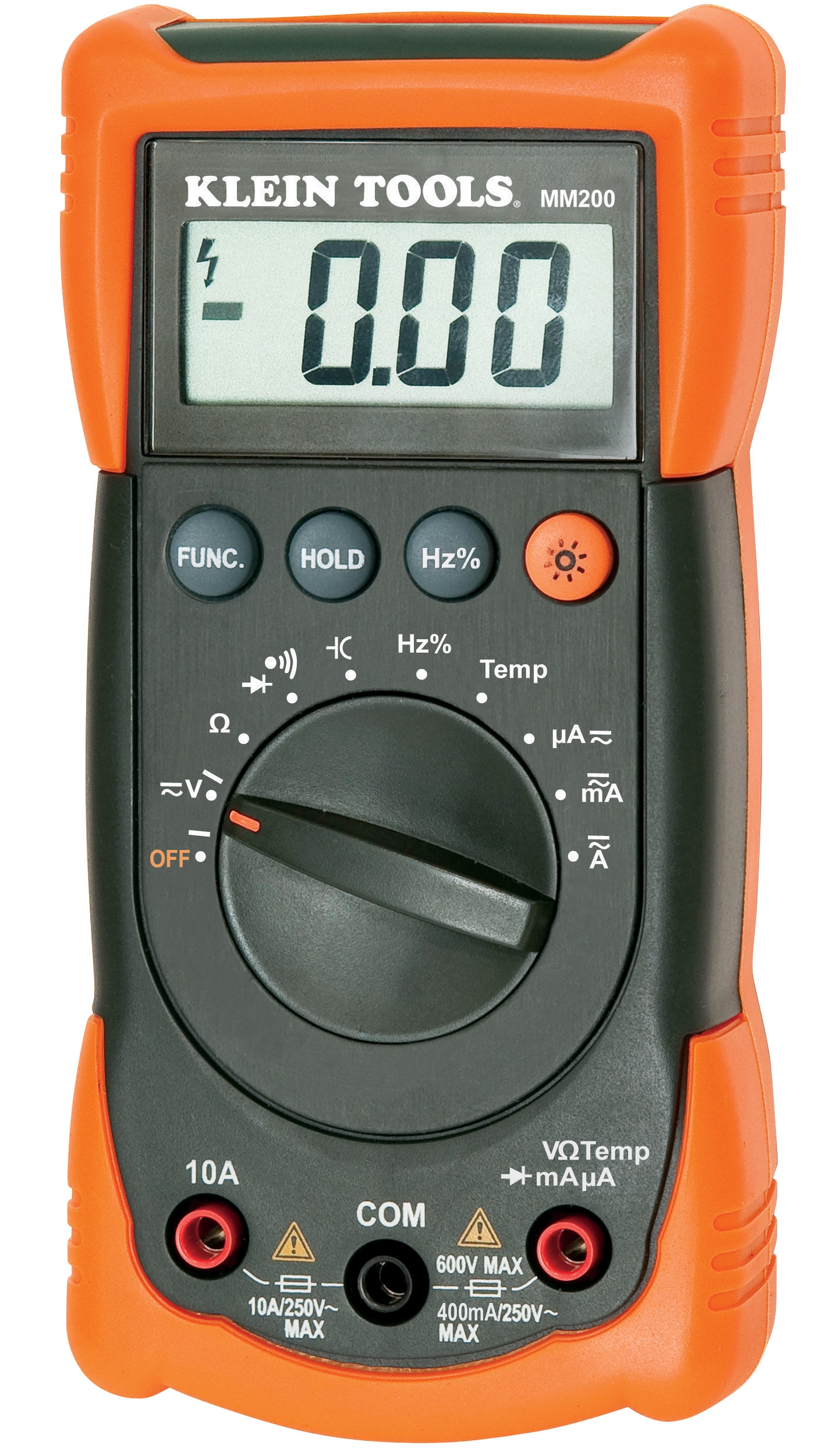
Electrical troubleshooting often accompanies mechanical system diagnosis. The CBM Automatic Multimeter MM420 handles voltage, current, and resistance measurements with automatic range selection—eliminating the guesswork of manual range switching. For maintenance teams diagnosing motor problems, controller failures, or sensor malfunctions, this tool bridges the gap between mechanical and electrical diagnostics. The Non-Contact Voltage Detector provides a quick safety verification tool, confirming the presence or absence of voltage before physical contact with electrical equipment.
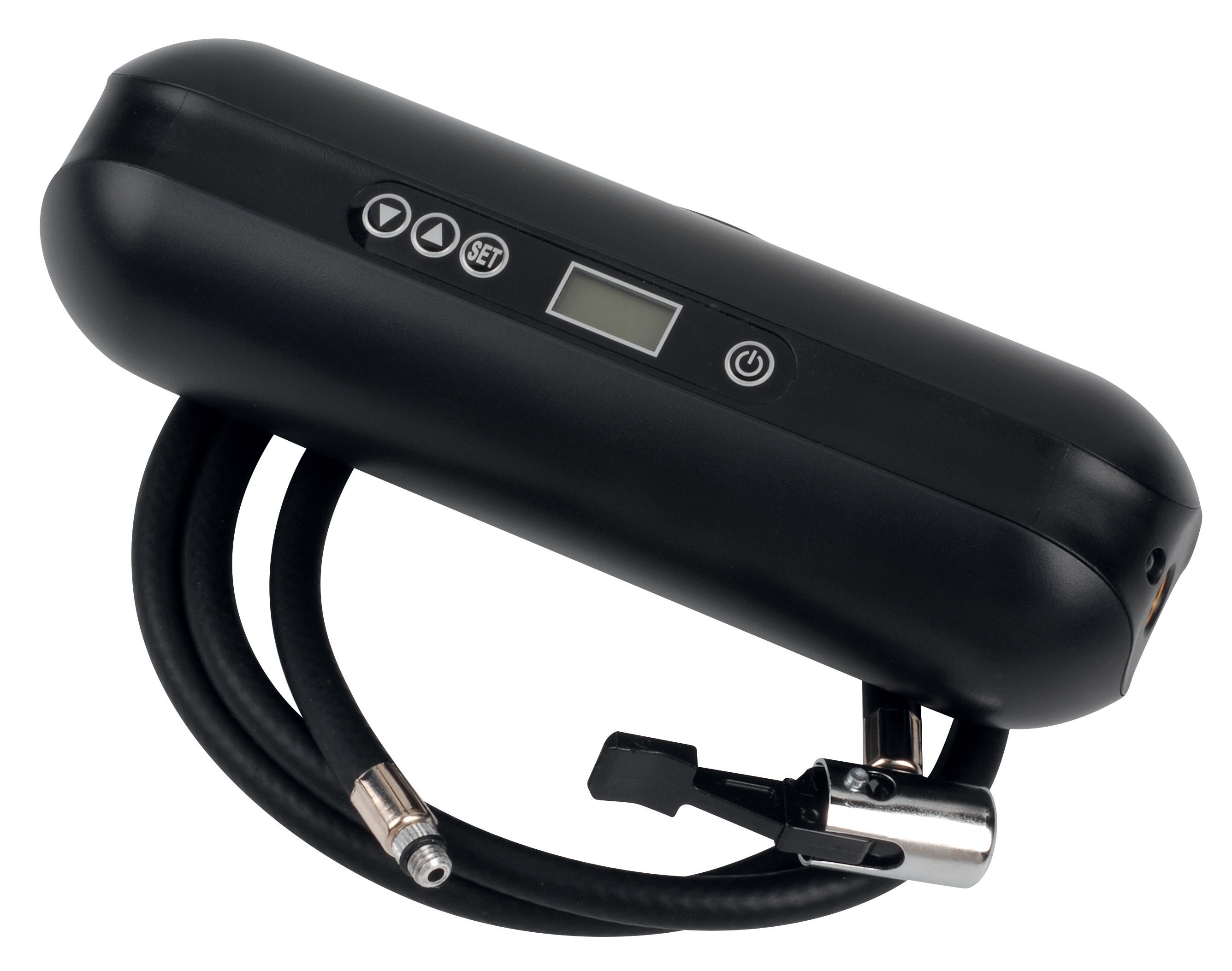
System pressure maintenance itself demands specialized equipment. The Expansion Tank Inflator with 2000 mAH Battery ensures proper pre-charge pressure in expansion tanks—a often-overlooked maintenance task that dramatically affects system efficiency. Digital display accuracy allows technicians to set precise pressures rather than guessing, and automatic shutoff prevents over-pressurization.
Real-World Application Scenarios: When and How to Use These Tools
Scenario 1: HVAC System Commissioning
A new heating system installation requires verification that all components operate within specification. Maintenance engineers use glycerin pressure gauges to measure system pressures at boiler outlet and return lines, confirming proper pump operation. Simultaneously, thermometer readings at key points (supply line, return line, system outlet) validate that the system achieves design temperature differentials. If pressure reads normally but temperature rise falls short, the issue points to flow problems or control valve stiction rather than pump failure. This integrated measurement approach leads to correct diagnosis within minutes rather than hours of trial-and-error troubleshooting.
Scenario 2: Hydraulic System Troubleshooting
A hydraulic press shows declining performance—slower cycle times and reduced clamp force. Rather than immediately replacing the pump (a costly decision), the maintenance team measures both system pressure and fluid temperature. Normal pressure but elevated temperature suggests internal leakage or control valve wear. High pressure with normal temperature points to load increase or mechanical binding. Different diagnoses lead to completely different repair strategies. The measurement data justifies the chosen path and prevents expensive component replacement when adjustment or cleaning would suffice.
Scenario 3: Electrical Fault Diagnosis
A motor control circuit malfunction leaves operators unable to control equipment. The technician uses the automatic multimeter to check voltages at various control points, isolating whether the problem exists in the power supply, control logic, or motor itself. Non-contact voltage detection confirms safety status before manual testing begins. Accurate voltage readings eliminate the need to replace perfectly functional components based on assumptions.
Selection Criteria and Best Practices for Measurement Tools
Selecting appropriate instruments requires matching tool specifications to system requirements. Consider these practical factors:
Range and Resolution: Choose instruments with ranges that match your systems but avoid excessive overlap. A 0-400 bar gauge on a 0-16 bar system provides poor resolution in the working pressure band. Conversely, a 0-4 bar gauge on a high-pressure system offers no safety margin.
Connection Type: Verify that gauge connection threads (G1/4, G1/2) match your system ports. Mismatched connections require adapters that introduce potential leak points.
Environmental Factors: Stainless steel construction resists corrosion in chemical or marine environments. Glycerin filling suits pulsating systems better than dry gauges. Temperature sensor selection depends on whether you need immersion (probe insertion into fluid) or surface contact measurement.
Calibration Records: Professional maintenance programs maintain calibration documentation. Many facilities require instrument recalibration annually or after suspected damage to ensure measurement accuracy for compliance and liability purposes.
Digital vs. Analog: Digital displays offer precise numerical readings and eliminate parallax errors, while analog gauges provide quick visual trending without power requirements. Modern maintenance teams often use both for complementary advantages.
Establish baseline measurements on all critical systems when equipment operates normally. These baselines become your reference point for identifying degradation. Trending pressure and temperature over weeks or months reveals gradual changes that point to developing problems—allowing preventive maintenance before failure occurs.
Integrating Measurement Data Into Maintenance Programs
Collecting measurements means nothing without a systematic approach to interpretation and action. Professional maintenance programs document all readings, track trends, and establish alert thresholds. When a pressure reading deviates from baseline by more than 10%, or temperature exceeds design maximum by 5°C, maintenance protocols activate specific troubleshooting procedures rather than allowing operators to ignore warning signs.
Digital multimeters and voltage detectors provide immediate feedback during electrical diagnostics, while pressure and temperature instruments serve both immediate troubleshooting and long-term trend analysis. This combination—immediate diagnostic capability plus historical data—transforms maintenance from reactive crisis response to planned, predictive intervention.
3G Electric has served Global industries since 1990 with industrial measurement and detection equipment. Our team understands the practical challenges maintenance engineers face when selecting instruments that deliver reliable data in demanding environments. Whether you need pressure gauges for new system installations, temperature sensors for retrofit applications, or complete diagnostic toolkits for your maintenance department, we offer CBM instruments designed for industrial durability and accuracy. Contact our technical team today to discuss your measurement requirements and find the right solutions for your facility's needs.
Additional Resources
Explore our complete Measurement & Detection product collection for pressure gauges, temperature instruments, and diagnostic tools. Visit our Electrical Testing Tools section for multimeters and voltage detectors, or learn more about Pressure Measurement Systems for specialized applications.