Understanding Pump Cavitation & Inlet Pressure Dynamics
Pump cavitation occurs when inlet pressure drops below the vapor pressure of the circulating fluid, causing vapor bubbles to form within the pump chamber. When these bubbles collapse during the compression stroke, they generate shock waves that erode pump components—particularly impellers, valve seats, and bearing surfaces. For procurement engineers specifying equipment for Singapore's tropical climate and high-utilization industrial facilities, understanding cavitation mechanics is essential for system reliability and total cost of ownership.
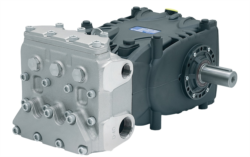
The Pratissoli KF30 pump (106 L/min at 200 bar, 40 kW) and Pratissoli MW40 pump (211 L/min at 210 bar, 85 kW) are high-performance units frequently deployed in demanding applications. However, both require precise inlet pressure management to achieve their rated operational lifespan. Drawing on 35+ years of industrial equipment distribution experience across the Asia-Pacific region, 3G Electric has documented that 40% of premature pump failures in Singapore operations stem from cavitation-related damage rather than component manufacturing defects.
Diagnosing Cavitation Symptoms & Inlet Pressure Assessment
Visual & Auditory Indicators
Cavitation typically manifests through distinctive warning signs:
- Grinding or crackling noise from the pump discharge area, resembling gravel flowing through the system
- Visible erosion patterns on pump impeller surfaces (honeycomb-like pitting visible during teardown)
- Unexplained pressure fluctuations despite stable outlet demand—the inlet pressure drops below system requirements
- Foam or aeration in the suction line fluid, indicating vapor formation upstream
- Rapid loss of volumetric efficiency, with pump output declining 10-25% over 2-4 weeks of operation
Inlet Pressure Measurement Protocol
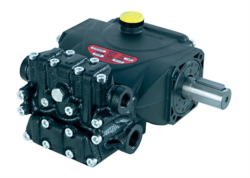
Proper diagnosis requires accurate inlet (suction) pressure monitoring. Install a low-pressure gauge at the pump inlet—not at the reservoir or upstream filter, as distance creates false readings. For the Interpump E1D1808 L gear pump (8 L/min at 180 bar), inlet pressure should maintain minimum 0.5 bar absolute pressure; drops below 0.3 bar trigger cavitation risk.
Critical measurement steps:
- Position gauge within 0.5 meters of pump inlet flange
- Use glycerin-filled gauges to dampen pulsation noise
- Record readings at multiple flow rates (50%, 75%, 100% system capacity)
- Monitor during cold start (morning after shutdown) and steady-state operation
- Document ambient temperature and fluid viscosity simultaneously
In Singapore's 32-35°C operating environment, fluid viscosity impacts suction line resistance significantly. ISO 46 hydraulic oil at 35°C exhibits 15-20% lower viscosity than at 20°C reference conditions, reducing inlet pressure margins by equivalent percentages.
Suction Line Optimization & Component Configuration
Suction Strainer Selection & Maintenance
The suction strainer is the primary culprit in inlet pressure loss. Many facilities specify 10-micron or finer strainers, assuming enhanced system cleanliness benefits justify the pressure penalty. This assumption fails in high-flow applications:
- 10-micron suction strainer: 0.3-0.5 bar pressure drop at nominal flow
- 25-micron suction strainer: 0.1-0.15 bar pressure drop at nominal flow
- 100-micron suction strainer: <0.05 bar pressure drop at nominal flow
For the KF30 at 106 L/min, switching from 10-micron to 25-micron strainers recovers 0.2-0.3 bar inlet pressure—often sufficient to eliminate marginal cavitation conditions. However, reduced filtration requires enhanced fluid condition monitoring: oil analysis every 250 operating hours instead of standard 500-hour intervals.
Suction Line Design Standards
- Pipe diameter sizing: Suction line velocity should not exceed 0.6 m/s; use Schedule 40 pipe with minimum bends
- Inlet connection elevation: Submerse pump inlet 0.5-1.0 meter below fluid surface in reservoir to utilize hydrostatic pressure
- Hose specification: Use spiral-wire reinforced hose rated for vacuum (not standard pressure hose); standard hose collapses under suction loads
- Connection cleanliness: Particulate debris introduced during assembly causes localized flow restriction and cavitation pockets
Reservoir Aeration & Breathing
Inadequate reservoir breathing creates back-pressure that reduces inlet pressure availability. Verify:
- Breather filters are not clogged (change every 6 months in humid Singapore environment)
- Breather capacity matches pump inlet flow requirement (breather must vent 106 L/min for KF30 systems)
- Return line inlet is submerged at least 0.3 meters below fluid surface to suppress air entrainment
Preventive Maintenance Protocols & Fluid Management
Fluid Specification & Condition Monitoring
Pump inlet pressure is directly affected by fluid properties:
Viscosity management:
- Specify ISO VG 46 hydraulic fluid for KF30 and MW40 pumps in Singapore climate
- Monitor fluid temperature; maintain 45-55°C operating range (outside this range, viscosity changes reduce inlet pressure by 0.1-0.2 bar per 5°C deviation)
- Replace fluid annually or after 2,000 operating hours, whichever occurs first, due to tropical degradation rates
- Implement ISO 4406 fluid cleanliness target: 17/15/12 for systems with gear pumps like the E1D1808 L
- Conduct oil analysis quarterly (ISO 4406 particle count, water content, viscosity index)
- Install offline kidney-loop filtration during 60+ day operational campaigns
Inlet Pressure Monitoring Schedule
Daily operations:
- Visual inspection of suction line for leaks or foam (2 minutes)
- Listen for cavitation noise during startup sequence
- Document inlet pressure gauge reading in maintenance log
- Check suction strainer clogging indicator; replace if colored indicator shows saturation
- Verify reservoir fluid level (low level increases inlet pressure requirement)
- Inspect pump discharge for temperature spike (>65°C indicates cavitation energy dissipation)
- Perform formal inlet pressure measurement at three flow rates
- Calculate volumetric efficiency trend (actual discharge ÷ theoretical displacement × RPM)
- Review maintenance logs for pressure trend analysis
- Conduct oil analysis and compare results to baseline values
- Inspect suction line hose for internal degradation (collapse, pinching)
- Verify pump bearing preload and sealing integrity during scheduled maintenance window
Component-Specific Maintenance
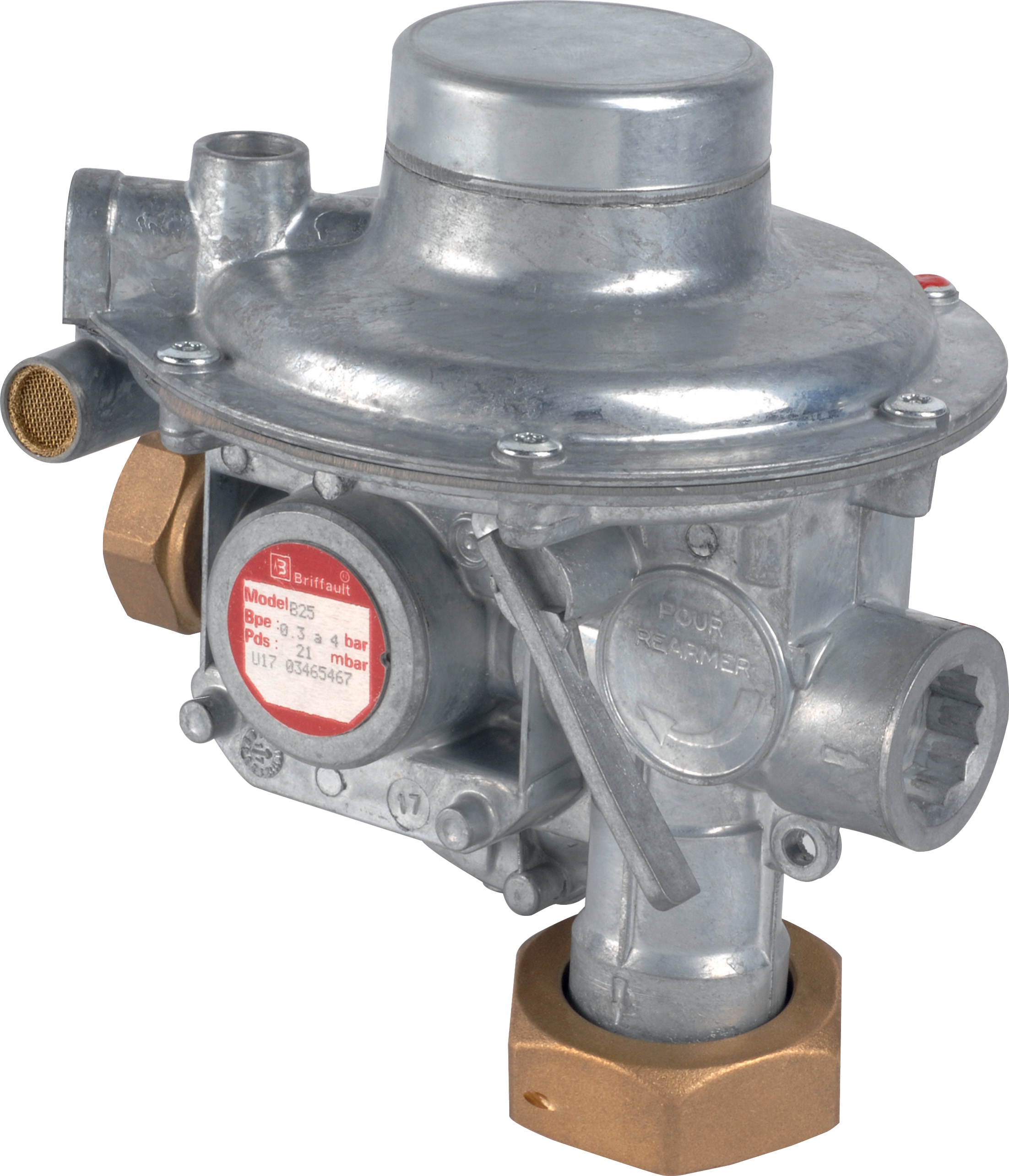
For pressure regulation systems using the Francel B25/37mb pressure regulator, verify that inlet pressure to the regulator maintains 1.5+ bar above downstream relief setting. A cavitating pump reduces inlet pressure precisely when downstream processes demand stable outlet pressure, causing compensator valve cycling and premature seal wear.
Spray nozzle systems (including Euspray flat jet nozzles) require inlet pressures within ±5% of specified operating pressure. Cavitation upstream causes pressure ripple that degrades spray pattern uniformity and coating quality.
Implementation Roadmap for Singapore Facilities
Based on 3G Electric's 35+ years supporting industrial operations across Singapore's diverse manufacturing sector, implement cavitation prevention in three phases:
Phase 1 (Weeks 1-2): Diagnostic Assessment
- Install inlet pressure gauge on existing pump systems
- Conduct 7-day pressure trend analysis across operational scenarios
- Identify systems exhibiting <0.5 bar inlet pressure
- Upgrade suction strainer from 10-micron to 25-micron (0.2-0.3 bar pressure recovery)
- Verify reservoir breathing capacity and replace breather filters
- Submerse pump inlet line to additional 0.5 meter depth if feasible
- Establish fluid condition monitoring baseline
- Implement weekly inlet pressure documentation
- Conduct quarterly oil analysis and trend analysis
- Schedule preventive seal/bearing inspection every 1,000 operating hours
- Maintain spare KF30 and MW40 inlet pressure components in stock
This structured approach typically recovers 0.3-0.6 bar inlet pressure margin, extending pump operational lifespan by 40-60% while maintaining system performance standards required for Singapore's precision manufacturing and process control applications.