Pressure Switches in Burner Controls & Safety Systems: Selection and Application Guide for HVAC Contractors
Pressure switches are critical components in modern burner control and safety systems, serving as the silent guardians of combustion equipment by monitoring gas and air pressures with precision and reliability. For HVAC contractors and installers, understanding how pressure switches function within control systems is essential for proper equipment selection, safe installation, and reliable long-term operation. This comprehensive guide explores the technical foundations of pressure switches, their role in burner safety, selection criteria, and real-world applications across residential, commercial, and industrial heating systems.
Understanding Pressure Switches in Burner Control Systems
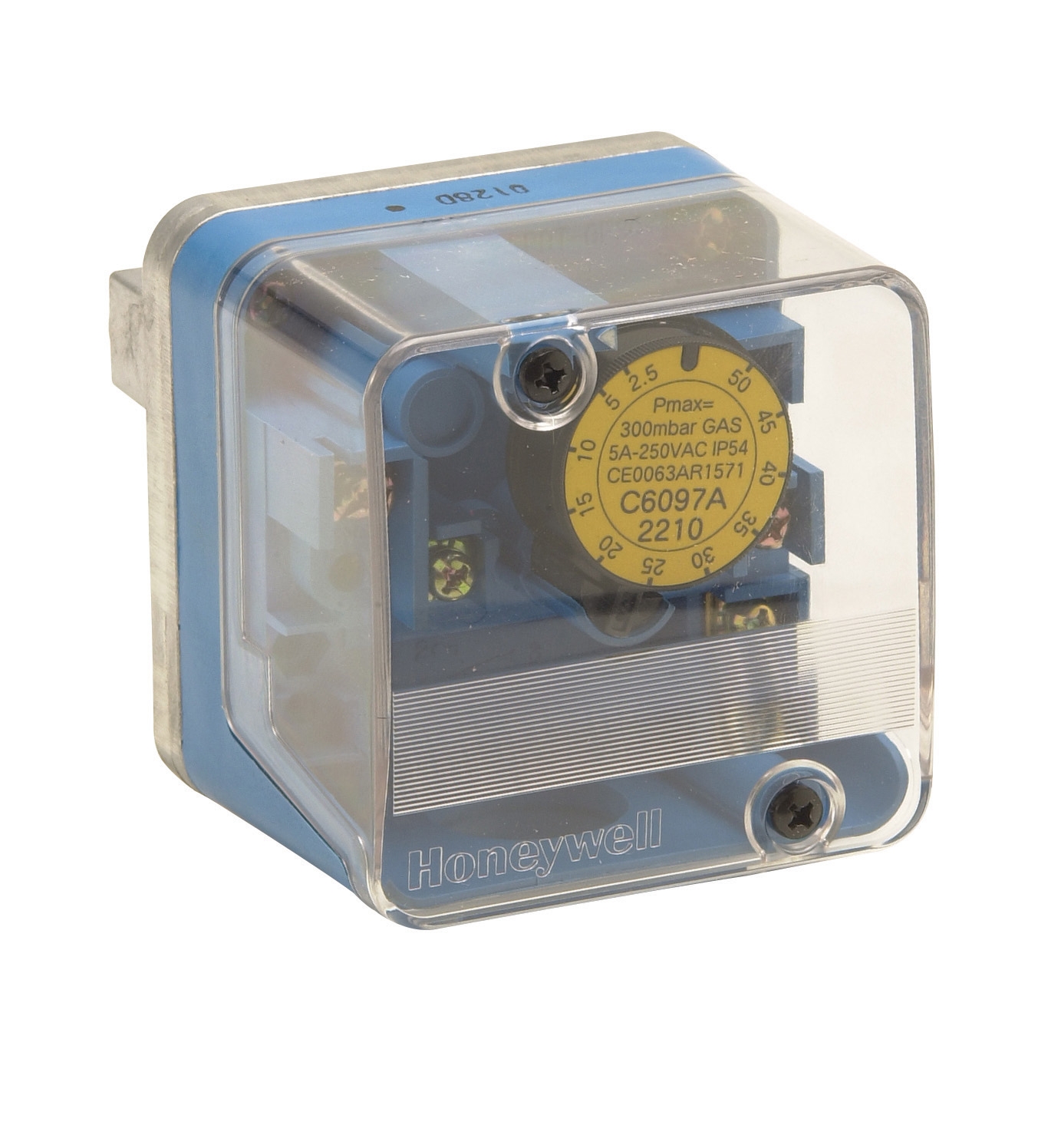
Pressure switches are electromechanical devices that detect pressure changes in gas and air circuits and convert those changes into electrical signals that control burner operation. In burner control and safety systems, pressure switches serve multiple critical functions: they monitor fuel supply pressure, detect air pressure conditions in forced-draft systems, verify proper combustion air flow, and trigger safety shutdowns when pressures fall outside safe operating ranges.
The fundamental operating principle relies on a pressure-sensitive diaphragm or bellows mechanism that moves in response to pressure changes. When pressure reaches a predetermined setpoint, internal contacts open or close, completing or breaking electrical circuits that control burner ignition, gas valve operation, or fan sequencing. Modern industrial burner controls depend heavily on pressure switches for safe, automated operation because they provide objective, measurable feedback about system conditions that cannot be reliably assessed by flame detectors or temperature sensors alone.
HVAC contractors must distinguish between different contact configurations when selecting pressure switches. Unipolar changeover contacts (also called single pole double throw) can both open and close circuits depending on pressure direction, making them versatile for complex control sequences. Single-break contacts open only when pressure rises, while single-make contacts close only when pressure drops. Understanding these configurations is essential because each type serves different safety functions within the burner control architecture.
Pressure switches also differ in their activation logic: some switch on pressure increase (high-pressure switches), others on pressure decrease (low-pressure switches), and dual-function models can monitor both increases and decreases, detecting both overpressure and underpressure conditions. Industrial burner safety systems typically employ redundant pressure monitoring with multiple switches to ensure that dangerous conditions are caught regardless of which single component fails.
Technical Specifications and Selection Criteria
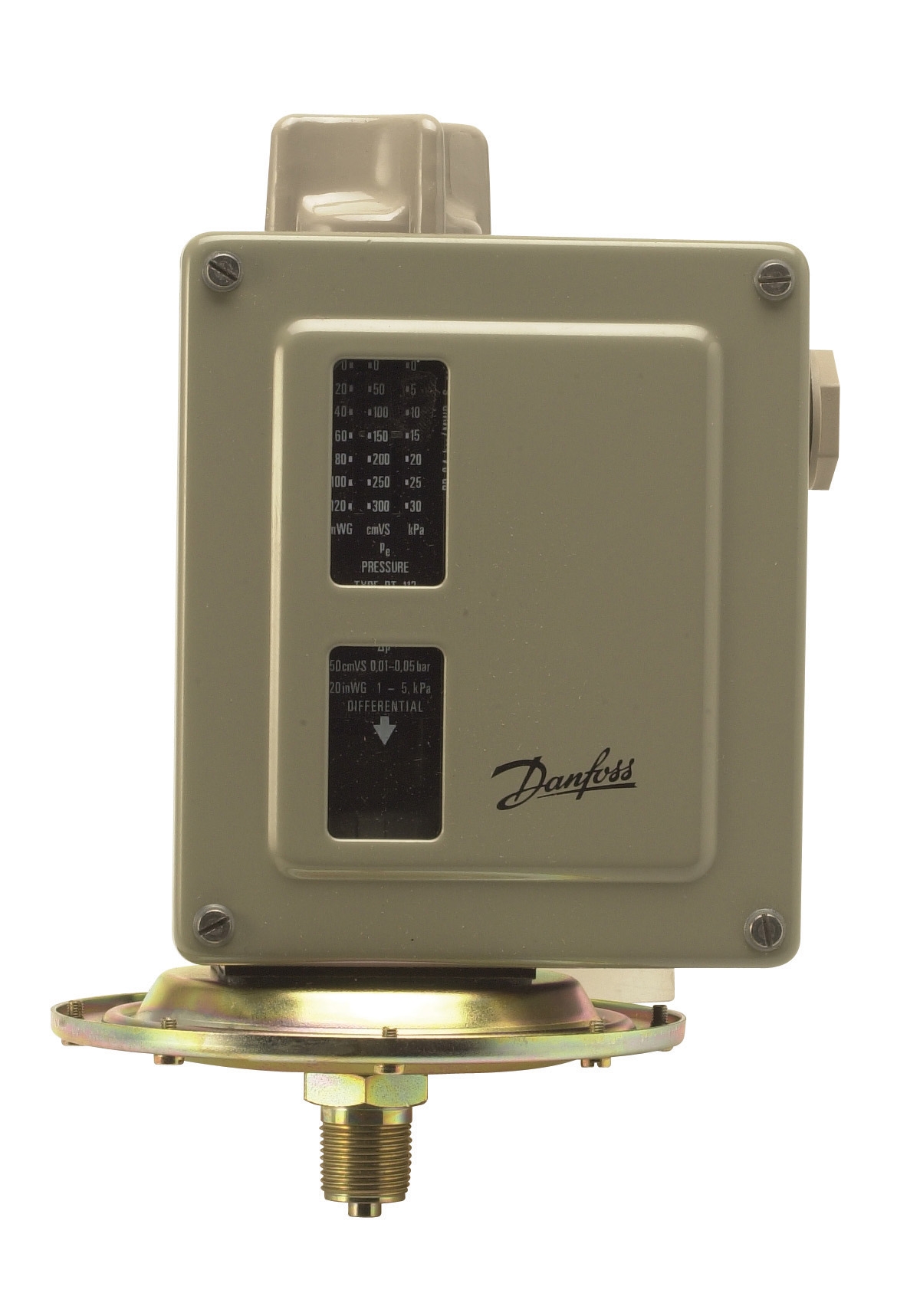
Selecting the correct pressure switch for a specific burner control application requires careful analysis of several technical parameters. The most critical specification is the pressure range, which defines the minimum and maximum pressures the switch can safely monitor. The Danfoss Pressure Switch RT 5 exemplifies the range diversity available in modern control equipment, offering multiple models covering everything from ultra-low pressures (0 to 0.3 bar in the RT113 variant) to high-pressure industrial applications (10 to 30 bar in the RT117 model). HVAC contractors must match the pressure range precisely to the actual operating pressures of their specific burner system—selecting a switch with too narrow a range creates safety risks, while oversized ranges reduce sensitivity and response precision.
Industrial-grade pressure switches designed for critical safety applications carry multiple certifications that demonstrate compliance with rigorous international standards. The Kromschroder Pressure Switch DG 50U/6 represents the highest category of burner control pressure monitoring, achieving SIL 3 (Safety Integrity Level 3) and Performance Level e certifications under EN 1854, FM, UL, AGA, and GOST-TR standards. These certifications indicate that the device has been tested and approved for use in safety-critical systems where pressure monitoring prevents dangerous combustion conditions. Contractors installing industrial burner systems must specify pressure switches with appropriate SIL ratings—typically SIL 2 minimum for commercial applications and SIL 3 for larger industrial installations where failure could cause significant harm.
Beyond pressure range and safety certifications, contractors must evaluate several additional technical specifications: contact rating (the electrical current the switch contacts can safely handle), hysteresis (the pressure difference between opening and closing to prevent chattering), response time (how quickly the switch reacts to pressure changes), and connection type (whether the switch uses threaded ports, flanges, or other mounting methods). Connection type is particularly important because it must match the pipe sizes and installation points in the specific burner system—a pressure switch with the wrong port size cannot be installed without adapters that introduce leak points and restrict flow.
Temperature rating is another critical specification often overlooked by installers. Pressure switches designed for indoor gas control equipment typically operate from –5°C to +60°C, but industrial applications in hot engine rooms or outdoor installations require switches rated for extended temperature ranges. Applications involving high-temperature oil burners may require pressure switches with special sealing and internal materials that withstand sustained exposure to elevated temperatures without losing accuracy or mechanical integrity.
Pressure Switches in Modern Burner Control Architectures
Modern burner control systems employ pressure switches in coordinated sequences that provide layered safety protection. In atmospheric burner systems with forced-draft fans, the primary safety function is air pressure verification—a low-pressure switch monitors the outlet of the combustion air fan to confirm that adequate air supply exists before allowing fuel ignition. If the fan fails or the air path becomes blocked, the air pressure switch immediately signals the control relay to lock out the burner and prevent dangerous uncontrolled ignition.
Gas supply pressure switches verify that fuel arrives at the burner within the design pressure range. If gas supply pressure drops below the minimum for reliable combustion (typically around 20 mbar for atmospheric burners), a pressure switch triggers a control action—usually preventing ignition or shutting down an already-operating burner. Conversely, excessive gas supply pressure can cause flame instability, poor combustion efficiency, and damage to sensitive burner components; high-pressure switches protect against this by limiting fuel supply or triggering safety shutdowns.
Modulating burner systems that vary fire rate based on load demand rely on differential pressure switches across the fuel control valve. These switches monitor the pressure drop created by the valve's internal metering orifice, providing feedback to the modulating control about actual fuel flow rate. When the modulating control commands a change in fire rate, the pressure switch senses the resulting change in pressure drop and validates that the fuel valve is responding correctly. If the measured pressure drop doesn't match the commanded fire rate, the control system recognizes a malfunction and initiates protective shutdown before combustion becomes unsafe.
The Brahma Relay CM 31 TW30/TS10 and Kromschroder BCU 570WC1F1U0K1-E represent two approaches to integrating pressure monitoring into comprehensive burner control systems. Brahma's EUROFLA T Series employs multiple safety contacts in series on the gas valve output, meaning that both flame detection and pressure monitoring must confirm safe conditions before the burner can operate. Kromschroder's BCU 570 design supports both direct ignition and pilot ignition modes, with pressure switching integrated into the control logic to verify proper burner sequencing.
Real-World Installation and Commissioning Applications
Residential Heating Boiler Installation: A contractor installing a modern combi boiler with a forced-draft burner must verify that both combustion air pressure and gas supply pressure fall within design ranges. The air pressure switch (typically 5–15 mbar) prevents ignition if the intake filter clogs or the fan fails. The gas supply pressure switch (typically 20–30 mbar) confirms adequate fuel delivery. During commissioning, the contractor checks that these switches activate at the correct pressures using a manometer, adjusting the setpoint screws if necessary to match the boiler manufacturer's specifications. Many installation failures occur because contractors skip this pressure verification step, assuming switches are pre-set correctly.
Commercial Industrial Burner Retrofit: When upgrading an older industrial burner with a modern modulating control system, contractors must install pressure switches at multiple points: air inlet (to verify fan operation), gas inlet (to monitor supply pressure), and across the modulating fuel valve (to validate actual fire rate versus commanded fire rate). The Kromschroder DG 50U/6 switch, with its SIL 3 rating, provides the safety integrity required for industrial applications where burner malfunction could trigger expensive production shutdowns or create hazardous conditions. Installation requires precise port selection, proper manifold design to prevent confusion of signal lines, and thorough testing with calibrated pressure gauges before final commissioning.
Troubleshooting Pressure-Related Burner Failures: A burner that ignites briefly then locks out often indicates a pressure switch malfunction. The contractor systematically tests each pressure switch by manually triggering its contacts while observing the burner control unit's response. If a high-pressure switch never opens or a low-pressure switch never closes, it requires replacement. Using a pressure gauge, the contractor measures actual system pressures and verifies they match switch setpoints—if system pressure is correct but the switch doesn't respond, the switch itself is defective; if pressure is incorrect, upstream components (supply regulators, filters, or fans) require investigation.
Best Practices for Selection and Specification
Effective pressure switch selection begins with understanding the complete burner system architecture. Contractors should obtain the burner manufacturer's control diagram, which specifies the exact pressure ranges, switch types, and safety sequences required. Never assume that pressure switches from a competitor's system will work correctly in a different manufacturer's design—pressure ranges, hysteresis, and contact configurations vary significantly.
Selection Checklist: (1) Confirm the precise pressure range required for the specific application—verify both the minimum and maximum pressures the burner system will experience during normal operation and safe shutdown. (2) Verify that pressure switch certifications match your installation's safety requirements—SIL 2 for commercial applications, SIL 3 for critical industrial systems. (3) Check connection type compatibility—threaded ports must match existing piping; flange-mounted switches require proper mechanical support. (4) Confirm temperature rating—the switch must tolerate both the ambient installation environment and any heat exposure from burner proximity. (5) Review contact specifications to ensure the electrical load (amps at control voltage) doesn't exceed the switch's contact rating.
Documentation is critical. Contractors should retain the pressure switch's technical datasheet, certification documents, and the adjustment setpoint record from commissioning. This documentation enables future service technicians to verify that installed switches are correct and to understand the original commissioning setpoints if recalibration becomes necessary.
Conclusion
Pressure switches are fundamental to safe, reliable burner operation—they provide the objective pressure feedback that control systems require to prevent dangerous combustion conditions. For HVAC contractors and installers, mastering pressure switch selection, installation, and commissioning is essential for professional quality work that meets safety standards and delivers years of reliable equipment operation.
The diversity of pressure switch designs available reflects the variety of burner control applications in modern HVAC systems. Whether specifying industrial-grade switches like the Danfoss and Kromschroder models for critical safety applications or simpler designs for residential equipment, contractors must match specifications precisely to system requirements and verify proper operation through systematic commissioning procedures.
Selecting the right pressure switches, installing them correctly, and commissioning them thoroughly are investments that prevent costly burner failures and dangerous operating conditions. The team at 3G Electric maintains a comprehensive inventory of pressure switches and burner control components from leading manufacturers worldwide, and our technical specialists are available to help contractors verify specifications, troubleshoot pressure-related problems, and source exact replacement components. Contact 3G Electric to discuss your pressure switch requirements or to access technical documentation for specific control system applications.