Understanding Pressure Regulators in Industry Applications
Pressure regulators serve as the backbone of safe industrial gas and fluid distribution systems. Whether managing laboratory gas supplies, high-pressure pump outlets, or spray system operations, regulators maintain consistent downstream pressure while protecting equipment and personnel. In Singapore's tropical industrial environment, where temperature fluctuations and humidity can accelerate component degradation, understanding regulator function becomes essential.
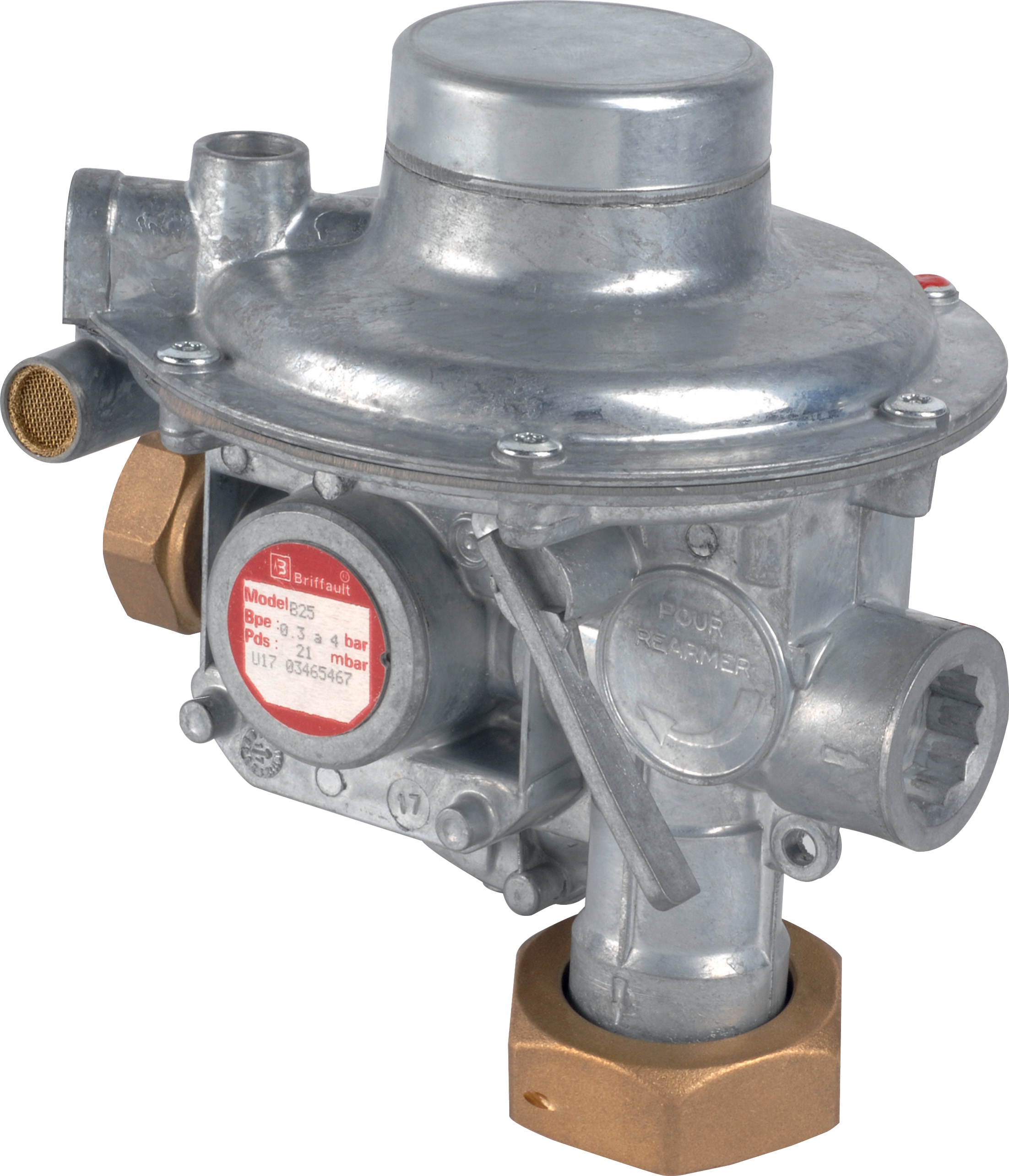
Regulators like the Francel B25/37mb pressure regulator with integrated safety relief are engineered to handle demanding applications while providing fail-safe pressure management. With over 35 years of experience distributing industrial equipment, 3G Electric has supported countless facilities in diagnosing and resolving regulator-related issues that impact production schedules and safety protocols.
Common applications requiring precise pressure regulation include:
- Laboratory gas distribution systems
- Industrial gas burner fuel supply
- High-pressure pump outlet protection
- Spray nozzle system conditioning
- Process control gas lines
- Emergency safety relief circuits
Section 1: Diagnosing Pressure Drift and Outlet Instability
One of the most frequent complaints from industrial operators is erratic outlet pressure—fluctuating between acceptable and unacceptable ranges. This instability disrupts downstream processes, particularly in spray systems and burner applications where consistent pressure is non-negotiable.
Root Causes of Pressure Drift:
Pressure creep occurs when outlet pressure gradually increases above the set point despite no inlet pressure change. This typically indicates internal valve seat contamination or diaphragm damage. In Singapore's humid environment, moisture ingress combined with airborne particulates can compromise valve sealing surfaces within weeks of installation.
Pressure oscillation—rapid cycling between high and low readings—suggests an unstable control feedback loop. This often occurs when the regulator's sensing port becomes partially blocked by corrosion products or mineral deposits. The sensing mechanism cannot accurately detect current pressure, causing the valve to over-correct repeatedly.
Pressure loss below set point often indicates spring weakening or internal cartridge failure. Regulators continuously exposed to high temperatures near furnaces or boilers may experience spring relaxation, gradually losing their ability to maintain set pressure.
Diagnostic Procedure:
Begin by isolating the regulator from the system and measuring outlet pressure under no-flow conditions (static pressure). Compare this to the manufacturer's rating. If static pressure is correct but operating pressure (under flow) drifts, suspect a restriction in the outlet port or contamination in the control circuit.
Install a secondary pressure gauge 30 cm downstream of the regulator to confirm whether drift occurs within the regulator or develops after outlet. This pinpoints whether the regulator itself is failing or if downstream components (like the Euspray flat jet nozzle or pump inlet) are creating backpressure issues.
Check the sensing line for blockages by gently depressurizing the system and listening for a controlled bleed-down. A rapid, uncontrolled exhaust indicates a stuck sensing valve or broken internal orifice.
Resolution Steps:
For pressure creep, internal cleaning may restore function if contamination is the cause. Depressurize completely, then carefully disassemble the regulator (if manufacturer permits field service). Clean all internal surfaces with precision-grade solvent and examine the diaphragm and seat for physical damage. If damage is visible, replacement is necessary—internal repair often proves uneconomical given the critical safety role regulators play.
For oscillation, clear the sensing port by slightly cracking open the sensing line fitting (with system depressurized) and allowing trapped debris to evacuate. Flush the sensing circuit with clean compressed air. If oscillation persists after cleaning, the internal feedback mechanism likely requires replacement of the cartridge assembly.
For pressure loss, confirm the regulator spring rating matches your application. Many facilities use general-purpose regulators when application-specific units like the Francel B25/37mb—designed for precise 37 mbar delivery—would provide superior stability.
Section 2: Addressing Safety Relief Valve Failures
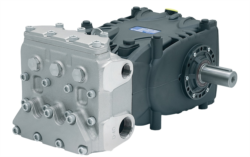
Integrated safety relief valves protect downstream equipment by venting excess pressure when set thresholds are exceeded. In systems using high-performance pumps like the Pratissoli KF30 delivering 200 bar pressure or the Pratissoli MW40 at 210 bar, a failed relief valve creates catastrophic overpressure conditions within seconds.
Common Relief Valve Malfunctions:
Non-opening relief valves fail to vent pressure even as inlet pressure exceeds the relief set point. Operators may notice system pressure climbing continuously without triggering the relief mechanism. This condition demands immediate shutdown to prevent equipment rupture, hose burst, or seal failure.
Sluggish opening—where the relief valve opens but only after significant overpressure—allows brief spikes that stress downstream components. Over time, these pressure spikes cause fatigue failure in pump seals, hose fittings, and nozzle bodies.
Continuous venting (relief valve stuck open) causes pressure to drop below operating requirements, reducing system performance and forcing increased energy consumption as pumps work harder to maintain pressure.
Diagnostic Procedure:
With system under no-flow conditions (outlet blocked), slowly increase inlet pressure while monitoring relief point. Record the exact pressure at which relief venting becomes audible and visible. Compare this to the marked set point on the regulator body. Deviation beyond ±10% indicates a problem.
If relief fails to open, suspect debris preventing the poppet valve from seating properly, or corrosion on the relief cartridge stem. In Singapore's industrial zones where air quality varies, particulate contamination is a leading cause.
If relief vents continuously, the poppet valve seat may be damaged, the spring may be broken, or the adjustment mechanism may have shifted. Vibration from nearby equipment or thermal cycling can gradually loosen adjustment screws over time.
Resolution Steps:
For non-opening relief, attempt to gently cycle the relief valve by slowly raising and lowering inlet pressure several times. This mechanical action sometimes dislodges trapped debris. If the valve still does not respond, depressurize and carefully inspect the relief port opening. Use compressed air to blow clear any visible obstruction.
If this fails, the relief cartridge requires replacement. Francel regulators like the B25/37mb feature replaceable safety cartridges, allowing cost-effective repair without replacing the entire body.
For sluggish opening, cleaning the relief orifice and poppet seat with precision tools may restore proper function. However, if the poppet seat shows permanent damage (scratching, pitting), cartridge replacement is mandatory—even small seat damage prevents reliable sealing and leads to ongoing issues.
For continuous venting, first verify the adjustment screw has not loosened. If the screw is secure, internal damage to the poppet or spring requires cartridge replacement. Never attempt to adjust a stuck relief valve beyond 2-3 full turns—excessive force damages internal threads.
Section 3: Regulator Performance in High-Flow Industrial Systems
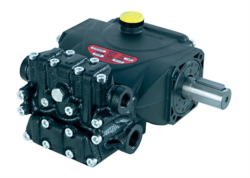
When regulators manage outlet flows from powerful pump systems, their performance degrades differently than in low-flow applications. Pressurized fluid from the Interpump E1D1808 gear pump delivering 8 L/min or much larger systems creates dynamic forces that test regulator stability in ways static laboratory use never does.
Flow-Related Performance Issues:
Flutter—rapid pressure oscillation at specific flow rates—occurs when the regulator's response sensitivity becomes mismatched to system dynamics. This is particularly common when facilities retrofit older regulators into modern high-speed pump systems. The regulator cannot respond fast enough to keep pace with rapid pressure changes.
Hysteresis (pressure difference between opening and closing) becomes problematic in sensitive applications. The regulator may maintain 100 bar when flow begins but only return to 95 bar when flow stops. This 5 bar difference accumulates into significant process variations across spray nozzles or burner fuel supplies.
Backpressure sensitivity occurs when downstream resistance (like a partially-restricted nozzle) affects regulator control. The regulator sees the nozzle resistance as upstream pressure and cannot respond appropriately, leading to under- or over-pressurization.
Diagnostic Procedure:
Operate the system at minimum flow, medium flow, and maximum design flow while monitoring pressure stability at each point. Record pressure readings at 5-second intervals using a digital gauge with data logging capability. Graph the results to visualize flutter patterns or oscillation frequency.
Check flow uniformity across multiple outlets (if applicable). Uneven flow distribution across parallel spray nozzles or burner ports indicates that some regulator paths are restricting more than others, suggesting partial blockage in one internal passage.
Measure pressure drop across the regulator itself by comparing inlet and outlet readings. Excessive drop (more than 5% of inlet pressure) indicates high internal restriction or worn flow paths.
Resolution Steps:
For flutter, verify that the regulator model is rated for your actual flow rate. Many facilities use "general purpose" regulators in applications requiring higher flow capacity than the unit is designed to handle. Upgrading to a regulator specifically engineered for high-flow systems eliminates flutter by providing appropriate internal sizing and response characteristics.
For hysteresis, adjust the regulator's setting spring preload if the design allows manual adjustment. A slightly stiffer spring reduces hysteresis by increasing the control valve's stiffness. However, excessive preload increases cracking pressure (the pressure at which flow first begins to pass through the regulator).
For backpressure sensitivity, install a small accumulator (0.5-1 L) on the regulator outlet. This buffer tank absorbs rapid pressure changes from downstream components, allowing the regulator to maintain more consistent control. This technique is particularly effective in spray systems where nozzle clogging creates intermittent backpressure.
Section 4: Maintenance and Prevention for Singapore's Industrial Environment
Regulators fail prematurely in tropical environments due to moisture, temperature swings, and corrosive salt spray near coastal facilities. With 35 years of experience supporting Singapore's diverse industrial sectors, 3G Electric has identified maintenance practices that extend regulator service life significantly.
Environmental Protection Strategies:
Install moisture traps upstream of all regulators. Even in pressurized systems, condensation forms within the regulator body, promoting corrosion of internal steel components. A simple cartridge-type dryer (5-micron coalescent design) removes free water and aerosol moisture before it reaches the regulator.
Protect regulator bodies from direct sunlight and salt spray. Use insulated covers for outdoor installations or facilities near the coast. UV exposure degrades seals and discolors sealing surfaces over time, while salt spray accelerates external corrosion.
Maintain stable inlet pressure. Fluctuating inlet pressure forces regulators to continuously re-balance, causing accelerated wear on internal sealing surfaces. High-quality inlet filters (10 microns) prevent debris from reaching the regulator, extending internal component life from 12-18 months to 3-4 years.
Scheduled Maintenance Protocol:
Monthly: Visually inspect the regulator body for corrosion, weeping, or frost formation (indicating rapid pressure release from a damaged seal). Record outlet pressure readings and compare to previous readings—sudden changes signal developing problems.
Quarterly: Test the safety relief valve function by slowly increasing inlet pressure and confirming the relief valve vents at the correct set point. Document the actual cracking pressure (exact point at which venting begins).
Semi-annually: If the regulator includes a replaceable cartridge design, consider replacing the cartridge even if performance seems acceptable. Preventive cartridge replacement avoids unexpected failures during critical production runs and costs significantly less than emergency repairs.
Annually: Perform complete regulator testing including static pressure accuracy, flow response stability, and relief valve performance across the full operating range. Compare results to baseline data—trends toward degradation indicate approaching failure.
Component Selection for Singapore Operations:
Choose regulators with integral safety relief (like the Francel B25/37mb) rather than separate relief valves. Combined units simplify troubleshooting because all control functions are within one body, making it easier to identify which component has failed.
Specify stainless steel or nickel-plated internal components for corrosive environments. While these cost more initially, they dramatically reduce maintenance frequency in industrial areas with salt spray exposure or chemical plant environments.
Select models with accessible sensing ports and adjustment mechanisms. Sealed designs that prevent field access may reduce contamination but make diagnosis impossible when problems occur. In fast-paced industrial environments, rapid troubleshooting capability often justifies minor contamination risk.
Match regulator flow capacity to actual system requirements. Oversized regulators (with capacity much greater than needed) exhibit poor control at low flows, while undersized units operate near their flow limit constantly, accelerating wear. Right-sizing ensures stable operation across your normal flow range.
When implementing systems using high-flow pumps like the KF30 or MW40 series, specify regulators engineered for industrial-grade high-pressure applications rather than laboratory equipment. The performance difference justifies the investment through improved reliability and reduced downtime.