Multifunctional Gas Controls & Pressure Regulation: Selection Guide for Industrial Applications
Gas control systems form the backbone of safe and efficient industrial burner operations across food processing, ceramics, pharmaceuticals, and heating applications. Unlike standalone pressure regulators or simple solenoid valves, modern multifunctional gas controls integrate several critical safety and operational functions into a single, compact device. For procurement and purchase engineers evaluating gas regulation equipment globally, understanding how these systems work—and which components suit specific operational demands—is essential for reducing downtime, improving safety compliance, and optimizing fuel efficiency. This guide explains the core technologies, product selection strategies, and real-world deployment considerations that will help you make informed purchasing decisions.
Understanding Multifunctional Gas Control Architecture
A multifunctional gas control system combines three primary functional elements: a thermoelectric flame supervision device, an integrated pressure regulator, and temperature control logic. Unlike older sequential systems where each function required separate components connected via tubing and electrical harnesses, modern integrated controls consolidate these functions into a single control block.
Thermoelectric flame supervision provides continuous monitoring of pilot flame status. A thermocouple generates a small voltage (approximately 30 mV) when exposed to pilot flame heat. This voltage holds open a solenoid valve that permits main gas flow. If the pilot flame extinguishes—whether due to draft, mechanical failure, or fuel interruption—the thermocouple cools, voltage drops below the safety threshold, and the solenoid immediately de-energizes, shutting off gas supply. This design prevents dangerous unburned gas accumulation in combustion chambers.
Integrated pressure regulation maintains stable main gas pressure regardless of inlet pressure fluctuations or consumption variations. Self-acting governors with balanced obturators and dual-membrane safety diaphragms automatically adjust valve opening to maintain set pressure (typically 5–300 mbar for industrial applications). This stability is critical: insufficient pressure causes incomplete combustion and poor efficiency; excessive pressure creates flame instability, burner damage, and safety hazards.
Temperature control allows the system to modulate burner output based on demand. For boiler and heating applications, thermostatic elements sense outlet water or air temperature and adjust gas flow accordingly, reducing fuel consumption during low-demand periods and maintaining comfort or process setpoints during high-demand periods. Some advanced models incorporate electric modulating pressure regulators that work with microcomputer-based controllers, enabling precise load-following control.
This integrated architecture reduces installation complexity, minimizes leak points, improves response time, and simplifies maintenance—critical factors for industrial facilities operating in demanding global environments.
Key Technical Components and Selection Criteria
When specifying gas controls for industrial applications, several technical parameters demand careful attention. Port sizing and connection type must match your main gas supply line diameter (typically DN50, DN65, or custom configurations) and flange or threaded connection standards. Undersized controls create dangerous back-pressure; oversized controls waste space and cost.
Pressure rating specifications define the maximum inlet pressure the device can safely handle (static, Ps) and the maximum working pressure differential across the regulator (Pd). For example, a pressure regulator designed for 500 mbar inlet and 5–300 mbar outlet covers most industrial boiler applications. However, higher-pressure systems (such as those using propane in certain climates) may require rated regulators capable of handling 1000+ mbar inlet pressures. Always verify nameplate specifications against your facility's supply conditions.
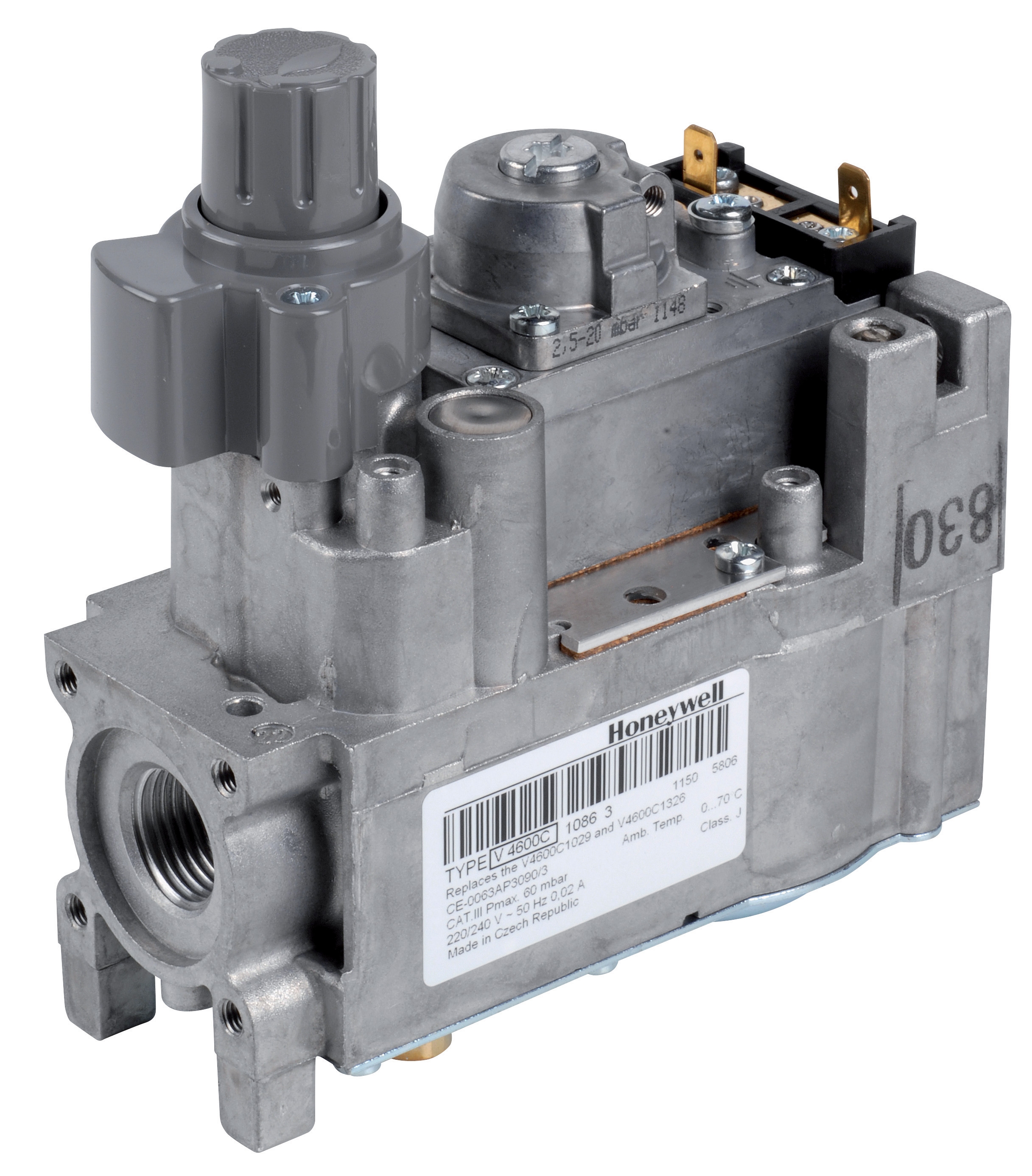
The CBM Minisit gas block exemplifies the multifunctional approach: it integrates a thermoelectric flame supervision device, pressure regulator, and temperature control in a compact, cost-effective package suitable for stoves, boilers, catering equipment, and room heaters. Its EN 126 certification confirms compliance with European multifunctional device standards, a critical consideration for facilities adhering to CE marking requirements.
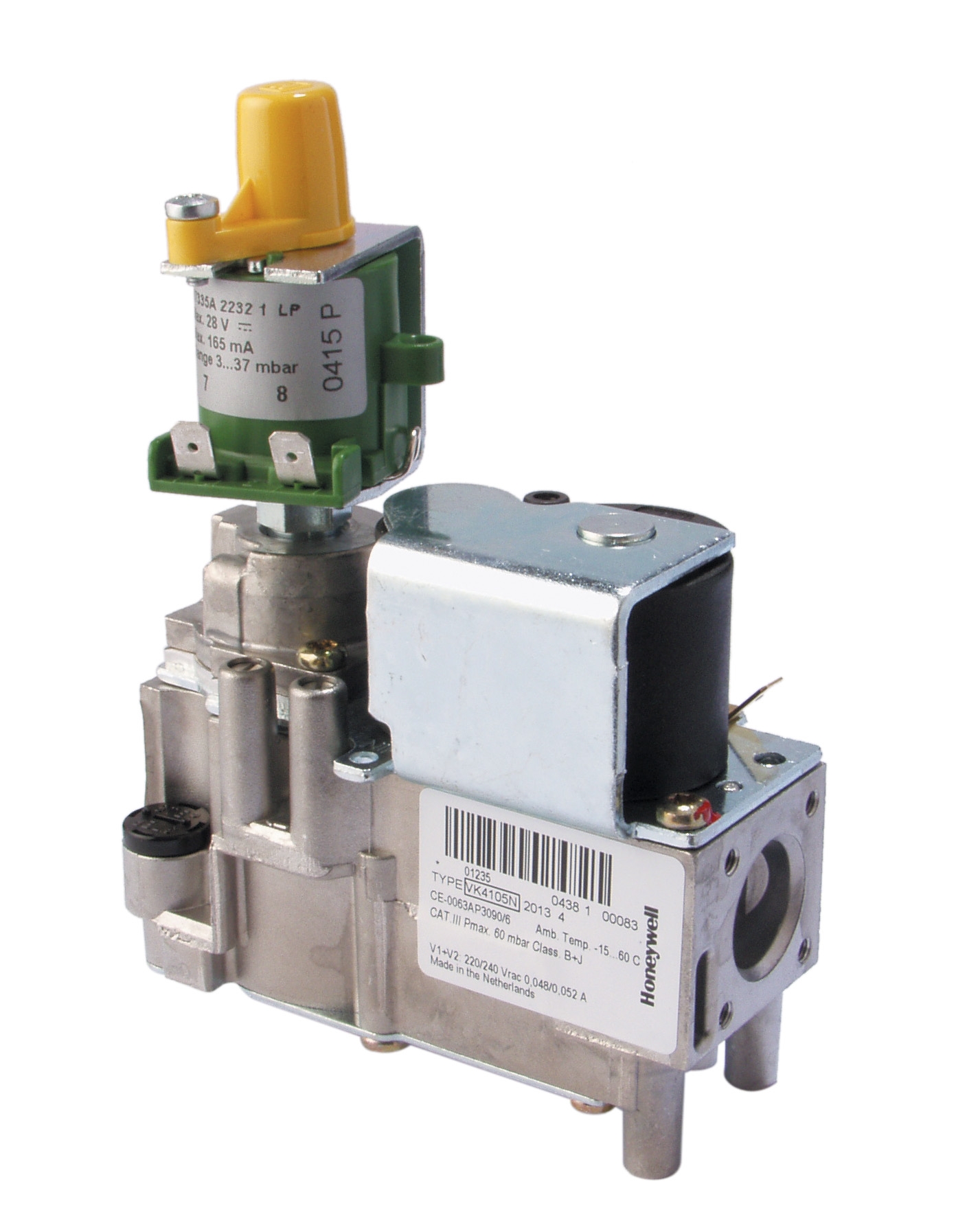
For larger, more complex burner systems, modular gas controls like the CBM VK 4105 N gas control offer electric modulating pressure regulation. These devices work in concert with external W9335 modulating controllers, W4115 drivers, and thermistor temperature sensors, enabling precision load-following in variable-demand applications such as process heating or multi-zone climate control.
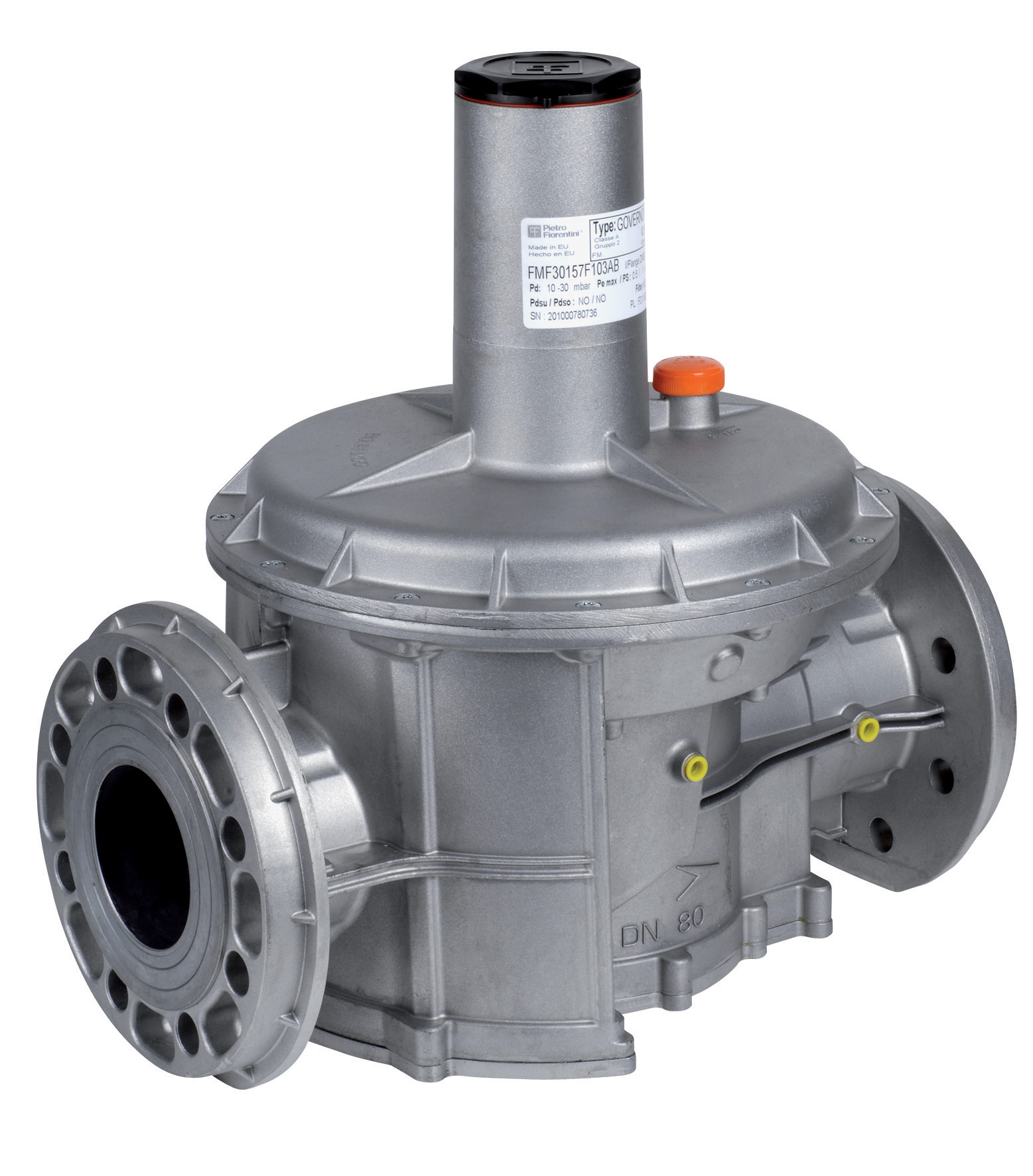
Supporting components are equally critical. Self-acting pressure regulators with DN50 flanges and DN65 flanges provide flexible options for different pipe sizes. Universal pilot lights with dual flames and two-flame pilot lights deliver reliable ignition across a range of gas types and inlet pressures. Matching these components with appropriate thermocouples is essential—SIT thermocouples are specifically engineered for SIT pilot burners and provide superior response speed and durability.
Finally, consider gas detection and monitoring equipment as a complementary safety layer. While not part of the control system itself, portable gas detector pens and multi-zone detection units protect workers during commissioning, maintenance, and emergency response, reducing operational risk across your facility.
Real-World Application Examples Across Global Industries
Food Processing Facility (Boiler Heating): A bakery in Europe operating a 150 kW steam boiler required stable flame supervision and automatic load following as oven demand varied throughout production shifts. The facility selected an integrated multifunctional control block with thermoelectric supervision and thermostatic temperature control. The thermocouple continuously monitored a dual-flame pilot light, ensuring instant shutdown if the pilot flame extinguished due to kitchen vibration or draft. The integrated pressure regulator maintained 50 mbar main gas pressure despite fluctuations in the facility's supply header. Temperature control logic permitted the boiler to modulate burner output from 30% to 100% capacity based on actual steam demand, reducing fuel consumption by approximately 18% compared to their previous on/off control strategy. Total system reliability improved: the facility reported zero unburned gas incidents over a 24-month operational period.
Ceramic Production (Kiln Heating): A tile manufacturer in Asia operating a 300 kW kiln heating system required precise temperature control and fail-safe operation in a high-vibration environment. They implemented an electric modulating gas control system with thermoelectric pilot supervision and microcomputer-based load following. The system continuously adjusted main gas pressure in response to kiln interior temperature feedback from thermistor sensors. This enabled the operator to program precise firing curves—slow ramp-up phases, hold periods, and cool-down sequences—critical for ceramic quality. The fail-safe thermoelectric supervision prevented pilot flame loss; should the pilot extinguish, the system would automatically vent main gas pressure and shut down all burner flow within 2 seconds, meeting international safety standards for unattended kiln operation.
Pharmaceutical Manufacturing (Water Heating): A pharmaceutical plant in Global required redundant safety systems for process water heating. They deployed dual-channel gas detection units alongside their primary multifunctional gas control system. The detection system monitored four separate combustion zones using independent probes, triggering facility alarms if methane or propane concentrations exceeded safe thresholds. The primary gas control block provided baseline thermoelectric supervision, while the detection network served as an independent verification layer. This defense-in-depth approach reduced regulatory audit findings and improved worker confidence in system safety.
Best Practices for Specifying and Installing Gas Controls
1. Match Control Type to Burner Capacity and Control Strategy: For simple on/off burners below 100 kW with fixed setpoints, a compact multifunctional unit like the Minisit block is cost-effective and reliable. For variable-load systems above 150 kW or those requiring precise modulation, electric modulating pressure regulators with external controllers provide better turndown and response. Evaluate your facility's heating demand profile (constant vs. variable) before selecting.
2. Verify Pressure Specifications Against Your Supply: Contact your gas utility or supplier to confirm inlet pressure under minimum, normal, and peak demand conditions. Select regulators rated safely above peak inlet pressure. Undersized pressure ratings create liability; oversized ones add unnecessary cost.
3. Use Qualified Thermocouples and Pilot Lights: Never mix thermocouple brands or models. SIT thermocouples are engineered specifically for SIT pilot burners; mismatched pairs cause intermittent pilot flame failure or slow closure response. Verify compatibility before ordering.
4. Plan Maintenance Access: Install filter cartridges upstream of the gas control block to protect internal regulators from particulate contamination. Position the control block where technicians can safely replace thermocouples and inspect diaphragms during routine maintenance.
5. Implement Independent Gas Detection: Complement your primary thermoelectric supervision with independent gas detection, especially in enclosed spaces or high-occupancy areas. This provides defense-in-depth safety assurance.
Closing Remarks and Next Steps
Multifunctional gas controls represent a mature, cost-effective approach to burner safety and efficiency across global industrial applications. By integrating thermoelectric flame supervision, pressure regulation, and temperature control into a single device, modern systems simplify installation, reduce leak points, and improve operator safety. Whether you're upgrading an aging boiler system, commissioning a new kiln, or evaluating gas detection strategies for your facility, selecting the right control components—matched to your specific pressure, capacity, and modulation requirements—is essential for long-term reliability and compliance.
3G Electric has been a trusted experienced industrial equipment distributor since 1990, serving facilities across Global with premium gas valves, regulators, controls, and detection systems. Our technical team can help you evaluate your facility's specific requirements, verify pressure and capacity specifications, and recommend compatible component combinations. Contact 3G Electric today to discuss your gas control application, request technical data sheets, or schedule a consultation with one of our equipment specialists. We're here to ensure your burner systems operate safely and efficiently for years to come.