How to Monitor and Maintain Gas Valves & Regulators in Singapore Industrial Plants: A Step-by-Step Operations Guide
Effective monitoring and maintenance of gas valves and regulators is critical for operational safety, efficiency, and regulatory compliance in Singapore industrial plants. Unlike installation or configuration, the ongoing health of your gas system depends on systematic inspection schedules, pressure verification, and preventive maintenance protocols. This guide provides plant managers and operations directors with actionable procedures to keep your gas valves and regulators performing reliably and safely throughout their service life.
Understanding Gas Valve and Regulator Monitoring Fundamentals
Gas valves and regulators are precision components that regulate pressure, control flow, and provide safety functions in industrial burner systems, heating equipment, and combustion appliances. Monitoring focuses on three core areas: pressure accuracy, valve response time, and system safety margins.
Regulators maintain outlet pressure within tight tolerances—often ±10% of setpoint. Over time, internal diaphragms wear, springs lose tension, and filter elements accumulate particulates, all of which degrade performance. Similarly, gas valves experience seal degradation, corrosion of internal passages, and mechanical wear from repeated switching cycles. In Singapore's humid tropical climate, moisture ingress and salt-air corrosion accelerate degradation, especially for coastal industrial facilities.
Proactive monitoring catches these issues before they cause unsafe operating conditions, reduce burner efficiency, trigger nuisance shutdowns, or violate local gas safety regulations (such as those enforced by the Gas Safety Regulator under the Gas Safety Act). A structured monitoring program combines visual inspections, pressure measurements, valve timing checks, and periodic component replacement on defined schedules. This approach reduces unplanned downtime by 40–60% compared to reactive maintenance.
The key principle: regulators and valves should be treated as wear items with planned replacement intervals, not as permanent fixtures. Modern industrial gas systems in Singapore typically operate on 12–24 month inspection cycles with component replacement every 3–5 years depending on duty cycle and environmental conditions.
Technical Specifications and Monitoring Parameters for Key Components
Different gas regulators and valves require monitoring of different parameters. Understanding the specifications of your installed equipment is essential for setting accurate alarm thresholds and acceptance criteria.
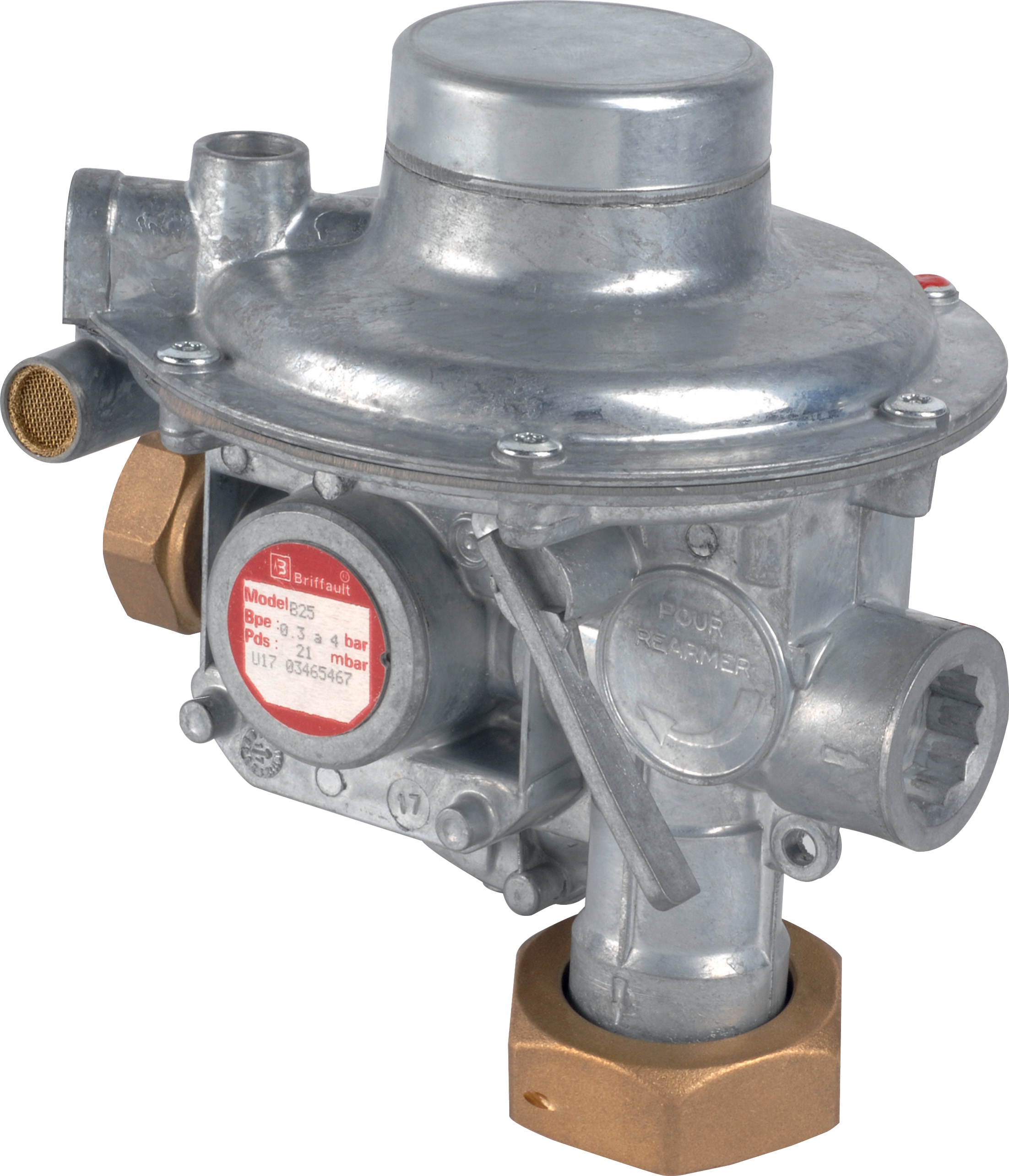
For pressure regulators such as the Francel B25/37mb regulator with safety relief, the critical monitoring points are outlet pressure accuracy and relief valve function. This regulator delivers 37 mbar outlet pressure with a 10 mm vent size. Monthly, measure the outlet pressure at the meter connection using a calibrated analog or digital gauge. Acceptable variation is ±5% of 37 mbar (i.e., 35.1–38.9 mbar). If pressure drifts outside this range, the internal diaphragm or spring requires replacement. The 10 mm vent must remain clear; any blockage prevents the relief valve from functioning, creating overpressure risk. Inspect the vent monthly for dust, spider webs, or corrosion.
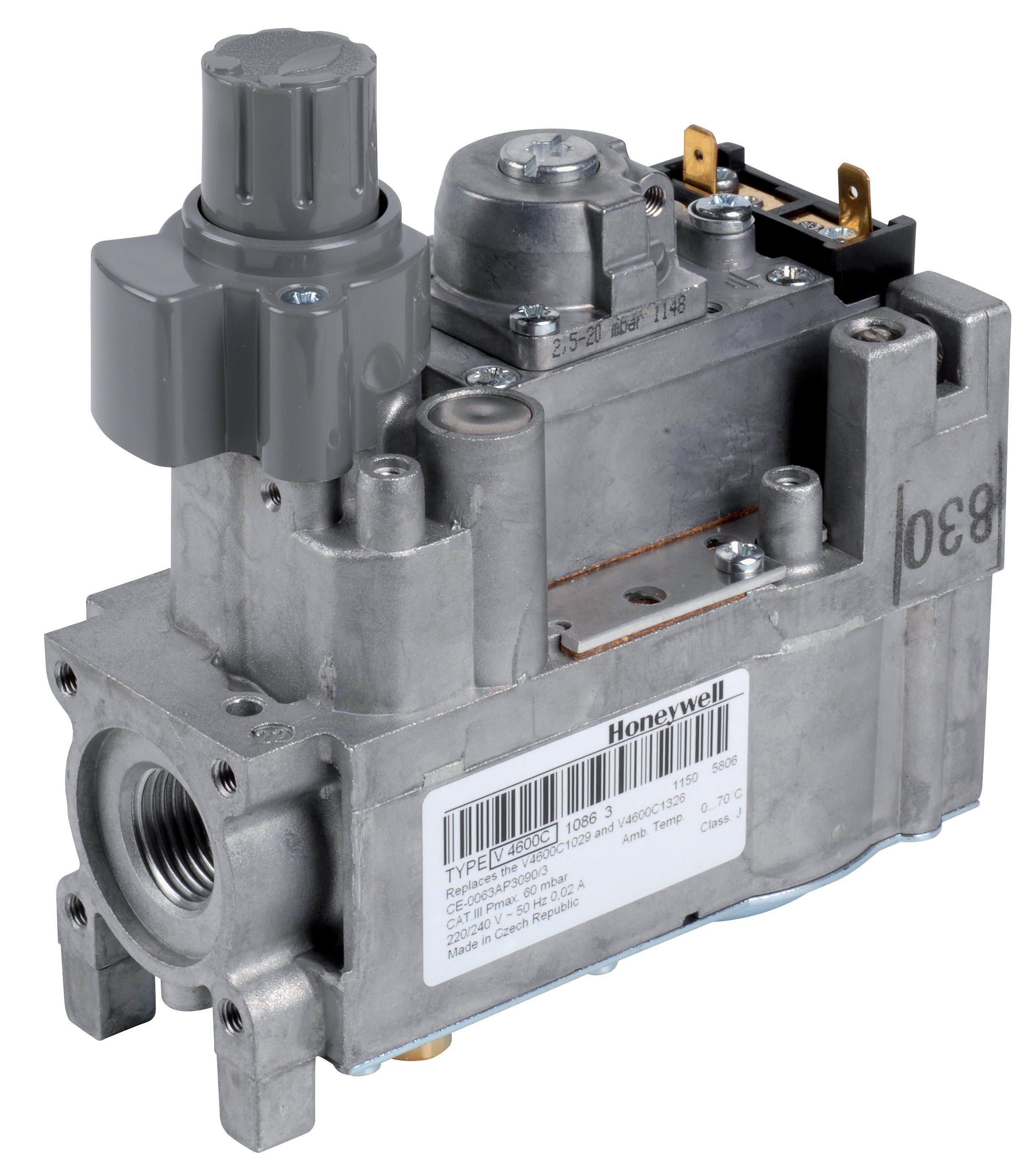
For gas regulation valves like the Dungs MVD 515/5 valve, monitor opening time and pressure drop. This valve is rated to 200 bar with sub-1-second opening time and includes 1 mm integrated filtration. Use a solenoid valve timing tester or oscilloscope to verify opening response remains under 1 second; degraded solenoid coils extend this to 1.5–2 seconds, reducing burner response and stability. The integrated 1 mm filter mesh traps particulates; after every 500 operating hours (or annually in continuous-duty applications), inspect the filter element. Singapore's industrial water supplies may contain sediment; if you observe slow opening response or reduced gas flow, flush the valve or replace the filter element.
For end-of-stroke safety valves such as the Elektrogas VMM 20-25 valve, verify that the contact switch triggers precisely at full stroke. This EN 161–compliant valve requires a 3 mm Allen wrench for adjustment. Quarterly, manually actuate the valve stem and confirm the position indicator and contact switch engage simultaneously. Any lag or missed contact indicates mechanical wear; such valves must be replaced rather than repaired, as their safety function is compromised.
For two-stage burners like the FBR GAS XP 60/2 CE TC EVO, monitor flame stability, staging transitions, and modulation response. This 116–630 kW burner operates at 66–69 dBA and requires smooth transition between low-fire (116 kW) and high-fire (630 kW) modes. Degraded regulators or worn valve seats cause hesitation, flame dropout, or unstable modulation. Install permanent pressure gauges on the pilot gas line and main burner gas inlet; monitor these daily for smooth, stable readings during operation.
Step-by-Step Monitoring and Maintenance Procedures
Step 1: Establish a Baseline and Document Initial Conditions (Week 1)
Before implementing a monitoring program, record all initial parameters. For each installed regulator and valve, document: manufacturer, model number, installation date, setpoint pressure, outlet pressure (measured), solenoid coil voltage/resistance, filter element condition, and any visible corrosion or damage. Photograph components from multiple angles. Store this baseline documentation in your operations folder or CMMS (Computerized Maintenance Management System). This baseline allows you to recognize drift and degradation trends.
Step 2: Schedule Monthly Visual Inspections (First Tuesday of Each Month)
Assign one operator to perform a 15-minute monthly inspection walk-through. Checklist items:
- Check all regulator and valve bodies for corrosion, discoloration, or moisture beading (sign of internal leaks).
- Verify all vent ports are unobstructed; use a small brush to clear dust or debris.
- Inspect all gauge connections; ensure gauges are readable and needles are not stuck.
- Feel (with a gloved hand) for unexpected heat emanating from any regulator or valve body; overheating suggests internal friction or blockage.
- Check all electrical connections (solenoid coils, position switches) for corrosion, loose terminals, or water ingress; tighten any loose connectors.
- Listen for unusual sounds during operation: hissing (leak), chattering (valve chatter), or grinding (mechanical wear).
- Record findings on a standardized form with date, initials, and any corrective actions initiated.
Step 3: Conduct Quarterly Pressure Verification Testing
Every three months, perform accurate pressure measurement. For the Francel B25/37mb, measure outlet pressure at the meter connection with a calibrated gauge (±1% accuracy, 0–100 mbar range). Document the reading. If outlet pressure is below 35 mbar, the regulator diaphragm is likely torn or the spring is weakened; schedule replacement. If pressure creeps above 39 mbar, the relief valve is not seating properly; this is a safety issue requiring immediate action. For the Dungs MVD 515/5, perform a pressure drop test: measure gas pressure immediately upstream and downstream of the valve during full-flow operation (burner at high fire). Pressure drop should not exceed 30 mbar. Excessive drop indicates a clogged filter or worn valve seat; flush and/or replace the valve.
Step 4: Test Solenoid Valve Response Time (Quarterly)
Using a solenoid valve timing tester or a multi-meter set to measure voltage spike, confirm opening response. Apply 24 or 230V AC (depending on your valve specification) to the solenoid coil and measure the time from electrical signal to gas flow. For the Dungs MVD 515/5, acceptable opening time is <1 second. If testing reveals 1.2–1.5 seconds, the solenoid core is partially seized; apply a light penetrating oil (such as WD-40) to the coil hex nut and work it gently; if performance does not improve within one day of soaking, replace the coil.
Step 5: Verify Relief Valve Operation (Annually)
Once per year, test that pressure relief valves function. For the Francel B25/37mb, carefully increase inlet gas pressure (via a pilot regulator) until the relief valve lifts and vents gas; listen for the vent hiss and observe the outlet pressure drop. Relief should occur at no more than 10% above nominal setpoint (i.e., for a 37 mbar regulator, relief at 40–41 mbar). If relief does not trigger until 50+ mbar, the relief spring is weakened; replace the entire regulator. Never force a relief valve open manually; internal springs can snap.
Step 6: Inspect and Replace Filter Elements (Every 6 Months or 500 Hours)
Integrated filter meshes in regulators and valves (such as the 1 mm mesh in the Dungs MVD 515/5) accumulate rust, mill scale, and particulates from the gas supply piping. Every 6 months or after 500 operating hours—whichever occurs first—shut off the gas supply, depressurize the system, and carefully disassemble the valve or regulator. Inspect the filter element: a clean, shiny mesh is acceptable; a dark, dull, or visibly clogged mesh requires replacement. Replace the filter element with an OEM part (stamped part number matching your valve model). Reassemble and test for leaks using soapy water at all new joints.
Step 7: Record Data and Trend Analysis (Monthly & Annually)
Maintain a simple spreadsheet or CMMS database logging all measurements, inspections, and maintenance actions. After 12 months of data, analyze trends: Is outlet pressure gradually drifting? Is opening time slowly increasing? Are inspections revealing increasing corrosion? Trending allows you to predict failures 2–4 weeks in advance and plan planned maintenance during scheduled shutdowns, rather than facing emergency repairs.
Best Practices and Selection Criteria for Monitoring Strategies
Different industrial applications and climates demand different monitoring intensity. A heavily polluted coastal facility in Singapore's East Coast region requires more frequent inspection (monthly for critical safety valves) than an inland facility in a less corrosive environment. Similarly, continuous-duty burners (16–24 hours/day) need quarterly testing; intermittent-duty systems may shift to semi-annual intervals.
Use gas valves and regulation components specified to EN 161 standards and UNI EN 88 Class A rating for your climate zone. Stainless steel valve bodies resist tropical corrosion better than painted carbon steel; expect 20–30% higher upfront cost but 50% longer service life in salt-air environments.
Consider investing in permanent pilot pressure gauges and a data logging pressure transmitter (0–250 mbar range, 4–20 mA output to your SCADA system). Real-time pressure trending automatically alerts operators to slow drift, eliminating the need for manual monthly checks and catching creeping failures days before they cause a fault shutdown.
For multi-burner installations, standardize on one regulator and valve model across all burners. This simplifies training, reduces spare parts inventory, and allows experienced technicians to troubleshoot any unit confidently.
Budget for component replacement: plan on replacing filter elements annually (cost: $50–150 per regulator), solenoid coils every 2–3 years ($200–400 per valve), and complete regulator/valve units every 5 years. Spreading these costs across your operating budget is far cheaper than emergency service calls when a regulator fails during peak production hours.
Creating Your Monitoring Schedule Template
Use this table to organize your plant's monitoring program:
| Frequency | Task | Acceptance Criterion | Owner | Tool Required |
|---|---|---|---|---|
| Monthly | Visual inspection: corrosion, leaks, vent blockage | No visible damage; vents clear | Shift Supervisor | Flashlight, brush, gloves |
| Quarterly | Outlet pressure measurement | ±5% of setpoint | Instrument Technician | Calibrated gauge (0–100 mbar) |
| Quarterly | Solenoid opening time test | <1 second for Dungs valves | Instrument Technician | Valve timing tester or scope |
| 6 Months | Filter element inspection & replacement | Mesh clean or replaced | Maintenance Technician | OEM filter element, wrench set |
| Annually | Relief valve function test | Relief at ≤10% above setpoint | Senior Technician | Pilot regulator, gauge |
| Annually | Trend analysis & report | No unexplained drift; action items documented | Operations Manager | Spreadsheet, historical data |
Regulatory Compliance and Documentation in Singapore
Singapore's Gas Safety Regulator requires industrial gas users to maintain written records of gas safety system inspections and maintenance. Your monitoring logs become your compliance evidence. Retain all inspection records, test results, and component replacement receipts for a minimum of 5 years. During annual GSR audits, auditors will request this documentation to verify that you are actively maintaining your gas valves and regulators. Facilities without documented maintenance programs face penalties and potential suspension of gas supply licenses.
When replacing valves or regulators, ensure replacement units carry CE marking (EN 161 compliance) and are compatible with your existing piping connections. Keep OEM technical documents and adjustment procedures at the instrument workbench for quick reference.
Conclusion and Next Steps
Monitoring and maintaining gas valves and regulators is not a one-time task—it is a continuous operational discipline that protects your plant's safety, efficiency, and regulatory standing. By implementing the step-by-step procedures outlined above—starting with baseline documentation, moving through monthly inspections and quarterly pressure testing, and finishing with annual trend analysis—you transform your gas system from a reactive liability into a predictable, reliable asset.
Begin today by scheduling your first baseline inspection and designating an operations team member as the gas system owner. Within three months, you will have sufficient data to optimize your monitoring frequency and predict maintenance needs with confidence. Within one year, you will have eliminated unplanned shutdowns and documented proof of compliance for Singapore's gas safety regulators.
For technical guidance on regulator and valve selection, pressure gauge installation, or maintenance planning tailored to your specific facility, contact 3G Electric's gas systems specialists in Singapore. We supply premium industrial-grade regulators such as the Francel B25/37mb and Dungs MVD 515/5 valve, plus all gas valve and regulation components needed to build and maintain a world-class gas system. Our team has supported Singapore industrial plants for over 30 years and can help you design a monitoring program matched to your equipment, duty cycle, and compliance requirements. Reach out today for a no-obligation site survey or technical consultation.