Portable Measurement & Detection Tools Selection Guide: Comparing Electrical Testing, Pressure Monitoring, and Temperature Measurement for Global Industrial Operations
Measurement and detection equipment forms the backbone of industrial facility maintenance, diagnostics, and compliance verification. For procurement engineers managing tool inventories across global operations, the decision to invest in the right instruments directly impacts downtime, safety, and operational efficiency. Whether you're maintaining HVAC systems, managing compressed air networks, troubleshooting electrical circuits, or monitoring expansion tanks, selecting the appropriate measurement and detection tools requires understanding both technical specifications and real-world application demands. This guide compares five essential categories of portable instruments, providing the technical depth and practical context needed to align your procurement decisions with facility requirements.
Understanding Measurement & Detection Categories in Industrial Operations
Measurement and detection encompasses five overlapping but distinct operational domains: electrical voltage detection, electrical parameter measurement (current, resistance, continuity), pressure monitoring across multiple pressure ranges, temperature measurement in varying environmental conditions, and pneumatic system diagnostics. Each domain serves different diagnostic purposes and requires different technological approaches. Electrical testers operate through non-contact sensing or direct circuit connection, while pressure instruments rely on mechanical or electronic transducers. Temperature measurement divides between direct-insertion thermometers and remote infrared sensing. Understanding these categorical differences helps procurement teams avoid over-specification (purchasing high-capacity tools for low-demand applications) and under-specification (selecting instruments that cannot handle peak facility loads). Industrial facilities operating globally face additional complexity: tools must function across temperature ranges from -40°C to +60°C, withstand varying humidity and corrosive environments, and integrate with both metric and imperial measurement standards. A single voltage detector may serve electrical technicians across multiple countries, while pressure gauges must accommodate diverse connection standards and pressure units (bar, PSI, KPA, KG/CM²). The measurement and detection decisions made today affect troubleshooting speed, accuracy of diagnostics, and ultimately, the mean time between failures (MTBF) for critical infrastructure.
Technical Specifications and Product Comparison: Five Essential Measurement Instruments
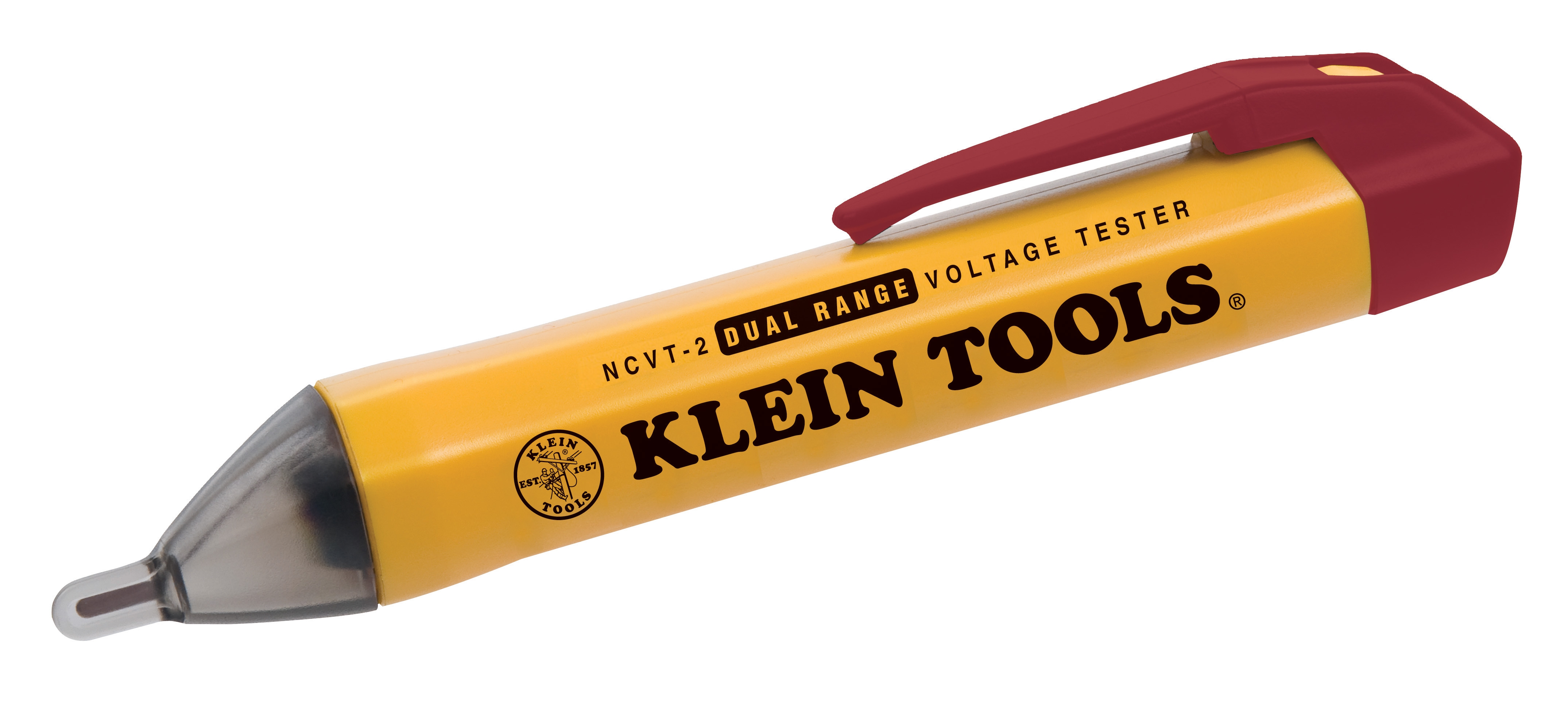
Electrical Voltage Detection: Non-contact voltage detectors represent the first line of defense in electrical diagnostics, allowing technicians to verify de-energization before working on circuits. The CBM Non-contact Voltage Detector features dual-range capability with a detection range of 6 mm maximum, enabling technicians to identify energized conductors without physical contact. This specification is critical in global operations where equipment may have live circuits at varying voltages (120V, 240V, 380V, 415V depending on region). The dual-range design accommodates both standard household voltage (low range) and industrial three-phase systems (high range), making it suitable for diverse facility types. Non-contact detection eliminates risk of arc flash or contact injury, a critical safety consideration in global compliance frameworks.
Electrical Parameter Measurement: The CBM Automatic Multimeter MM420 provides comprehensive AC/DC voltage, current, and resistance measurement in a single portable instrument. Specifications include a 9V battery, 400 mA/250V fuse protection, maximum AC/DC low current of 400 mA, and maximum high current of 10 A. The automatic range-selection feature reduces operator error—a significant consideration in global facilities where technicians may work across multiple shift rotations and language barriers. This instrument's dual current rating (400 mA low / 10 A high) addresses both delicate electronic circuits and motor startup diagnostics. The 9V battery design ensures global availability; replacements exist in virtually every country.
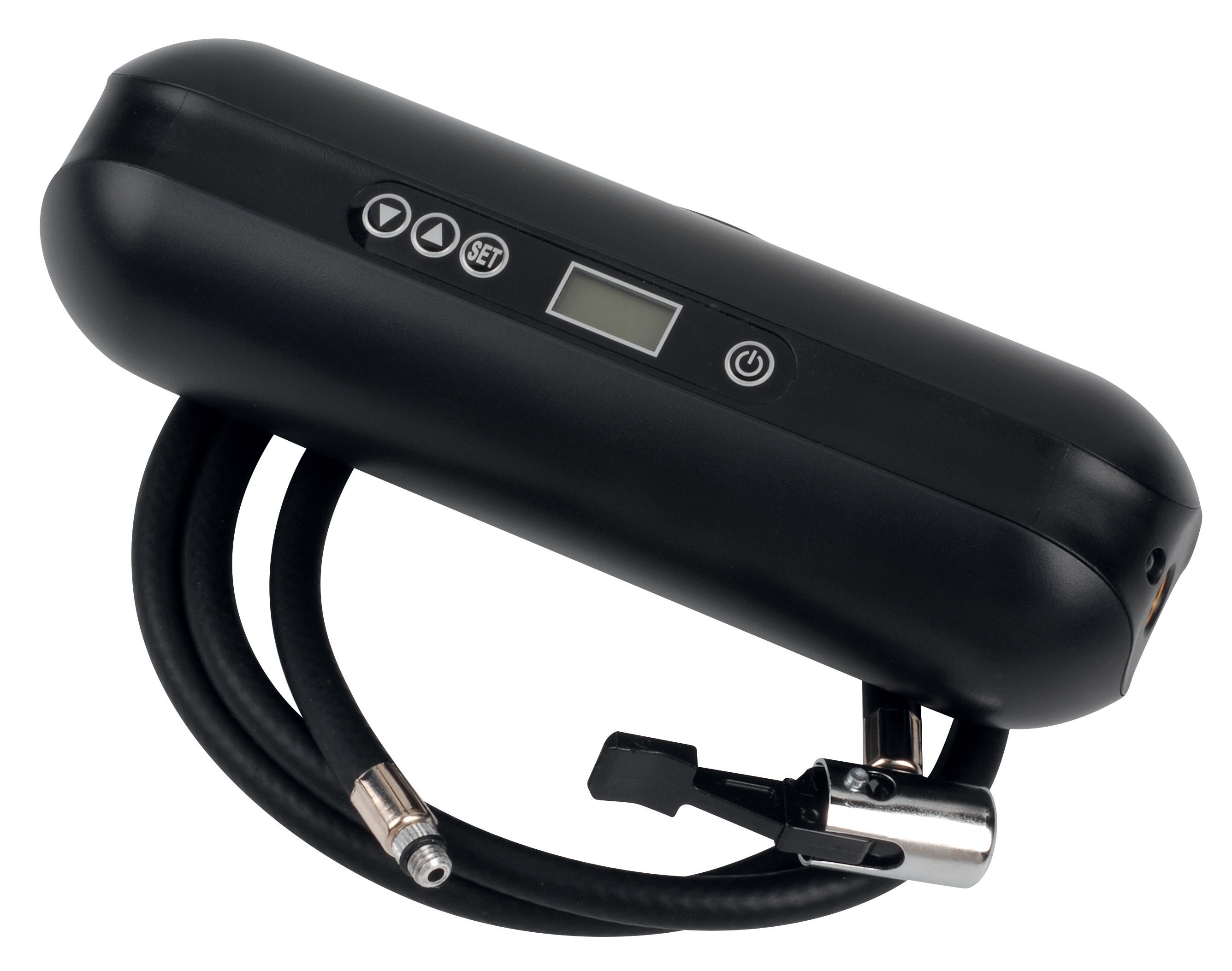
Pressure Monitoring—Low Pressure Applications: The CBM Expansion Tank Inflator (2000 mAH) combines measurement and control in expansion tank diagnostics. With maximum pressure of 10.3 bar (150 PSI), operating temperature range of -20°C to +60°C, and support for multiple pressure units (PSI, BAR, KPA, KG/CM²), this tool addresses both cold-climate installations (outdoor HVAC systems) and tropical facilities common in global industrial zones. The 2000 mAH battery provides sufficient runtime for routine maintenance cycles, while the multi-unit display eliminates conversion errors when technicians transition between regional standards.
Pneumatic System Diagnostics: The CBM Multifunction Inflator (2500 mAH) offers broader pressure capabilities (120 PSI maximum), extended runtime (35 minutes continuous), and dual motor options (brushed 620g / brushless 590g). The 45W power rating and 2500 mAH capacity make this suitable for high-frequency pneumatic applications—automotive shops, industrial assembly lines, or manufacturing quality control. Operating temperature range of -10°C to +45°C covers most temperate and subtropical facilities, though it requires storage in climate-controlled environments for cold-climate operations.
Temperature Measurement: The CBM Axial Thermometer (D65, -40/+40°C) provides mechanical temperature indication across an exceptionally wide range. With black steel case, brass stem, NPT connection, and 5 cm insertion depth, this instrument suits HVAC water line diagnostics, boiler output verification, and hydronic heating troubleshooting. The thermowell (protective sheath) allows insertion into pressurized systems without shutdown—a significant advantage in continuous-operation facilities.
Real-World Application Scenarios: Where Each Instrument Proves Essential
Scenario 1—HVAC Commissioning in Tropical Climate: A facility in Southeast Asia requires system startup verification. Technicians use the Non-contact Voltage Detector to confirm de-energization before opening electrical panels (humidity-prone environment). They measure compressor current startup profile with the Automatic Multimeter, then verify expansion tank pre-charge pressure using the Expansion Tank Inflator, adjusting for local atmospheric pressure (typically 1.01 bar at sea level, but may vary in elevated locations). Finally, they measure cooling water temperature at inlet/outlet using the Axial Thermometer to verify heat transfer performance—a diagnostic impossible with non-contact infrared tools when water lines are insulated.
Scenario 2—Pneumatic System Troubleshooting in Manufacturing: A production line experiences inconsistent air tool performance. Using the Multifunction Inflator, technicians measure actual line pressure at multiple points (compressor outlet, after main filter, at work stations) to identify pressure drop locations. The 35-minute runtime allows comprehensive testing without mid-session battery swaps. Measurements in multiple units (PSI for machine operators, bar for European equipment specifications) ensure clear communication across the facility.
Scenario 3—Electrical Safety Verification in Multi-Building Campus: Global facility standards require monthly verification that branch circuits are de-energized before maintenance. The Non-contact Voltage Detector's 6 mm range allows quick testing through breaker box covers without opening exposed panels—reducing arc flash risk. The dual-range feature accommodates both 120/240V North American systems and 230/400V European systems within the same facility campus.
Comparison Matrix: Specifications and Application Suitability
| Instrument | Primary Function | Key Spec | Operating Temperature | Best For |
|---|---|---|---|---|
| Non-contact Voltage Detector | Electrical safety | Dual-range, 6 mm detection | Ambient (not specified) | De-energization verification, live circuit location |
| Automatic Multimeter MM420 | Electrical diagnostics | 400 mA low / 10 A high current | Ambient (not specified) | Circuit troubleshooting, motor startup analysis |
| Expansion Tank Inflator 2000 mAH | Pressure measurement & adjustment | 10.3 bar / 150 PSI max; 4-unit display | -20°C to +60°C | HVAC expansion tank pre-charge, cold climate operations |
| Multifunction Inflator 2500 mAH | High-pressure diagnostics | 120 PSI max; 35-min runtime | -10°C to +45°C | Pneumatic systems, compressed air networks, frequent testing |
| Axial Thermometer D65 | Temperature measurement | -40°C to +40°C range; 5 cm insertion | -40°C to +40°C | HVAC water line diagnostics, boiler commissioning |
Selection Criteria: Matching Tools to Facility Profiles
For Facilities in Extreme Temperature Regions: The Expansion Tank Inflator (2000 mAH) with -20°C to +60°C rating is essential in cold-climate installations where outdoor HVAC components experience subzero conditions. Facilities in tropical zones may find the Multifunction Inflator adequate (limited to -10°C), but should maintain the higher-capacity tool for emergency contingencies.
For High-Volume Diagnostic Operations: Manufacturing facilities performing continuous pneumatic diagnostics benefit from the Multifunction Inflator's 35-minute runtime—eliminating mid-session charging delays. Facilities with intermittent testing (weekly or monthly verification cycles) can operate effectively with the Expansion Tank Inflator's 2000 mAH capacity and lower cost profile.
For Multi-Standard Environments: Procurement teams managing facilities across North America, Europe, and Asia should prioritize tools with multi-unit pressure displays (both inflators support PSI, BAR, KPA, KG/CM²). This eliminates operator conversion errors and reduces training requirements.
For HVAC-Dominant Facilities: The combination of Non-contact Voltage Detector + Automatic Multimeter + Expansion Tank Inflator + Axial Thermometer creates a complete commissioning and diagnostics toolkit. This combination addresses all four measurement domains essential to HVAC system validation.
Integration with Existing Measurement Infrastructure
These portable instruments complement fixed monitoring systems and software-based diagnostics. While Building Management Systems (BMS) may track continuous temperature and pressure data, portable instruments provide validation, spot-checking, and emergency diagnostics when sensors fail or data appears anomalous. The Automatic Multimeter's automatic range selection ensures consistency across operator experience levels—critical when distributed teams across global facilities perform equivalent diagnostics. Consider standardizing on tools offering multi-unit displays to reduce regional configuration variations and simplify spare parts inventory.
Procurement Considerations for Global Operations
When selecting measurement and detection instruments for global deployment, evaluate battery availability in target regions (9V batteries like those in the Automatic Multimeter exist worldwide; proprietary packs require forward inventory planning). Verify connection standards align with local systems (NPT threading on the Axial Thermometer suits North American installations; some regions prefer ISO metric connections). Consider temperature extremes at both storage and operating locations—the Expansion Tank Inflator with -20°C rating provides margin in borderline cold-climate installations. Document tool procurement preferences in regional maintenance procedures to ensure consistency and simplify training.
Measurement and detection equipment represents an essential investment in facility reliability and technician safety. By understanding the technical specifications, application scenarios, and selection criteria outlined in this guide, procurement engineers can make confident decisions that align with specific facility profiles, climate conditions, and operational demands across global operations. 3G Electric maintains inventory of these essential instruments and can provide technical consultation to ensure your facility has the right measurement and detection capabilities for reliable operation worldwide.