Electrical & Pressure Measurement Tools Comparison: Essential Detection Equipment for Singapore Industrial Facilities
Industrial facilities across Singapore rely on accurate measurement and detection equipment to maintain operational safety, regulatory compliance, and system reliability. Whether monitoring pressure systems, detecting electrical hazards, or measuring temperature variations, the right tools directly impact maintenance efficiency and risk mitigation. This article compares five essential measurement and detection devices that form the backbone of most industrial maintenance programs: electrical testers, pressure gauges, thermocouples, and specialized inflators. Understanding the technical specifications, operational strengths, and real-world applications of these tools enables facility managers and maintenance technicians to make informed procurement decisions aligned with their specific operational requirements and environmental conditions.
Understanding Measurement & Detection Equipment Categories in Industrial Operations
Measurement and detection equipment serves multiple critical functions in industrial environments. Electrical measurement tools identify voltage hazards and circuit faults before they cause equipment damage or safety incidents. Pressure measurement devices monitor system integrity in hydraulic, pneumatic, and fluid distribution networks. Temperature measurement tools track thermal conditions in HVAC systems, boilers, and process equipment. These categories often overlap—a single maintenance task might require voltage detection, pressure verification, and temperature monitoring across interconnected systems.
In Singapore's tropical industrial environment, environmental factors significantly influence equipment selection. High humidity, corrosive salt air in coastal facilities, and temperature fluctuations require measurement devices with stainless steel construction and sealed housings. The regulatory framework also shapes requirements: facilities handling refrigeration systems must comply with stringent gas detection standards, while electrical work requires certified non-contact voltage detection methods aligned with safety codes. Equipment durability becomes particularly important given the demanding operational schedules typical in Singapore manufacturing, logistics, and building services sectors.
The measurement and detection market offers specialized solutions rather than universal alternatives. A general-purpose multimeter cannot replace a dedicated non-contact voltage detector for live circuit work. A pressure gauge suitable for low-pressure diagnostic work differs substantially from equipment rated for high-pressure hydraulic systems. Understanding these distinctions prevents over-specification (unnecessary cost) and under-specification (operational risk). This comparison focuses on essential tools that address the most common measurement scenarios across Singapore industrial facilities.
Technical Specifications and Operational Characteristics of Core Measurement Tools
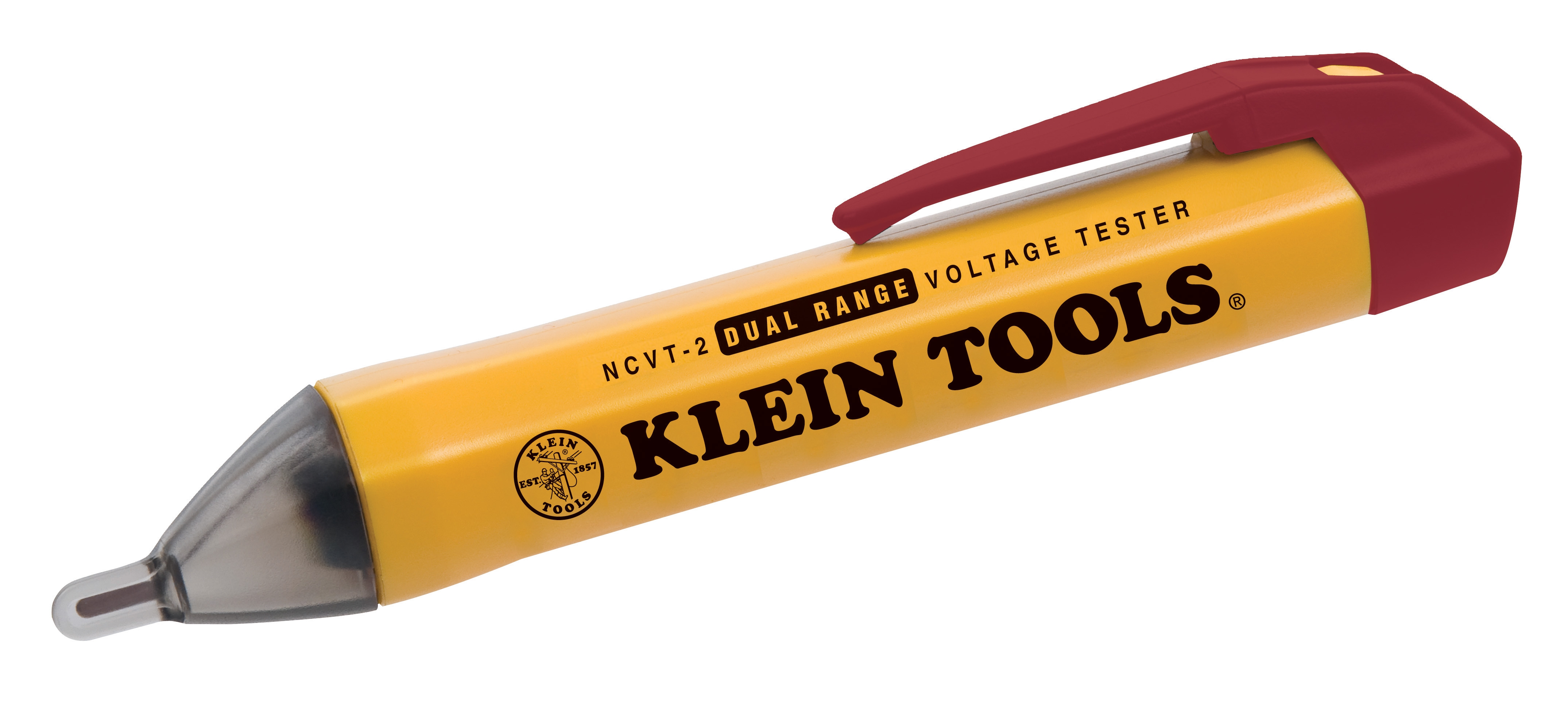
The CBM Non-contact Voltage Detector represents the modern approach to electrical hazard identification. Operating on a dual-range principle, this device detects voltage presence without direct circuit contact—eliminating shock risk during initial circuit assessment. The detector's LED and audible indicators provide immediate visual and acoustic feedback, enabling rapid identification of live conductors in low-light or high-noise industrial environments. Non-contact voltage testers are essential safety tools where circuit continuity requires verification before maintenance work begins. The device's single-hand operation enables simultaneous probe positioning and hazard awareness—a critical safety feature when working in confined spaces or near rotating equipment.
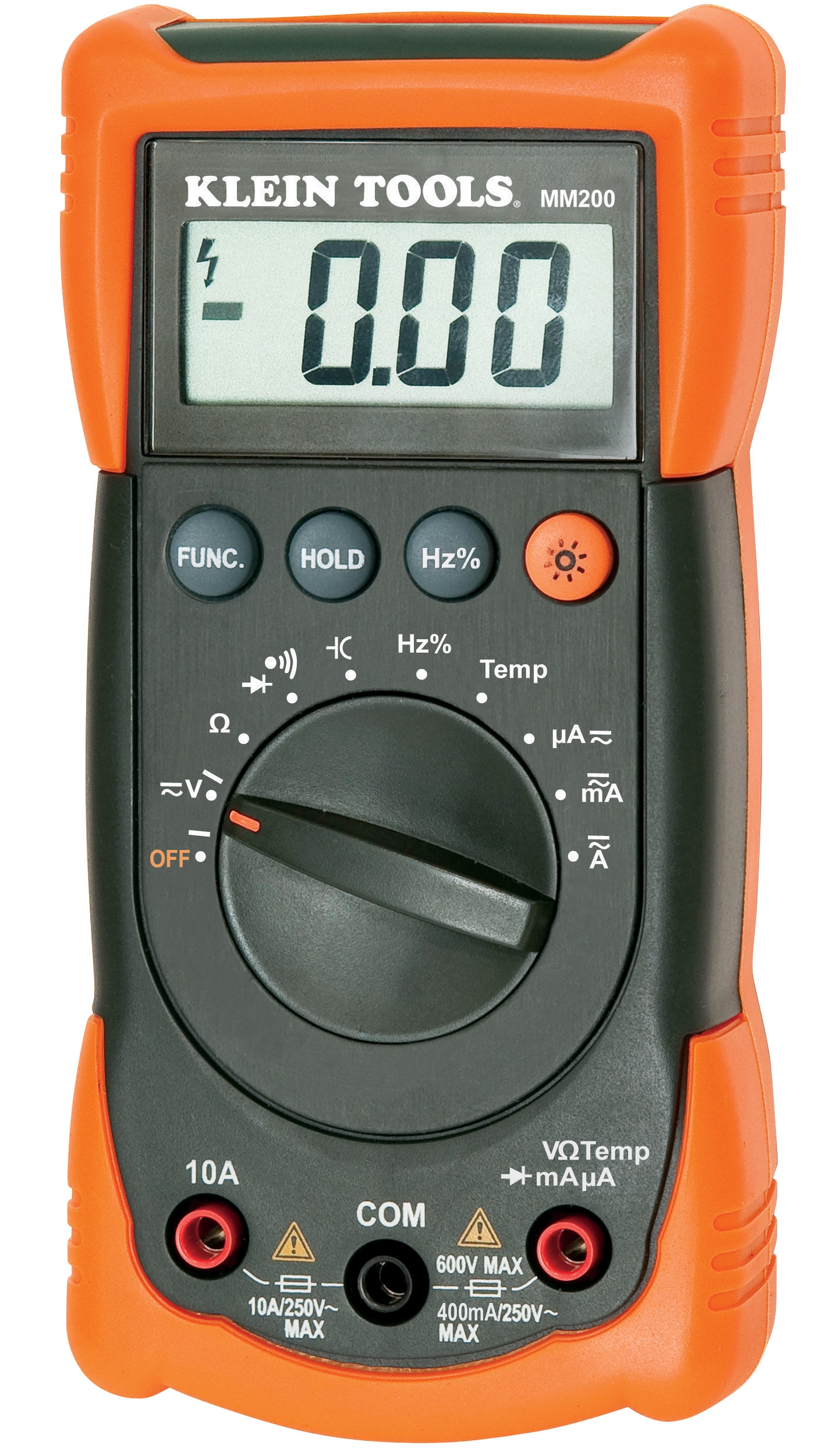
The CBM Automatic Multimeter MM420 provides comprehensive electrical parameter measurement across multiple measurement modes. Automatic range selection eliminates the setup errors that plague manual multimeters in field conditions—the device automatically identifies appropriate measurement ranges, reducing operator training requirements and measurement uncertainty. The MM420 configuration supports AC/DC voltage measurement, current measurement across low-range (<400mA) and standard ranges, resistance measurement, and frequency analysis. Battery-powered operation provides portability essential for troubleshooting distributed systems across multi-building facilities. The combination of automatic operation and comprehensive measurement modes positions this device as an appropriate choice for general maintenance teams requiring electrical parameter verification without specialized expertise.
Pressure measurement equipment addresses distinct operational requirements depending on system type and pressure range. The CBM Glycerin Stainless Steel Pressure Gauge (D50 0/+4bar) serves low-pressure applications common in HVAC systems, soft plumbing networks, and diagnostic work. The 4 bar maximum rating suits systems operating below typical industrial pressure thresholds, while the glycerin-filled case dampens needle vibration—extending gauge lifespan in facilities with fluctuating pressure conditions. The stainless steel construction and G1/4 connection provide compatibility with standard plumbing and pneumatic fittings while resisting corrosion in humid Singapore environments. For higher-pressure applications, CBM offers graduated pressure gauges extending to 400 bar capacity, addressing hydraulic systems, compressed gas storage, and industrial process equipment monitoring.
Temperature measurement through the CBM Type K Thermocouple enables non-contact or immersion-based thermal monitoring for infrared thermometer systems and digital displays. Type K thermocouples operate across the -200°C to +1372°C range, covering applications from low-temperature refrigerant work through high-temperature industrial process monitoring. The thermocouple's response time and accuracy characteristics make it suitable for both static temperature verification (equipment validation) and dynamic monitoring (trend analysis across operating cycles). In conjunction with appropriate display equipment, thermocouples provide the thermal visibility essential for condition-based maintenance programs.
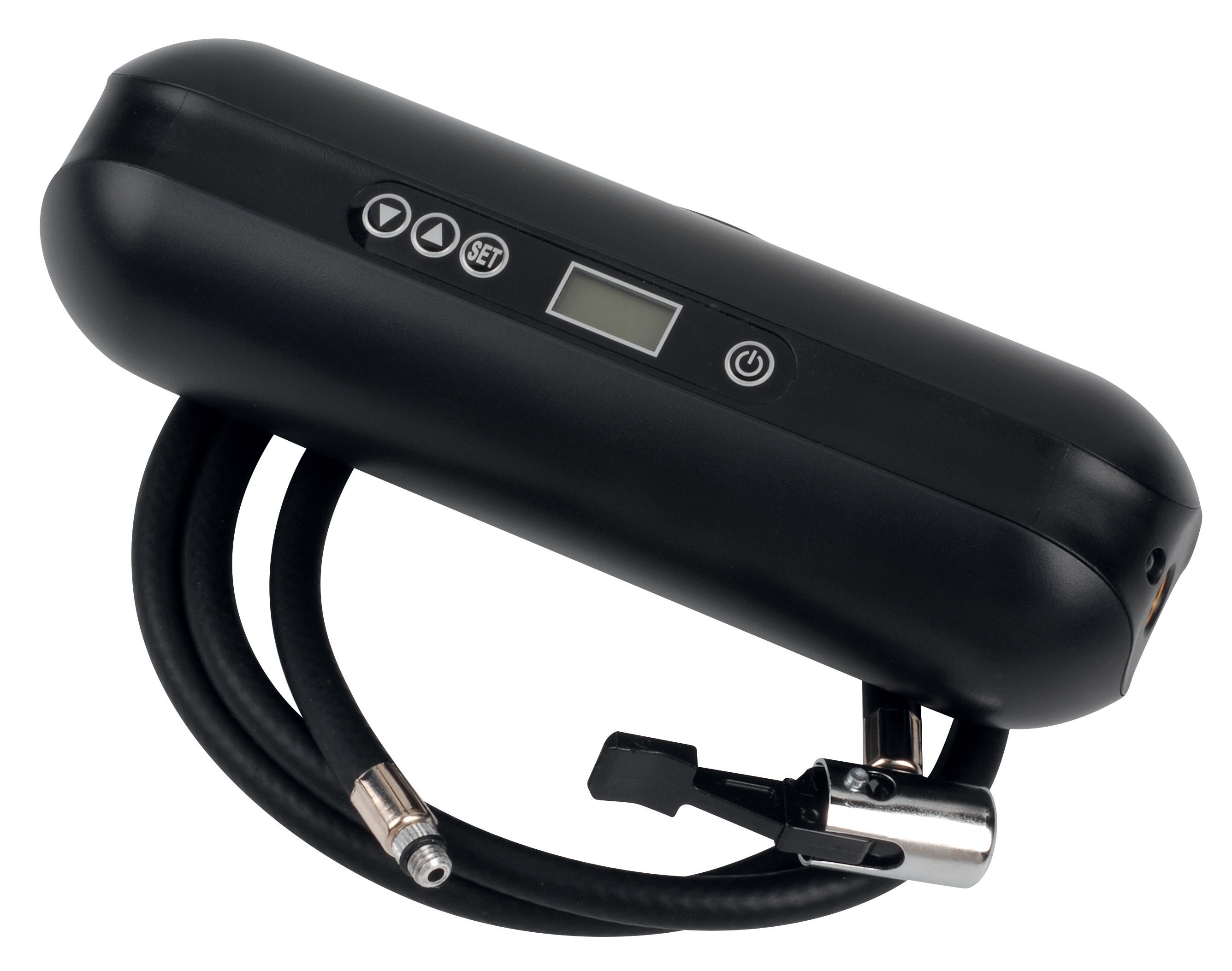
The CBM Expansion Tank Inflator (2000 mAH battery) addresses a specialized but critical measurement need in HVAC systems. Expansion tanks require precise pre-charge pressure verification—incorrect pressure reduces system efficiency and accelerates component failures. This device combines digital pressure display with automated inflation control: operators set desired pressure using integrated buttons, and the device automatically stops when target pressure is reached. USB and car charging options support deployment across multiple worksites without infrastructure-dependent charging requirements. The built-in pressure measurement display provides the verification data essential for regulatory documentation and system commissioning records.
Real-World Application Scenarios in Singapore Industrial Environments
A facility manager overseeing a 50-unit air conditioning system requires systematic pressure and temperature monitoring across refrigerant circuits. The maintenance team uses the non-contact voltage detector to verify electrical isolation before accessing circuit components, eliminating shock risk during component replacement. The multimeter measures compressor winding resistance and capacitor voltage to diagnose electrical faults before committing to expensive component replacement. Pressure gauges monitor refrigerant charge conditions at compressor inlet and discharge points, identifying undercharge conditions (efficiency loss) and overcharge conditions (compressor stress). Type K thermocouples measure evaporator and condenser temperatures to calculate delta-T values confirming proper refrigerant circulation. This multi-tool approach transforms a complex diagnostic process into a systematic procedure that reduces troubleshooting time and supports preventive maintenance planning.
In a building services environment managing boiler systems and hydronic distribution networks, pressure gauges monitor circulation pump discharge pressure and differential pressure across heating circuits. An abnormal pressure rise indicates potential blockage in heat exchangers or distribution piping. Industrial thermometers measure supply and return water temperatures, calculating system delta-T to verify circulation effectiveness. When pressure spikes without temperature changes, the facility team can immediately identify the specific circuit requiring attention—reducing diagnostic time and minimizing thermal discomfort in occupied spaces. This application demonstrates how pressure and temperature measurement tools work synergistically to support evidence-based maintenance decisions.
Manufacturing facilities with pneumatic equipment depend on compressed air pressure stability. Pressure gauges at supply headers, equipment inlets, and drain points create a pressure monitoring network identifying leaks, regulator failures, and compressor performance degradation. When pressure drops below system operating requirements, the facility team can systematically test different circuits using low-pressure measurement equipment—isolating the leak source with precision rather than applying facility-wide shutdown. This targeted troubleshooting minimizes production interruption and reduces compressed air waste.
Technical Comparison Table: Measurement & Detection Equipment Specifications
| Equipment Type | Primary Function | Key Specifications | Ideal Applications | Environmental Rating |
|---|---|---|---|---|
| Non-contact Voltage Detector | Electrical hazard detection | Dual-range detection; LED/audible indicators; single-hand operation | Circuit isolation verification; live conductor identification; safety-critical work | Indoor/outdoor; variable humidity tolerance |
| Automatic Multimeter MM420 | Comprehensive electrical parameter measurement | AC/DC voltage; current measurement (<400mA low-range); frequency analysis; auto-range | Circuit troubleshooting; component testing; system diagnostics | Battery-powered portable operation |
| Glycerin Pressure Gauge D50 (0/+4bar) | Low-pressure system monitoring | Range: 0-4 bar; glycerin-damped movement; stainless steel case; G1/4 connection | HVAC diagnostics; soft plumbing; expansion tank verification; low-pressure pneumatic work | Corrosion-resistant stainless construction for humid environments |
| Type K Thermocouple | Temperature measurement for infrared systems | Range: -200°C to +1372°C; fast response time; universal display compatibility | HVAC delta-T verification; process monitoring; thermal diagnostics | Immersion and non-contact capable; temperature extremes |
| Expansion Tank Inflator (2000 mAH) | Precision pressure setting and verification | 2000 mAH rechargeable battery; digital pressure display; auto-stop inflation; USB/12V charging | HVAC expansion tank commissioning; pressure pre-charge verification; system diagnostics | Portable field operation; no infrastructure requirement |
Selection Criteria and Procurement Guidance for Singapore Facilities
Selecting appropriate measurement and detection equipment requires balancing three factors: operational necessity (which measurement functions are mandatory for your systems), environmental suitability (corrosion resistance and temperature range for Singapore's tropical climate), and team capability (operator training requirements and skill level). Most facilities benefit from developing a core equipment set rather than attempting to purchase every specialized variant. A non-contact voltage detector, multimeter, and pressure gauge set cover approximately 80% of routine maintenance and troubleshooting requirements across diverse industrial systems. Specialized equipment (thermocouples, tank inflators) supplements the core set for facility-specific needs.
Budget allocation should prioritize safety-critical equipment (voltage detectors, test meters) over diagnostic convenience items. A reliable non-contact voltage detector is the single most important investment for electrical safety—it prevents arc flash incidents and shock hazards that multimeters cannot address. Pressure gauge quality also justifies investment: inaccurate gauges generate incorrect maintenance decisions, potentially leading to equipment failures or safety incidents. Conversely, certain equipment like digital inflators may function adequately in lower-specification versions for facilities conducting limited expansion tank work.
For facilities managing measurement and detection systems across multiple worksites, establishing equipment standardization simplifies operator training, spares management, and troubleshooting documentation. Using identical equipment models across sites enables technicians to work effectively at any location without equipment-specific learning requirements. This operational consistency particularly benefits Singapore facilities with distributed operations across industrial parks, building complexes, and remote engineering sites.
3G Electric serves Singapore industrial facilities with comprehensive measurement and detection equipment selection, technical specifications documentation, and application guidance. Our team understands the specific environmental and regulatory requirements affecting equipment selection in Singapore's industrial landscape. Contact our measurement and detection specialists to discuss your facility requirements and receive tailored equipment recommendations. Whether you need voltage detection safety equipment, pressure monitoring systems, or specialized diagnostic tools, our technical team can match your operational requirements with appropriate solutions and provide ongoing support for equipment deployment and maintenance.