
Understanding Measurement & Detection Requirements for Southeast Asia Thermal Systems
Southeast Asia's tropical climate presents unique challenges for thermal management infrastructure. High ambient temperatures, humidity fluctuations, and seasonal monsoon variations demand measurement and detection systems that perform reliably beyond standard specifications. Procurement engineers managing HVAC installations, district heating networks, or industrial thermal systems must specify equipment capable of functioning consistently across temperature swings of 15–40°C with humidity levels frequently exceeding 80%.
Over 35 years, 3G Electric has supplied measurement and detection equipment to facilities managers across the region, and we've observed that undersized or poorly selected instrumentation is the primary cause of thermal system failures. Temperature probes drift out of calibration within 18 months if not rated for the local climate. Pressure gauges fog over in humid conditions, rendering readings unreliable. Expansion tank inflators fail at critical moments because battery specifications don't account for the heat stress of tropical environments.
This guide addresses the practical specification decisions procurement engineers face when selecting measurement and detection tools for thermal systems in markets like Thailand, Vietnam, Malaysia, and Indonesia, where system uptime directly impacts cooling and heating capacity during peak seasons.
Selecting Temperature Detection Probes for Thermal Process Monitoring
Temperature measurement forms the foundation of thermal system control. Unlike installation guides that focus on placement, procurement engineers must specify probes that deliver accurate, stable readings across the operating envelope of Southeast Asia's climate.
The Dwyer PT100 OHM RTD temperature probe represents the industrial standard for thermal applications because it combines ±0.6% accuracy with a -35.5 to +115.5°C operating range—sufficient for chilled water loops (6–12°C), heating systems (45–80°C), and condenser circuits (40–55°C) simultaneously deployed across a single facility. The flexible copper capillary design accommodates installation constraints in retrofit projects, which are common in Southeast Asian retrofits where space is limited and system reconfigurations are frequent.
When specifying RTD probes, procurement engineers should verify three characteristics:
- Response time at operating conditions: A 65mm probe immersed in turbulent chilled water achieves measurement stability within 15–20 seconds. In low-velocity heating pipes (common in district heating systems), response time extends to 45–60 seconds. Specify probe length accordingly; longer probes provide better averaging in variable-temperature zones.
- Capillary length and routing: Southeast Asia's retrofit installations often route sensor capillaries through cable trays shared with electrical runs or across exterior walls exposed to UV and thermal cycling. Copper capillary construction resists corrosion better than stainless steel in high-humidity environments, though shielding against direct sunlight extends service life by 3–5 years.
- Flange mounting compatibility: Most regional chiller and boiler manufacturers support flange-clip mounting rather than thermowell connections. The PT100 probe's flange configuration eliminates the need for custom adapters, reducing procurement lead times in markets where specialized fittings require 8–12 week sourcing.
For thermal systems spanning multiple zones or requiring high measurement density, specify probes with quick-disconnect connectors rather than hardwired terminals. This approach reduces installation time by 30–40% and simplifies future probe replacement without draining system fluid.
Pressure Detection and Expansion Tank Management
Pressure measurement in thermal systems serves two critical functions: protecting equipment from overpressurization and confirming system integrity during commissioning and operation. Southeast Asia's thermal infrastructure operates under higher ambient pressure variations than temperate regions due to altitude differences (sea level to 1,000+ meters) and seasonal barometric fluctuations.
For low-pressure industrial monitoring, the Preciman stainless steel vertical pressure gauge provides ±1.6% accuracy across 0–40 mbar—appropriate for expansion tank monitoring, low-pressure steam systems, and negative-pressure HVAC return ducts. The 63mm dial is readable from 2–3 meters distance, essential in plant rooms where operators must verify system status without approaching equipment. Stainless steel construction resists corrosion from system fluid aerosols and tropical humidity; the copper alloy wetted parts require periodic inspection in facilities using aggressive water treatment chemicals.
When procuring pressure gauges for thermal applications, specify dual-pointer models where possible. The fixed pointer records maximum pressure during startup transients—a critical diagnostic tool for identifying pressure relief valve malfunction or thermal shock events. Seasonal system commissioning in Southeast Asia frequently reveals that relief valves set during installation (often 35°C ambient) open prematurely when ambient temperature drops to 15°C during cooler months, reducing system pressure and thermal capacity.
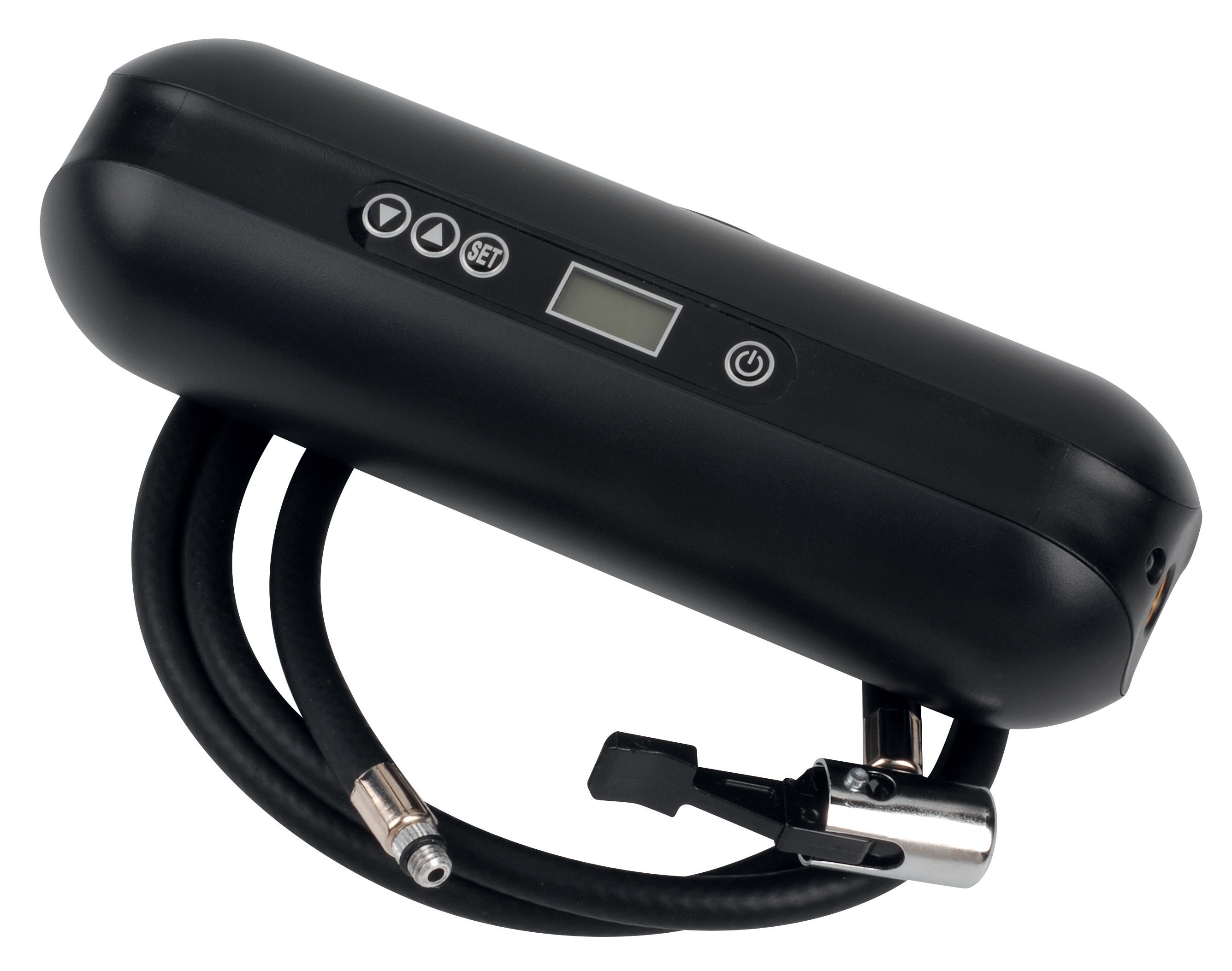
Expansion tank inflators present a frequently overlooked procurement decision. The CBM expansion tank inflator battery 2000 mAH operates across -20 to 60°C and maintains charge stability critical for tropical applications. Standard inflators rated only to 40°C maximum experience battery degradation within 6 months if stored in uninsulated equipment rooms reaching 50°C. Specify inflators with 2000+ mAH capacity; the 2000 mAH model delivers 15–20 pressure confirmations per charge, sufficient for monthly commissioning checks without recharging between site visits.
Establish inflation procedures that account for Southeast Asia's seasonal temperature swings. Expansion tank precharge pressure set at 10°C ambient (cool season) may exceed 3.0 bar at 35°C peak ambient, causing unnecessary pressure relief opening. Implement quarterly pressure verification during seasonal transitions and document baseline readings—this historical data identifies gradual system leaks before they cause performance loss.
Differential Pressure Detection for Flow Measurement and System Balancing
Differential pressure measurement enables procurement engineers to verify that thermal systems deliver designed flow rates to all zones, a critical validation in multi-zone Southeast Asian installations where piping distances often exceed 50–100 meters.
The Dwyer 616KD-13V-TC differential pressure transmitter measures 0–1 IN W.C (0–249 Pa) with 21 mA maximum power consumption, suitable for both HVAC air-side applications and hydronic water-side balancing. The transmitter's low power consumption is significant for facilities operating off backup generators during typhoon season—smaller UPS battery packs support extended operation, and 12VDC output can integrate with simple data logging systems using battery-backed backup power.
For flow measurement in air distribution systems, the Dwyer metal average flow probe MAFS-16 integrates total and static pressure measurement across 16 cm probe length, providing velocity estimation without calibration against known standards. This probe design reduces installation complexity in ductwork retrofits where precision Pitot tube positioning proves difficult.
When specifying differential pressure instruments for Southeast Asia:
- Environmental protection: Transmitters must be mounted in conditioned space or shielded from direct rainfall. Coastal facilities and those near cooling towers experience salt-laden air that accelerates terminal block corrosion; specify sealed connectors and stainless steel sensor ports.
- Flow verification during monsoon: Differential pressure monitoring provides early warning when inlet fouling or debris reduces system flow capacity. Establish baseline DP readings during dry season and compare against monsoon-period measurements to identify filter loading and maintenance urgency before capacity loss occurs.
- Integration with building management systems: Differential pressure transmitters output 4–20 mA signals compatible with most regional BMS platforms (Honeywell, Siemens, local integrators). Specify transmitters with high-impedance output for long wiring runs (common in sprawling Southeast Asian industrial campuses) where voltage drop across cabling can introduce measurement error.
Flow verification during seasonal system commissioning reveals imbalances causing 15–25% capacity loss in multi-zone installations. Three-path commissioning protocols (supply, return, and differential) require coordinated measurement across multiple instruments; establish procurement specifications that include calibration certificates traceable to national standards (each Southeast Asian country maintains regional metrology institutes).
Practical Procurement and Maintenance Strategies for Regional Operations
Successful measurement and detection deployments in Southeast Asia require procurement strategies that account for regional supply chain realities and operational practices.
Standardization across facility portfolios: Facilities operating multiple thermal plants across different countries benefit from standardizing on specific probe and transmitter models. 3G Electric's 35-year track record serving regional customers demonstrates that spare inventory for standardized instruments reduces mean time to repair by 60–70% compared to mixed-vendor environments. When a PT100 probe fails, having ten identical spares on hand allows same-day replacement rather than a 10-day sourcing lead time.
Calibration management: Temperature probes and pressure transmitters drift out of specification over 12–24 months in tropical climates. Establish annual calibration schedules with qualified regional service providers (many Southeast Asian countries require ISO/IEC 17025 accreditation for measurement certification). Budget replacement cycles assuming 80% of original cost recovery through refurbished equipment markets—older instruments often remain accurate enough for non-critical monitoring applications after recalibration.
Environmental redundancy: Specify redundant measurement points for critical parameters (chilled water supply temperature, system pressure, differential pressure across primary components). Redundancy costs 30–40% more upfront but reduces diagnostic time when instrument failure coincides with system malfunction. Operators can isolate whether a capacity loss stems from thermal load increase or measurement instrument drift.
Documentation and operator training: Thermal system operators across Southeast Asia may lack familiarity with digital meters and RTD probes. Specify analog indicators (mechanical pressure gauges, dial thermometers) alongside digital instruments, allowing operators to cross-reference readings and build confidence in measurement accuracy during commissioning.
Procurement engineers managing thermal systems across Southeast Asia should view measurement and detection specifications not as generic equipment selection but as application-specific decisions that reflect regional climate, operational practices, and supply chain realities. The 35+ years 3G Electric has worked with facilities in this region demonstrates that appropriate instrument selection reduces system failures, extends equipment life, and improves operational efficiency by 10–15% through better control response.