Understanding Measurement & Detection in Modern Plant Operations
Measurement & Detection technologies have become critical tools for plant managers seeking to maximize operational efficiency and minimize unexpected failures. Unlike reactive maintenance approaches, real-time measurement systems provide continuous visibility into system performance, enabling data-driven decisions that impact your bottom line.
At 3G Electric, we've supported industrial facilities across the region for over 35 years, and we've observed a clear pattern: plants that implement comprehensive measurement and detection strategies experience 15-25% improvements in energy efficiency and significantly reduced emergency repairs. The key difference lies in moving from occasional spot-checks to continuous, integrated monitoring that captures the full picture of your system's health.
For plant managers in Singapore's competitive industrial environment, Measurement & Detection isn't just about compliance—it's about competitive advantage. Modern equipment provides granular data that reveals optimization opportunities invisible to traditional monitoring methods.
Section 1: Establishing Your Measurement Foundation
Start with Critical System Points
The first step in optimization is identifying which systems matter most to your operations. For HVAC and heating systems, this typically means three priority areas:
- Pressure monitoring at expansion tanks and distribution points
- Temperature measurement across thermal circuits
- Flow verification to confirm system balance
Each measurement point generates data that tells you whether your system is operating at design conditions or drift toward inefficiency.
Multi-Point Strategy for Comprehensive Data
Plant managers often ask whether single-point monitoring is sufficient. The answer is no—distributed measurement gives you the complete picture. For example:
- A Preciman stainless steel vertical pressure gauge installed at your primary circuit shows you baseline system pressure
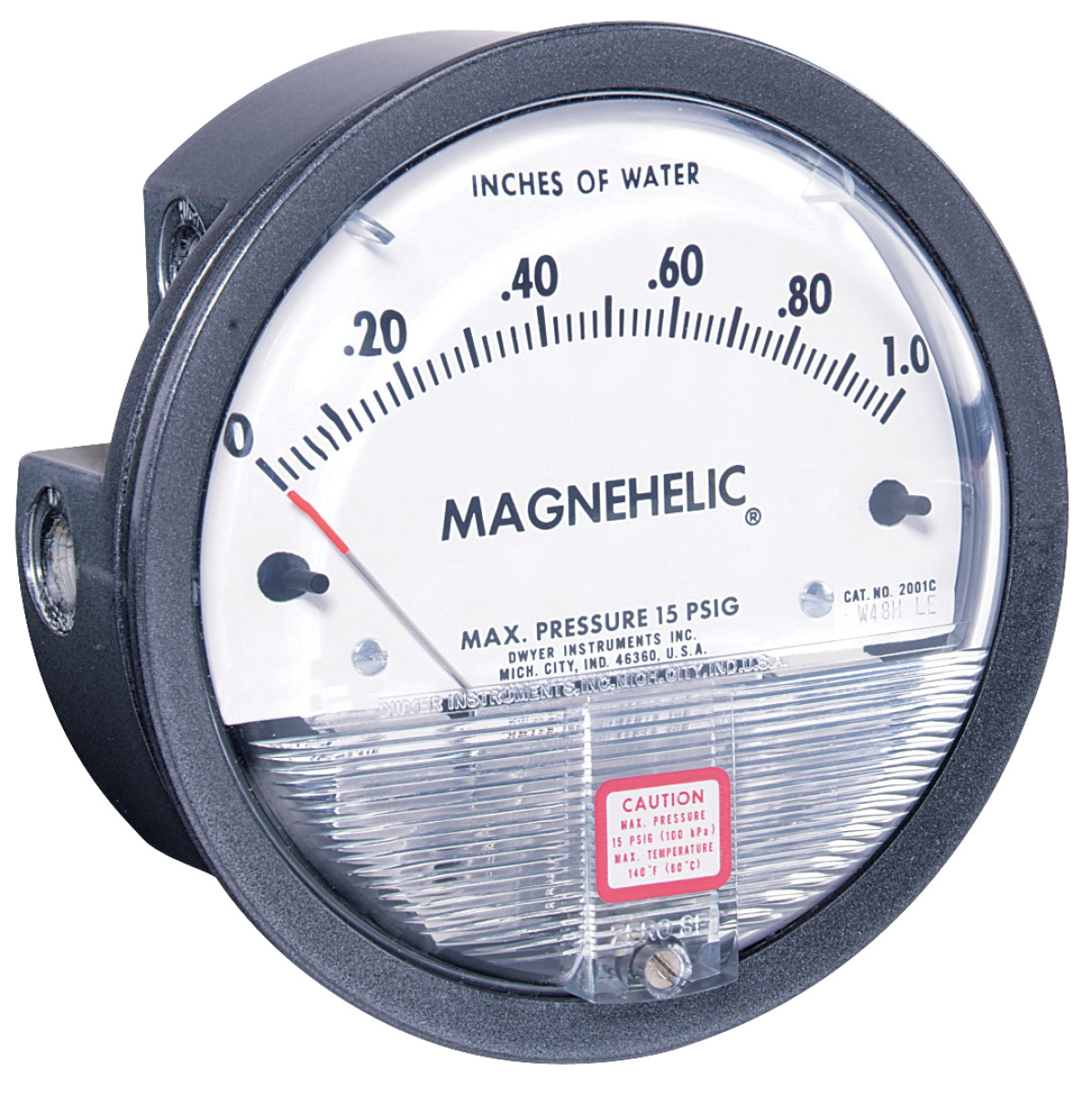
- A Dwyer differential pressure transmitter measures pressure drop across critical components
- Together, these readings reveal whether your pump is oversized, undersized, or operating at peak efficiency
This multi-point approach transforms raw data into actionable intelligence. When pressure readings diverge from design specifications, you know immediately which component requires attention before it fails.
Building Redundancy into Critical Measurements
For systems running 24/7, measurement reliability directly affects your decision-making quality. Consider installing backup temperature probes on critical circuits. The Dwyer PT100 OHM RTD temperature probe offers ±0.6% accuracy across industrial operating ranges, providing the precision plant managers need to detect subtle efficiency losses before they become major problems.
Section 2: Real-Time Pressure and Temperature Optimization
Reading Your Pressure Data
Pressure is the most revealing measurement in HVAC and heating systems. It tells you:
- Whether your pump is delivering adequate flow
- If components are becoming clogged or restricted
- When system imbalance is developing
Using the Dwyer 616KD-13V-TC differential pressure transmitter, plant managers can continuously monitor pressure drop across system sections. A gradual increase in differential pressure over weeks or months signals developing restrictions—allowing you to schedule maintenance during planned downtime rather than emergency shutdowns.
Temperature Measurement for Energy Efficiency
Temperature data reveals whether your system is delivering design performance. The Dwyer PT100 OHM RTD probe provides the accuracy needed to detect issues like:
- Insufficient heat transfer (indicating fouled exchangers)
- Excessive return temperatures (suggesting mixing issues)
- Thermal stratification problems in larger systems
Plant managers using real-time temperature monitoring typically identify 3-5 optimization opportunities annually—each with measurable energy savings.
Expansion Tank Integrity Monitoring
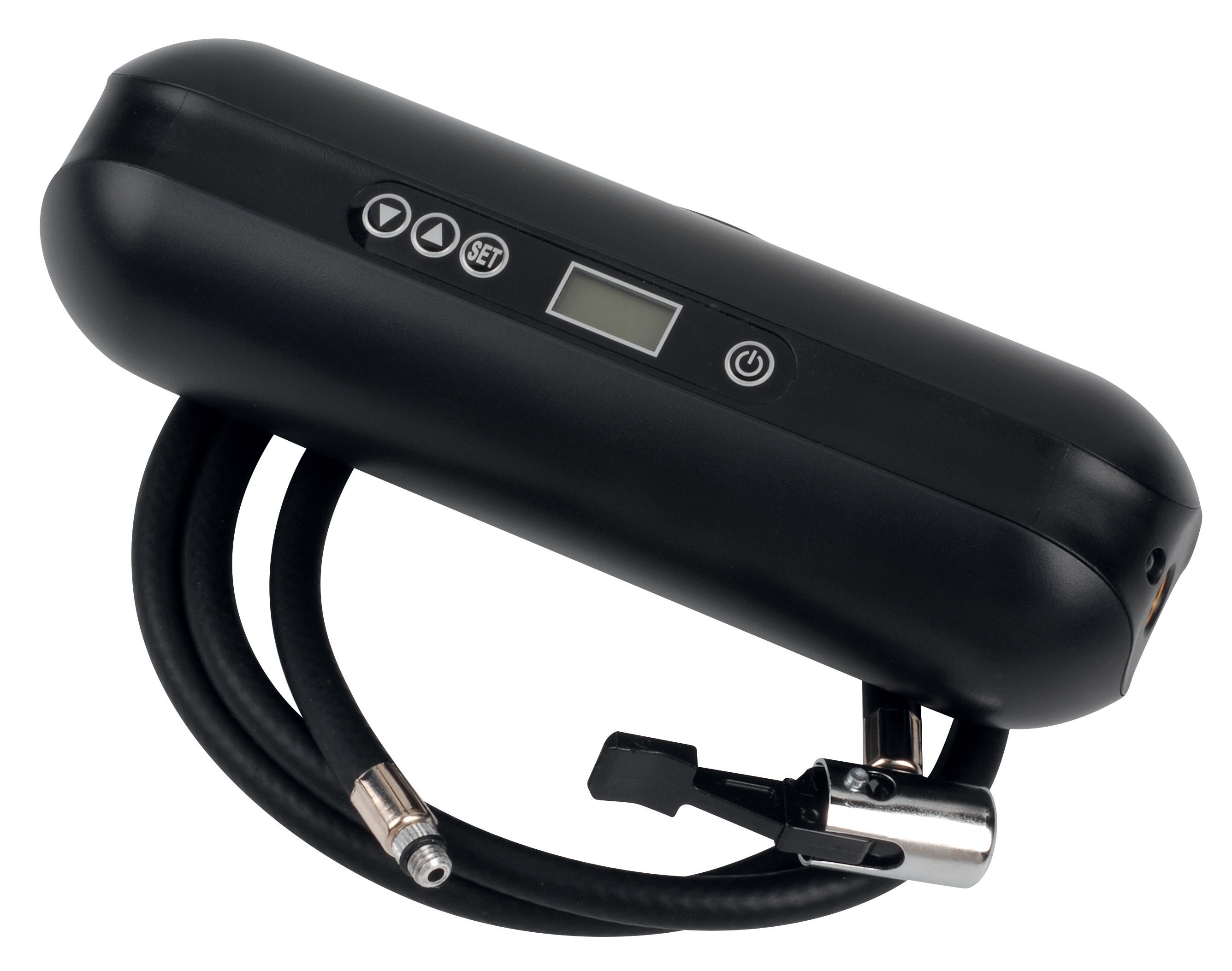
Expansion tanks are critical system components that often operate invisibly until failure occurs. The CBM expansion tank inflator allows you to maintain proper pre-charge pressure, which directly affects system efficiency and component lifespan. Regular measurement of tank pressure (using instruments like the Preciman gauge) reveals whether your tank is functioning correctly or losing integrity.
Section 3: Flow Measurement for System Balance
Why Flow Measurement Matters to Your Bottom Line
Unbalanced flow is an invisible cost driver in many plants. When some circuits receive excess flow while others starve, energy consumption increases while comfort or productivity suffers. The Dwyer MAFS-16 metal average flow probe provides the data needed to detect imbalance across HVAC distribution systems.
Flow measurement reveals:
- Whether balancing dampers have drifted from design settings
- If ductwork restrictions are developing
- Whether your system can maintain performance during peak demand
Implementing Flow Measurement Strategy
Plant managers should measure flow at:
1. Main supply points to verify total system flow matches design
2. Branch circuits to identify imbalanced circuits before they cause problems
3. Return paths to confirm system integrity
This layered approach to flow measurement typically reveals 5-10% optimization opportunities that reduce energy consumption while improving system reliability.
Section 4: Converting Measurement Data into Operational Improvements
Establishing Baseline Performance
Before optimizing, you need to know your baseline. Spend 2-4 weeks collecting continuous measurement data from all critical points. This establishes the normal operating envelope for your system under various load conditions.
Document:
- Pressure ranges throughout the day and across seasons
- Temperature profiles showing supply, return, and ambient relationships
- Flow consistency across circuits
Creating Action Thresholds
Not every measurement variation requires immediate action. Establish clear thresholds based on your baseline data:
- Green zone: Normal operation within ±5% of design
- Yellow zone: Monitoring required, schedule maintenance within 2-4 weeks
- Red zone: Immediate attention needed to prevent failures
Plant managers who implement this approach typically reduce emergency maintenance by 40-60%.
Seasonal Optimization Cycles
Use measurement data to drive seasonal adjustments. Before summer cooling season begins, verify that your system pressure, temperature, and flow readings match design specifications. Before winter heating season, repeat the process. These seasonal optimization cycles typically identify needed adjustments that improve efficiency by 5-8%.
Trending Analysis
The real power of continuous measurement appears in trending analysis. When you track measurements over months and years, you identify patterns that reveal:
- Component degradation before failure (allowing planned replacement)
- Seasonal efficiency variations (indicating maintenance needs)
- Long-term efficiency drift (suggesting equipment wear or fouling)
Plant managers using trending analysis typically extend equipment lifespan by 15-20% while reducing energy consumption.
Implementation Roadmap for Singapore Plant Managers
Phase 1: Assessment (Weeks 1-2)
Identify your system's critical measurement points using the strategy outlined above. Determine which existing measurement tools you have and which gaps exist.
Phase 2: Installation (Weeks 3-6)
Install primary measurement equipment at critical points. Start with pressure gauges and differential pressure transmitters, then add temperature probes. Ensure all instruments are properly calibrated and documented.
Phase 3: Baseline Collection (Weeks 7-10)
Operate normally while collecting comprehensive data. Don't adjust anything—you're establishing your performance baseline.
Phase 4: Analysis and Action (Weeks 11-14)
Analyze your baseline data, establish thresholds, and identify initial optimization opportunities. Implement quick wins first (these typically deliver 5-8% improvements).
Phase 5: Continuous Optimization (Ongoing)
Monitor data continuously, adjust as needed, and conduct seasonal optimization cycles. Share measurement data with maintenance teams to drive predictive maintenance practices.
Leveraging 3G Electric's Experience
For over 35 years, 3G Electric has supplied industrial measurement and detection equipment to plants across Singapore and the region. We understand the unique challenges plant managers face—from tropical humidity effects on equipment to the regulatory environment in Singapore's industrial zones.
When you source measurement equipment through 3G Electric, you gain access to:
- Expert equipment selection based on your specific system requirements
- Regional availability ensuring you can replace failed instruments quickly
- Technical support from professionals who understand Singapore's industrial environment
- Quality assurance through tested, proven equipment from manufacturers like Dwyer and Preciman
Our distributorship with leading measurement manufacturers means you have access to professional-grade equipment without the complexity of direct imports or extended lead times.
Conclusion: Measurement & Detection as Competitive Advantage
Plant managers who embrace real-time measurement and detection systems consistently outperform those relying on periodic inspections and reactive maintenance. The investment in measurement infrastructure typically pays for itself within 12-18 months through energy savings and reduced emergency repairs.
Start with the assessment phase outlined above. Identify your critical measurement points, implement the recommended equipment, and begin collecting baseline data. The insights you gain will guide years of optimization decisions.
Your competitive advantage in Singapore's demanding industrial environment depends on continuous improvement. Measurement & Detection provides the data foundation that makes continuous improvement possible.