
Understanding Measurement & Detection in Your Plant Environment
Measurement and detection systems are the nervous system of your facility. They continuously monitor the health of critical equipment—from HVAC systems that cool your server rooms to pressure lines feeding your production processes. For plant managers, these systems serve one essential purpose: visibility into what's happening inside your equipment before small issues become catastrophic failures.
With over 35 years of experience serving industrial operations across Asia-Pacific, 3G Electric has seen how measurement and detection technology has evolved from manual gauges to sophisticated integrated monitoring. Today's systems give you real-time data that lets you make informed decisions about maintenance scheduling, equipment replacement, and operational adjustments.
The stakes are high. A single undetected pressure spike in your cooling system or an uncaught temperature deviation can cascade into equipment damage, production stoppage, and safety incidents. Modern measurement and detection tools eliminate guesswork and put control back in your hands.
Selecting the Right Measurement Points for Critical Equipment
You don't need to measure everything—you need to measure the right things. As a plant manager, your first step is identifying which systems genuinely affect your operation's reliability and safety.
HVAC and Thermal Systems are foundational. Your cooling infrastructure protects expensive electronics and maintains comfort for personnel. This means you need:
- Differential pressure monitoring across filters and coils to know when maintenance is due before airflow degrades
- Temperature probes at key points (intake, discharge, return) to detect system imbalances early
- Pressure gauges on expansion tanks and service lines for quick visual verification during maintenance visits
For differential pressure, the Dwyer 616KD-13V-TC transmitter delivers accurate 0–1 IN W.C readings with minimal power draw—critical for remote monitoring installations where you can't run heavy electrical loads.
For temperature monitoring in thermal systems, the Dwyer PT100 RTD temperature probe provides ±0.6% accuracy and flexible copper capillary construction that fits tight spaces in equipment cabinets and HVAC units. Its wide operating range (-35.5 to +115.5°C) covers everything from chilled water lines to hot discharge air.
Pressure systems require direct, reliable measurement. Whether you're monitoring refrigerant lines, compressed air networks, or hydraulic circuits, you need instruments that won't fail when you need them most. The Preciman stainless steel vertical pressure gauge offers straightforward ±1.6% accuracy with a robust 63mm dial that's readable from across the equipment room. Its G1/4 connection threads into standard ports on most systems manufactured in the last two decades.
Integration Strategy: Building a Measurement Framework That Serves Daily Operations
Measurement systems only create value when operators actually use them. This means designing your measurement strategy around how your team works.
First, establish baseline readings. Before deploying new measurement tools, document normal operating parameters. This baseline becomes your decision point for when to alert maintenance staff or escalate concerns. Without it, operators won't know whether a reading is "interesting" or "actionable."
Second, choose instruments that match your technical resources. If your maintenance team isn't trained on data loggers or wireless systems, start with direct-reading gauges and straightforward transmitters. You can upgrade to networked systems later once your team gains experience. A simple pressure gauge that gets checked daily is more valuable than a networked system nobody understands.
Third, focus on points where measurement changes operational decisions:
- Expansion tank pressure in closed-loop cooling systems—this tells you when the system needs service before thermal performance drops
- Filter pressure drop across HVAC filters—this drives preventive maintenance timing and prevents dust damage to sensitive equipment
- Supply air temperature from your cooling units—this catches refrigerant leaks and compressor degradation early
- Average velocity across air distribution systems—this confirms that cooling reaches all equipment areas evenly
For flow measurement in HVAC distribution, the Dwyer MAFS-16 metal average flow probe measures across 16 cm to capture representative velocity data. This prevents the common problem where a single point measurement misses dead zones or velocity variations that cause hot spots in your equipment areas.
Fourth, create simple documentation. Record readings on a daily or weekly basis—either on paper or in a simple spreadsheet. This creates a paper trail for audits, helps identify trends over weeks and months, and gives you evidence for equipment replacement decisions when budgeting time arrives.
Maintenance Systems and Expansion: Growing Your Detection Capability
As your facility expands or as aging equipment requires service, you'll need to add measurement points. Planning this expansion early saves money and prevents installation headaches.
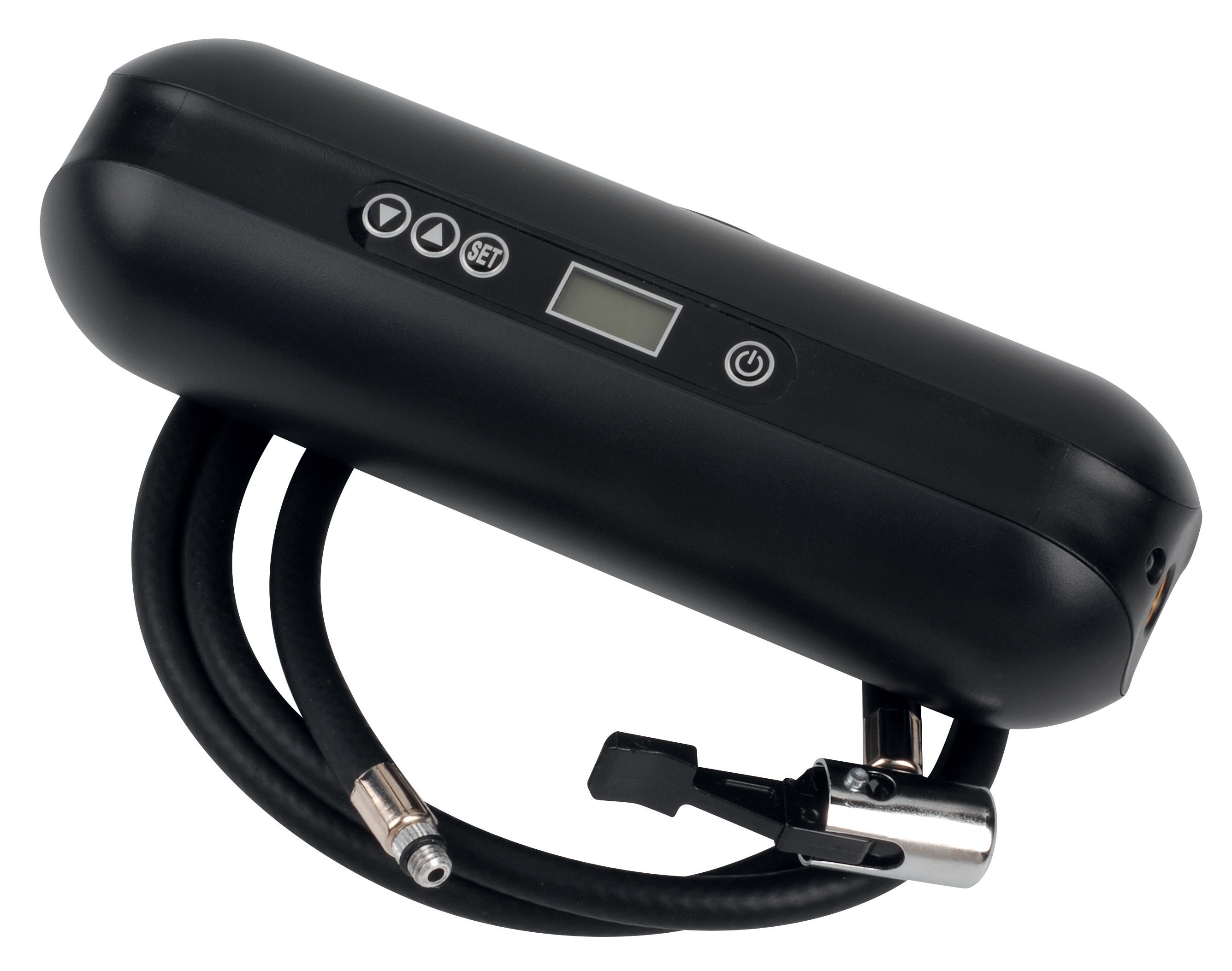
When servicing or expanding closed-loop heating and cooling systems, proper expansion tank management is essential. The CBM expansion tank inflator with 2000 mAH battery lets your maintenance technicians properly pressurize expansion tanks during commissioning and maintenance without depending on workshop air supplies. Its 10.3 bar maximum rating covers standard commercial HVAC systems, and its portability means one technician can manage tank service across multiple locations in your facility. The battery capacity ensures sufficient runtime for multiple tank pressurizations—valuable during large maintenance projects.
Plan for measurement redundancy on critical systems. For your primary cooling loop, install both a direct-reading gauge (for quick operator checks) and a transmitter-based system (for trending and alerts). Redundancy costs more upfront but prevents situations where failed instruments leave you operating blind during emergencies.
Consider accessibility in your installation design. Pressure gauges and temperature probes should be mounted where operators can see and verify readings without contorting around equipment. This simple principle drives actual daily use—if someone has to remove panels or lie on the floor to check a gauge, eventually nobody checks it.
Practical Implementation for Singapore Facilities
Singapore's tropical climate creates specific measurement priorities. High ambient temperatures, humidity, and the 24/7 operational demands of Singapore's facilities mean measurement systems must tolerate harsh conditions and deliver reliability without constant recalibration.
Temperature stability is critical. Singapore's outdoor temperatures range from 24–34°C year-round, but equipment heat can push indoor temperatures higher. Your chilled water systems work harder here than in temperate climates, making temperature monitoring non-negotiable. Select instruments rated for tropical operation and verify that they maintain accuracy in high-humidity environments.
Pressure fluctuations matter more in tropical climates. The combination of high ambient temperature and significant cooling loads creates pressure cycling in HVAC systems. Regular pressure measurement prevents the common failure mode where repeated pressure swings fatigue components until they suddenly fail.
Schedule measurement verification quarterly. In Singapore's environment, instruments may drift slightly. A simple verification check—comparing your gauge reading against a calibrated reference—catches drift before it affects your operational decisions. Most industrial calibration services in Singapore offer this as a routine service.
With 35+ years of experience supplying measurement equipment across Asia-Pacific, 3G Electric understands the demands of Singapore's industrial environment. We stock instruments selected for tropical operation and can help you design measurement systems that match your facility's specific needs.
Summary: Making Measurement Part of Your Operational Culture
Measurement and detection systems create value only when they're integrated into daily operations. Start with the critical systems—HVAC cooling and primary pressure lines—and expand methodically. Select instruments that your team can actually use and understand. Document readings consistently to build the trend data that lets you make proactive decisions.
The best measurement strategy isn't the most sophisticated—it's the one your team actually follows every day. Begin with direct-reading instruments, simple documentation, and clear decision rules about when to alert maintenance. As your team develops confidence and experience, gradually add networked monitoring and automated alerts.
Your facility's reliability ultimately depends on visibility into equipment condition. Measurement and detection systems provide that visibility. Use them consistently, and you'll catch problems at the earliest, least expensive stage—before they affect production or safety.