Understanding Measurement & Detection Requirements for Modern Maintenance Teams
Measurement & Detection equipment forms the backbone of effective preventive maintenance programs. With over 35 years of experience distributing industrial equipment globally, 3G Electric has seen maintenance operations transform from reactive firefighting to data-driven predictive maintenance. The key difference? Teams that invest in proper Measurement & Detection tools catch problems at their source, reducing unexpected downtime by up to 40%.
The challenge facing most maintenance teams isn't finding individual tools—it's understanding which Measurement & Detection instruments work together to create a complete diagnostic picture. A thermometer alone tells you if equipment is running hot. A multimeter alone reveals electrical anomalies. But neither tool in isolation explains why a pump is failing. Your maintenance team needs a coordinated Measurement & Detection strategy.
This article moves beyond isolated tool comparisons to address the real question maintenance managers face: "How do I build a diagnostic toolkit that covers critical failure modes without overspending?"
Thermometer Selection: Temperature Monitoring as Your First Line of Measurement & Detection
Temperature measurement represents your first defense against equipment degradation. Bearing failures, motor inefficiency, cooling system problems, and fluid breakdown all announce themselves through temperature changes before catastrophic failure occurs. Your choice of thermometer fundamentally impacts diagnostic accuracy.
Immersion Thermometers for Direct Equipment Assessment
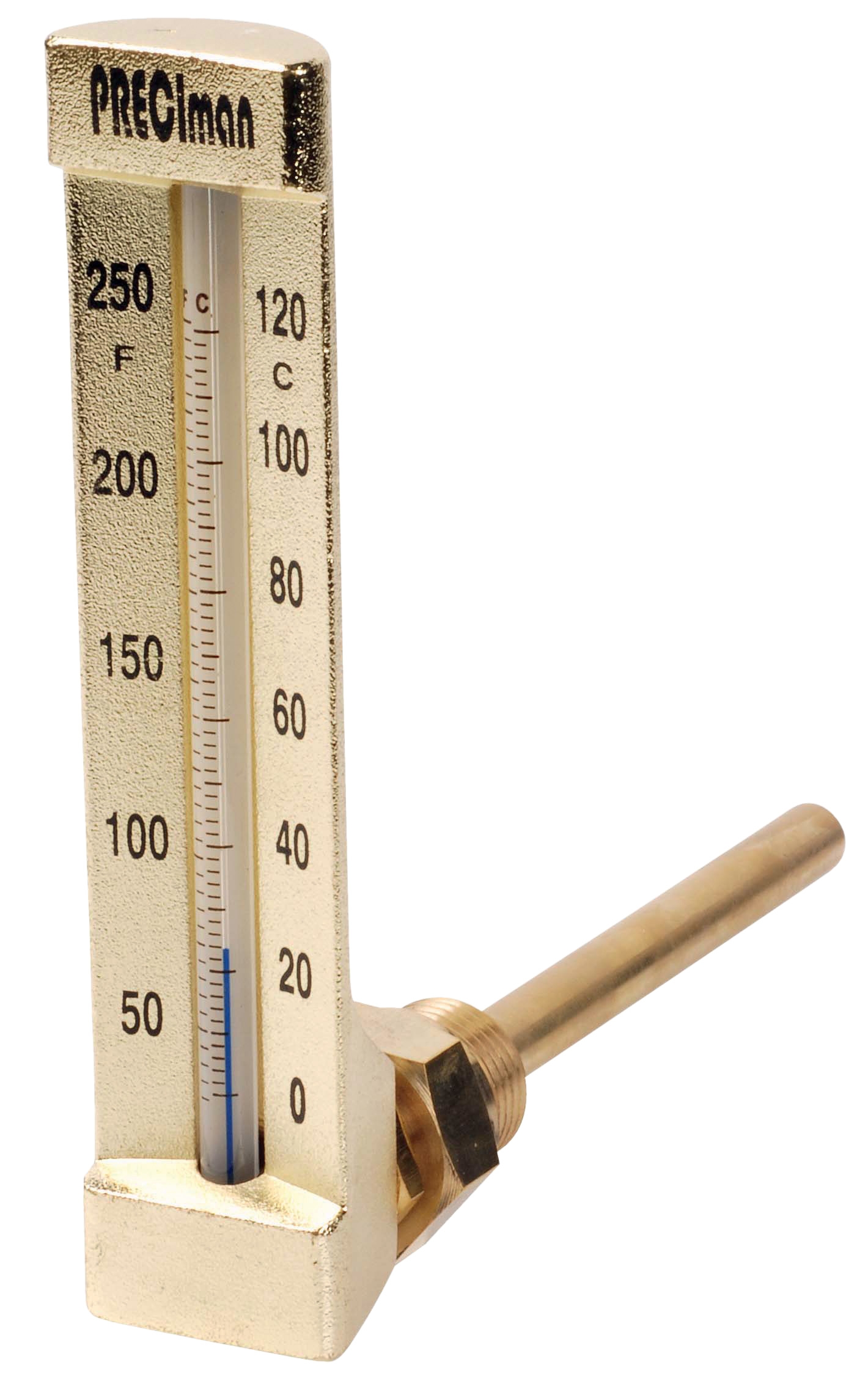
The CBM Industrial Thermometer 0/+50°C immersion 63 right angle height 150 serves maintenance teams performing direct temperature checks on equipment housings, fluid reservoirs, and bearing assemblies. The 150mm height accommodates standard industrial configurations, while the right-angle design allows measurement from difficult access points.
Why immersion thermometers matter for Measurement & Detection:
- Direct contact readings eliminate assumptions about surface conditions
- Fixed installation thermometers provide continuous monitoring without operator intervention
- 0/+50°C range covers normal operating zones for most industrial equipment
- Right-angle configuration fits equipment layouts without repositioning machinery
Maintenance teams use immersion thermometers for:
- Monitoring cooling system effectiveness (verify temperature drops across heat exchangers)
- Tracking bearing temperatures during startup sequences
- Verifying fluid temperature stability in hydraulic and lubrication systems
- Baseline temperature documentation for equipment condition history
Axial Thermometers for Precision Measurement & Detection in Confined Spaces
When accuracy matters in tight installations, the CBM Axial Thermometer D65 -40/+40°C L5cm with thermowell provides precision without oversized dial housings. The 5cm immersion length reaches interior measurement points while the thermowell protects the sensing element from mechanical damage.
Practical advantages for maintenance diagnostics:
- Thermowell integration enables hot-swapping without process interruption
- -40/+40°C range captures both cold startup conditions and elevated operating temperatures
- Axial configuration fits vertical and horizontal installations
- Compact D65 housing works in space-constrained equipment designs
Use axial thermometers when:
- Measuring fluid temperatures in heat exchanger outlets
- Monitoring control system electronics during troubleshooting
- Verifying temperature across expansion tanks (where the CBM expansion tank inflator may indicate pressure concerns)
- Diagnosing thermal imbalances in piping networks
Vertical Thermometers for Large-Scale Installation Monitoring
The CBM Green Vertical Thermometer D80 -30/+50°C L10cm with thermowell addresses Measurement & Detection needs in large equipment installations where visibility and accuracy demand premium instrumentation. The 80mm dial and 10cm immersion depth serve industrial cooling systems, large reservoir monitoring, and centralized heat distribution networks.
When to deploy vertical thermometers:
- Chiller system outlet monitoring (primary indicator of cooling capacity)
- Large tank fluid level and temperature simultaneous verification
- Plant room installations requiring remote operator visibility
- Safety-critical applications where temperature exceedance demands immediate visibility
The green dial specifically aids maintenance teams working in variable lighting conditions—paint shops, outdoor installations, and dimly-lit mechanical rooms where traditional black dials fade from view.
Electrical & Pressure Measurement & Detection: Completing Your Diagnostic Picture
Temperature tells part of the story. Electrical performance and system pressure reveal different failure modes requiring separate Measurement & Detection capabilities.
Multimeters: Essential Electrical Measurement & Detection
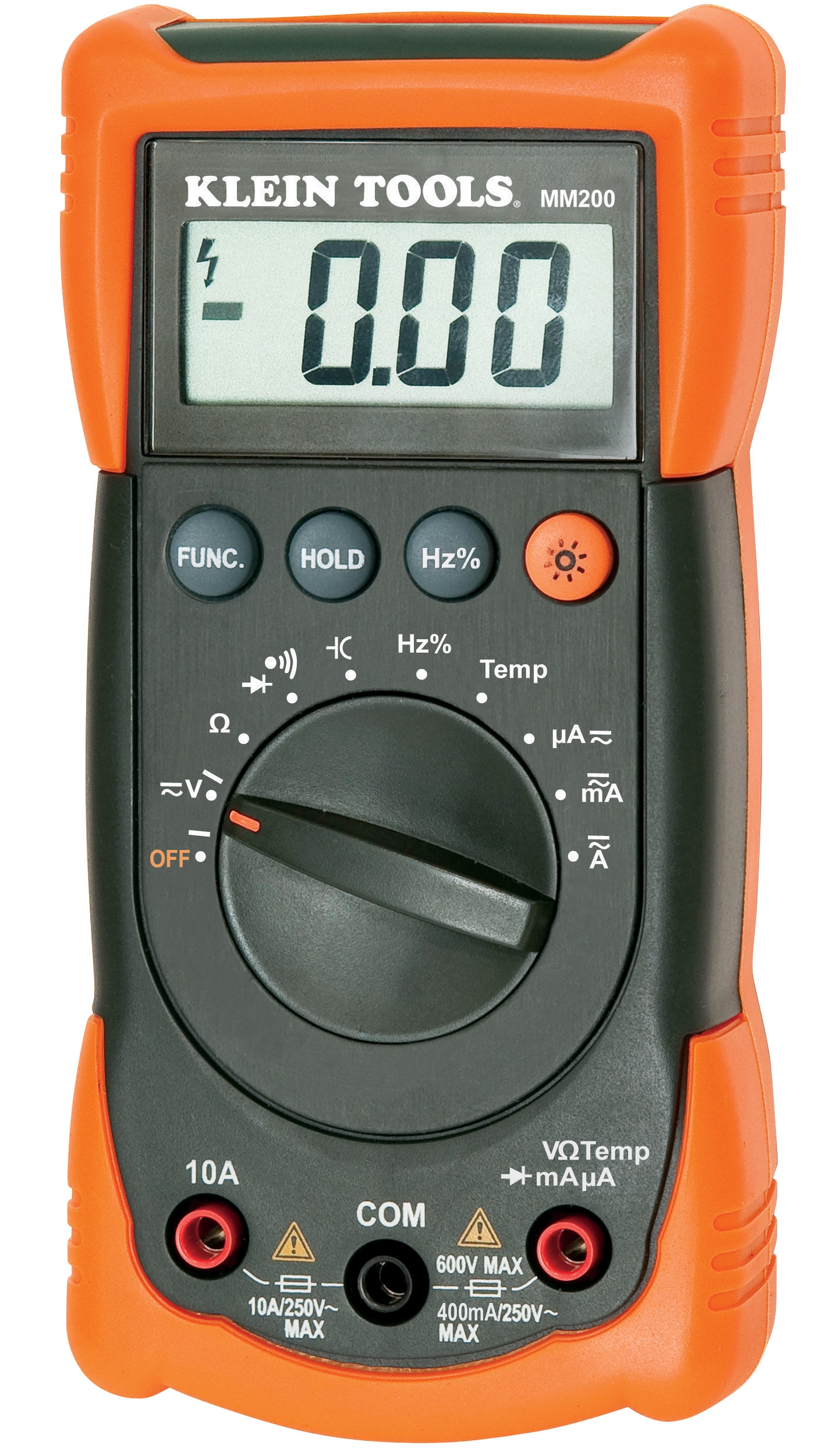
The CBM Automatic Multimeter MM420 represents the electrical Measurement & Detection standard for maintenance teams. Automatic ranging eliminates user error in scale selection—a critical feature when technicians work under pressure during equipment failures.
Core functions for maintenance diagnostics:
- Voltage testing (AC/DC): Verify motor supply integrity, control circuit functionality
- Resistance measurement: Identify broken motor windings, failed heating elements, corrosion in electrical connections
- Continuity checking: Confirm switch operation, verify equipment grounding
- Current measurement: Assess abnormal motor current draw indicating bearing friction or load problems
Maintenance teams deploy multimeters to:
- Verify 3-phase power balance before starting motors (unbalanced voltage indicates supply or distribution problems)
- Test control circuit integrity when equipment fails to start
- Measure heating element resistance to diagnose thermal failures
- Confirm grounding continuity as part of safety lockout procedures
- Assess battery condition in backup power systems
The MM420's automatic ranging particularly benefits maintenance teams troubleshooting unfamiliar equipment—technicians focus on connecting test leads correctly rather than calculating appropriate measurement scales.
Pressure Measurement & Detection: System Integrity Verification
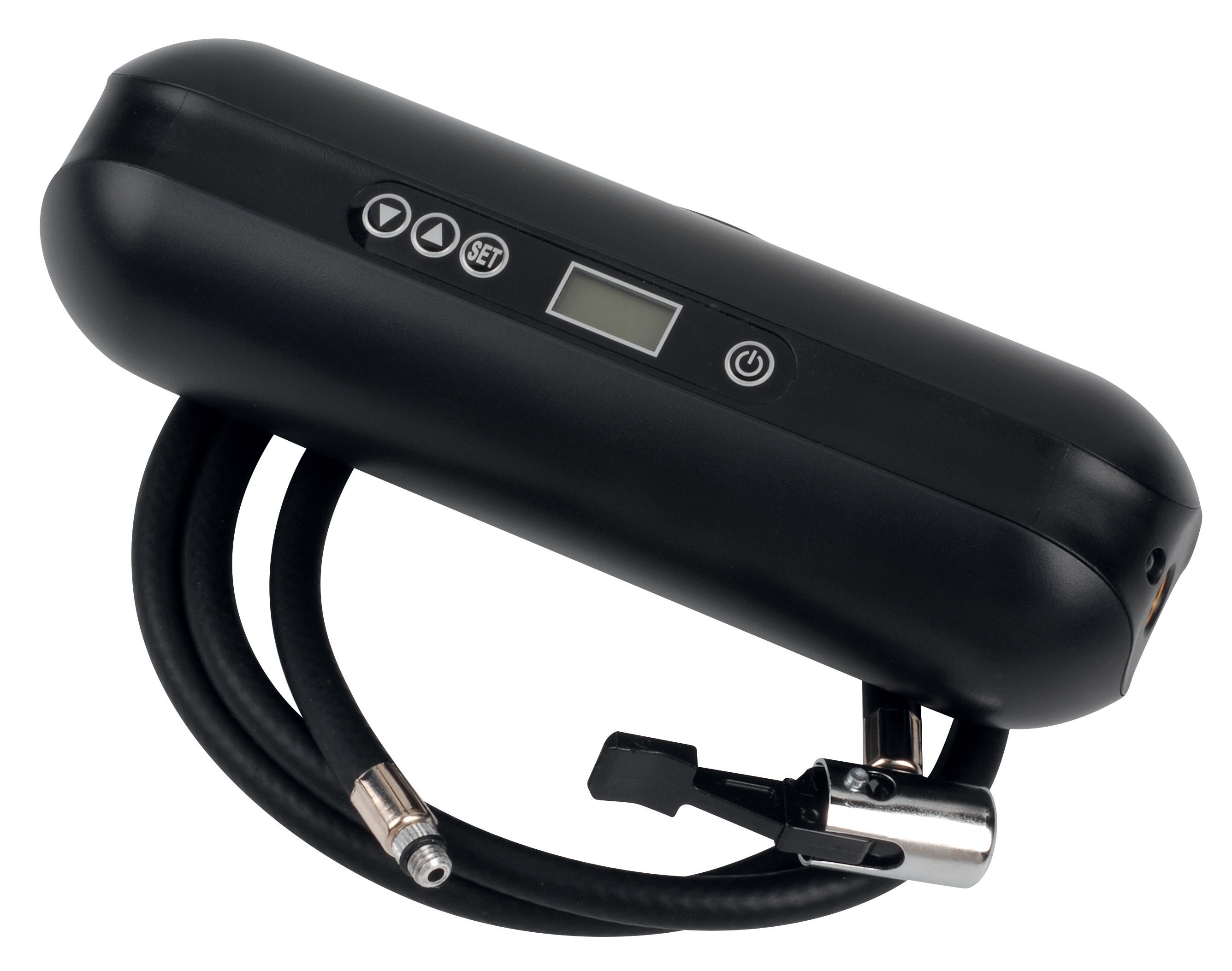
The CBM Expansion Tank Inflator Battery 2000 mAH addresses a often-overlooked Measurement & Detection requirement: pressure system integrity in closed-loop cooling and heating systems. Expansion tanks maintain system pressure, prevent cavitation, and accommodate thermal expansion. Failed or under-charged expansion tanks create a cascade of problems:
- Cooling system cavitation damages pump impellers
- Intermittent pressure loss indicates air infiltration points
- Improper pre-charge reduces system capacity during thermal transients
- Failed tanks force unnecessary system drainage and refills
This battery-powered inflator enables maintenance teams to:
- Verify expansion tank pre-charge pressure (typically 0.6-0.8 bar below minimum system pressure)
- Recharge tanks without system shutdown or cooling fluid loss
- Document pressure changes over time as diagnostic evidence
- Respond to cooling system complaints with objective pressure data
The 2000 mAH battery capacity supports multiple pressure checks and tank recharging cycles before requiring recharge, making this tool economical for regular preventive maintenance rounds.
Building Your Measurement & Detection Toolkit: A Practical Framework
Rather than purchasing tools individually, 3G Electric's 35+ years serving global maintenance operations reveals that successful teams build Measurement & Detection strategies around equipment categories:
Strategy 1: Cooling System Focus
Teams managing chiller plants, cooling towers, and closed-loop heat exchange systems benefit from:
- One vertical thermometer for chiller outlet monitoring
- One immersion thermometer for heat exchanger verification
- One expansion tank inflator for pressure validation
- One multimeter for electrical control circuit testing
This combination enables diagnosis of 85% of cooling system failures without external service calls.
Strategy 2: Motor and Drive Systems Focus
Teams primarily troubleshooting motors, pumps, and fan assemblies prioritize:
- One immersion thermometer for bearing temperature monitoring
- One axial thermometer for control electronics
- One multimeter for motor electrical diagnostics
This toolkit supports bearing failure prediction, winding failure detection, and supply quality verification.
Strategy 3: Distributed Equipment Monitoring
Teams managing multiple smaller systems benefit from portable, quick-access Measurement & Detection:
- Two axial thermometers for rapid installation checks
- One multimeter for electrical verification
- One expansion tank inflator for pressure system integrity
Implementation: From Measurement & Detection Data to Maintenance Action
Owning Measurement & Detection tools means nothing without systematic data collection and interpretation. Successful maintenance teams establish:
Baseline documentation: Record equipment parameters under known-good conditions. Thermometer readings at startup, steady-state, and shutdown. Multimeter readings on control circuits. Expansion tank pressures at system fill. These baselines become your diagnostic reference.
Trending protocols: Establish measurement schedules—weekly thermometer checks on critical equipment, monthly electrical verification on backup systems, quarterly expansion tank pressure confirmation. Trends reveal failure progression before catastrophic events.
Threshold identification: Know when readings demand action. If bearing temperature increases 10°C above baseline, investigate immediately. If expansion tank pressure drops 0.2 bar monthly, locate and repair the leak. If motor voltage becomes unbalanced beyond 3%, trace the distribution problem.
Documentation integration: Connect Measurement & Detection data to your work order system. When thermometer reveals elevated temperatures, create a work order documenting baseline, current reading, and suspected cause. This documentation supports warranty claims, root cause analysis, and equipment replacement decisions.
Why 3G Electric's Experience Matters for Your Measurement & Detection Program
With 35+ years distributing industrial equipment globally, 3G Electric has supported maintenance teams transitioning from reactive to preventive operations. We understand that Measurement & Detection tools serve your team best when selected as coordinated systems rather than isolated instruments.
Our experience shows that maintenance teams purchasing tools individually often create gaps—they might have excellent thermometers but inadequate electrical testing capability, or strong pressure measurement but no temperature monitoring. This forces technicians to make diagnostic decisions with incomplete information, extending troubleshooting time and increasing failure risk.
The products referenced in this comparison represent proven selections from teams managing industrial facilities across diverse global markets. Whether you operate in humid coastal environments, extreme temperature climates, or standard industrial settings, these Measurement & Detection tools maintain accuracy and reliability.
Contact 3G Electric to discuss your specific Measurement & Detection requirements. Our team helps you build toolkits matching your equipment profile, maintenance frequency requirements, and diagnostic priorities—ensuring your maintenance investment delivers measurable uptime improvements.