
Understanding Measurement & Detection Calibration Requirements
Measurement & Detection systems form the backbone of industrial operations, but their value depends entirely on accuracy. For procurement engineers in Singapore managing HVAC, heating, and pneumatic systems, understanding calibration workflows is essential—yet often overlooked during initial specification.
Calibration refers to comparing an instrument's output against a known reference standard and adjusting it if necessary. Verification confirms that an instrument remains within acceptable accuracy limits. Both are critical for regulatory compliance, system reliability, and cost avoidance. An uncalibrated pressure transmitter, for example, might indicate a system is operating normally when it's actually drifting toward failure—creating safety risks and unplanned downtime.
With over 35 years of experience supplying industrial equipment across Southeast Asia, 3G Electric has observed that procurement engineers who build calibration and verification into their specification process reduce maintenance costs by 15-25% and extend equipment lifespan by 20-30%.
Selecting Instruments with Built-in Verification Features
Not all measurement instruments are equally suited to verification workflows. When specifying equipment, prioritize devices that support calibration and provide diagnostic feedback.
Temperature Measurement Instruments
Temperature probes like the Dwyer PT100 OHM RTD probe are widely used in HVAC diagnostics and industrial process monitoring. These instruments offer several advantages for calibration workflows:
- Platinum Resistance Thermometers (RTDs) maintain long-term stability compared to thermocouples, reducing recalibration frequency
- ±0.6% accuracy specifications allow you to establish meaningful tolerance bands for acceptance testing
- Flexible copper capillary construction permits safe removal and calibration without system shutdown
- Operating range (-35.5 to +115.5°C) covers most industrial heating and cooling applications
When procuring RTD probes, specify units with certificates of calibration that document accuracy at ice point (0°C) and steam point (100°C)—the standard verification reference points. This simplifies your own verification testing and provides audit trail documentation.
Pressure Measurement and Transmission
Differential pressure transmitters are critical in HVAC flow measurement and system diagnostics. The Dwyer 616KD-13V-TC differential pressure transmitter represents a modern approach to pressure measurement:
- 0–1 IN W.C measurement range serves low-pressure HVAC applications across Singapore's diverse climate control demands
- 21 mA maximum power consumption simplifies loop-powered installation and reduces diagnostic complexity
- Barbed process connections for 3–5 mm tubing allow non-invasive installation without system drainage
For procurement purposes, differential pressure transmitters should be specified with:
1. Calibration certificates documenting zero and span adjustment at time of manufacture
2. Output linearity specifications (±2% or better) to ensure predictable drift patterns over time
3. Isolation valve compatibility so transmitters can be removed for calibration without system shutdown
When used alongside portable test equipment, differential pressure transmitters provide immediate feedback on system performance and can reveal degradation patterns months before catastrophic failure.
Low-Pressure Gauge Verification
Analog pressure gauges remain common in industrial systems due to their durability and cost-effectiveness. The Preciman stainless steel vertical pressure gauge (0/+40 mbar) exemplifies this category:
- ±1.6% accuracy at mid-scale provides adequate precision for HVAC and heating system monitoring in Singapore's tropical climate
- G1/4 connections and copper alloy wetted parts ensure compatibility with standard pneumatic and HVAC installations
- 63mm dial size offers readable output even in high-vibration environments
Gauges require periodic verification because mechanical movements drift over time. Establish a calibration schedule:
- Annual verification for gauges in critical applications (compressor discharge, system header)
- Biennial verification for monitoring gauges with stable readings
- Immediate recalibration if readings change suddenly or show erratic behavior
Procurement specifications should include test point documentation—the pressures at which your maintenance team will verify accuracy—and acceptable tolerance bands. This transforms analog gauges from "best-guess" instruments into verifiable measurement points.
Establishing Verification Protocols for Your Organization
Creating a systematic approach to calibration and verification requires coordination across procurement, maintenance, and operations.
Phase 1: Specification and Documentation
When procuring measurement instruments:
- Request calibration certificates that document accuracy at multiple test points, not just zero and span
- Specify storage and handling requirements that preserve accuracy (temperature ranges, humidity control, protective packaging)
- Include "calibration-ready" designs—instruments with isolation valves, quick-disconnects, or removable probes that minimize downtime for verification
- Document the reference standards available in your facility or through your calibration service provider
Before committing new instruments to production:
1. Unpack and inspect instruments immediately upon arrival to document any transport damage
2. Perform "as-received" verification against known references (ice water, steam, certified calibration blocks)
3. Document baseline readings in a traceable register—this becomes your reference point for all future comparisons
4. Install instruments with accessibility in mind; plan maintenance paths for easy removal when calibration is due
For example, when installing the Dwyer 616KD-13V-TC transmitter, ensure isolation ball valves are positioned upstream and downstream. This allows technicians to safely disconnect the transmitter for calibration verification without depressurizing the entire system.
Phase 3: Routine Verification and Trending
Establish a verification calendar tied to your facility's maintenance intervals:
- Quarterly spot-checks for critical instruments (use portable test equipment to compare against known standards)
- Annual full calibration for instruments supporting regulatory compliance or safety-critical functions
- Trend analysis to identify instruments drifting toward alarm limits, allowing proactive recalibration before failure
Use spreadsheets or CMMS software to track:
- Instrument serial number and location
- Last calibration date and drift values
- Calibration service provider and cost
- Next scheduled verification date
- Any corrective actions taken
This data becomes invaluable for procurement planning and budget forecasting.
Phase 4: Calibration Service Selection
Singapore has several accredited calibration laboratories (SPRING Singapore accreditation). When selecting a provider:
- Verify ISO/IEC 17025 accreditation for relevant measurement ranges
- Request turnaround times that fit your maintenance schedule
- Confirm they provide certificates documenting before/after accuracy and any adjustments made
- Ask about "as-found" vs. "as-left" reporting—this reveals how far instruments drift and guides replacement decisions
Integration with Flow and Expansion System Measurement
Measurement & Detection instruments rarely operate in isolation. In HVAC systems, they work together to provide complete diagnostics.
Flow Measurement and Verification
When your team uses flow probes like the Dwyer MAFS-16 metal average flow probe, accuracy depends on supporting pressure measurement:
- The MAFS-16 measures static and total pressure across 16 cm of probe length
- These readings must be converted to flow rate using pressure differential calculations
- Without verified differential pressure transmitters upstream, flow calculations become unreliable
Procurement should specify both instruments together, with calibration certificates that document the relationship between pressure and flow.
Expansion Tank System Monitoring
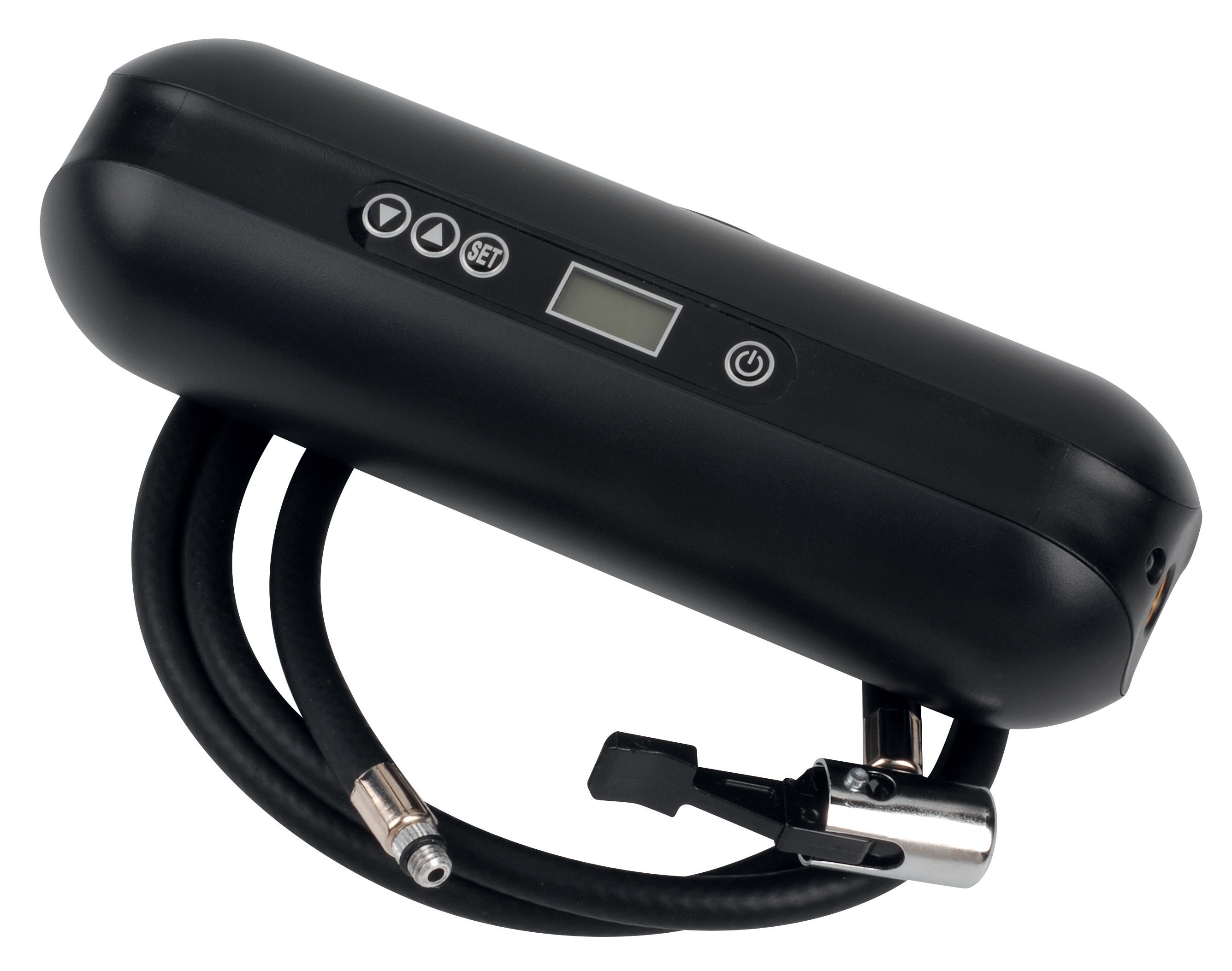
Heating systems with expansion tanks require accurate pressure measurement before and after inflator charging. The CBM expansion tank inflator (2000 mAH battery) operates at up to 10.3 bar:
- Before inflation, pressure must be verified to ensure nitrogen charge is lost (not mechanical failure)
- After inflation, pressure must be verified to confirm proper charge level
- Temperature compensation is critical in Singapore's tropical climate (the inflator operates from -20 to 60°C)
Procurement engineers should specify inflators with digital display and averaging functions that account for thermal drift during measurement. Pair this with a verified analog or digital pressure gauge to cross-check readings.
Practical Procurement Checklist
When specifying measurement instruments for your organization:
- Request calibration certificates with your instruments; document baseline accuracy before installation
- Specify isolation provisions—valves, quick-disconnects, or removable probes that facilitate verification without system shutdown
- Establish verification schedules in your CMMS or maintenance calendar at the time of procurement
- Select instruments with documented accuracy specifications (±0.6%, ±1.6%, etc.) rather than generic "accurate" claims
- Partner with accredited calibration providers (SPRING Singapore accredited) to ensure regulatory compliance
- Train your maintenance team on verification procedures; they are your first line of defense against instrument drift
- Build verification costs into your capital and operating budgets; calibration extends equipment life and prevents costly failures
3G Electric's 35-year experience sourcing industrial equipment across Southeast Asia shows that procurement engineers who invest in calibration and verification workflows consistently achieve better equipment reliability, lower total cost of ownership, and stronger audit compliance across their organizations.