Measurement & Detection Application Guide: Essential Tools and Techniques for Singapore Industrial Facilities
Industrial measurement and detection systems form the backbone of safe, efficient operations across manufacturing, HVAC, pneumatic, and process control applications. Whether monitoring gas concentrations in confined spaces, tracking pressure fluctuations in piping systems, or verifying temperature stability in critical equipment, the right detection tools enable predictive maintenance, regulatory compliance, and worker safety. This comprehensive application guide explores how measurement and detection technologies integrate into real-world industrial workflows, with practical examples and selection criteria tailored for Singapore's demanding industrial environment.
Understanding Measurement & Detection in Industrial Operations
Measurement and detection systems operate across four primary domains: gas detection, pressure monitoring, temperature measurement, and electrical diagnostics. Each domain serves distinct operational objectives. Gas detection identifies hazardous combustible or toxic gases before they reach dangerous concentrations, protecting personnel and equipment in confined spaces, storage facilities, and manufacturing areas. Pressure monitoring ensures pneumatic and hydraulic systems maintain safe operating ranges, preventing equipment damage and process failures. Temperature measurement tracks fluid and environmental conditions critical to system performance, energy efficiency, and product quality. Electrical diagnostics verify circuit integrity and current flow, supporting troubleshooting and commissioning activities.
In Singapore's tropical industrial landscape, measurement systems face unique environmental challenges. High humidity, temperature fluctuations between air-conditioned facilities and outdoor installations, and corrosive coastal air demand instruments built from stainless steel, ABS plastic, or specialty materials resistant to salt spray and condensation. Industrial professionals must select detection tools rated for Singapore's 24–32°C ambient temperature range and humidity levels exceeding 80% during monsoon seasons.
Integration with building management systems and safety protocols determines success. Measurement data must flow seamlessly into maintenance schedules, alarm systems, and compliance documentation. This requires devices with digital displays, data logging capabilities, standardized connections (G1/4, NPT, barbed tubing), and compatibility with both standalone and networked monitoring architectures.
Gas Detection Systems: Implementation and Operational Requirements
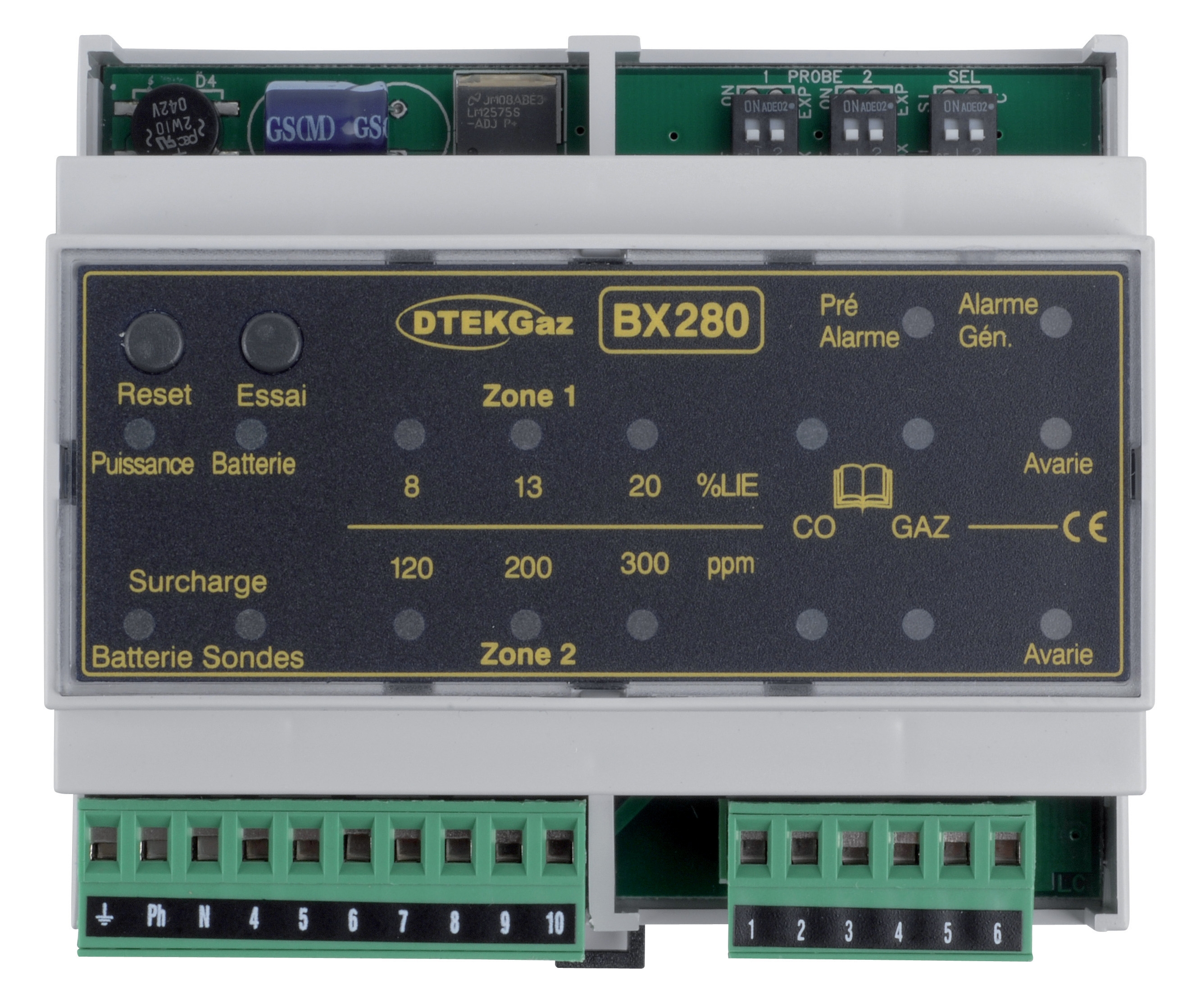
Gas detection forms the foundation of industrial safety programs, particularly in Singapore where confined-space regulations and petrochemical operations demand continuous monitoring. The DTekGaz gas detection central unit exemplifies modern detection architecture, functioning as a modular control hub managing up to 2 remote gas probes across 2 conventional monitoring zones. This design enables centralized alarm management and data logging while deploying sensors precisely where hazards exist—inside storage tanks, mechanical rooms, or process enclosures—eliminating the need for personnel to manually test confined spaces.
The device establishes three distinct alarm thresholds calibrated to industry standards: 8% LEL (120 ppm) triggers initial warning, 13% LEL (200 ppm) escalates to pre-alarm status, and 20% LEL (300 ppm) activates full alarm with relay actuation. This graduated threshold approach gives facility teams response windows proportional to risk. When the 8% threshold is reached during a minor gas leak, personnel investigate and correct the source before reaching dangerous concentrations. Should the leak accelerate beyond 20% LEL, automated relays cut power to equipment, activate ventilation systems, or summon emergency response.
DIN rail mounting (6 modules) and IP20 protection rating allow installation in electrical enclosures alongside other industrial controls, simplifying integration into building management systems. Compliance with EN 50270 standard ensures interoperability with probe types and control logic familiar to Singapore's industrial maintenance professionals. Remote probe connectivity via shielded cabling accommodates sensor placement distances up to 50 meters from the central unit, enabling comprehensive monitoring of multi-chamber facilities without excessive wiring complexity.
Practical deployment scenarios include: petrochemical storage areas requiring continuous combustible gas monitoring; wastewater treatment plants detecting methane and hydrogen sulfide; food processing facilities monitoring nitrogen and carbon dioxide in packaging systems; and semiconductor cleanrooms detecting silane or other specialty gases. Each application leverages the modular architecture to deploy probes where gases naturally accumulate—low points for denser-than-air gases, high points for lighter gases—maximizing detection probability while minimizing false alarms from transient leaks.
Pressure Measurement: From Low-Pressure Pneumatics to Hydraulic Systems
Pressure monitoring spans applications from delicate low-pressure diagnostics (measuring inches of water column in HVAC ductwork) to robust industrial hydraulics (monitoring 40+ bar in machinery). Device selection hinges on pressure range, accuracy requirements, and environmental conditions.
Low-pressure applications—typical in HVAC systems, pneumatic pilot controls, and differential pressure measurement—require instruments with sensitive capsule designs and high resolution. The Preciman stainless steel vertical pressure gauge D63 0/+40Mbar addresses this niche with copper alloy wetted parts, stainless steel construction, and ±1.6% accuracy across its 0–40 mbar range. The G1/4 connection integrates seamlessly into European-standard pneumatic tubing networks common in Singapore's industrial infrastructure. Its vertical orientation suits panel mounting in control cabinets where sightlines are vertical, and the 63mm dial provides readability from typical maintenance distances.
General-purpose pneumatic and low-pressure hydraulic systems benefit from Preciman ABS pressure gauge green D63 0/+1.6bar for sensitive applications or Preciman ABS green manometer D50 0/+40bar for higher-pressure monitoring. The ABS housing resists impact and corrosion in machine-shop environments, while the green glycerin-damped dial movement absorbs vibration and pressure pulsations common in compressed-air systems. These instruments deliver ±2.5% accuracy—adequate for maintenance verification and process control—at lower cost than laboratory-grade instruments. G1/4 connections and 50–63mm dial sizes balance accuracy and portability for field diagnostics.
The Dwyer transmitter 616KD-13V-TC bridges manual gauges and digital systems, converting pressure signals (0–1 IN W.C.) into 4–20 mA outputs compatible with building management systems, data loggers, and automated controls. Its low power consumption (21 mA maximum) suits battery-powered field instruments, while barbed process connections accommodate flexible tubing in tight spaces. Technicians use such transmitters when trending pressure over time or integrating pressure monitoring into facilities management software.
Temperature Measurement: Selecting the Right Instrument for Your Application
Temperature monitoring occurs across three distinct application families, each with different instrument requirements.
Direct-immersion dial thermometers suit HVAC hot water lines, boiler monitoring, and process vessels where visual indication suffices and electrical power is unavailable. The Preciman Green thermometer D100 0/120°C L5cm with thermowell provides 0–120°C coverage with a 100mm dial readable from distances up to 5 meters. The brass stem and thermowell design isolates the temperature sensor from high-velocity fluids, extending instrument life and reducing response lag. Black steel construction withstands vibration and mechanical wear in plant rooms. Installation involves threading the G1/4 stem into a manifold or direct-weld connection on piping, creating permanent measurement points for daily inspections.
Immersion glass thermometers provide backup indication and emergency reference points in systems with electronic temperature sensors. The Preciman Industrial thermometer 0/+120°C immersion probe 63 straight height 200 offers -30 to +120°C coverage with direct glass-tube indication, eliminating electronic failure modes. Its 63mm probe and 200mm bracket height fit standard industrial instrument pockets on equipment housings, while the straight profile suits linear mounting on vertical piping runs. Applications include boiler outlet monitoring, chiller inlet/outlet temperature verification, and process fluid quality checks.
RTD sensors and transmitters enable temperature trending and automated control in modern facilities. The Dwyer PT100 OHM RTD probe AVG-21241 delivers ±0.6% accuracy across -35.5 to +115.5°C with flexible copper capillary sensing elements. The 20cm cable and flange-clip mounting integrate into control panels, signal conditioning modules, or data acquisition systems. Technicians deploy such sensors when commissioning building management systems, verifying HVAC performance, or monitoring critical process temperatures requiring continuous logging and alarm generation.
Singapore's humid, warm climate demands special attention to thermometer installation. Direct-immersion instruments require protective thermowells to prevent rapid corrosion of internal mechanisms. RTD sensors need conduit entry glands and corrosion-resistant terminal blocks. Dial thermometers benefit from stainless steel or epoxy-coated cases. Selection of stem material—brass for general service, stainless steel for aggressive environments—significantly extends instrument life in tropical conditions.
Electrical Detection and Diagnostic Tools
Commissioning, troubleshooting, and verification of industrial electrical systems require current detection and multimeter capabilities. The Dwyer current detector CCS-221100 provides non-invasive AC current indication via clamp-on design, with red/green LED feedback and 600V isolation rating. Technicians use such devices to verify power presence before working on circuits, diagnose open conductors, and confirm control signal flow without de-energizing equipment. The UL 94V-0 ABS housing provides durability in machine shops and outdoor installations.
The CBM Automatic multimeter MM420 extends capabilities to AC/DC voltage, resistance, and current measurement up to 10A. Its 9V battery operation and 400mA/250V fuse protection suit field diagnostics of sensor circuits, pilot controls, and low-voltage distribution systems. Technicians deploy multimeters during commissioning to verify circuit function, troubleshoot intermittent failures, and confirm proper polarity on control terminals.
Specialized Applications: HVAC System Commissioning and Expansion Tank Maintenance
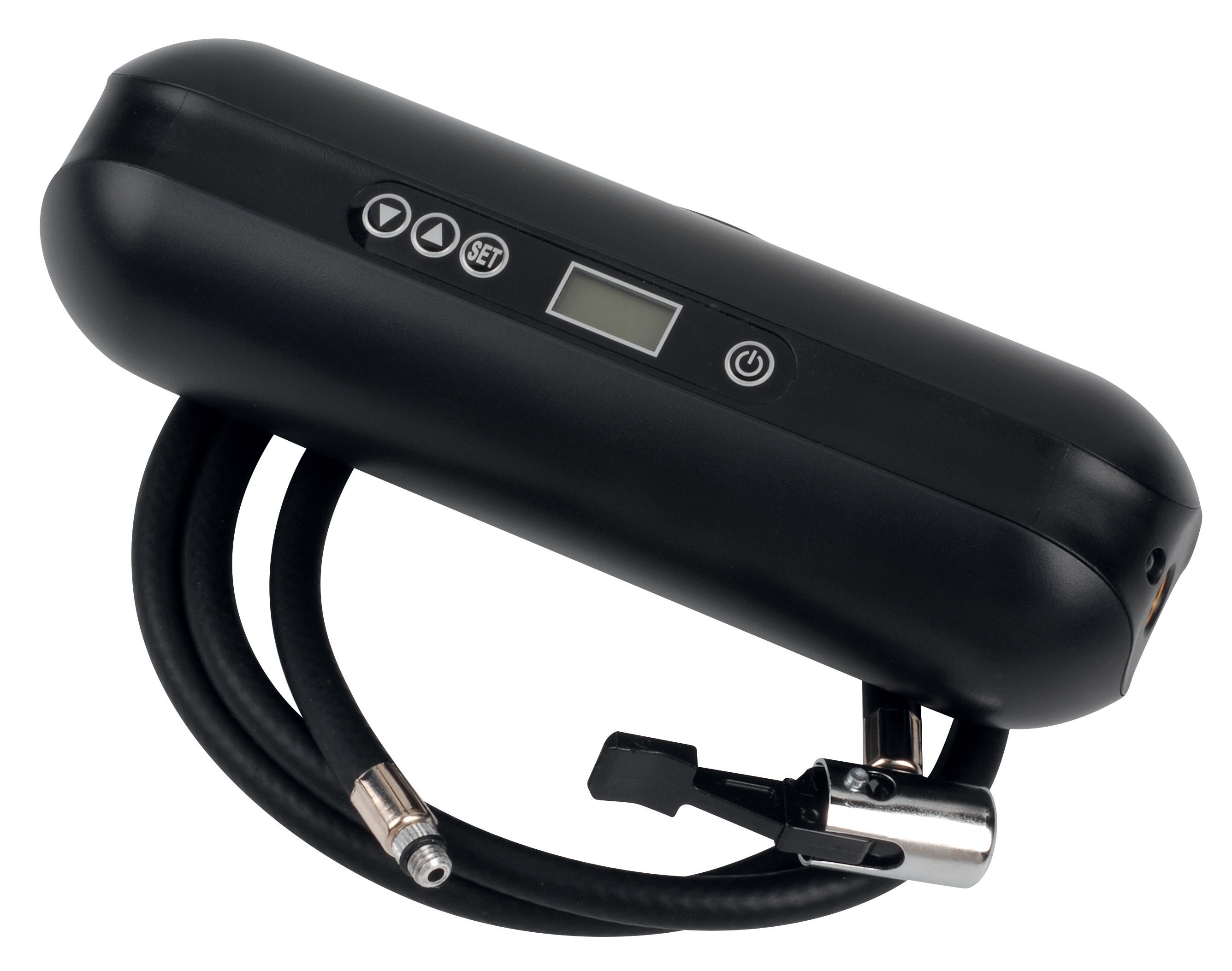
HVAC system commissioning and maintenance demand simultaneous pressure, temperature, and differential pressure measurement. The CBM expansion tank inflator battery 2000 mAH addresses a specific but critical task: pre-charging expansion tanks to match system water temperature and static pressure. This device operates independently with USB or car-cigarette-lighter charging, features a digital pressure display supporting PSI, BAR, KPA, and KG/CM² units, and includes automatic shutoff upon reaching target pressure. Operating across -20 to 60°C enables deployment in unheated mechanical rooms during winter commissioning or rooftop chillers during summer shutdowns.
During system startup, technicians use the inflator to set tank pressure to 0.5 to 1 bar below system static pressure, preventing water hammer and maintaining adequate expansion volume. The 2000 mAH battery provides approximately 50 charge cycles before requiring recharge, sufficient for multi-tank sites. Programmable pressure setpoints eliminate manual calculation errors, while the flexible 1m hose accommodates tank orientation and location constraints.
The Dwyer Digital pressure gauge 0-500Mbar complements the inflator for system verification. Its ±0.5% FS accuracy and multiple unit display (in w.c., ft w.c., in Hg, psi, oz/in², mm w.c., cm w.c., mm Hg, mbar, Pa, kPa, hPa) suit commissioning workflows requiring rapid unit conversion. Data logging of up to 40 readings enables documentation of pressure stability during system startup and shutdown sequences. Operating range 0 to 140°F (−17.8 to 60°C) covers Singapore's water temperature extremes, from cool tower water during night operation to heated solar loops reaching 60°C.
Selection Criteria and Best Practices for Singapore Industrial Environments
Environmental Durability: Prioritize stainless steel or epoxy-coated cases in coastal areas or facilities with high moisture exposure. ABS plastic suitable for dry machine shops may corrode rapidly in food processing plants or wastewater treatment facilities. Verify sealing ratings (IP20 for control cabinets, IP65 for outdoor sensors) match installation environments.
Measurement Accuracy vs. Application Requirements: Diagnostic tools require ±0.5–1.6% accuracy for troubleshooting circuit and sensor failures. Maintenance verification instruments need ±2.5% accuracy for trend analysis and component life estimation. Laboratory-grade precision (±0.1%) suits calibration standards but carries unnecessary cost for operational monitoring. Match accuracy to application risk; a ±2.5% pressure gauge adequately monitors pneumatic system wear but cannot verify differential pressure calibration in HVAC control logic.
Connectivity and Data Integration: Standalone dial instruments provide immediate sightline readability but limit trending and automation. Instruments with digital outputs (4–20 mA transmitters, DIN-rail mounted controllers) enable integration into building management systems, enabling alarm generation, scheduled maintenance triggers, and performance analytics. Hybrid approaches—dial gauges for manual verification plus transmitters for continuous monitoring—balance cost and functionality.
Standardized Connections: Verify G1/4 pneumatic connections match facility infrastructure. Ensure NPT and barbed tubing options suit existing manifolds and flexible lines. Thermometer stem lengths and well designs should accommodate mounting locations without requiring costly adapter fabrication.
Maintenance and Calibration Access: Select instruments with documented calibration procedures and serviceable components. Glycerin-damped gauges require periodic fluid replacement; RTD sensors need annual accuracy verification; digital instruments require battery and fuse replacement schedules.
Real-World Implementation Example: Multi-Parameter Facility Monitoring Setup
A Singapore wastewater treatment plant implements comprehensive measurement and detection across three zones: primary settlement basins, biosolids digesters, and chemical storage.
Zone 1 (Digesters): The DTekGaz central unit with two probes monitors methane and hydrogen sulfide, triggering ventilation fans at 13% LEL before personnel enter. A Preciman axial thermometer D80 -40/+40°C mounted on the digester outlet verifies thermal stability, confirming active biological processes. Manual pressure verification on digestate discharge uses a Preciman ABS green manometer D50 0/+40bar.
Zone 2 (Chemical Storage): Liquid sulfur dioxide storage employs gas detection with immediate relay shutdown on high concentration alarm. Temperature monitoring via an RTD sensor feeds building management system alerts when storage temperature exceeds safe limits.
Zone 3 (Electrical/Control): Technicians use the Dwyer current detector and CBM multimeter for monthly circuit verification and sensor diagnostics, identifying degraded temperature or pressure transducers before process disruption.
This integrated approach—automated detection with manual backup, digital trending with dial verification, standardized connections enabling rapid sensor replacement—creates a resilient measurement architecture suitable for mission-critical facilities.
Procurement and Maintenance Considerations for Singapore Facilities
Industrial professionals sourcing measurement and detection equipment should prioritize local availability of replacement components. Glycerin for damped gauges, replacement RTD elements, probe capsules, and spare batteries ensure minimal downtime when instruments require servicing. Establish relationships with equipment distributors maintaining inventory in Singapore, as importing single components from overseas suppliers introduces delays conflicting with maintenance windows.
Calibration services require advance planning. Annual verification of digital instruments and transmitters ensures continued accuracy and regulatory compliance. Identify certified calibration laboratories within Singapore—typically in the industrial areas of Jurong or Tampines—with turnaround times compatible with your maintenance schedule.
Documentation and trending create a complete picture of facility health. Photograph gauge readings during daily inspections, log temperature trends in spreadsheets, record pressure fluctuations, and note any gas detection activations. This historical data enables prediction of component failures, identification of process changes, and justification of equipment upgrades to management.
Training facility technicians on proper instrument use, safe connection procedures, and data interpretation maximizes the value of measurement systems. Hands-on sessions with pressure gauges, thermometers, and multimeters eliminate confusion and build confidence in troubleshooting activities. Many equipment manufacturers provide online resources and application notes supporting technician competency development.
Conclusion: Integrating Measurement & Detection into Your Industrial Operations
Effective measurement and detection systems transform industrial operations from reactive problem-solving to proactive management. Gas detection prevents hazardous incidents before they occur, pressure monitoring catches equipment degradation in early stages, temperature measurement ensures process stability and efficiency, and electrical diagnostics confirm system reliability. Singapore's demanding industrial environment—with high humidity, corrosive coastal air, and strict safety regulations—requires instruments built from appropriate materials, rated for local temperature extremes, and supported by accessible maintenance and calibration services.
The selection of specific instruments depends on your facility's unique requirements: the hazards present, the measurement accuracy needed, the integration with existing control systems, and the environmental conditions. By understanding the strengths of each instrument type—from modular gas detection controllers and low-pressure pneumatic gauges to high-accuracy RTD sensors and electrical diagnostic tools—procurement engineers and maintenance managers can assemble comprehensive measurement architectures supporting both operational excellence and worker safety.
Ready to implement or upgrade your facility's measurement and detection systems? Contact 3G Electric today. Our team of industrial equipment specialists serves Singapore's facilities with technical expertise, in-country inventory, and application support. Whether you're commissioning new systems, troubleshooting existing installations, or planning preventive maintenance programs, we provide the tools and guidance necessary for success. Explore our complete measurement and detection product range or reach out directly to discuss your specific requirements.