Understanding Seal Integrity as Primary Maintenance Priority
Seal degradation represents the leading cause of unplanned maintenance events in high-pressure industrial systems operating across Southeast Asia's diverse climate conditions. Temperature fluctuations, humidity extremes, and salt-air exposure in coastal regions accelerate seal material breakdown, particularly in elastomer-based components. With 35+ years of equipment distribution experience, 3G Electric has documented that maintenance teams addressing seal condition proactively reduce emergency shutdowns by 35-45%.
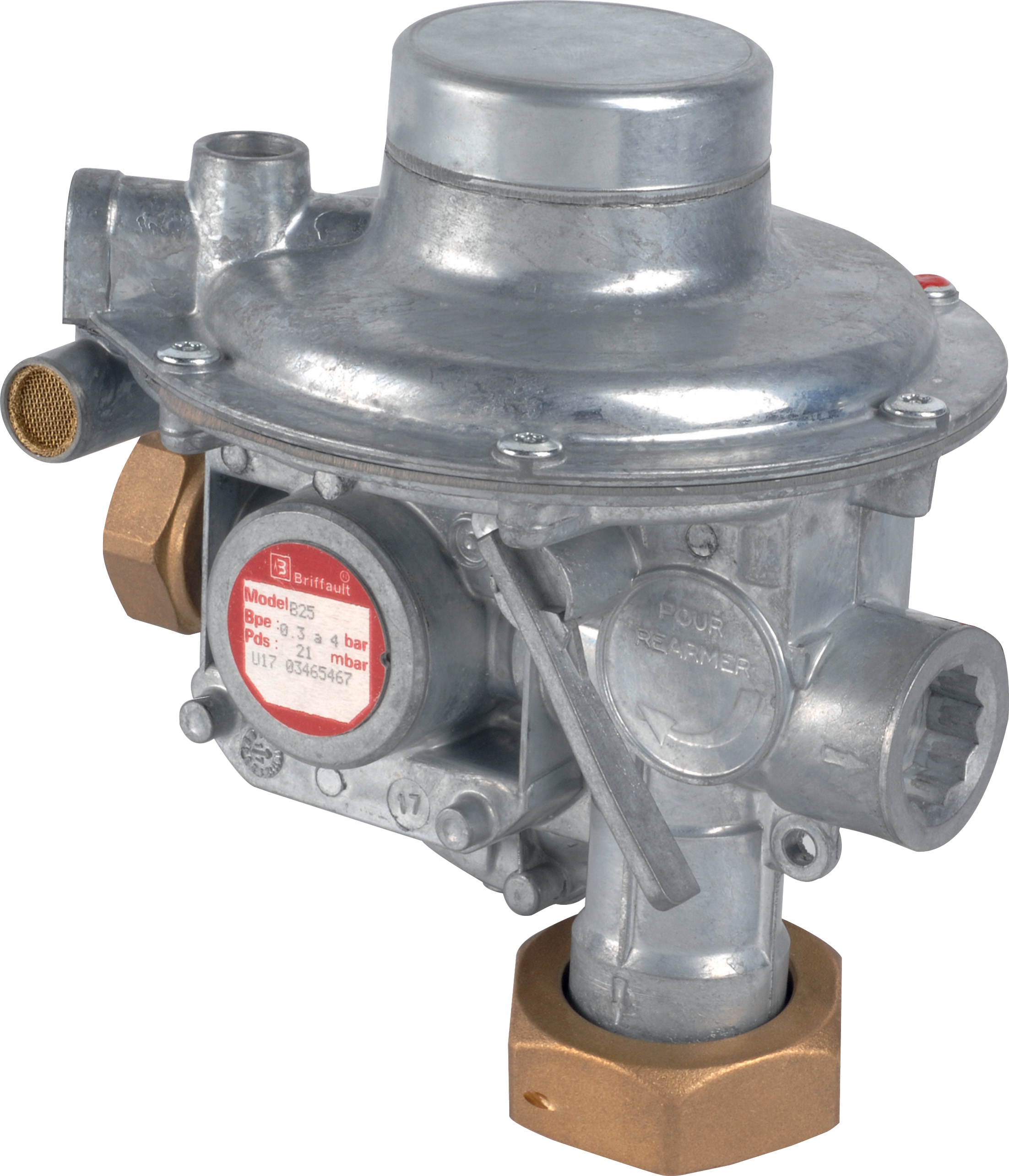
Seal integrity failures cascade through interconnected systems. When primary seals fail in pressure regulators like the Francel B25/37mb with safety relief, secondary damage occurs to valve seats, pressure ports, and downstream components. The safety relief mechanism becomes compromised, risking system over-pressurization and equipment damage.
Maintenance teams must establish baseline seal condition documentation upon system commissioning. This includes:
- Photographic records of seal surfaces and connection points (dry, clean conditions)
- Pressure baseline logs at standard operating conditions (establish your 100% reference)
- Material compatibility charts for seals against specific fluid types and operating temperatures
- Humidity and temperature profiles specific to your facility location and season
Regular seal inspection intervals should decrease from quarterly (first year) to semi-annual (years 2-5) once stable baseline conditions are established. Document seal color changes, surface cracking, weeping (light fluid migration), and hardening during each inspection.
Practical Seal Inspection and Testing Protocols
Effective seal maintenance requires systematic testing that identifies degradation before failure occurs. Southeast Asian operations face accelerated seal aging due to combined heat and humidity exposure—average seal lifespan may be 30-40% shorter than manufacturers' temperate-climate specifications.
Implement a three-tier inspection approach:
Tier 1: Visual Inspection (Weekly)
- Check for fluid weeping around regulator body seams (indicates primary seal micro-failure)
- Inspect connection ports for crystalline salt deposits (corrosion indicator in coastal facilities)
- Verify safety relief vent discharge (blockage indicates internal seal separation)
- Document any color changes in seal material (browning suggests heat degradation; whitening suggests chemical attack)
With the system at operating pressure, measure outlet pressure on pressure regulators like the Francel B25/37mb at five-minute intervals over 30 minutes. Pressure drift exceeding ±2 mbar indicates internal seal leakage. Record data in maintenance log and establish trend analysis—consistent drift patterns predict failure timelines.
For pump systems like the Pratissoli KF30 (106 L/min, 200 bar), measure case drain pressure and flow rate. Increasing case drain flow while inlet pressure remains constant indicates internal seal wear in the pump's rotating element.
Tier 3: Dye Penetrant and Acoustic Testing (Quarterly)
For critical safety systems, apply penetrant inspection around high-pressure connection points. Invisible micro-cracks in component bodies precede catastrophic seal failure by 4-8 weeks. Acoustic testing (ultrasonic listening devices) detects high-pressure micro-leakage invisible to visual inspection—a valuable early-warning tool for regulator and pump seals before pressure drops measurably.
Component-Specific Maintenance Protocols
Pressure Regulator Seal Management
The Francel B25/37mb safety relief regulator requires dedicated maintenance protocols due to dual seal responsibility—both inlet and relief valve seals must function independently. Maintenance teams should:
1. Verify safety relief function monthly by slowly increasing inlet pressure 10% above set point and confirming vent gas discharge
2. Clean the 10 mm vent line quarterly to prevent blockage (blocked vents mask internal seal failure and create dangerous over-pressure conditions)
3. Replace inlet seals every 18-24 months in standard humidity environments; reduce to 12-15 months in coastal/high-humidity locations
4. Test outlet pressure stability monthly—record readings at 25%, 50%, 75%, and 100% inlet flow rates to identify seal degradation patterns
Industrial Pump Seal and Bearing Care
High-performance pumps like the Pratissoli KF30 (40 kW, 200 bar) and Pratissoli MW40 (85 kW, 210 bar) operate continuously in many Southeast Asian applications. Maintenance protocols must address both mechanical seals and rotating element integrity:
- Monthly: Check case drain oil quantity and color. Increasing case drain flow indicates mechanical seal wear; dark/burnt oil indicates bearing temperature rise
- Quarterly: Measure pump inlet and outlet temperature differential. Temperature rise exceeding 15°C above baseline indicates internal friction from seal or bearing degradation
- Semi-annual: Flush case drain filter and inspect for metallic particles (bearing wear) or elastomer debris (seal failure)
- Annual: Replace mechanical seals in pumps operating 8,000+ hours annually—Southeast Asian heat accelerates seal material breakdown
- Every 24 months: Perform complete bearing inspection; replace if internal radial clearance exceeds manufacturer specifications
For compact gear pumps like the Interpump E1D1808 L (8 L/min, 180 bar, 5 kg), the smaller seal surface area requires more frequent monitoring. Establish monthly pressure ripple testing (oscilloscope measurement of outlet pressure variation). Increasing ripple amplitude indicates gear tooth wear and impending seal failure.
Nozzle and Spray Component Integrity
The Euspray flat jet nozzle HP 1/4" M BSPT index 30 angle 25° delivers precision spray patterns essential for industrial cleaning and coating operations. Maintenance teams often overlook nozzle seals, yet they represent critical pressure boundaries:
- Monthly: Inspect spray pattern for cone degradation or asymmetry (indicates internal orifice erosion from seal failure)
- Quarterly: Remove nozzle and measure internal seat wear using bore gauge—replacement when wear exceeds 0.05 mm prevents leakage
- Quarterly: Clean the BSPT connection threads with approved solvent and apply PTFE thread sealant during reinstallation
- Semi-annual: Replace nozzle seals in high-pressure applications (>150 bar)—elastomer creep under sustained pressure causes slow internal leakage
Environmental Factor Management for Southeast Asian Facilities
Southeast Asia's tropical climate accelerates seal degradation beyond temperate-zone expectations. Maintenance teams must adjust standard protocols to account for:
Humidity and Salt Exposure
Facilities within 50 km of coastal areas experience 3-5x faster corrosion on stainless steel components and accelerated elastomer swelling. Implement:
- Monthly visual inspection of all external metal surfaces for white/green corrosion deposits
- Quarterly replacement of air breathers in pump reservoirs (humidity-saturated breathers allow water ingress)
- Semi-annual resealing of electrical enclosures using silica gel desiccants
Daily temperature swings from 22°C (overnight) to 38-42°C (daytime operation) create thermal cycling stress on seals. Each cycle ages elastomers 1-2 weeks faster than static temperature conditions:
- Increase seal inspection frequency by 25% in facilities without climate control
- Document facility temperature profiles during commissioning to establish baseline degradation rates
- Consider reflective coating on equipment housings to reduce surface temperature 8-12°C
Southeast Asian dust and humidity create ideal conditions for fluid contamination:
- Replace pump inlet filters monthly instead of quarterly (dust infiltration accelerates seal wear)
- Implement weekly fluid sampling program in critical systems—track particle count and water content
- Store replacement components (seals, gaskets, o-rings) in sealed, desiccant-equipped containers until installation
Documentation and Trending for Predictive Maintenance
Maintenance teams should implement systematic data collection to predict component failure before occurrence. Establish a maintenance log template capturing:
- Date, component identity (SKU), and operating parameters
- Pressure readings (inlet/outlet), temperature, flow rate
- Seal visual condition (color, texture, weeping)
- Case drain or return fluid color and particle count
- Environmental conditions (ambient temperature, humidity)
- Actions taken and replacement components installed
Over 6-12 months, patterns emerge. Seal degradation typically follows predictable curves: slow initial degradation (months 1-6), accelerating degradation (months 7-15), then rapid failure (months 16-24). By documenting these trends, maintenance teams forecast replacement schedules 8-12 weeks in advance, eliminating emergency failures.
With 3G Electric's 35+ years supplying industrial equipment across Southeast Asia, we recommend quarterly trending reviews where maintenance supervisors analyze pressure drift rates, temperature trends, and fluid condition data. Equipment showing abnormal trends receives component replacement during planned maintenance windows rather than emergency shutdowns.
Seal Material Selection for Southeast Asian Climates
Not all seal materials perform equally in tropical environments. When replacing seals on pressure regulators like the Francel B25/37mb, high-performance pumps like the Pratissoli KF30, or Pratissoli MW40, specify materials matched to your regional climate:
- Nitrile (NBR): Standard choice; adequate for most applications but swells 8-12% in high-humidity coastal environments
- Fluorocarbon (Viton/FKM): Superior for temperature and humidity extremes; 40-50% higher cost but extends seal life 50-80% in coastal facilities
- EPDM: Excellent for high-humidity applications; poor chemical compatibility with some hydraulic fluids
- Silicone: Poor pressure-holding capability; avoid for regulators and high-pressure seals
Maintenance teams should document which seal materials were specified during system commissioning and specify identical replacements. Mixing seal materials can create incompatible interface pressures, accelerating failure.
Conclusion and Best Practices Summary
Seal integrity and pressure component care represent foundational maintenance disciplines in Southeast Asian industrial operations. By implementing systematic inspection protocols, adjusting maintenance intervals for tropical climate factors, and establishing predictive trending systems, maintenance teams extend equipment service life 30-50% while reducing emergency failures by 40-60%.
The equipment used—pressure regulators, high-performance industrial pumps, and precision nozzles supplied through 3G Electric—performs reliably only when seal integrity receives priority attention. Begin with baseline documentation upon commissioning, implement three-tier inspection protocols, adjust for environmental factors specific to your location, and establish trending practices that predict component replacement timelines.
With these systematic approaches, your maintenance team transforms from reactive repair-focused operations to predictive, planned maintenance management—the standard of excellence in industrial equipment stewardship.